
Bed That Can Turn Into a Couch: The Complete Guide
Everything you need to know about dual-purpose bed couches — mechanisms, types, comfort factors, and how to choose the perfect convertible for your space.
START EXPLORINGWhy consider a bed that turns into a couch? Multi-functional furniture is reshaping how we use small apartments, guest rooms, home offices, and studio spaces. A bed couch combo lets one room serve two purposes without compromise — but only if you choose the right mechanism and build quality. This guide walks you through every decision point so you can buy with confidence.
What Is a Bed That Turns Into a Couch?
A bed that can turn into a couch — often called a convertible bed couch, sofa bed, or bed-to-couch converter — is a piece of furniture engineered to function as both a seating surface during the day and a sleeping surface at night. Unlike a traditional sleeper sofa that hides a fold-out mattress inside a fixed frame, many modern convertible beds use transformable mechanisms that reconfigure the entire structure.
The category has expanded dramatically in recent years. You will find everything from three-seater couch beds with pull-out platforms to dedicated bed-to-couch converters that flip, fold, or slide between configurations. The right choice depends on how often you switch between modes, how much floor space you have, and whether the primary function is sleeping or sitting.
Understanding the difference between a bed that looks like a couch and one that genuinely functions as both is critical. A bed that looks like a couch may prioritize aesthetics, while a true convertible prioritizes mechanism durability and mattress quality. This guide focuses on genuine dual-function designs.
Main Types of Convertible Bed Couches
There is no single design that fits every room. Convertible bed couches fall into several distinct categories, each with its own strengths and trade-offs.
1. Pull-Out Couch Beds
The most familiar design: a couch frame with a concealed mattress platform that slides out and unfolds. Modern pull-out mechanisms range from entry-level spring systems to premium European click-clack hinges. A 3-seat couch with pull-out bed is a popular choice for guest rooms because it offers generous seating and a full-size sleeping area. Look for reinforced steel frames and high-density foam mattresses in mid-range and premium tiers.
2. Click-Clack and Flip Mechanisms
Click-clack sofas use a hinged backrest that folds flat to create a sleeping surface. They are lighter and easier to move than pull-out models, making them suitable for apartments and multi-use rooms. The trade-off is that the sleeping surface is typically firmer and thinner than a dedicated mattress. A 3-seater couch bed with a click-clack mechanism is an efficient choice for occasional guest use.
3. Bed-to-Couch Converters
These designs start as a bed and transform into a couch by folding, rolling, or reconfiguring the frame. A bed-to-couch converter is ideal when sleeping is the primary function and seating is secondary. Many models feature a slatted base and a folding mattress, which provides better spinal support than a standard sofa bed.
4. Modular and Sectional Convertibles
Modular systems let you rearrange components into a couch, a bed, or a corner configuration. A 3-piece sectional with pull-out bed combines expansive seating with a hidden sleeping platform — an excellent choice for open-plan living rooms that double as guest spaces.
5. Ottoman and Chair Bed Converters
For very tight spaces, a chair or ottoman that unfolds into a single bed may be the only viable option. These are best for occasional overnight guests rather than nightly sleeping. Pair them with a bed with couch under design if you need a permanent sleeping surface with auxiliary seating.
Mechanism Quality: What Separates Tiers
The mechanism is the single most important component in any convertible bed couch. It determines how smoothly the transformation works, how long the furniture lasts, and how safe it is for daily use.
| Tier | Mechanism Characteristics | Best For |
|---|---|---|
| Entry-level | Basic spring or simple hinge systems; lighter gauge steel; may require two hands to operate | Occasional guest use, spare rooms |
| Mid-range | Reinforced steel frames; smooth glide tracks; click-clack or assisted pull mechanisms | Regular switching between modes, multi-use rooms |
| Premium | Heavy-duty welded frames; precision German or Italian hinges; one-hand operation | Daily use, primary living space |
| Luxury | Commercial-grade mechanisms; motorized or spring-assisted transforms; lifetime frame warranties | High-frequency use, hospitality-grade settings |
When evaluating a convertible, test the mechanism in person if possible. A premium mechanism should move smoothly without binding, lock firmly in both positions, and show no flex in the frame. Entry-level models can work well for occasional use, but mid-range and premium tiers are worthwhile investments if the piece will be used daily.
Comfort and Mattress Considerations
A bed couch is only as comfortable as its mattress and cushion system. Convertible designs typically use one of three approaches:
- Integrated foam mattress: Common in click-clack and pull-out models. Mid-range versions use high-density foam with a breathable cover; premium versions may use memory foam or pocket-spring hybrids.
- Folding mattress on slats: Found in bed-to-couch converters. Offers better airflow and spinal support than a thin foam pad, and the slatted base extends mattress life.
- Separate stored mattress: Some premium convertibles include a dedicated mattress that stores inside the frame. This provides the closest experience to a traditional bed.
For nightly sleeping, prioritize mattress thickness, density, and support. For occasional guest use, a mid-range integrated foam mattress is usually sufficient. If the primary function is seating, focus on cushion density and fabric durability — a 3-seater fabric couch with a convertible mechanism offers a good balance of comfort and transformability.
Space Planning: Measuring Before You Buy
The most common mistake buyers make is underestimating the clearance required for the transformation. A pull-out couch bed may need two to three feet of open floor space in front of it when extended. A click-clack model needs room for the backrest to fold flat. A bed-to-couch converter may need clearance on two sides.
Before purchasing, measure three dimensions:
- Closed footprint: The space the unit occupies as a couch.
- Extended footprint: The space required when fully deployed as a bed.
- Transformation clearance: The open floor area needed to operate the mechanism.
Also consider ceiling height and doorway width if the piece must be delivered through a narrow hallway. For small rooms, a 3-seater couch with ottoman that includes a hidden conversion feature can be an efficient compromise.
Pros and Cons of Bed Couches
Advantages
- Maximizes the utility of a single room
- Ideal for studio apartments, guest rooms, and home offices
- Eliminates the need for a separate guest bed
- Modern designs are stylish enough for primary living spaces
- Premium models offer genuine comfort in both modes
Trade-offs
- Mechanisms add weight and complexity
- Sleeping surfaces may be thinner than a dedicated mattress
- Requires clearance space for transformation
- Entry-level models may wear faster under daily use
- Moving and repositioning is more difficult than a standard couch
Who Should Choose a Bed That Turns Into a Couch?
This furniture category is not for everyone. It is an excellent fit for:
- Studio and apartment dwellers who need one room to serve as both living and sleeping space.
- Guest room hosts who want a comfortable seating area that converts for overnight visitors.
- Home office owners who need occasional sleeping capacity without dedicating a full room.
- Renters who move frequently and want versatile furniture that adapts to different floor plans.
Conversely, if you have a dedicated bedroom and a separate living room, a standard couch and a standard bed will almost always be more comfortable and durable than a convertible. The value of a bed couch lies in space efficiency, not in matching the comfort of dedicated furniture.
Recommended Bed That Can Turn Into a Couch
⚠️ AFFILIATE DISCLOSURE: This website contains affiliate links. As an affiliate Associate, we earn from qualifying purchases. If you make a purchase through these links, we may receive a small commission at no additional cost to you. Read our full affiliate policy.

Thctvous 3 in 1 Pull Out Couch Bed, Convertible Futon Sofa Bed, Velvet Sleeper Loveseat for Small Living Room, Adjustable Backrest, Comfy Pillows, Side Pocket (Black)
Check price on Amazon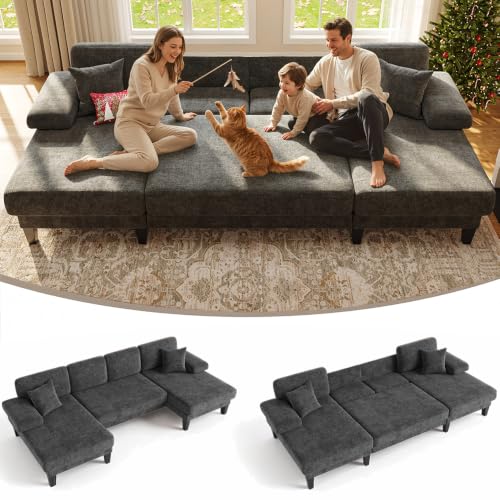
112'' U-Shaped Sectional Couch Sleeper Sofa with Pull Out Bed&Cup Holders | Turns Couch into Bed in seconds,Supports up to 1200 LBS, Premium Chenille Upholstery, Spacious 28" Deep Seat
Check price on Amazon
112'' U-Shaped Sectional Couch Sleeper Sofa with Pull Out Bed&Cup Holders | Turns Couch into Bed in seconds,Supports up to 1200 LBS, Premium Chenille Upholstery, Spacious 28" Deep Seat
Check price on Amazon
JASIWAY Convertible Sofa Chair Bed, 37" Mid-Century Sleeper for Adults | 3 in 1 Futon Chair that Turns Into Bed, Guest Bed for Small Spaces, Adjustable Backrest, Throw Pillow, Ergonomic, Linen
Check price on Amazon
112'' U-Shaped Sectional Couch Sleeper Sofa with Pull Out Bed&Cup Holders | Turns Couch into Bed in seconds,Supports up to 1200 LBS, Premium Chenille Upholstery, Spacious 28" Deep Seat
Check price on Amazon
JASIWAY Convertible Sofa Chair Bed, 28" Mid-Century Sleeper for Adults | 3 in 1 Futon Chair that Turns Into Bed, Guest Bed for Small Spaces, Adjustable Backrest, Throw Pillow, Ergonomic, Linen
Check price on Amazon
JASIWAY Convertible Sofa Chair Bed, 45" Mid-Century Sleeper for Adults | 3 in 1 Futon Chair that Turns Into Bed, Guest Bed for Small Spaces, Adjustable Backrest, Throw Pillow, Ergonomic, Linen
Check price on AmazonFinal Buying Checklist
Before you commit to a convertible bed couch, run through this checklist:
- Measure the closed footprint, extended footprint, and transformation clearance.
- Confirm the primary function: sleeping first or seating first.
- Test the mechanism for smooth operation and firm locking.
- Check the mattress or cushion density and thickness.
- Verify the frame material and weight capacity.
- Review the warranty coverage for the mechanism and frame.
- Ensure delivery access through doorways and hallways.
For additional context on related configurations, explore our guides on 3-seater couch beds, bed-to-couch converters, and air mattresses that turn into couches for temporary or travel use.