Dry Cleaning Upholstery: Complete Couch Care Guide
Discover how professional dry cleaning upholstery works, which fabrics benefit most, and how to decide between at-home dry methods and a professional service for your couch.
Why this guide matters: Most people wait until their couch looks visibly soiled before thinking about deep cleaning. In reality, body oils, dust mites, and pet dander settle into upholstery long before stains appear. Understanding dry cleaning upholstery helps you protect fabric fibers, preserve color depth, and extend the usable life of your sofa — whether you own a custom-upholstered couch or a standard retail model.
What Dry Cleaning Upholstery Actually Means
The phrase “dry cleaning upholstery” is slightly misleading. It does not mean the fabric is cleaned without any liquid at all. Instead, it describes a family of low-moisture cleaning methods that rely on solvents, dry foam, or absorbent powders to lift soil from fabric fibers. The goal is to clean thoroughly without soaking the cushion foam, frame joints, or inner batting.
Traditional wet extraction pushes water deep into the cushion core. If that moisture is not fully removed, it can lead to mildew, weakened adhesive, and compressed foam. Dry methods avoid that risk by keeping moisture contact brief and controlled. This is why dry cleaning is the preferred route for delicate fabrics such as velvet, silk blends, and tightly woven wool.
Professional services typically combine three elements: a pre-treatment agent, a low-moisture cleaning medium, and a high-powered extraction or absorption step. The result is a couch that is clean, dry within hours, and safe to use the same day in most cases.
Read Your Cleaning Code Before Anything Else
Every upholstered couch sold in the United States carries a cleaning code tag, usually sewn under the seat cushion or attached to the frame. This code is the single most important piece of information before choosing any cleaning method.
- Code W — Water-based cleaning only. These fabrics tolerate water-based solutions. Dry cleaning solvents may damage the finish or cause shrinkage. Use foam or water-based extraction.
- Code S — Solvent-based cleaning only. This is the classic dry-clean-only category. Water can cause rings, shrinkage, or fiber distortion. Use a professional dry cleaning service or solvent-based spot cleaner.
- Code WS — Water or solvent. The most flexible category. You can use either a water-based method or a dry cleaning solvent. Follow the manufacturer’s recommendation for best results.
- Code X — Vacuum only. No liquid of any kind. These fabrics must be professionally assessed before any wet or solvent treatment.
If the tag is missing or unreadable, test a hidden area first — the back of the couch or the underside of a seat cushion. Apply a small amount of cleaning agent, wait 24 hours, and check for color change, shrinking, or ring marks. For couches with removable covers, check the label on the cover itself, since it may differ from the frame fabric. If you are considering replacing covers entirely, buying new cushions for a couch is sometimes more practical than repeated deep cleaning of worn fabric.
Dry Cleaning Methods Compared
There are four main approaches used in upholstery dry cleaning. Each has a distinct role depending on fabric type, soiling level, and whether you are cleaning at home or hiring a professional.
Dry Foam Cleaning
A low-moisture foam is worked into the fabric with a soft brush, then vacuumed away once dry. The foam encapsulates soil and lifts it without saturating the cushion. Best for synthetic blends and light to moderate soiling on code WS fabrics.
Solvent Extraction
A solvent-based cleaning solution is injected into the fabric and immediately extracted with a high-powered vacuum. The solvent dissolves oils and grease without water. Ideal for code S fabrics and couches with stubborn body oil buildup.
Absorbent Powder Cleaning
A dry powder is spread over the upholstery, agitated into the fibers, and left to absorb oils. After a set time, it is vacuumed away. This method is completely water-free and excellent for velvet, wool, and antique upholstery.
Professional In-Home Dry Service
A trained technician assesses the fabric, pre-treats stains, and applies the appropriate dry method with commercial equipment. This is the safest route for premium, luxury, or custom-upholstered couches where risk of damage is unacceptable.
Fabric & Method Compatibility
| Fabric Type | Cleaning Code | Best Method | Best For |
|---|---|---|---|
| Cotton & linen blends | W or WS | Dry foam or water-based extraction | Everyday family couches |
| Velvet & velour | S | Absorbent powder or solvent | Luxury and statement pieces |
| Silk & silk blends | S | Professional solvent only | High-end tier upholstery |
| Wool & wool blends | S or WS | Absorbent powder or dry foam | Mid-range and premium couches |
| Microfiber & synthetic | W or WS | Dry foam or wet extraction | High-traffic living rooms |
| Performance fabric | W or WS | Water-based extraction | Pet owners and kids |
Step-by-Step: At-Home Dry Foam Cleaning
If your couch carries a WS or S code and the soiling is moderate, a careful at-home dry foam session can refresh the fabric without a professional visit. Follow these steps in order and do not rush the drying phase.
- Vacuum thoroughly first. Use an upholstery attachment to remove loose dust, crumbs, and pet hair from all surfaces, including under the cushions and along the seams. Skipping this step pushes grit deeper into the fabric during cleaning.
- Test in a hidden spot. Apply a small amount of dry foam to the back of the couch or the underside of a cushion. Wait 24 hours and inspect for discoloration, shrinkage, or ring marks before proceeding.
- Apply foam sparingly. Shake the can or dispense foam onto a soft-bristle brush rather than directly onto the fabric. Work in small sections, using circular motions. Do not over-saturate — the foam should sit on the surface, not soak in.
- Let the foam do the work. Allow the foam to sit for the time specified on the product label, usually 3 to 5 minutes. The foam lifts soil as it begins to dry. Do not scrub aggressively, as this can distort fiber direction and create visible wear patterns.
- Vacuum away residue. Once the foam has dried to a powdery or crusty texture, vacuum it away with the upholstery attachment. Work slowly so the vacuum pulls soil out of the fibers rather than just off the surface.
- Dry fully with airflow. Open windows or use a fan to circulate air around the couch. Avoid direct sunlight, which can fade fabric. Most dry foam treatments are fully dry within 2 to 4 hours.
- Brush the nap if needed. For velvet or brushed fabrics, use a soft upholstery brush in one direction to restore the nap after cleaning. This step is critical for maintaining the visual texture of premium fabrics.
Pro tip: Never use a household steam cleaner on a code S fabric. Steam introduces moisture that can shrink silk, distort velvet pile, and leave water rings on wool. Steam is a wet method, not a dry method, even though it feels dry to the touch.
When to Call a Professional
At-home dry cleaning is effective for maintenance and light soiling, but several situations call for a professional service. Recognizing these moments protects your couch from irreversible damage.
- Delicate or luxury fabrics. Silk, pure velvet, and high-end wool blends should only be handled by technicians trained in solvent cleaning. The risk of color bleed or fiber distortion is too high for DIY methods.
- Deep-set odors. Pet accidents, smoke, and mildew odors penetrate the cushion core. Professional solvent extraction reaches deeper than surface foam and neutralizes odor molecules rather than masking them.
- Large or widespread staining. If more than a quarter of the upholstery surface is affected, a uniform professional clean is safer than spot-cleaning, which can leave visible clean patches.
- Antique or vintage couches. Older fabrics, horsehair stuffing, and natural dyes react unpredictably to cleaning agents. A professional assessment prevents costly mistakes. If you are weighing restoration against replacement, our guide on vintage couches covers the trade-offs.
- Health and allergy concerns. Households with asthma or severe allergies benefit from the deep extraction and controlled drying that professional services provide.
Professional dry cleaning for upholstery is typically classified as a mid-tier to top-tier service depending on fabric complexity and the technician’s certification. For most households, an annual or biennial professional session is a worthwhile investment that extends the life of the couch significantly.
Common Mistakes to Avoid
Even with good intentions, several habits can shorten the life of your upholstery. Avoid these pitfalls to keep your couch in top condition between professional cleanings.
- Over-wetting the fabric. Excess moisture is the leading cause of mildew, odor, and foam breakdown. Dry methods exist precisely to limit water contact — respect that limit.
- Using the wrong product on the wrong code. Water-based cleaners on code S fabric can cause permanent rings. Solvent cleaners on code W fabric can leave a sticky residue. Always match the product to the code.
- Scrubbing instead of blotting. Aggressive scrubbing distorts fibers and spreads stains. For spots, blot from the outside in with a clean white cloth.
- Skipping the pre-vacuum. Vacuuming before cleaning removes abrasive grit that would otherwise be ground into the fabric during brushing.
- Cleaning in direct sunlight. Rapid drying in sunlight can cause uneven color and accelerate fading. Clean in a shaded, well-ventilated space.
- Ignoring the cushions. Cushions trap the most body oil and odor. Remove them, clean both sides, and rotate them regularly to distribute wear evenly.
If your couch covers are removable and machine-washable, a separate approach may be more practical. Our guide on custom couch covers explains how fitted covers can simplify ongoing maintenance and protect the upholstery underneath.
Building a Maintenance Routine
Dry cleaning upholstery works best as part of a consistent routine rather than a one-time rescue effort. The following schedule keeps fabric fresh and reduces the frequency of deep cleaning.
- Weekly: Vacuum all upholstered surfaces, including under cushions and along seams. Rotate and flip seat cushions to distribute wear.
- Monthly: Spot-clean minor marks with a fabric-appropriate cleaner. Fluff and air cushions to prevent compression and trapped odors.
- Quarterly: Inspect seams, zippers, and frame joints for early signs of wear. Tighten loose legs and check for fabric pilling.
- Every 12 to 18 months: Schedule a professional dry cleaning session, or perform a full at-home dry foam treatment on code WS fabrics.
For couches in high-traffic family rooms or homes with pets, shorten the professional cycle to every 6 to 12 months. The cost of regular maintenance is consistently lower than premature replacement of a quality couch.
Frequently Asked Questions
What does dry cleaning upholstery actually mean?
Dry cleaning upholstery refers to low-moisture cleaning methods that use solvents, dry foam, or absorbent powders instead of large amounts of water. These techniques lift embedded soil and oils from fabric without saturating the cushion foam or frame, which prevents mildew and foam breakdown.
Can every couch fabric be dry cleaned?
No. Always check the cleaning code on the manufacturer tag. Codes W and WS tolerate water-based methods, while code S requires solvent-based or dry cleaning only. Fabrics like velvet, silk, and some wool blends are best handled with dry methods. Code X fabrics should only be vacuumed.
How often should a couch be professionally dry cleaned?
Most households benefit from a professional dry cleaning session every 12 to 18 months. Homes with pets, allergy sufferers, or heavy daily use may need service every 6 to 12 months to keep fabric fresh and extend lifespan.
Is dry cleaning safe for removing pet odors from a sofa?
Yes, solvent-based and dry foam methods are highly effective at lifting pet oils and odor molecules trapped deep in the fabric. For best results, combine professional dry cleaning with regular vacuuming and enzyme-based spot treatment on fresh accidents.
Can I dry clean a couch with removable covers at home?
If the cover label permits dry cleaning, you can take the covers to a professional dry cleaner. Avoid machine washing unless the label explicitly allows it, since many upholstery fabrics are not constructed for agitation and may shrink or lose their finish.
Ready to Refresh Your Couch?
Explore our full library of couch care and maintenance guides to build a complete care routine — from stain removal to fabric protection and long-term preservation.
Explore Couch Care GuidesRecommended Upholstery Dry Cleaning Products
⚠️ AFFILIATE DISCLOSURE: This website contains affiliate links. As an affiliate Associate, we earn from qualifying purchases. If you make a purchase through these links, we may receive a small commission at no additional cost to you. Read our full affiliate policy.

ForceField Dry Cleaning Fluid for Fine Fabrics, 4 oz – Professional Strength Spot Remover for Silk, Wool, and Delicate Upholstery
Check price on Amazon
Upholstery Dry Cleaning Foam – No-Rinse Fabric Cleaner for Sofas, Couches & Car Seats, Quickly Lifts Stains & Dirt, Safe for Households with Kids & Pets, Easy-to-Use for Fresh & Spotless Furniture
Check price on Amazon
ForceField Dry Cleaning Fluid, Code S Upholstery Solvent, 4 oz, 4 Pack | Spot Remover for Silk, Wool and Natural Fibers, Draperies, Lifts Grease and Oil Stains, Non Water Based, Made in USA
Check price on Amazon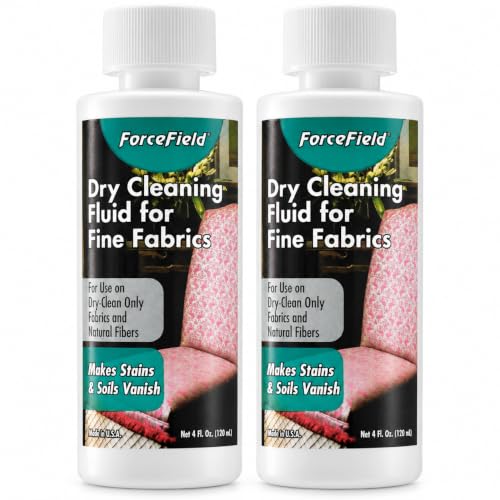
ForceField Dry Cleaning Fluid, Code S Upholstery Solvent, 4 oz, 2 Pack | Spot Remover for Silk, Wool and Natural Fibers, Draperies, Lifts Grease and Oil Stains, Non Water Based, Made in USA
Check price on Amazon
AlbaChem® PSR II Powdered Dry Cleaning Fluid
Check price on Amazon
BISSELL® Woolite® Advantage Carpet & Upholstery Cleaner 4 Pack, 3325
Check price on Amazon
Formula 1 Dry Clean Carpet & Upholstery Cleaner - Stain Remover Spray for Car Seats & Floor Mats, Odor Eliminator for Interior Detailing, 23 oz.
Check price on Amazon