
Frame Repair: Restore Your Couch Structure
A weakened or damaged frame doesn't mean the end of your couch. This complete guide walks you through diagnosing structural problems, reinforcing joints, and restoring stability so your sofa can serve your living room for years to come.
Why frame repair matters: The frame is the skeleton of your couch. When it fails, every other component—cushions, upholstery, and springs—suffers. Repairing the frame early prevents costly replacement and keeps your seating safe and comfortable.
Signs Your Couch Frame Needs Repair
Frame damage rarely appears overnight. It develops gradually through daily use, and early warning signs are easy to overlook. Knowing what to watch for helps you act before a minor issue becomes a structural failure.
- Sagging or uneven seating: When one side of the couch dips lower than the other, the frame beneath may be cracked or the support structure compromised.
- Creaking or popping sounds: Persistent noise when you sit down or shift weight often indicates loose joints or splitting wood.
- Visible wobble: A couch that rocks or shifts when you lean against it suggests a broken leg mount or a fractured rail.
- Protruding hardware or fabric tears: Screws, staples, or splintered wood pushing through upholstery signal internal frame damage.
- Difficulty returning to shape: If cushions don't spring back and the base feels soft, the frame's support deck may be failing.
If you notice any of these symptoms, a thorough inspection is the next step. For couches with solid wood construction, understanding the build quality helps you decide whether repair is worthwhile. A hardwood frame couch typically responds well to repair because the material holds fasteners and glue effectively.
Diagnosing Common Frame Problems
Before picking up a tool, identify exactly what has failed. Frame problems generally fall into four categories, and each requires a different repair approach.
Cracked or Split Rails
Hairline cracks along the side rails or front rail often start near screw holes. Left alone, they widen under load. Minor splits can be glued and clamped; larger breaks may need a reinforcing plate or a replacement rail section.
Loose Joints
Corner blocks and dowel joints loosen over time as glue dries out. A couch that feels "springy" at the corners usually has a loose joint. Disassembly, cleaning, and re-gluing with proper clamps restores rigidity.
Broken Legs or Mounts
Legs bear the full weight of the couch and its occupants. A snapped leg or stripped mounting plate is a common failure point, especially on couches moved frequently. Repair involves reinforcing the corner block and installing a new leg with longer fasteners.
Failed Support Deck
The deck—where cushions rest—can sag when webbing stretches or slats break. This isn't always a frame issue, but it often accompanies frame wear. Repairing the deck restores comfort and takes strain off the frame above.
During diagnosis, also check the fasteners holding the frame together. Loose screws are a sign of movement that will eventually crack the wood. If your couch uses a mix of materials, the repair method for each component may differ. For example, futon couch frames often have different joint structures than traditional sofas, and the approach should be adjusted accordingly.
Tools and Materials for Frame Repair
A successful frame repair depends on having the right supplies on hand. Most of these items are common in a home workshop, and the rest are readily available at hardware stores.
| Category | Items | Purpose |
|---|---|---|
| Adhesives | Wood glue, construction adhesive, epoxy for metal joints | Bonding cracked wood and securing loose joints |
| Fasteners | Wood screws, lag bolts, corner braces, mending plates | Reinforcing joints and replacing failed hardware |
| Clamps | Bar clamps, spring clamps, ratchet straps | Holding joints tight while glue cures |
| Cutting & Shaping | Hand saw, chisel, sandpaper, utility knife | Removing damaged wood and fitting replacement pieces |
| Safety | Safety glasses, work gloves, dust mask | Protection during disassembly and sanding |
For upholstered couches, you'll also need a staple gun and upholstery staples to reattach fabric after accessing the frame. If the damage is extensive and the upholstery must be removed entirely, consider whether a professional upholsterer should handle the reassembly for a seamless finish.
Step-by-Step Frame Repair Process
With tools ready and the problem diagnosed, you can proceed through the repair in a logical sequence. Work slowly and check alignment at every stage.
Access the Frame
Flip the couch onto its back or side to expose the underside. Remove the dust cover fabric by prying out staples. On some models, you may need to detach the legs or remove a bottom panel to reach the damaged area.
Clean and Prepare the Damage
Remove loose splinters and old glue with a chisel or sandpaper. Vacuum out debris. Clean surfaces give adhesive a strong bond. For metal components, sand away rust before applying epoxy.
Repair Cracks and Splits
Apply wood glue generously into the crack, working it deep with a thin brush or by flexing the joint. Clamp the repair firmly and wipe away squeeze-out. Let it cure for the full recommended time before applying load.
Reinforce Loose Joints
Disassemble the loose joint if possible. Clean old glue, apply fresh adhesive, and reassemble with clamps. Add corner braces or mending plates for extra rigidity. Pre-drill holes to prevent splitting when driving new screws.
Replace Broken Components
If a rail or leg is beyond repair, cut a replacement from matching hardwood. Fit it precisely, glue and screw it into place, and reinforce with a metal plate where the new piece meets the existing frame.
Restore the Support Deck
Replace stretched webbing or broken slats. New webbing should be woven tightly and stapled securely. This step removes strain from the frame and improves seating comfort.
Reassemble and Test
Reattach the dust cover, legs, and any removed hardware. Set the couch upright and apply weight gradually to test stability. Listen for creaks and check for movement. If the frame still shifts, additional reinforcement may be needed.
For couches where the frame is integral to a fold-out mechanism, repair may overlap with other components. A fold-out couch has hinges and metal linkages that should be inspected alongside the wooden frame. Similarly, if your couch frame damage occurred near the sleeping mechanism of a fold-out couch bed queen, verify that the repair doesn't interfere with folding action.
Frame Material Considerations
Not all couch frames are built the same. The material determines the repair technique, the tools required, and the long-term durability of the fix.
Solid Hardwood
The most repair-friendly material. Hardwood accepts glue and screws well, and cracks can be reinforced effectively. Repairs on hardwood frames often last as long as the original construction.
Engineered Wood
Particleboard and MDF frames are common in mid-tier furniture. They don't hold screws as well after repeated repair, so reinforcement plates and construction adhesive are essential. Consider whether the repair justifies the effort versus replacement.
Metal Frames
Welded or bolted metal frames require different tools—epoxy, metal brackets, and sometimes welding. Loose bolts can be tightened, but cracked welds usually need professional attention.
Mixed Construction
Many couches combine wood rails with metal brackets or plastic corner blocks. Each material needs its appropriate adhesive and fastener. Never force a screw into a material that won't hold it.
If your couch is a futon with a wooden frame, the repair principles are similar, but the joint design may differ. A futon couch bed frame often uses slatted decks and hinge mechanisms that should be inspected during frame repair. For couches with complex mechanisms, such as a fold-down couch, take extra care when reassembling moving parts.
Preventing Future Frame Damage
Once repaired, a few habits and precautions can dramatically extend the life of your couch frame.
- Distribute weight evenly: Avoid repeatedly sitting on the same spot or allowing children to jump on the couch.
- Use felt pads: Protect legs and reduce stress on leg mounts by placing felt pads underneath. Furniture sliders for hardwood floors also prevent dragging damage.
- Control humidity: Wood expands and contracts with moisture changes. Keep your living room at a stable humidity level to prevent cracking.
- Inspect annually: Flip the couch once a year and check for loose screws, early cracks, or sagging. Early intervention is always less work than a full repair.
- Reinforce proactively: Adding corner braces or mending plates to high-stress joints before they fail is an easy preventive measure.
If your couch frame is showing signs of wear from movement or transport, consider using furniture movers sliders for hardwood floors to reduce stress on the legs and frame during repositioning.
Recommended Frame Repair Products
⚠️ AFFILIATE DISCLOSURE: This website contains affiliate links. As an affiliate Associate, we earn from qualifying purchases. If you make a purchase through these links, we may receive a small commission at no additional cost to you. Read our full affiliate policy.

Mountainpeak Full Center Frame Repair kit fits for 07-14 Silverado & Sierra | 1500 Ext & Crew Cab Only, 11-Gauge Steel, E-Coat Anti-Rust Frame Repair Patch fit for Chevy & GMC
Check price on Amazon
TRUKVORA Mid-Rear Frame Rust Repair Kit Fit for 07-14 Silverado Sierra 1500 | Extended & Crew Cab Only, 2WD/4WD, Weld-On Frame Restoration Sections, 11GA E-Coated Steel, Fit for 2007-2014 Chevy and GMC
Check price on Amazon
Mountainpeak Mid Rear Frame Repair Fit for 07-14 Silverado & Sierra 1500 | Ext & Crew Cab Only, 11Gauge Steel & Powder Coated Frame Repair Patch Kit Fit for Chevy & GMC
Check price on Amazon
TRUKVORA Full Center Frame Repair Kit Fit for 07-14 Silverado Sierra 1500 | Extended & Crew Cab Only, 2WD/4WD, Weld-On Frame Sections, 11GA E-Coated Steel, Rust Repair Patch for 2007-2014 Chevy and GMC
Check price on Amazon
Mountainpeak Mid Frame Repair Kit Fit for 04-08 Ford F150 Crew Cab | 5.6' Short Bed Only, Heavy Duty Steel Repair Patch Kit for Truck Solution
Check price on Amazon
Mountainpeak Mid Rear Frame Repair Fit for 07-14 Silverado & Sierra 1500 | Reg Cab Only, 11Gauge Steel & Powder Coated Frame Repair Patch Kit Fit for Chevy & GMC
Check price on Amazon
TRUKVORA 3PCS Rear Frame Crossmembers Fit for 07-14 Silverado Sierra 1500 | Rear Gas Tank Support, Rear Shock Mount & Spare Tire Crossmembers, 11GA E-Coated Steel, Frame Repair for Chevy and GMC
Check price on Amazon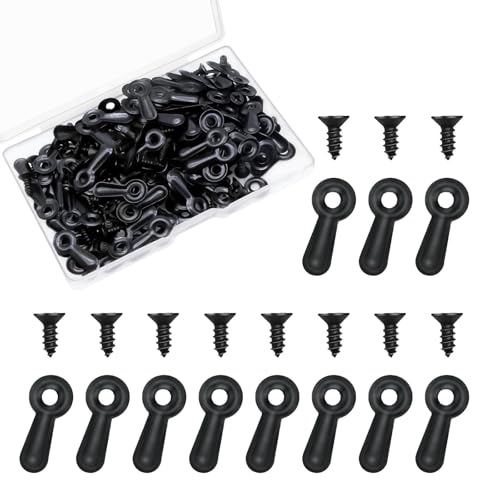
120Pcs Picture Frame Backing Clips,Picture Frame Turn Button with 120 Pcs Screws Photo Frames Hardware Backing Clips to Hold Photo Painting Poster Photograph Frames Back Fasteners Repair Kit
Check price on AmazonFrequently Asked Questions
How do I know if my couch frame is broken or just the cushions?
Remove the cushions and press down on the deck. If the deck feels solid but the couch still sags, the frame or support structure is likely compromised. A wobble test—gently rocking the couch—also helps identify frame movement versus soft cushioning.
Can I repair a couch frame without removing the upholstery?
Sometimes. Minor repairs can be done through the bottom dust cover or by reaching into gaps. However, most structural repairs require access to joints, which means removing at least part of the upholstery or bottom panel.
Is frame repair worth it for an old couch?
It depends on the quality of the frame and upholstery. A solid hardwood frame with good upholstery is usually worth repairing. If the frame is engineered wood and the upholstery is worn, replacement may be the more practical choice.
How long does a frame repair take?
Minor repairs—gluing a crack or tightening joints—can be completed in an afternoon. More extensive repairs, such as replacing a rail or leg, may take a full day or require overnight glue curing.
Can I use metal brackets to reinforce a wooden frame?
Yes. Mending plates and corner braces are excellent for reinforcing repaired joints. Pre-drill holes to avoid splitting the wood, and use screws long enough to bite into solid material.
Final Thoughts
Frame repair is one of the most valuable skills for extending the life of your living room furniture. By identifying problems early, using the right materials, and reinforcing weak points, you can restore a couch's structural integrity and avoid premature replacement. Whether you're fixing a minor creak or rebuilding a broken corner, a thoughtful repair will keep your couch comfortable and safe for years to come.