
Upholstery Repair: Restore Your Couch & Sofa
Discover how to diagnose common upholstery problems, choose the right repair path, and decide when DIY fixes or professional-grade service makes the most sense for your living room investment.
Explore Repair OptionsWhy upholstery repair matters: A quality couch is a long-term investment. Before you consider replacing a piece with a worn cover or a loose seam, understanding repair options can extend its life by years, preserve its comfort, and keep your living room looking polished.
Repair vs. Replace: Making the Right Call
The first question most homeowners ask is whether a couch is worth repairing. The answer depends on three factors: frame integrity, cushion support, and the extent of fabric damage. If the frame is solid and the seat cushions still provide good support, upholstery repair is often the smarter long-term choice. A structurally sound couch can be re-covered or patched many times before it reaches the end of its service life.
On the other hand, if the frame is cracked, the springs are broken in multiple places, or the couch has significant water damage, replacement may be more practical. However, even in those cases, a professional assessment is worthwhile, especially for high-end tier or heirloom pieces where sentimental or design value outweighs the repair effort.
Consider the age of the piece and its position in the market. A mid-range couch with quality hardwood framing is usually a strong candidate for repair. An entry-level model with particleboard construction may not justify extensive professional work. For help understanding how construction quality affects repairability, explore our upholstery couch cushions guide, which breaks down cushion types and replacement options.
If you are still in the research phase and trying to understand your couch's current value and lifespan, our what is a couch article provides a useful foundation on construction and materials.
Common Upholstery Problems and Fixes
Most upholstery issues fall into a handful of categories. Identifying the exact problem helps you choose the right repair method and avoid unnecessary work.
Fabric Wear and Pilling
Friction on seat edges and armrests causes thinning and pilling. Light pilling can be removed with a fabric shaver. Worn areas can be patched with matching fabric or reinforced with a backing panel before the damage spreads.
Seam Splitting
Seams often fail on high-stress areas like cushion corners. A curved upholstery needle and heavy-duty thread can close small splits. Larger failures may require removing the cover and re-sewing the seam with a machine.
Sagging Cushions
Foam compression is common in daily-use couches. Replacing the foam core or adding a high-density support layer restores comfort. For a step-by-step overview, see our upholstery couch cushions resource.
Spring and Webbing Failure
Broken sinuous springs or stretched webbing cause a hammock-like feel. Repair requires opening the bottom dust cover and replacing the damaged support system. This is a mid-tier or professional-grade task depending on frame access.
Frame Cracks and Joint Separation
Wooden frames can crack at stress points. Reinforcing with corner blocks, glue, and screws can restore stability. Severe damage may require replacing frame sections, which is best handled by a professional.
Stains and Discoloration
Surface stains are often treatable with fabric-specific cleaners. For deeper restoration, a full re-cover or professional cleaning may be needed. Always test cleaners on a hidden area first.
How Upholstery Material Affects Repair
The fabric type determines which repair methods work best. Leather, for example, can be patched with leather filler and dye, while woven fabrics often require re-weaving or cover replacement. Performance fabrics may resist stains but still wear at high-friction points.
If you are evaluating whether to repair or replace outdoor cushions, our upholstery fabric for outdoor cushions guide covers weather-resistant options and their repair characteristics. For indoor pieces, understanding the base material helps you choose compatible patching and cleaning products.
Velvet and tweed each have unique repair considerations. Velvet can be revived with steam and careful brushing, while tweed often benefits from re-weaving techniques. Our tweed couch and fabric-focused resources provide context on how these materials age and how to maintain them.
Leather couches require different care. Surface cracks can be filled and recolored, but extensive damage may need panel replacement. Always use leather-specific conditioners to prevent future cracking.
DIY Repair vs. Professional Service
Many cosmetic fixes are within reach of a careful DIYer. Replacing cushion covers, stitching small seam splits, and tightening loose legs are straightforward tasks with basic tools. However, structural repairs, full reupholstery, and complex spring replacements are best left to professionals who have the equipment and experience to avoid further damage.
If you are considering a full re-cover, it is worth understanding the scope of work involved. Our what does it cost to reupholster a couch guide explains the factors that influence the complexity of the job, from fabric choice to frame condition. This helps you evaluate whether a professional quote aligns with the work required.
For smaller projects, such as repairing a single cushion or fixing a loose seam, DIY can be a rewarding and efficient choice. The key is to assess your comfort level with the tools and techniques required, and to stop if the repair begins to affect the structure of the piece.
Repair Tiers: Entry-Level to Professional-Grade
Repair solutions can be grouped into tiers based on complexity, tools required, and the level of skill involved. This classification helps you set expectations and choose the right approach for your couch.
| Tier | Best For | Typical Tasks |
|---|---|---|
| Entry-Level | Minor cosmetic fixes | Fabric shaving, spot cleaning, tightening legs, small seam stitching |
| Mid-Range | Moderate wear and cushion issues | Cushion foam replacement, cover swapping, patching worn areas, webbing tensioning |
| High-End Tier | Structural repairs and partial reupholstery | Spring replacement, frame reinforcement, panel replacement, custom cover fitting |
| Professional-Grade | Full restoration and complex projects | Complete reupholstery, frame reconstruction, leather panel replacement, antique restoration |
Entry-level repairs are suitable for most homeowners and require minimal tools. Mid-range tasks may require some specialty supplies but are still accessible to confident DIYers. High-end and professional-grade work typically involves specialized equipment, such as pneumatic staplers, heavy-duty sewing machines, and frame jigs, which are more common in professional workshops.
When evaluating a repair tier, consider the value of the piece and its construction quality. A premium couch with a solid hardwood frame is often a strong candidate for high-end tier repair, while an entry-level model may be better served by mid-range fixes until replacement becomes the more practical option.
Prevention and Maintenance Tips
Regular maintenance extends the life of your upholstery and reduces the need for major repairs. Vacuum fabric weekly with a soft brush attachment to remove abrasive dust. Rotate and flip cushions monthly to distribute wear evenly. Keep the couch out of direct sunlight to prevent fading and fabric degradation.
For leather, condition every few months to prevent drying and cracking. For fabric, consider a fabric protection spray to repel spills. Promptly blot spills rather than rubbing, which can push stains deeper into the fibers.
If you have pets, use a couch cover or throw to protect high-contact areas. Our waterproof couch cover guide covers options that balance protection with breathability. For outdoor upholstery, weather-resistant covers and proper storage during off-season months are essential.
Address small issues early. A loose seam or a small patch of wear is far easier to fix than a fully split seam or a large tear. Keeping a basic upholstery repair kit, including curved needles, heavy-duty thread, fabric scraps, and a staple gun, allows you to handle minor fixes before they escalate.
Recommended Upholstery Repair Tools & Kits
⚠️ AFFILIATE DISCLOSURE: This website contains affiliate links. As an affiliate Associate, we earn from qualifying purchases. If you make a purchase through these links, we may receive a small commission at no additional cost to you. Read our full affiliate policy.

BAGERLA Upholstery Repair Kit, 50 Pcs Heavy Duty Sewing Kit with 8 Colors Thread 32 Pcs Upholstery Needles, Sewing Awls for Hand Stitching Car Sofa Shoe Backpack Craft DIY
Check price on Amazon
PLANTIONAL Upholstery Repair Sewing Kit, Heavy Duty Sewing Kit, 47PCS | Sewing Kit, Large-Eye Needles, Sewing Awl, Seam Ripper, Sewing Thread, Upholstery Repair, Leather Craft,DIY Crafts, Travel
Check price on Amazon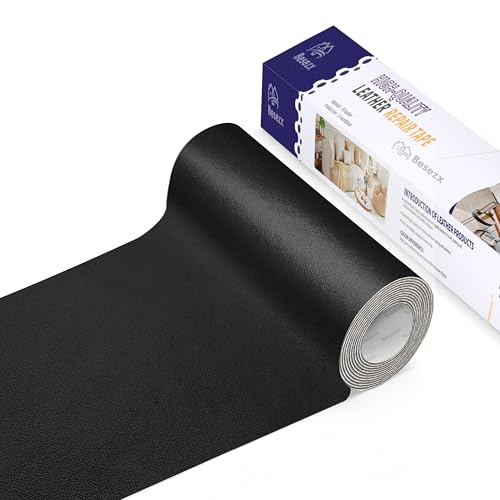
Besezx Leather Repair Patch Tape Kit,Vinyl Repair Kit,Self Adhesive Leather Repair for Furniture, Couch, Sofa, Car Seats,Office Chair.3.1inx60in-Black
Check price on Amazon
Fadoub Leather Repair Patch, Self Adhesive Leather Repair Tape Kit Black | 3x60In Vinyl Repair Kit for Furniture, Couch, Sofa, Office, Car Seats, Car Interior (Black-Fine Grain)
Check price on Amazon
VONEEDL Upholstery Repair Kit: Waxed Sewing Thread (3 Colors) & Heavy Duty Needles (11 PCS) for Leather, Canvas & Quilting Thread
Check price on Amazon
COCONIX Carpet & Fabric Repair Kit for Upholstery, Car Seats, Burns & Holes | Carpet repair, fabric repair, upholstery repair, auto seat burn repair, holes, tears, rugs, sofas, clothing & matching fibers
Check price on Amazon
TYJLII Couch Patch Repair Fabric,6-Piece Self-Adhesive Microfiber Patches,Quick Fix Sofa Chair Car Seat,Furniture,Upholstery Repair Kit. (Dark Brown)
Check price on Amazon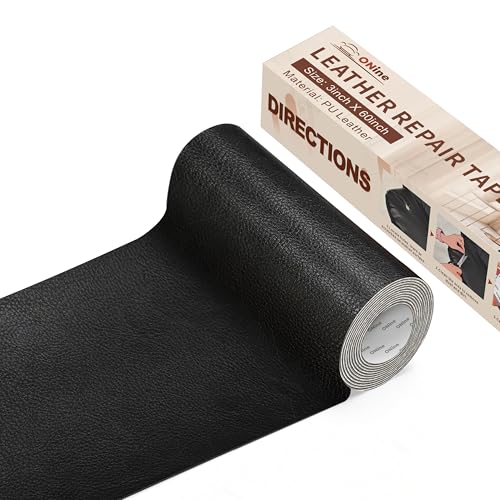
ONine Leather Repair Tape,Self Adhesive Leather Repair Patch,Leather Patches for Furniture,Sofa,Car Seats,Office Chair. Vinyl Repair Kit 3x60in (Black)
Check price on AmazonFrequently Asked Questions
How do I know if my couch needs upholstery repair or replacement?
If the frame is solid and the cushions are supportive, upholstery repair is usually worthwhile. Structural damage like a broken frame or sagging springs may point toward replacement unless the piece holds sentimental value. A professional assessment can help clarify the best path.
Can I repair upholstery myself?
Yes, many cosmetic fixes such as cushion cover replacement, minor seam stitching, and surface cleaning are achievable with basic tools. Frame repair and spring replacement are more complex and often benefit from professional-grade equipment and experience.
How long does professional upholstery repair take?
Turnaround depends on the scope of work and fabric availability. Simple cushion re-covering may take a few days, while full reupholstery with custom fabric orders can take several weeks. Ask your upholsterer for a timeline estimate before committing.
Is it better to repair or replace a leather couch?
Leather couches with surface cracks or localized damage can often be repaired with filler and dye. However, extensive cracking or peeling may indicate the leather has reached the end of its service life. Consider the frame quality and overall comfort before deciding.
What tools do I need for basic upholstery repair?
A basic kit includes a curved upholstery needle, heavy-duty thread, fabric scissors, a staple gun, and a fabric shaver. For cushion work, you may also need high-density foam and a spray adhesive. For structural repairs, additional tools like clamps and corner braces are helpful.