


How to Choose the Right Area Rug Size
Sizing is the single most important decision when buying an area rug. A rug that is too small makes a living room feel disconnected and visually cramped, no matter how beautiful the pattern is. The goal is to create a cohesive seating zone where the rug anchors the furniture rather than floating beneath it.
The most reliable method is to measure your room and your seating arrangement before shopping. Use painter's tape on the floor to outline the rug size you're considering — it gives you an instant visual reference and prevents returns. For a deeper look at how rug sizing interacts with different seating plans, see our living room layout guide.
Standard Area Rug Sizes and Their Best Use Cases
| Rug Size | Typical Room Fit | Furniture Placement | Best For |
|---|---|---|---|
| 5' x 8' | Small living rooms, apartments | Front legs of couch on rug; coffee table centered | Compact seating areas, loveseats |
| 6' x 9' | Mid-size living rooms | Front legs of seating on rug; full coffee table coverage | Two-seat arrangements, apartment sofas |
| 8' x 10' | Standard living rooms | Front legs of all seating on rug; side tables included | Sectionals, standard sofas, conversation zones |
| 9' x 12' | Large living rooms, open plans | All furniture legs on rug with perimeter border | Full seating groups, open floor plans |
| 10' x 14' | Expansive rooms, great rooms | Entire furniture arrangement sits fully on rug | Large sectionals, multiple seating zones |
| Runner (2' x 8' to 3' x 12') | Hallways, behind or beside couch | Parallel to walkways or seating edges | Defining traffic paths, accent layering |
💡 The "Front Legs" Rule
For most living rooms, the front legs of your couch and chairs should rest on the rug, with the coffee table fully on the rug. This grounds the seating area without overwhelming the room. If you have a sectional sofa or four-seater couch, size up to an 8' x 10' or larger to avoid a cramped look.
Matching the Rug to Your Couch and Color Palette
The rug should feel like a natural extension of your seating. Start with your couch as the anchor, then choose a rug that either complements or intentionally contrasts with it. Here are proven approaches by couch color and material:
Rug Pairings by Couch Color
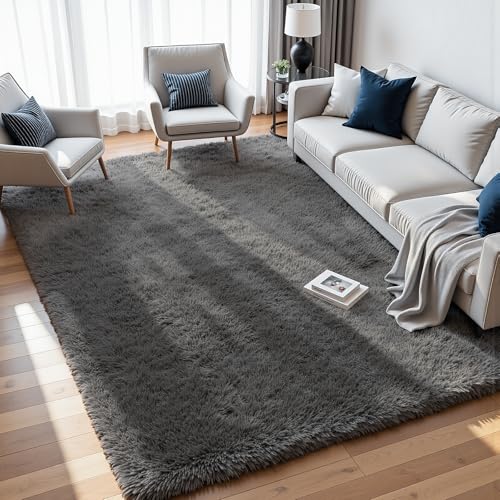
- Grey couch: Warm neutrals like ivory, beige, or soft terracotta balance the cool tone. A subtle geometric pattern in muted gold or blush adds depth without competing. See accent chairs that go with a grey couch for coordinated additions.
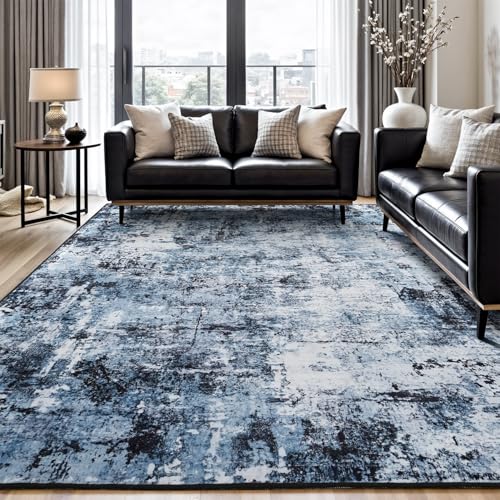
- Brown leather couch: Cool tones — slate grey, navy, muted blue, or sage — create a sophisticated contrast. Avoid rugs too close in tone to the leather. Our guide on area rugs for a brown couch breaks this down further.
- White or cream couch: Richer tones like charcoal, deep blue, or warm pattern blends prevent the room from feeling washed out while remaining elegant.
- Navy or blue couch: Light neutrals, cream patterns, or warm rust accents create a balanced, coastal-inspired look.
- Velvet couch: A textured rug — jute, wool, or a subtle distressed pattern — prevents the room from feeling too glossy or heavy. See velvet sofa guides for style context.
Pattern and Texture Guidelines
If your couch is a solid color, a patterned rug adds visual interest and hides everyday wear. If your couch already features a pattern or strong texture, choose a more subdued rug with subtle variation. Texture — such as a low-pile wool, flat-weave, or subtly distressed finish — is a low-risk way to add richness without visual clutter.
Pair a Solid Couch With
Geometric patterns, vintage-inspired medallions, subtle gradients, or high-texture weaves. The rug becomes the visual focal point of the floor.
Pair a Patterned Couch With
Solid neutrals, tonal textures, or very subtle abstract patterns. Keep the rug quieter so the seating remains the star.
Choosing the Right Rug Material
Material determines durability, comfort underfoot, maintenance requirements, and how the rug ages in your home. The right choice depends on traffic level, pets, children, and how much effort you want to invest in care.
| Material | Durability | Comfort | Best For | Tier |
|---|---|---|---|---|
| Wool | High — naturally resilient | Plush, soft | Living rooms, high-traffic areas | Premium |
| Jute / Sisal | High — durable natural fiber | Firm, textured | Layered rugs, casual spaces | Mid-range |
| Polypropylene | Very high — stain resistant | Moderate | Families, pets, entry areas | Entry-level |
| Cotton | Moderate | Soft, breathable | Light traffic, layering, casual rooms | Essential tier |
| Viscose / Rayon | Low to moderate — delicate | Silky, luxurious | Low-traffic, formal living rooms | High-end tier |
| Wool-Silk Blend | Moderate — luxury care | Very soft, refined | Formal spaces, showpiece rugs | Luxury |
For households with pets or young children, synthetic blends and wool are the most practical choices. Viscose and silk blends offer beautiful sheen but require careful maintenance. If your family has kids or pets, prioritize stain resistance and easy cleaning over delicate luxury fibers.
Rug Placement: Where the Rug Goes in Your Living Room
Placement shapes how the room feels and functions. Follow these placement patterns based on your room size and seating arrangement:
- Front-legs-on-rug: The most versatile and common arrangement. The front legs of the couch and chairs sit on the rug, while the back legs remain on the floor. This works in nearly any room size and keeps the rug proportional to the seating area.
- All-legs-on-rug: Best for large rooms and open floor plans. Every piece of furniture in the seating group sits fully on the rug, creating a clearly defined zone. Ensure at least 6–12 inches of rug border remain around the furniture.
- Floating rug in front of couch: In tight spaces, a smaller rug placed in front of the couch can still anchor the coffee table and add warmth. This works well for small space layouts and apartments.
- Layered rugs: Layer a smaller patterned rug over a larger neutral jute or sisal base. This adds depth and allows seasonal changes without replacing the base rug.
- Runner placement: Use runners to define walkways, flank a couch, or add a visual border between the seating area and adjacent zones.
📏 Clearance Rule
Leave 8–18 inches of bare floor between the rug edge and the wall. This breathing room makes the room feel larger and prevents the rug from looking like wall-to-wall carpet.
Rug Pads and Maintenance
A rug pad is a low-cost addition that significantly extends the life of any area rug. It prevents slipping, protects hard flooring from scratches, adds cushioning underfoot, and reduces friction that causes pile crushing and fiber wear.
- Choose a pad sized 1–2 inches smaller than the rug on all sides.
- Use a felt-and-rubber pad for hard floors and a rubber-grip pad for carpeted surfaces.
- Rotate the rug every 6–12 months to distribute wear evenly.
- Vacuum regularly on a low setting — avoid the beater bar on wool and delicate fibers.
- Spot-clean spills immediately using a clean cloth and appropriate cleaner for the fiber type.
- Use a professional cleaning service every 12–18 months for high-traffic rugs.
Pair a quality rug pad with a couch care and maintenance routine to keep the entire living room looking fresh for years.
Area Rug Style Tiers: A Simple Framework
Rather than focusing on numbers, think about where a rug sits in the market relative to its construction, fiber quality, and craftsmanship. This tier system helps you compare options consistently:
- Entry-level: Machine-made synthetic rugs with straightforward patterns. Solid for family rooms, rentals, and casual spaces where easy cleaning matters most.
- Mid-range: Better synthetic blends or natural fibers like jute. Improved density, pattern detail, and longevity. A strong balance for everyday living rooms.
- Premium: Hand-tufted or higher-density machine-made wool rugs. Noticeably softer underfoot and more durable over time. A worthwhile long-term investment for primary living spaces.
- High-end tier: Hand-knotted or finely woven wool and wool-blend rugs. Greater pattern intricacy and refined texture. Best suited to lower-traffic or formal rooms.
- Luxury: Silk blends and artisan-made rugs with exceptional fiber quality. Treated as statement pieces in curated interiors.
Within any tier, look for tight, dense construction, straight edges, and clear pattern detail. A well-made rug in a lower tier often outlasts a poorly made rug in a higher one. For couch comparison context, our couch types guide uses similar framing.
Frequently Asked Questions About Area Rugs
What size area rug should I use under a standard sofa?
For a standard sofa, an 8' x 10' or 9' x 12' area rug works well. The front legs of the sofa should sit on the rug, with enough space extending forward for the coffee table and foot traffic.
How do I match an area rug with a brown leather couch?
Cool tones such as grey, navy, or muted blue pair beautifully with brown leather. Neutral patterns with subtle contrast also work well. Avoid rugs that are too similar in color to the leather, which can make the room look flat.
Should an area rug go under or in front of a couch?
The most common approach is to place the front legs of the couch on the rug, creating a grounded look. In larger rooms, the entire seating arrangement can sit on the rug. In small rooms, a rug placed in front of the couch still defines the space effectively.
What are the best materials for high-traffic living rooms?
Wool, jute, and synthetic blends such as polypropylene are excellent for high-traffic areas. They resist crushing, clean more easily, and hold up well over time. Flat-weave and low-pile constructions are also durable choices.
Do I need a rug pad under an area rug?
Yes. A rug pad protects your flooring, prevents slipping, adds cushioning, and extends the life of the rug by reducing friction and wear.
Can I use an area rug over carpet?
Yes. Use a rubber-grip pad designed for carpet-to-carpet use. Layering a patterned rug over neutral wall-to-wall carpet is a common way to define a seating zone and add visual interest without replacing the existing flooring.
How do I style an area rug with throw pillows and a coffee table?
Center the coffee table on the rug, then add throw pillows that pull one or two colors from the rug pattern. This creates visual harmony between the seating and the floor. A coffee table with a clear or open base keeps the rug visible and prevents the room from feeling heavy.