
Cushion Repair: Restore Comfort, Shape & Support
Discover how to fix sagging, torn, and worn couch cushions with practical step-by-step methods. From foam replacement to seam stitching, this guide helps you extend the life of your sofa with confidence.
Start the Repair GuideWhy cushion repair matters: Cushions are the most-used part of any couch, and they wear out long before the frame does. Repairing them is a smart, sustainable alternative to replacing an entire sofa — and with the right approach, your seating can feel supportive and look refreshed again.
Understanding Cushion Wear
Couch cushions fail in predictable ways. Recognizing the type of wear helps you choose the right repair method instead of guessing. Most cushion problems fall into three categories:
- Foam compression: The inner foam loses resilience, causing sagging and flattening. This is the most common issue on seat cushions used daily.
- Cover damage: Seams split, fabric tears, or zippers break. Fabric wear often accelerates along high-friction edges and corners.
- Structural issues: Broken zipper tracks, deteriorated batting wrap, or degraded cushion core support layers.
Before repairing, inspect the cushion core and cover separately. Sometimes only the foam insert needs replacing, while the cover remains in good condition — and sometimes a simple seam repair saves an otherwise solid cushion. If the damage extends to the frame or upholstery beyond the cushion, consider broader restoration such as reupholstering a couch.
Step-by-Step Cushion Repair Guide
1Diagnose the Cushion Problem
Remove the cushion from the couch and unzip the cover. Separate the foam core from the batting wrap. Check whether the foam has lost height, crumbles at the edges, or feels soft in the center. Also inspect the cover for split seams, thin fabric, or broken zippers. This diagnosis determines whether you need a foam replacement, a cover repair, or both.
2Replace Sagging Foam
Measure the existing foam insert's length, width, and thickness. Choose a replacement foam in the mid-range to premium tier for seat cushions — high-density foam holds shape longer than entry-level foam. Cut the new foam slightly larger than the cover to ensure a snug fit, then wrap it in batting if the original had a batting layer. Reinsert the foam and zip the cover closed.
3Repair Torn Seams and Fabric
For split seams, turn the cover inside out and stitch along the original seam line using heavy-duty upholstery thread and a ladder stitch. For surface tears, use an iron-on fabric patch or a matching fabric patch adhered with fabric glue. Press the repair flat and allow it to cure before reinstalling the cushion. For larger fabric damage, consider patching a couch for a durable, blended finish.
4Restore Cushion Shape and Support
If the foam is only mildly compressed, add a thin layer of high-density foam or a foam topper inside the cover to restore loft. Rotate and flip cushions regularly to distribute wear evenly. For cushions with a down or fiber fill, refresh the fill by fluffing and adding a small amount of new fill material through the zipper opening.
5Upgrade the Cover When Needed
If the fabric is thin or heavily worn, replace the cover entirely. Measure the cushion dimensions and choose a couch cushion cover replacement with a secure zipper and durable fabric. A fresh cover protects the new foam and instantly refreshes the sofa's appearance.
6Prevent Future Cushion Wear
Apply a fabric protector to repels spills and slows staining. Rotate cushions every few months and vacuum seams regularly to remove grit that abrades fabric. If you have pets, consider a fabric and upholstery protector to extend the life of both the cover and the foam. For minor surface damage, a repair kit or leather couch patching technique keeps the material intact.
Repair vs. Replace: Choosing the Right Path
| Scenario | Best For | Recommended Approach |
|---|---|---|
| Foam compressed, cover intact | Daily-use seat cushions | Replace foam insert only |
| Seam split, fabric still strong | Loveseats and occasional seating | Stitch seam, add fabric patch |
| Fabric worn at edges | High-traffic family sofas | Replace cover with durable replacement |
| Zipper broken, cover good | Older couches with quality upholstery | Replace zipper or use a slipcover |
| Foam and cover both worn | Long-term restoration | Replace foam and cover together |
Materials and Tools for Cushion Repair
Gather these essentials before starting so the repair process goes smoothly:
- High-density foam replacement or foam topper
- Heavy-duty upholstery thread and needles
- Fabric patches or iron-on repair tape
- Fabric glue or adhesive spray
- Scissors, measuring tape, and marker
- Batting wrap (optional for added softness)
- Fabric protector spray for post-repair protection
For cushions with removable covers, a cushion cover with a zipper makes future cleaning and replacement much easier. Pairing a new cover with a fresh foam insert gives you a cushion that feels and looks new.
Common Cushion Repair Mistakes to Avoid
- Using low-density foam for seat cushions: It compresses fast, undoing your repair within months.
- Over-stuffing the cover: Excess foam strains seams and causes new tears.
- Skipping the batting wrap: Without it, the foam rubs against the fabric and wears through faster.
- Ignoring the frame: If the base support is broken, even a new cushion will sag. Check the deck and springs first.
- Using the wrong thread: Standard sewing thread breaks under cushion pressure; upholstery thread is essential.
Ready to Refresh Your Cushions?
Explore our recommended cushion repair supplies and sofa care essentials to restore comfort and support today.
Explore Repair OptionsRelated Guides on CouchFocus
Recommended Cushion Repair Supplies
⚠️ AFFILIATE DISCLOSURE: This website contains affiliate links. As an affiliate Associate, we earn from qualifying purchases. If you make a purchase through these links, we may receive a small commission at no additional cost to you. Read our full affiliate policy.

Gheeidau Linen Repair Tape 4x70 Inch Self-Adhesive Couch Patch Repair Fabric Patch for Furniture,Sofas,Cushion,Chairs,Bags,Linen Goods(Grey)
Check price on Amazon
GoTo Foam 2" Height x 24" Width x 72" Length 43ILD (Firm) Upholstery Cushion Made in USA
Check price on Amazon
Spongiduits Couch Cushion Support for Sagging Seat, 20"x20"x2" 40D High Density Curved Foam Sofa Cushion Support, Under-Cushion Sag Repair,Grey Set of 3
Check price on Amazon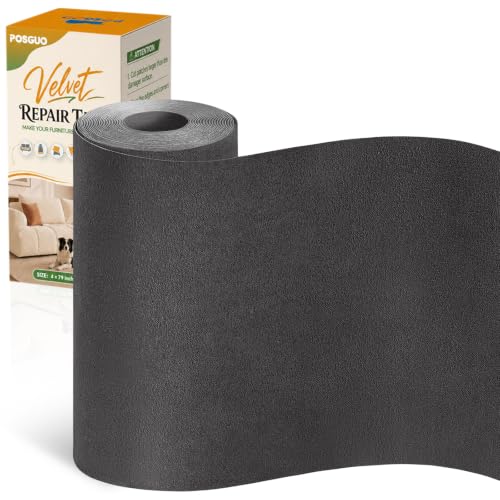
Self Adhesive Couch Patch Repair Fabric Velvet Tape Dark Gray, 4x79 Inch | Fabric Repair Tape for Sofa, Quick Furniture Repairs, Microfiber Upholstery Patches for Car Seat Chair Recliner Bag Carpet
Check price on Amazon
KING MOUNTAIN Canvas Repair Tape,Outdoor Gear Patch, 4×63 Inches,Waterproof,Self-Adhesive for Repairing Boat Covers,Sun Shades,Sofas,Tents,Lounge Chairs,Awnings (Black)
Check price on Amazon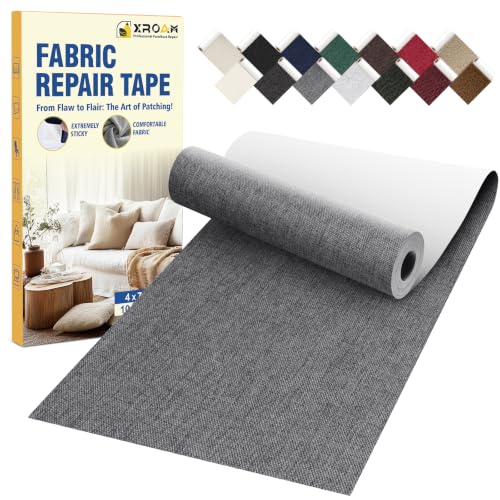
Xroam Self Adhesive Linen Fabric Repair Tape Kit, 4"x79" Upholstery Tape | Dark Grey Couch Patch Repair Fabric Patches for Furniture, Sofa, Cushion, Chair, Pillow, Carpet, Car Seat
Check price on Amazon
BAGERLA Upholstery Repair Kit, 50 Pcs Heavy Duty Sewing Kit with 8 Colors Thread 32 Pcs Upholstery Needles, Sewing Awls for Hand Stitching Car Sofa Shoe Backpack Craft DIY
Check price on Amazon
LAVEVE Heavy Duty Couch Cushion Support Board for Sagging Sofa, 21.5''x70'' | Extra Thick Solid Wood Under Couch Insert with Anti-Slip Dots, Repair Sagging Spring Sofa and Replace Worn Cushions
Check price on AmazonFrequently Asked Questions
Can sagging couch cushions be repaired instead of replaced?
Yes. Most sagging cushions are caused by compressed or degraded foam. Replacing the foam insert or adding a high-density foam topper inside the existing cover restores shape and support at a fraction of the cost of a new sofa.
How do I repair a torn couch cushion seam?
Turn the cover inside out, align the seam edges, and use a ladder or backstitch with heavy-duty upholstery thread. For small tears on the surface, a fabric patch or iron-on repair tape can seal the opening without removing the cover.
What foam density is best for cushion repair?
High-density foam in the mid-range to premium tier (typically 2.5 to 3 lbs per cubic foot) offers the best balance of support and longevity for seat cushions. Entry-level foam compresses faster and may need replacing sooner.
How often should couch cushions be replaced or repaired?
Inspect cushions annually. Foam typically needs replacement every 5 to 8 years depending on use and quality tier, while covers can last longer with proper cleaning and occasional seam repairs.
Do I need to replace the cover when replacing the foam?
Not always. If the cover is still strong and free of tears, you can reuse it with a new foam insert. Replace the cover only when the fabric is thin, stained beyond cleaning, or structurally worn.