
Reupholster a Couch: A Complete Guide to Reviving Your Sofa
Give your favorite couch a second life with professional-grade reupholstery techniques. From fabric selection and frame inspection to cushion repair and final detailing, here is everything you need to know before you start.
START THE GUIDECouchFocus Philosophy: Reupholstering a couch is one of the most rewarding furniture projects a homeowner can take on. Instead of sending a structurally sound sofa to the landfill, you preserve a piece with proven comfort and replace only the worn outer layer. When approached methodically, the result is a couch that looks and feels like new — often with better fabric than the original.
Why Reupholster Instead of Replace?
Most couches fail from the outside in. Fabric fades, stains, and tears long before the hardwood frame, sinuous springs, or reinforced corner blocks give out. That gap between fabric failure and structural failure is exactly where reupholstery makes the most sense. A well-built frame can outlast three or four fabric lifetimes, which makes re-covering a long-term investment rather than a short-term patch.
Reupholstery also gives you design freedom that retail shopping rarely offers. You can choose a performance fabric engineered for pets and children, match a specific wall color, or restore a vintage silhouette that no current retailer produces. For households that value sustainability, keeping a proven frame in service avoids the substantial waste associated with manufacturing and shipping a new piece of furniture.
Before committing, confirm that the frame is solid hardwood or high-grade plywood, the joints are tight, and the overall dimensions suit your room. If the frame is particleboard, wobbly, or shows water damage, replacement is the better path. For guidance on structural repairs alongside re-covering, see our notes on patching a couch and cushion repair.
The Reupholstery Process, Step by Step
Professional upholsterers follow a consistent sequence that minimizes wasted fabric and ensures clean seams. The steps below reflect that workflow in a form that a careful first-time DIYer can follow. Work in a well-ventilated space with a large drop cloth, and photograph every stage before you remove anything.
-
Assess the Frame and Springs First
Flip the couch and inspect the frame rails, corner blocks, and spring system. Tighten or replace loose screws, reinforce weak corner joints with wood glue and dowels, and check sinuous springs for sagging. If the deck needs rebuilding, do it now — replacing the deck after new fabric is installed is far more difficult. This is also the moment to address any leather patching or structural repairs if your piece has mixed materials.
-
Document and Strip the Old Fabric
Take clear photos of every panel before removal, especially pleats, piping, and channel tufting. Use a staple remover or a flathead screwdriver to lift staples, then pull fabric away in one piece where possible. Keep the removed panels flat and label them as templates — they are your most accurate pattern reference. Preserve the old piping or welt cord as a sample for matching new trim.
-
Inspect and Replace Foam and Batting
With the fabric removed, evaluate cushion foam and batting. Compressed or crumbling foam should be replaced with high-resilience foam rated for seat use. Add a fresh layer of polyester batting over the foam for a smooth, rounded profile. For deep seats or damaged cores, our cushion repair guide covers foam density selection and shaping techniques in detail.
-
Select and Prepare the Fabric
Choose a fabric rated for upholstery, not drapery or apparel. Confirm the double-rub count, check whether the pattern has a repeat that requires extra yardage, and pre-wash or pre-shrink natural fibers where the manufacturer allows. Lay the fabric flat for at least 24 hours so it relaxes before cutting. If you are refreshing only the cushions rather than the full cover, couch cushion cover replacement is a lighter alternative.
-
Cut New Panels Using the Old Fabric as Templates
Trace each old panel onto the new fabric, aligning the pattern repeat and grain direction. Add a consistent seam allowance — typically 1 inch — around every edge. Cut slowly and mark the back side of each panel with its position. Pattern matching across seams and centered motifs on seat cushions are the details that separate a professional-looking result from a rushed one.
-
Staple and Attach in the Correct Order
Start with the inner back, then the inner arms, seat deck, outside arms, and outside back. Pull fabric taut in small sections and staple every 1 to 2 inches along the frame. Work from the center outward to distribute tension evenly and avoid wrinkles. Trim excess fabric as you go, and keep staples away from visible edges where they might tear through the fabric over time.
-
Add Piping, Welting, and Final Trim
Attach new welt cord or piping along seams, cushion edges, and the front rail to create crisp definition. Use a zipper foot on your sewing machine for clean piping seams, or purchase premade welt cord for a quicker finish. Finish the bottom edge with a dust cover stapled and folded neatly, then attach the feet and any hardware.
-
Detail, Protect, and Reassemble
Vacuum the new fabric, steam lightly to relax any creases from shipping folds, and apply an upholstery protector such as Scotchgard fabric and upholstery protector once the fabric has settled. Reattach cushions, verify that all staples are fully set, and test the seat for comfort. Allow the couch to rest for a day before heavy use so the batting and foam settle evenly.
Pro tip: Keep a running tally of staples you remove versus staples you install. A professional reupholstery job uses a surprisingly high number of staples per panel — typically 60 to 100 on a single seat cushion edge. Fewer staples are the most common cause of sagging fabric within the first year.
Choosing the Right Upholstery Fabric
Fabric choice determines how the couch performs for the next decade. Upholstery-grade textiles are rated by double rubs — a measure of abrasion resistance. As a general rule, 15,000 double rubs suits light use in a formal living room, 25,000 suits everyday family use, and 30,000 or more is appropriate for heavy-duty households with pets and children. The table below maps common fabric families to their best-fit scenarios using tier descriptors rather than any numeric market positioning.
| Fabric Family | Durability Tier | Best For | Notes |
|---|---|---|---|
| Performance Acrylic | Top-tier | Pets, kids, sun-exposed rooms | Solution-dyed for fade and stain resistance; excellent color retention. |
| Microfiber | High-end tier | Busy family rooms | Dense weave resists spills; soft hand; easy to clean with water-based methods. |
| Tight-Weave Polyester Blend | Mid-tier | General household seating | Balanced durability and texture; broad color range; resists pilling. |
| Cotton-Linen Blend | Mid-tier | Formal or relaxed living rooms | Natural texture; requires pre-shrinking; best with a protector applied. |
| Wool Blend | High-end tier | Cold climates, classic interiors | Naturally resilient and flame-resistant; premium feel with a tailored look. |
| Velvet (Cotton or Synthetic) | Mid-tier to high-end tier | Accent seating and statement rooms | Rich pile; requires directional cutting and careful steaming; see our zippered cushion cover options for easy refresh. |
Whatever family you choose, confirm that the fabric is labeled for upholstery use and check the back for a cleaning code — W for water-based cleaners, S for solvent-based only, and WS for either. Mixing cleaning methods with the wrong code is the fastest way to ruin new fabric. If you are covering a reclining model, our couch covers for recliners guide explains how to handle articulation points without binding the fabric.
Tools and Materials You Will Need
Gathering the right tools before you start saves hours of backtracking. The essentials fall into a few categories: fabric handling, fastening, sewing, and comfort materials.
- Fabric handling: Long metal ruler, fabric shears, rotary cutter, chalk markers, and a large flat work surface.
- Fastening: Pneumatic or manual staple gun with upholstery staples in 1/4, 3/8, and 1/2 inch lengths, a staple remover, and a magnetic tack hammer.
- Sewing: Heavy-duty sewing machine with a walking foot or upholstery foot, upholstery thread, zipper foot, and premade welt cord.
- Comfort materials: High-resilience foam, polyester batting, dacron wrap, and a spray adhesive rated for foam.
- Protection: Nitrile gloves, safety glasses, knee pads, and a well-ventilated work area.
If your couch is a sleeper or has a pull-out mechanism, inspect the mechanism before covering it. Our guides on couch with chaise and pull-out bed and camper couch with pull-out bed explain how to sequence fabric around moving parts so the mechanism stays accessible.
Reviving Cushions Without Full Reupholstery
Not every couch needs a full strip-down. If the body fabric is sound but the seat cushions look tired, a targeted cushion refresh delivers most of the visual improvement with a fraction of the effort. Replacement covers with zippers, new foam cores, or a fresh layer of batting can transform the sitting experience.
Start by measuring each cushion precisely — length, width, depth, and corner radius. Foam cores should be cut 1/4 inch larger than the cover opening so they fill the corners fully. For deep-seat models or oversized backs, our guide to a large pillow for couch explains how to size and fill back cushions that have gone flat. If the cushion zippers are broken but the fabric is still good, couch cushion cover replacement walks through matching and installing new covers.
Recommended Upholstery Tools & Fabric Supplies
⚠️ AFFILIATE DISCLOSURE: This website contains affiliate links. As an affiliate Associate, we earn from qualifying purchases. If you make a purchase through these links, we may receive a small commission at no additional cost to you. Read our full affiliate policy.

BONAIER Leather Repair Patch 17X79 inch Large Self-Adhesive Leather Repair Tape Kit, Reupholster Leather Patches for Furniture Couch Chairs Car Seat (Black, 17x79 inch)
Check price on Amazon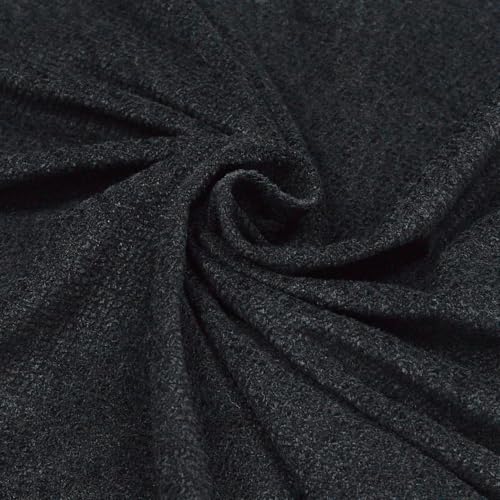
Surf turtle Black Short Pile Thick Upholstery Fabric, 60" Wide, 1 Yard | Plush,Soft and Durable,Cat Scratch Proof Material for Sofa,Chair, Couch Cover, DIY Sewing, Craft Projects
Check price on Amazon
House2Home Chair Upholstery Webbing, 70% Stretch Repair Roll, 3" | Reupholster sofas or add couch support straps for sagging seats
Check price on Amazon
TinaKim Upholstery Fabric for Furniture, Faux Linen Type Cloth Material, DIY Chair Sofa Couch Reupholster (Blue Grey, 2 Yard)
Check price on Amazon
Leather Repair Patch 17X79 inch Large Self-Adhesive Leather Repair Tape, Reupholster Leather Patches for Furniture Couch Chairs Car Seat (Smooth Weave Brown, 17x79 inch)
Check price on Amazon
Leather Repair Patch 17X79 inch Large Self-Adhesive Leather Repair Tape, Reupholster Leather Patches for Furniture Couch Chairs Car Seat (Beige, 17x79 inch)
Check price on Amazon
Leather Repair Patch, 17x79 inch Large Self-Adhesive Leather Repair Tape, Large Reupholster Leather Patches for Furniture Couch Chairs Car Seat (Red Brown, 17x79 inch)
Check price on Amazon
Leather Repair Patch, Self-Adhesive Leather Repair Tape, Large Reupholster Leather Patches for Furniture Couch Chairs Car Seat (Dark Red, 17x158 inch)
Check price on AmazonTimeline and Practical Planning
A first-time DIY reupholstery project on a standard three-seat sofa typically takes two to four full working days spread across a week or two. Professional upholsterers usually complete a standard sofa in three to five business days. Sectionals, tufted backs, and slipcovered pieces take longer because pattern matching and seam work multiply.
Plan your fabric yardage conservatively. A standard three-seat sofa generally needs 14 to 20 yards of 54-inch-wide fabric, a loveseat needs roughly 10 to 14 yards, and a large sectional can require 25 yards or more. Always add 15 to 20 percent extra for pattern repeat, seam allowances, and cutting errors. If you are unsure, ask a professional upholsterer for an exact estimate before you buy.
For households considering a lighter alternative, the couch setup for a small living room guide shows how slipcovers and modular arrangements can bridge the gap until a full reupholstery project is feasible. And if you are weighing reupholstery against a new purchase, our comfortable couches for small apartments comparison helps frame the trade-offs.
When to Hire a Professional Upholsterer
DIY reupholstery is achievable for simple, boxy couches with straightforward seams. Hire a professional when the piece has channel tufting, diamond tufting, curved arms, or a tight seat with complex piping. The same applies to antique frames, leather upholstery, and any couch with a sleeper mechanism that must be removed and reinstalled precisely.
A professional upholsterer brings pattern-matching judgment, industrial sewing equipment, and a staple gun that sets hundreds of staples per minute at consistent tension. For pieces with sentimental value or unusually shaped cushions, the professional result is usually worth the added cost compared with the risk of a misfit DIY cover. If you are refreshing a leather couch instead of fabric, the techniques in our leather patching guide are the right starting point.
Frequently Asked Questions
How long does it take to reupholster a couch?
A first-time DIY reupholstery project typically takes two to four full days spread across a week or two. A professional upholsterer can usually complete a standard sofa in three to five business days. Complex sectionals or tufted designs may require additional time for pattern matching and detailing.
Is it worth reupholstering an old couch?
Reupholstery is worthwhile when the couch frame is solid hardwood, the joints are tight, and the overall shape suits your space. A quality frame can outlast several fabric lifetimes, making reupholstery a long-term investment. If the frame is particleboard, wobbly, or water-damaged, replacement is usually the better path.
What fabric is best for reupholstering a couch?
Performance fabrics such as solution-dyed acrylic, tight-weave polyester blends, and microfiber offer excellent durability for busy households. For a premium look, cotton-linen blends and wool blends perform well. Always check the double-rub count: 15,000 for light use, 25,000 for everyday family use, and 30,000 or more for heavy-duty performance.
Can I reupholster a couch without removing the old fabric?
Slipcovers can be placed over existing upholstery as a quick refresh, but true reupholstery requires stripping the old fabric. Leaving old fabric in place can trap moisture, hide frame damage, and create bulky, uneven seams. For a professional result that lasts, stripping to the frame is the recommended approach.
How do I estimate how much fabric I need?
A standard three-seat sofa typically needs 14 to 20 yards of 54-inch-wide fabric. Loveseats need roughly 10 to 14 yards, and large sectionals can require 25 yards or more. Always add 15 to 20 percent extra for pattern matching, seam allowances, and cutting errors. A professional upholsterer can give you an exact yardage estimate for your specific piece.
Final Thoughts
Reupholstering a couch is a project that rewards preparation. Inspect the frame honestly, document every panel before removal, choose a fabric that matches both your lifestyle and your cleaning habits, and give yourself more time than you think you need. Whether you tackle the project yourself or hand it to a professional upholsterer, a freshly covered couch delivers the comfort of a proven frame with the look of a brand-new piece — and keeps a good piece of furniture out of the waste stream in the process.