Your Ultimate Fabric Cleaning Guide
Fabric sofas are beloved for their comfort, variety, and warmth. However, they require proper care to stay looking their best. Whether you have a fabric sofa or a performance fabric model, understanding the right cleaning methods is crucial. This guide will walk you through the essentials, from decoding cleaning codes to treating tough stains and maintaining your upholstery long-term.
Pro Tip: Always check your sofa's care tag before cleaning. The manufacturer's code (W, S, WS, or X) determines which cleaning method is safe for your fabric. Using the wrong method can cause permanent damage.
1. Understanding Fabric Cleaning Codes
Before you start cleaning, locate the care tag on your sofa (usually under the cushions or on the frame). The code tells you exactly how to clean your fabric:
- W – Water-based cleaner (steam or foam) is safe.
- S – Solvent-based (dry-clean only) cleaner required.
- WS – Both water-based and solvent-based cleaners are safe.
- X – Vacuum only; no liquid cleaners. Professional cleaning recommended.
If you're unsure about your sofa's fabric type, consult our material selection guide or check with the manufacturer.
2. Routine Fabric Cleaning & Maintenance
Prevention is better than cure. Regular maintenance keeps your fabric sofa looking new and reduces the need for deep cleaning. Here's what to do:
3. How to Remove Stains from Fabric Sofas
Accidents happen, but quick action can save your upholstery. Here's a step-by-step approach to common stains:
- Food & Drink Spills: Blot immediately with a clean, dry cloth. Do not rub – it pushes the stain deeper. For water-safe fabrics, use a mixture of mild dish soap and warm water, apply with a sponge, and blot dry.
- Pet Stains: Blot up as much as possible, then use an enzyme-based cleaner designed for pet stains. Always test on a hidden area first. Our pet stain removal guide offers more detailed advice.
- Oil & Grease: Sprinkle baking soda or cornstarch on the stain, let it sit for 15 minutes to absorb oil, then vacuum. Follow up with a solvent-based cleaner if needed (for S or WS fabrics).
- Ink & Dye: Dab with rubbing alcohol using a cotton swab, but be very careful – this can damage some fabrics. For delicate fabrics, consult a professional.
For comprehensive stain removal techniques, visit our stain removal hub.
4. Deep Cleaning Methods for Fabric Sofas
Depending on your fabric type, you can choose from several deep-cleaning methods:
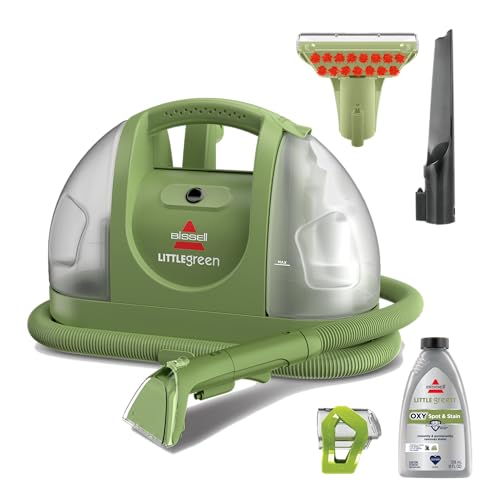
- Steam Cleaning (for W fabrics): Use a steam cleaner with an upholstery attachment. The high-temperature steam sanitizes and removes dirt without harsh chemicals. Follow the machine's instructions and allow the sofa to dry completely (usually 4-6 hours).
- Dry Cleaning (for S fabrics): Use a solvent-based upholstery cleaner. Apply with a sponge or cloth, work into the fabric, and let it dry. Ventilate the room well.
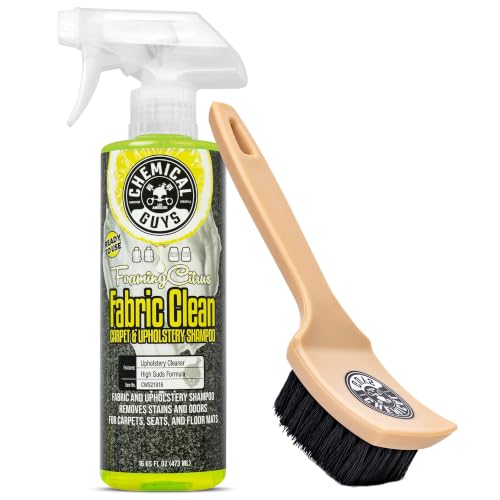
- Foam Cleaning (for WS fabrics): This is a gentler option. Use a foam upholstery cleaner, apply with a brush, and vacuum once dry.
- Professional Cleaning: For valuable or delicate sofas, or if you're unsure about the process, hire a professional upholstery cleaner. It's a worthwhile investment to extend the life of your couch.
Learn more about specific cleaning methods in our steam cleaning and dry cleaning guides.
5. Caring for Different Fabric Types
Not all fabrics are the same. Here are tailored tips for common upholstery materials:
- Velvet Sofas – Brush regularly with a soft bristle brush to maintain the pile. Use dry cleaning solvent only. Water can damage the texture.
- Performance Fabric Sofas – These are designed to be durable and stain-resistant. Most are water-safe, but always check the code. They can often be spot-cleaned with mild soap and water.
- Leather Sofas – While not fabric, leather requires conditioning. See our leather cleaning guide for specific care.
- Cotton & Linen Blends – These natural fibers are prone to shrinking. Water-based cleaning should be done sparingly. Professional dry cleaning is often safest.
6. Common Fabric Cleaning Mistakes to Avoid
- Over-wetting – Too much water can cause mold, mildew, and shrinkage. Always use minimal moisture and dry quickly.
- Rubbing stains – This spreads the stain and damages fibers. Always blot.
- Using harsh chemicals – Bleach, ammonia, or strong detergents can discolor or degrade fabric. Stick to recommended cleaners.
- Ignoring the care tag – This is the single most important rule. The code tells you exactly what's safe.
- Skipping the test spot – Always test any cleaner on an inconspicuous area first to check for colorfastness.
7. Maintaining Your Fabric Sofa Long-Term
Beyond cleaning, everyday habits can keep your sofa looking great:
- Rotate and flip cushions regularly to distribute wear.
- Use armrest covers or throws to protect high-contact areas.
- Keep your sofa out of direct sunlight to prevent fading – see our sun damage prevention tips.
- Address spills immediately – the longer a stain sits, the harder it is to remove.
Ready to clean your fabric sofa? With the right knowledge and tools, you can keep your couch looking fresh for years. For more detailed advice, explore our complete couch care section or browse our recommended products below.