
Mold & Mildew Treatment for Couches
Discover how to identify, treat, and prevent mold and mildew on upholstery. Our complete guide covers safe removal methods for fabric, leather, and velvet couches, plus long-term prevention strategies to protect your investment.
Start the GuideWhy This Matters: Mold and mildew don't just damage your couch — they can affect indoor air quality and trigger allergies or respiratory issues. Acting quickly with the right treatment protects both your furniture and your family's health. This guide walks you through every step, from identifying the problem to preventing its return.
Recommended Mold & Mildew Treatment Products
⚠️ AFFILIATE DISCLOSURE: This website contains affiliate links. As an affiliate Associate, we earn from qualifying purchases. If you make a purchase through these links, we may receive a small commission at no additional cost to you. Read our full affiliate policy.
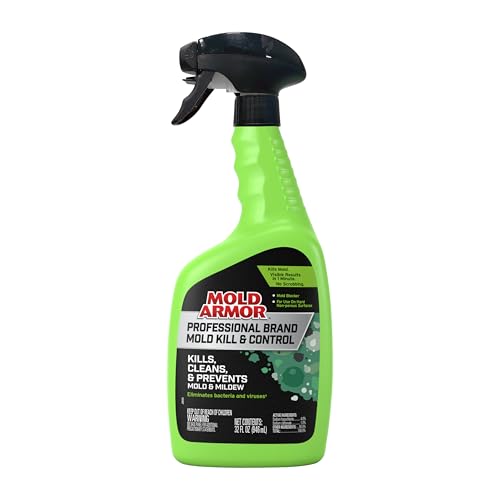
MOLD ARMOR Professional Brand Mold Kill & Control Spray, 32 oz., Hard Surface Mold and Mildew Remover, Visible Results in Minutes, Eliminates Bacteria and Viruses
Check price on Amazon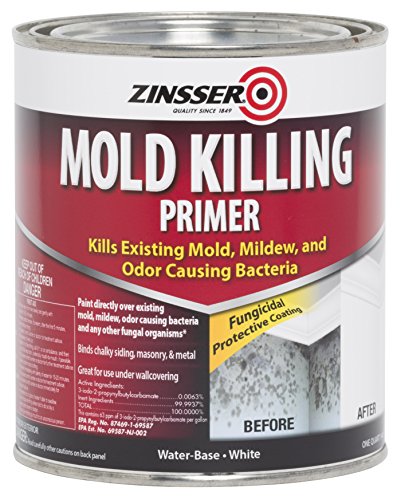
Zinsser Mold Killing Primer, Quart | Zinsser Mold Killing Primer, Quart. Antimicrobial primer kills & blocks mold, mildew & odor-causing bacteria on interior.
Check price on Amazon
RMR-86 Pro Contractor Grade Mold Stain & Mildew Stain Remover Cleaning Solution, Professional Quality Formula, 1 Gallon
Check price on Amazon
Concrobium Mold Control Aerosol, 14.1 Oz | Eliminates existing mold and helps prevent regrowth; EPA Registered, bleach-free, odorless formula works on multiple surfaces
Check price on Amazon
RMR Complete Mold & Mildew Stain Eraser System – No-Scrub Tub & Tile Cleaner + Instant Mold & Mildew Stain Remover Spray, Indoor/Outdoor Bathroom, Shower, Siding, & Deck Cleaning Kit, 2–32 Oz Bottles
Check price on Amazon
Vital Oxide Disinfectant, Deodorizer, Cleaner, Food-Contact Sanitizer, Virucide – (EPA registration #82972-1) – Kills Mold & Mildew, Eliminates Odors -1 Gallon
Check price on Amazon
Earthworm Mold Stain and Mildew Stain Treatment - Natural and Family-Safe - 22 oz
Check price on Amazon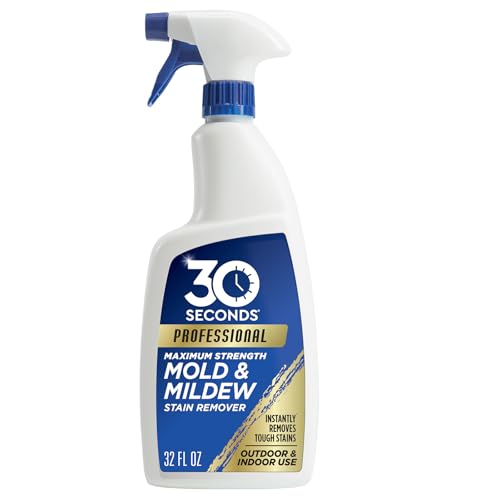
30 SECONDS Pro Mold & Mildew Stain Remover and Multipurpose Cleaner 32 Oz | Scrub-Free Formula, mold and mildew remover, mildew removal spray, mold killer, mold spray
Check price on AmazonUnderstanding Mold & Mildew on Upholstery
Mold and mildew are fungi that thrive in damp, warm, and poorly ventilated environments. On couches, they feed on organic materials found in fabric fibers, foam padding, and even dust particles trapped in the upholstery. Mildew typically appears first as a powdery, white or gray film on the surface, while mold presents as darker patches — often black, green, or brown — that can penetrate deeper into the material.
The distinction matters for treatment. Mildew is generally easier to remove since it stays on the surface. Mold, however, can send roots into foam and fabric backing, making complete removal more challenging. If you're also dealing with general upholstery cleaning needs, our guide on dry cleaning upholstery covers professional methods worth considering for delicate fabrics.
Common causes of couch mold include:
- High indoor humidity — consistently above 60% creates ideal growing conditions
- Water damage — spills, leaks, or flooding that aren't thoroughly dried
- Poor ventilation — couches pushed against walls or in closed rooms trap moisture
- Basement or storage placement — damp environments accelerate fungal growth
- Wet upholstery cleaning — insufficient drying after shampooing or steam cleaning
⚠️ Health Warning: If you or family members have allergies, asthma, or compromised immune systems, take mold on upholstery seriously. Airborne spores can circulate throughout your home. For extensive growth, consider professional remediation rather than DIY treatment.
Step-by-Step Mold & Mildew Treatment
Follow these steps in order for the safest and most effective results. Work in a well-ventilated area and wear protective equipment — gloves, a mask, and eye protection — throughout the process.
Assess the Damage
Inspect the entire couch, including under cushions, along seams, and the back panel. Light surface mildew is treatable at home. Deep mold penetration into foam, a strong persistent odor, or mold on the frame may require professional help or replacement. If the couch sits in a basement, read our guide on basement sofas for placement considerations that reduce moisture exposure.
Prepare the Workspace
Move the couch outdoors or to a well-ventilated room with open windows. Lay down protective sheets. Vacuum the affected areas with a HEPA filter vacuum to remove loose spores before wet treatment — this prevents spreading them further. Dispose of the vacuum bag or empty the canister outdoors immediately.
Choose the Right Solution
For most fabrics, a diluted white vinegar solution (equal parts vinegar and water) is effective and gentle. Commercial upholstery mold cleaners are formulated for specific materials. For colorfast synthetic fabrics, a diluted rubbing alcohol solution can work. Avoid bleach on colored or natural fabrics — it causes fading and damage.
Apply and Dwell
Test any solution on a hidden area first. Apply the treatment with a spray bottle or clean cloth, working from the outer edges of the affected area inward to prevent spreading. Let it dwell for 10–15 minutes. For stubborn spots, use a soft-bristle brush to gently work the solution into the fibers without saturating the foam.
Extract and Rinse
Blot with clean, dry towels to lift the solution and loosened mold. Rinse with a cloth dampened with clean water, then blot again. Avoid over-wetting — moisture is the enemy here. If you own a wet-dry vacuum, use it to extract as much liquid as possible.
Dry Thoroughly
This is the most critical step. Air-dry the couch in direct sunlight if possible, or use fans and a dehumidifier. Prop cushions upright to allow airflow on all sides. Complete drying can take 24–48 hours. Never reassemble or use the couch while any dampness remains — that's how mold returns.
Deodorize and Verify
After drying, sprinkle baking soda over the surface, let it sit for several hours, then vacuum thoroughly. This absorbs lingering musty odors. Check for any remaining discoloration or smell. If either persists after a full treatment cycle, the mold may have penetrated deeper than surface treatment can reach.
Prevent Recurrence
Address the root cause. Maintain indoor humidity below 50% with a dehumidifier, keep the couch a few inches from walls for airflow, and clean spills promptly. Regular maintenance — including knowing how to handle getting a couch professionally cleaned — extends the life of your furniture and keeps mold at bay.
Treatment by Upholstery Material
Different materials require different approaches. Using the wrong method can cause discoloration, shrinkage, or permanent damage. Below is a quick-reference comparison of treatment approaches by material tier and type.
| Material | Best Treatment Method | What to Avoid | Drying Notes |
|---|---|---|---|
| Standard Fabric Mid-Tier |
Diluted white vinegar spray, gentle brushing, thorough extraction | Excessive moisture, harsh bleach on colors | Air-dry with fans; 24–48 hours |
| Performance Fabric Premium |
Manufacturer-approved cleaner; most resist mold penetration | Solvents not specified by the maker | Quick-drying; still verify full dryness |
| Leather Premium |
Diluted vinegar wipe-down, then leather conditioner after drying | Soaking, abrasive scrubbing, alcohol | Wipe dry immediately; condition after |
| Velvet Luxury |
Dry methods first — vacuum, soft brush, minimal moisture | Water saturation, rubbing (crushes pile) | Air-dry away from direct heat; brush pile after |
| Faux Leather / Vinyl Entry-Level |
Mild soapy water wipe, vinegar solution for mildew | Alcohol-based cleaners, harsh scrubbing | Wipe dry; avoid prolonged moisture |
Fabric Couches
The most common upholstery type and generally the most receptive to treatment. Woven fabrics allow solutions to penetrate, but also absorb moisture deeply — making thorough drying essential. Remove cushion covers if they're removable and wash according to care tags.
Leather Couches
Leather itself doesn't support mold growth, but mold can colonize dirt, oils, and moisture on the surface. Wipe down promptly and follow with a quality leather conditioner once fully dry to restore oils and maintain suppleness.
Velvet Couches
Velvet is delicate and traps spores in its pile. Start with dry methods — vacuuming and brushing — before introducing any moisture. If wet treatment is necessary, use the absolute minimum and dry quickly to prevent water marks and pile damage.
Foam Cushions
Foam is the hardest component to treat because mold can grow inside it. If cushions show mold after surface treatment, or emit odor when compressed, replacement is usually the safer choice. Consider down-filled couch cushions as a replacement option — they dry more readily than dense foam in some constructions.
Preventing Mold & Mildew From Returning
Treatment without prevention is temporary. Mold spores are present in virtually every indoor environment — they only need moisture to colonize. Controlling moisture is the single most effective long-term strategy.
Moisture Control
- Keep indoor humidity between 30–50% using a hygrometer to monitor and a dehumidifier to correct
- Fix leaks promptly — roof, plumbing, and window leaks all contribute to elevated indoor moisture
- Use exhaust fans in bathrooms and kitchens to vent moist air outdoors
- Never place a damp couch in storage without complete drying first
Airflow & Placement
- Position couches a few inches away from walls to allow air circulation behind them
- Avoid placing upholstered furniture directly over heating vents or in damp corners
- If your couch is in a basement, run a dehumidifier year-round — basement environments are notoriously humid
- Use breathable covers rather than airtight plastic, which can trap condensation
Regular Maintenance
- Vacuum upholstery every couple of weeks to remove dust and organic debris that feed mold
- Clean spills immediately — don't let moisture sit
- Inspect regularly, especially after humid seasons or water events
- For deep-seated prevention, follow a consistent couch care and maintenance routine tailored to your material
When Treatment Isn't Enough: Signs You Need a New Couch
Sometimes mold damage is beyond what surface treatment can address. Consider replacement or professional remediation when you notice:
- Persistent musty odor after a complete treatment and drying cycle
- Mold visible inside foam cushions — cut a small inspection slit if you suspect it
- Structural mold on the frame — wooden or particleboard frames can rot from mold
- Recurring growth in the same spots despite prevention efforts
- Health symptoms — family members experiencing allergies or respiratory irritation tied to the furniture
- Extensive coverage — mold across large areas of upholstery or multiple cushions
If replacement is the right path, take the opportunity to choose a couch better suited to your environment. For spaces prone to humidity, consider durable couch options with moisture-resistant materials and designs that promote airflow. Couches with removable, washable covers also simplify maintenance.
Choosing the Right Treatment Products
The products you use matter as much as your technique. When selecting a mold and mildew treatment for your couch, consider the product tier that matches your needs:
| Tier | Best For | Typical Characteristics |
|---|---|---|
| Essential Tier | Light surface mildew, routine maintenance | Basic spray formulations; effective on mild growth; simple application |
| Mid-Tier | Moderate growth on standard fabrics | Enzyme-based or oxygenated cleaners; gentler on colors; broader material compatibility |
| Premium | Delicate or specialty fabrics, recurring issues | Material-specific formulations; often paired with protectant treatments; professional-grade options |
| Professional-Grade | Severe cases, luxury upholstery | Commercial-strength formulas; may require professional application; strongest prevention properties |
Always check that a product is safe for your specific upholstery material before applying it broadly. When in doubt, test on an inconspicuous area and allow it to fully dry to check for color changes or texture damage. If your couch requires professional cleaning for delicate construction or high-end materials, consulting a specialist may be the safest route.
Ready to Protect Your Couch?
Explore our curated selection of mold and mildew treatment products designed for upholstery. From gentle everyday cleaners to professional-grade solutions, find the right match for your fabric and severity level.
View Treatment ProductsFrequently Asked Questions
Final Thoughts
Mold and mildew on a couch are stressful, but they're usually manageable with prompt action and the right technique. The key takeaways: identify whether you're dealing with surface mildew or deeper mold, choose a treatment appropriate for your upholstery material, dry the couch completely — no shortcuts — and address the underlying moisture issue so the problem doesn't return.
For most homeowners, a combination of careful DIY treatment and consistent prevention keeps couches mold-free. For severe cases or delicate materials like velvet, professional help is a worthwhile investment. And if your couch is in a damp basement or a humid climate, plan ahead with a dehumidifier and smart placement. Your furniture — and your indoor air quality — will thank you.
Disclaimer
The information provided on CouchFocus is for educational and informational purposes only. We are not professional interior designers or contractors, and our content should not replace professional advice. Always consult with a qualified expert regarding structural, safety, or design-related concerns. Some content may use AI assistance. Always check product warranties and safety standards before purchasing. If you do not agree, please do not use this website. Read the full disclaimer.