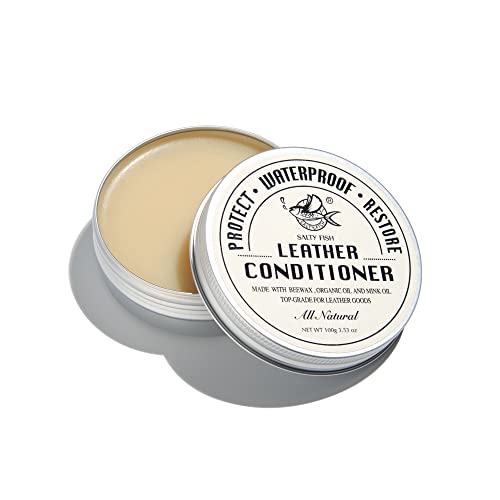
Leather Conditioning Guide
Learn how to clean, condition, and protect your leather sofa to keep it soft, supple, and beautiful for decades. Expert care tips for all leather types.
Why Leather Conditioning Matters
Leather is a natural material that requires regular care to maintain its beauty and durability. Unlike fabric or synthetic alternatives, genuine leather can last a lifetime when properly maintained. Leather sofas are an investment – one that deserves attention to preserve its natural oils and prevent cracking, fading, and drying.
Leather conditioning is the process of replenishing the natural oils that keep leather soft, flexible, and resistant to environmental damage. Over time, exposure to sunlight, heat, and everyday use strips these essential oils from the leather's surface, leading to stiffness, discoloration, and eventually cracks.
💡 Did you know? A well-conditioned leather sofa can last 20 years or more, while neglected leather may show signs of wear within just 3-5 years. Regular conditioning is the single most important step in leather furniture maintenance.
Whether you own an elegant leather sofa, a luxurious leather sectional, or a stylish leather loveseat, learning proper conditioning techniques will help you protect your investment and keep your living space looking its best.
Understanding Your Leather Type
Before you condition your leather sofa, it's crucial to understand what type of leather you're working with. Different leathers have different care requirements, and using the wrong products can damage the finish.
Aniline Leather
Highest quality, natural look. Absorbs oils quickly and needs regular conditioning.
Semi-Aniline Leather
Protected with a light coating. Requires moderate conditioning to maintain appearance.
Pigmented Leather
Has a durable protective coating. Needs less frequent conditioning but still benefits from regular care.
Nubuck & Suede
Napped surface requires specialized care and should never be conditioned with standard products.
🔍 How to Identify Your Leather: Check the manufacturer's label, examine the surface texture, and test with a drop of water. Aniline leather absorbs water quickly and darkens, while pigmented leather repels water.
If you're unsure about your leather type, we recommend visiting our comprehensive leather cleaning guide for detailed identification methods. For furniture with protective coatings, you may also want to review our fabric protection resources for comparison.
How to Condition Leather Furniture: Step-by-Step
Follow this proven conditioning routine to keep your leather sofa in peak condition. Always test products on an inconspicuous area first.
Clean the Surface
Vacuum the sofa with a soft brush attachment to remove dust and debris. Then wipe the leather with a slightly damp microfiber cloth to remove surface dirt.
Apply Leather Cleaner
Use a pH-balanced leather cleaner specifically designed for your leather type. Apply sparingly with a soft cloth and gently work into the leather. Let dry completely.
Test Conditioner
Before applying conditioner to the entire sofa, test on a small hidden area (like the back or underside) to ensure it doesn't discolor the leather.
Apply Conditioner
Apply a thin, even layer of leather conditioner using a clean, soft cloth. Work in small circular motions, ensuring the conditioner penetrates the leather's pores.
Let It Absorb
Allow the conditioner to absorb for 15-30 minutes. For dry or older leather, you may need to leave it overnight for maximum absorption.
Buff to Shine
After absorption, buff the leather with a clean, dry cloth to remove any excess conditioner and restore a soft, natural sheen.
⚠️ Important: Never use saddle soap, shoe polish, or household oils (like olive oil, coconut oil, or baby oil) on your leather sofa. These can damage the leather's finish and attract dirt and dust. Always use products specifically formulated for furniture leather.
Best Leather Conditioners for Sofas
Choosing the right conditioner is essential for proper leather care. Here are the types of conditioners you'll find on the market and what they're best for:
Lanolin-Based Conditioners
Excellent for aniline and semi-aniline leathers. Lanolin closely mimics the natural oils in leather, providing deep conditioning without changing the color.
Water-Based Conditioners
Ideal for pigmented and protected leathers. These conditioners won't darken or alter the leather's finish. They're safe, gentle, and effective for regular maintenance.
Mink Oil Conditioners
Rich and penetrating, mink oil is perfect for heavily used leather or older furniture that needs deep restoration. May darken lighter leathers.
Ceramide Conditioners
Modern synthetic conditioners that work similarly to natural leather oils. They help maintain elasticity and prevent cracking without greasy residue.
🛋️ Pro Tip for Leather Sofas: For leather sofas in homes with pets, consider conditioners with added repellent properties. Many products now offer dual-action conditioning and protection to prevent pet damage while keeping leather soft and supple.
For those considering a new leather purchase, understanding material selection upfront can save you time and money. Our buying guides cover everything from leather types to long-term care considerations.
Leather Care Maintenance Schedule
Consistency is key when it comes to leather conditioning. Follow this simple schedule to ensure your leather furniture stays in excellent condition:
Weekly
Dust and vacuum with a soft brush attachment. Wipe down with a slightly damp microfiber cloth to remove surface dirt and prevent build-up.
Monthly
Do a quick spot clean with a leather cleaner. Address any spills immediately to prevent staining or damage to the finish.
Every 6-12 Months
Apply a full leather conditioning treatment. The exact timing depends on climate, usage, and leather type. Dry climates need more frequent conditioning.
As Needed
If the leather feels dry, stiff, or shows lighter spots, it's time for conditioning regardless of schedule. Always check periodically for signs of drying.
Your leather sofa's location in the room also affects conditioning frequency. Sofas near windows or heating vents may need more frequent care. Our heating and vent layout guide can help you position your furniture to minimize heat and sun damage.
Frequently Asked Questions
How often should you condition leather furniture?
High-quality leather sofas should be conditioned every 6 to 12 months. Factors like climate, usage, and exposure to sunlight can accelerate drying, so more frequent conditioning may be needed in dry environments.
What is the best leather conditioner for sofas?
The best leather conditioner depends on your leather type. For aniline and semi-aniline leathers, choose a conditioner with natural oils like lanolin or mink oil. For pigmented leather, look for water-based conditioners that won't darken or change the finish.
Can you over-condition leather furniture?
Yes, over-conditioning can clog leather pores, attract dust, and create a greasy feel. Always apply thin coats and wipe off excess conditioner. Quality over quantity is key – one proper conditioning session every 6-12 months is sufficient.
Is leather conditioner necessary for all leather sofas?
Yes, all genuine leather benefits from conditioning, though frequency varies. Aniline and semi-aniline leathers need regular conditioning because they absorb oils quickly. Pigmented leather with a protective coating needs less frequent conditioning but still requires periodic treatment to maintain suppleness.
Can I use leather conditioner on fabric sofas?
No, leather conditioners should only be used on genuine leather. For fabric sofas, use appropriate fabric cleaners and protectors. Our fabric cleaning guide covers proper care for fabric upholstery.
Related Leather Care Topics
Leather conditioning is just one part of proper leather care. Here are other important aspects to consider for your leather sofa:
Leather Cleaning
Proper cleaning before conditioning is essential to prevent trapping dirt and grime under the conditioner.
Leather Repair
Scratches, scuffs, and small tears need proper repair before conditioning to achieve the best results.
Sun Damage Prevention
UV exposure is the #1 cause of leather damage. Learn how to position and protect your sofa from harmful rays.
Pet Damage Prevention
For homes with pets, learn specific strategies to protect leather from claws, scratches, and accidents.
For a complete understanding of leather maintenance, explore our couch care section, which covers everything from basic cleaning to advanced restoration techniques. If you're considering purchasing a new leather sofa, our buying guides provide expert advice on selecting the best leather type for your lifestyle.
Best Leather Conditioners & Care Products
⚠️ AFFILIATE DISCLOSURE: This website contains affiliate links. As an affiliate Associate, we earn from qualifying purchases. If you make a purchase through these links, we may receive a small commission at no additional cost to you. Read our full affiliate policy.

Weiman Leather Cleaner, Conditioner & Protector, Car Interior & Furniture

Leather Honey Leather Conditioner – Non-Toxic & Made in the USA Since 1968

Bick 4 Leather Conditioner & Cleaner, Won't Darken Boots, Couch, Bags 8 oz

Leather CPR Cleaner and Conditioner 18oz. Bring Leather Back To Life on Furniture, Car Seats, Handbags, Jackets, Boots, Saddles, Purses & Shoes. Restores Shine, Softness & Color to Real Leather

Leather Honey Complete Leather Care Kit – Non-Toxic, Made in USA

Weiman Leather Cleaner, Polish and Conditioner for Furniture, Car, Purses, Shoes, Boots and Couches- Micro Fiber Towel Included, 22oz

Weiman Leather Cleaner, Conditioner & Protector, 2 Pack Spray with Cloth