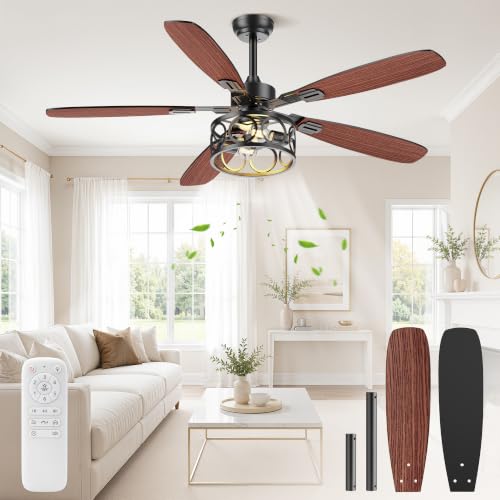
Natural Light Layout Guide
Transform your living room into a bright, inviting space by optimizing natural light. Discover expert tips on furniture placement, window treatments, and reflective surfaces to enhance daylight.
Explore Layout GuidesNatural light is one of the most valuable assets in any living room. It not only makes your space feel larger and more welcoming but also positively impacts your mood and well-being. A well-planned natural light layout can reduce your reliance on artificial lighting, save energy, and showcase your furniture and decor in the best possible way. Whether you're designing a new living room or rearranging your current one, understanding how to work with available daylight is key to creating a comfortable and visually appealing environment.
This guide will walk you through the essential principles of natural light layout, from window placement and furniture arrangement to the strategic use of mirrors and reflective surfaces. By the end, you'll have a clear plan to make the most of your living room's natural illumination.
Understanding Natural Light in Your Living Room
Before diving into layout strategies, it's important to understand how natural light enters and interacts with your space. The orientation of your windows, the time of day, and even the season can dramatically affect the quality and quantity of daylight you receive. South-facing windows typically provide the most consistent and brightest light throughout the day, while north-facing windows offer softer, cooler light. East-facing windows bring in warm morning light, and west-facing windows capture intense afternoon sun.
Your living room layout should account for these variations. For example, a room with abundant south-facing light can handle darker furniture and deeper colors, while a north-facing room may benefit from lighter tones and reflective surfaces to bounce light around. Consider how you use the space at different times of the day to position key activities like reading, working, or entertaining in the most favorable light conditions.
Key Principles of a Bright Living Room Layout
Creating a layout that maximizes natural light involves more than just placing furniture away from windows. It's about designing a space that allows light to flow freely and reflect off surfaces to illuminate every corner. Here are the core principles to guide your design:
1. Keep Windows Clear
Avoid placing tall furniture like bookshelves or armoires directly in front of windows. This blocks the primary light source. Opt for low-profile pieces that sit below the window sill to allow light to enter unimpeded.
2. Use Light Colors for Walls and Floors
Light-colored walls, ceilings, and flooring reflect natural light, making the room feel brighter and more open. Pale shades of white, beige, gray, or pastels are excellent choices to amplify daylight.
3. Incorporate Mirrors and Reflective Surfaces
Strategically placed mirrors can double the amount of natural light in a room by reflecting it from windows into darker areas. Consider a large mirror opposite a window or reflective decor like glass tabletops.
4. Choose the Right Window Treatments
Heavy drapes and dark blinds can significantly reduce natural light. Opt for sheer curtains, light-filtering shades, or blinds that can be fully opened during the day to maximize daylight.
These principles work together to create a cohesive natural light layout. When combined with thoughtful focal point arrangement and conversation seating, you can design a living room that feels both bright and functional.
Furniture Placement for Optimal Daylight
How you arrange your furniture plays a critical role in how light travels through the room. A well-planned layout not only enhances natural light but also ensures the space remains comfortable and practical for daily living. Here are specific strategies to consider:
- Position Seating to Face the Light: Arrange your primary seating—such as sofas and armchairs—to face the main light source. This creates a warm, inviting area for conversation and relaxation while ensuring occupants benefit from the daylight. Consider placing a sectional sofa perpendicular to a large window to allow light to spread across the seating area.
- Create Clear Pathways: Ensure there are unobstructed pathways between windows and the interior of the room. Avoid clustering furniture in the center that could cast shadows or block light. A clear flow allows light to reach deeper into the room. This is particularly important in small space layouts where every inch counts.
- Use Low-Profile Furniture: Low-backed sofas, loveseats, and coffee tables with glass tops allow light to pass over and through them, creating a more open and airy feel. Tall furniture should be placed on walls perpendicular to windows, not in the direct line of sight.
- Consider the Room's Focal Point: In a room with a large window, the view itself can be the focal point. Arrange furniture to face the window, using the natural light to highlight the wall art decor or indoor plants placed near it.
By applying these placement strategies, you can transform a dimly lit room into a bright, welcoming space that makes the most of every ray of sunlight.
Enhancing Natural Light with Decor and Accessories
Beyond furniture placement, the decor and accessories you choose can significantly impact the brightness of your living room. Thoughtful selection of colors, materials, and accents can amplify natural light and add to the overall aesthetic. Here are some effective ways to enhance daylight through decor:
- Light-Colored Upholstery: Choose sofas and chairs in light-colored fabrics or leathers. A fabric sofa in a neutral tone like cream or light gray reflects light, while darker hues absorb it. If you love the look of a velvet sofa, opt for a lighter shade like pale pink or mint green to maintain brightness.
- Reflective Textures: Incorporate materials that bounce light, such as polished metals, glass, and glossy finishes. A mirrored coffee table, metallic lamp bases, or a glass serving tray can add subtle sparkle and reflectivity.
- Strategic Use of Rugs: Light-colored area rugs can anchor the seating area and brighten the floor. Choose rugs with soft patterns or subtle textures that add visual interest without darkening the space.
- Throw Pillows and Blankets: Use throw pillows and throw blankets in light, airy colors to enhance the feeling of brightness. These accessories are easy to swap out seasonally and can be used to introduce cheerful accent colors.
- Plants and Greenery: Indoor plants not only purify the air but also add life and vibrancy to a sunlit room. Place them near windows where they can thrive and contribute to the room's fresh, natural ambiance.
Remember, the goal is to create a cohesive look where every element works together to reflect and enhance the natural light. Avoid clutter, which can create shadows and make the room feel smaller and darker.
Choosing Window Treatments That Welcome Light
Window treatments are a crucial element in a natural light layout. They offer privacy and light control while significantly influencing the amount of daylight that enters your room. The key is to select treatments that allow maximum light penetration when needed, without sacrificing style or privacy.
- Sheer Curtains: These are an excellent choice for rooms where you want soft, diffused light throughout the day. Sheers create a gentle, ethereal look and can be layered with heavier drapes for nighttime privacy.
- Light-Filtering Shades: Cellular shades or Roman shades in light fabrics can soften harsh sunlight while maintaining brightness. They offer a clean, tailored look and are available in a variety of light colors.
- Blinds: Wood or faux-wood blinds can be fully opened during the day to let in light. When tilted, they provide excellent light control and privacy. Choose lighter wood stains or white finishes to reflect rather than absorb light.
- Shutters: Plantation shutters are a timeless option that allows you to control the angle of light entering the room. They are durable and add architectural interest.
When selecting treatments, consider the orientation of your windows and the specific light challenges of the room. For instance, west-facing windows may benefit from light-filtering shades to reduce harsh afternoon glare, while south-facing windows can handle sheer curtains that allow bright light to flood in all day. Proper window placement analysis will guide your choice.
Natural Light in Multi-Purpose and Open Floor Plans
In open floor plans, natural light from one area can benefit adjacent spaces. This interconnectedness requires a holistic approach to lighting. When planning a natural light layout for an open floor plan or multi-purpose room, consider the following:
- Zoning with Light: Use light to define different zones. Place seating areas near windows for daytime relaxation, and position dining or workspaces where they can catch morning light. The multi-purpose layout section offers more strategies for zoning.
- Consistent Color Palette: Maintain a cohesive light color scheme throughout the open area. This helps light travel seamlessly from one zone to another, preventing dark pockets.
- Glass Partitions: If you need to separate areas within an open plan, consider glass partitions or sliding doors. They maintain the flow of light while providing functional division.
- Overhead Lighting Integration: Even with abundant natural light, overhead lighting is essential for evenings and cloudy days. Plan your artificial lighting to complement the daylight, ensuring a balanced and flexible lighting scheme.
By considering the broader layout, you can ensure that the benefits of natural light are distributed evenly across your entire living area, making it feel more spacious and welcoming.
Common Natural Light Layout Mistakes to Avoid
Even with the best intentions, it's easy to make mistakes that undermine your natural light layout. Here are some common pitfalls to watch out for:
- Blocking Windows with Furniture: As mentioned, placing large pieces directly in front of windows is the quickest way to darken a room. Always keep the area in front of windows clear.
- Dark Wall Colors: While accent walls in dark colors can be dramatic, too much dark paint absorbs light and makes the room feel smaller. Limit dark colors to smaller areas or use them sparingly.
- Overcrowding the Room: Too many pieces of furniture can create shadows and obstruct light flow. Be selective and choose pieces that serve multiple functions, such as storage ottomans for seating and storage.
- Neglecting Artificial Lighting: Natural light alone cannot sustain your living room needs throughout the day. A well-designed artificial lighting plan—including floor lamps, task lighting, and accent lighting—is essential to complement and extend the effects of natural light.
- Ignoring Seasonal Changes: The angle and intensity of sunlight change with the seasons. What works in summer may not be optimal in winter. Consider adjustable window treatments and flexible furniture arrangements to adapt to these changes.
Avoiding these mistakes will set you on the right path to creating a bright, functional, and beautiful living room that you'll enjoy year-round.
Final Thoughts: Bringing Your Natural Light Layout Together
Designing a natural light layout is a thoughtful process that combines architectural awareness, furniture placement, and decorative choices. By keeping windows clear, using light colors and reflective surfaces, and selecting appropriate window treatments, you can significantly enhance the brightness and ambiance of your living room.
Remember that the goal is to create a space that feels open, inviting, and comfortable—a place where you, your family, and guests can relax and connect. A well-lit room not only showcases your couch decor and couch care efforts but also elevates your everyday living experience.
As you implement these strategies, don't be afraid to experiment with different furniture arrangements and decor elements. The best layout is one that suits your specific room's characteristics and your personal lifestyle. For additional inspiration and guidance, explore our comprehensive resources on living room layout and other design topics.
💡 Did You Know? A well-planned natural light layout can reduce your artificial lighting needs by up to 50%. This not only lowers your energy bills but also creates a healthier, more sustainable living environment. Start your design journey today with our buying guides and measurement guide to ensure your space is perfectly planned.
Recommended Lighting & Furniture for a Bright Living Room
⚠️ AFFILIATE DISCLOSURE: This website contains affiliate links. As an affiliate Associate, we earn from qualifying purchases. If you make a purchase through these links, we may receive a small commission at no additional cost to you. Read our full affiliate policy.

Sheffield Home 9 Piece Gallery Wall Frame Set, 12x12 in. Matted to 8x8 in. (Light Natural)

Moolith Folding Room Divider, Expanded Natural Wood Screen for Airy Modern
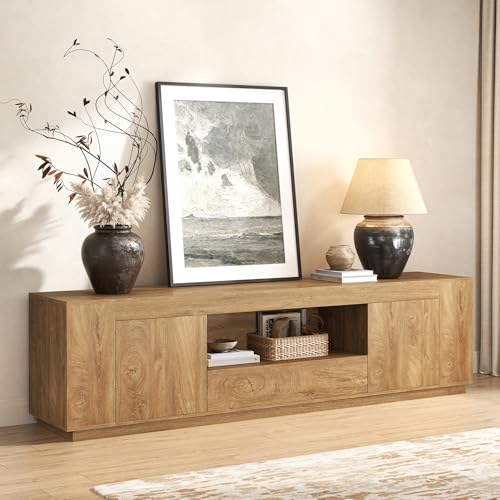
Epecoya Farmhouse TV Stands for Living Room 78.7-Inch, Natural Oak Brown

GHOOCEMLUX 68" Industrial Tree Floor Lamp, Dimmable Farmhouse Tall Standing Lamp with Quatrefoil Cutout Shades & Rotary Dimmer Knob, Corner Light for Living Room Bedroom, 3 x800LM Bulbs Included-Black

vidaXL Room Divider, Room Separator Screen, Room Partition for Home Office Living Room Bedroom, Wall Divider Privacy Screen, Light Natural Bamboo

BYX 5-Light Alabaster Chandelier Copper Pendant Light for Living Room

Lullosa 8x10 Washable Boho Area Rug, Dark Beige Farmhouse for Living Room