
Couch Odor Elimination: The Complete Guide
Discover proven methods to remove pet smells, smoke, mildew, and stubborn odors from fabric and leather couches. Restore freshness and extend the life of your sofa with our expert step-by-step techniques.
What You'll Learn
Why Couches Develop Odors
Couches are among the most heavily used pieces of furniture in any home. They absorb sweat, oils, food particles, pet dander, and environmental pollutants over time. The porous nature of upholstery foam and fabric fibers means that odors can penetrate deep beneath the surface, making simple surface cleaning insufficient for lasting freshness. Understanding the root causes of couch odors is the first step toward effective elimination.
Common sources include everyday body oils transferred during use, spills that seep into cushion cores, pet accidents and dander, cigarette or fireplace smoke, humidity-driven mildew growth, and even cooking vapors that settle into fabric over months of exposure. Each odor type requires a different approach, which is why a one-size-fits-all deodorizing spray rarely delivers permanent results. For a complete approach to keeping your couch in top condition, explore our couch care and maintenance resources.
Biological Odors
Sweat, body oils, and pet dander create a breeding ground for odor-causing bacteria. These smells penetrate deep into foam and are often the most persistent.
Smoke & Environmental
Tobacco smoke, fireplace residue, and cooking vapors leave microscopic particles that cling to upholstery fibers and slowly release odors over time.
Moisture & Mildew
High humidity or undetected spills can create damp conditions inside cushions, allowing mold and mildew to develop and produce musty, earthy smells.
Chemical & New Furniture Smells
Off-gassing from new foam, adhesives, and finishes can linger for weeks. Proper ventilation and absorption treatments help accelerate dissipation.
Identifying the Odor Source Before You Treat
Before applying any treatment, take time to locate exactly where the odor originates. A systematic inspection saves effort and prevents unnecessary deep cleaning of unaffected areas. Start by removing all cushions and pillows, then smell each component separately — the deck under the cushions, the cushion cores, the backrest, and the armrests.
Check seams and crevices where crumbs and liquids accumulate. For pet odors, use a blacklight (UV flashlight) in a darkened room; dried urine and biological proteins fluoresce under UV light, revealing hidden accident spots. If you notice discoloration combined with a musty smell, moisture may have penetrated the foam, which calls for more intensive treatment similar to our mold and mildew treatment guide. For older couches with persistent deep odors, consider whether the frame or padding has degraded — our article on old couch assessment can help you decide whether restoration is practical.
| Odor Type | Likely Source | Best Approach |
|---|---|---|
| Sour / Sweaty | Body oils in headrest and seat cushions | Enzyme cleaner + baking soda absorption |
| Urine / Ammonia | Pet accidents in foam and seams | Enzyme-based pet odor eliminator, multiple applications |
| Smoky / Ashy | Surface particles and deep-set tar residue | Activated charcoal absorption + upholstery shampoo |
| Musty / Earthy | Mildew inside damp cushion foam | Sun drying, vinegar treatment, ventilation |
| Chemical / New | Off-gassing from foam and adhesives | Airflow, baking soda, time |
Fabric Couch Odor Elimination
Fabric upholstery is the most common couch material and also the most absorbent. The good news is that fabric responds well to a structured, multi-step cleaning process. Always check the manufacturer's cleaning code first — the tag under the seat cushions will indicate whether water-based (W), solvent-based (S), or professional-only (X) cleaning is appropriate. For washable fabric covers, removing and laundering them is the most thorough first step; modular designs with removable covers make this especially convenient.
-
Vacuum Thoroughly
Use an upholstery attachment to remove surface debris, dander, and loose particles from all surfaces, including under cushions and along seams. This alone can reduce surface odors significantly.
-
Apply a Baking Soda Layer
Sprinkle a generous layer of baking soda across all fabric surfaces. Let it sit for at least 4 hours, ideally overnight. Baking soda is an excellent natural odor absorber and is safe for nearly all fabrics.
-
Vacuum the Baking Soda
Use a clean upholstery attachment to remove all baking soda residue. For deeper penetration, work it gently into the fabric with a soft brush before vacuuming.
-
Apply a Fabric-Safe Deodorizing Solution
Mix equal parts white vinegar and water in a spray bottle. Lightly mist the fabric (do not saturate), then blot with a clean microfiber cloth. Vinegar neutralizes odors as it evaporates. For tougher odors, add a few drops of tea tree or lavender essential oil for additional antibacterial properties.
-
Dry Completely
Allow the couch to air dry with good ventilation. Open windows, use fans, or place the couch in indirect sunlight. Moisture left behind can create new odors, so thorough drying is essential.
-
Repeat if Necessary
For deep-set odors, repeat the baking soda and vinegar cycle two or three times over several days. Persistent smells may require a professional upholstery cleaning service.
Pro Tip: Steam Cleaning Power
A handheld steam cleaner can penetrate fabric fibers and kill odor-causing bacteria without chemicals. Use it on low settings and keep the nozzle moving to avoid overwetting. Steam cleaning is especially effective after the baking soda and vinegar treatment for stubborn odors.
Leather Sofa Odor Removal
Leather is less absorbent than fabric, which is an advantage for odor control — most odors sit on the surface rather than penetrating deep into the material. However, leather requires gentler treatment to avoid drying, cracking, or discoloration. Never use vinegar, baking soda scrubs, or harsh solvents on leather, as these can damage the protective finish.
Start by wiping the entire surface with a slightly damp microfiber cloth using a mild leather cleaner. Pay attention to seams, tufting, and crevices where dirt and oils collect. For surface odors, a solution of a few drops of mild dish soap in lukewarm water works well — wipe, then immediately dry with a clean cloth. Follow up with a dedicated leather conditioner to restore moisture and maintain the protective barrier. Placing activated charcoal bags or bowls of baking soda near (not on) the leather helps absorb lingering ambient odors. If your leather couch has developed a persistent smell combined with stiffness or cracking, it may need professional conditioning — learn more in our leather conditioning guide.
Pet Odor Elimination from Couches
Pet odors are among the most challenging to eliminate because urine and saliva contain proteins that bind to upholstery fibers. Standard cleaners may mask the smell temporarily, but only enzyme-based cleaners break down the proteins at a molecular level. Locate all accident spots first, then treat each one thoroughly.
For fresh accidents, blot up as much liquid as possible immediately with paper towels, then apply an enzyme cleaner and let it work for the full recommended dwell time — often 10 to 15 minutes or longer. For dried or old stains, rehydrate the area with a damp cloth before applying the enzyme treatment. Allow the cleaner to penetrate the foam by gently pressing it in with a sponge; surface-only application will not reach the bacteria hiding in the cushion core. After treatment, air dry completely and follow up with a baking soda layer to absorb residual moisture and odor. For ongoing protection, consider using washable, pet-friendly covers and review our pet damage prevention strategies to keep future accidents from becoming permanent problems.
Smoke Odor Removal from Sofas
Smoke odor is a mix of surface particles and deep-set tar residue. Simple airing out is rarely enough. Begin with a thorough vacuuming to remove loose ash and particles, then wash any removable covers according to their care instructions. For the fixed upholstery, a solution of white vinegar and water (equal parts) applied with a microfiber cloth helps break down the alkaline residue left by smoke.
For deep-set smoke smell, place bowls of activated charcoal, freshly ground coffee, or baking soda around and on the couch and leave them for several days. These natural absorbers pull smoke particles from the air and from the fabric surface. Airing the couch outdoors on a dry, breezy day can also help — but avoid direct harsh sunlight, which can fade fabric. If the smoke odor persists after two weeks of treatment, the tar residue may have penetrated the foam core, in which case professional ozone treatment may be the most effective solution.
Eliminating Mildew and Musty Smells
Musty odors signal the presence of mold or mildew, which thrive in damp, dark environments inside cushion foam. Left unaddressed, mildew can cause health issues and permanently damage upholstery. The first step is to find and eliminate the moisture source — a leak, high humidity, or an old spill that was never fully dried. Dry the couch thoroughly in sunlight or with fans before treatment.
For mild mildew odors, a vinegar solution (equal parts white vinegar and water) sprayed lightly on the affected area and allowed to air dry can be effective. For moderate cases, apply a mixture of borax and water, let it sit for 15 minutes, then blot and dry thoroughly. Severe mildew that has discolored the fabric or penetrated the foam requires professional treatment or cushion replacement. Always ensure complete drying before reassembling cushions, and consider using a dehumidifier in the room if humidity is a recurring issue. Our guide to mold and mildew treatment covers more advanced remediation steps.
Prevention Strategies to Keep Your Couch Fresh
Prevention is far easier than elimination. Incorporate these habits to keep odors from developing in the first place.
Regular Vacuuming
Vacuum your couch weekly with an upholstery attachment to remove dander, crumbs, and loose particles before they settle into the fabric.
Rotate Cushions
Flip and rotate seat cushions every month to distribute wear and prevent localized odor buildup from body oils.
Use Washable Covers
Protective, machine-washable couch covers create a barrier against spills, sweat, and pet dander, and they can be laundered as needed.
Control Humidity
Maintain indoor humidity below 50% using air conditioning or a dehumidifier to discourage mildew growth inside cushions.
Act Fast on Spills
Blot spills immediately rather than rubbing, and use a mild cleaner before the liquid penetrates the foam layer.
Fresh Air & Sunlight
Occasionally air out removable cushions outdoors in indirect sunlight — sunlight naturally kills odor-causing bacteria and mildew spores.
When Odor Elimination Is No Longer Enough
Some couches reach a point where elimination efforts provide only temporary relief. Persistent odors that return within days may indicate that the foam core is saturated or that mildew has compromised the internal padding. If the couch is older and the frame or cushions show sagging alongside the odor, replacement may be the more practical long-term decision. Consider the material and construction quality — a couch with removable, washable covers and durable upholstery is easier to maintain over the years. If you are evaluating whether to repair or replace, our guide to durable couch fabric for families can help you choose a replacement with better odor resistance and easier maintenance.
Frequently Asked Questions
For most households, a light baking soda treatment every two to three months is sufficient. Homes with pets or smokers may benefit from monthly deodorizing. Deep cleaning with vinegar or a steam cleaner every six months helps maintain freshness year-round.
Diluted white vinegar is safe for most colorfast fabrics when used as a light mist and blotted dry. Always test on an inconspicuous area first, and never use vinegar on leather, silk, or rayon, as it can cause damage or discoloration.
This usually happens when the fabric has not dried completely. Trapped moisture allows mildew and bacteria to multiply, creating a musty smell. Ensure thorough drying with fans or open windows after any wet cleaning, and avoid oversaturating the fabric during treatment.
Yes. Baking soda (sodium bicarbonate) is amphoteric, meaning it can neutralize both acidic and basic odor molecules. It is particularly effective for surface-level odors when left in place for several hours before vacuuming. For deep odors, combine it with enzyme treatments or steam cleaning.
Consider professional help if the odor returns within a few days of treatment, if there is visible mold growth, or if the smell is accompanied by structural issues like sagging or cracking. Professionals have access to ozone treatment and industrial-grade extraction tools that reach deep into cushion foam.
Best Odor Elimination Products for Couches
⚠️ AFFILIATE DISCLOSURE: This website contains affiliate links. As an affiliate Associate, we earn from qualifying purchases. If you make a purchase through these links, we may receive a small commission at no additional cost to you. Read our full affiliate policy.

Amazon Basics Gel Odor Eliminator, Activated Charcoal, Fragrance Free, 17 Oz, 1-Pack
Check price on Amazon
Activated Charcoal Odor Absorber for Strong Odors in Car, Closet, Shoe, Basement. 10 Activated Charcoal Bags Odor Absorbers for Home. Bamboo Charcoals Air Purifying Bag Charcoals Deodorizer Eliminator
Check price on Amazon
Zep ZUAIR32 Air and Fabric Odor Eliminator 32 oz
Check price on Amazon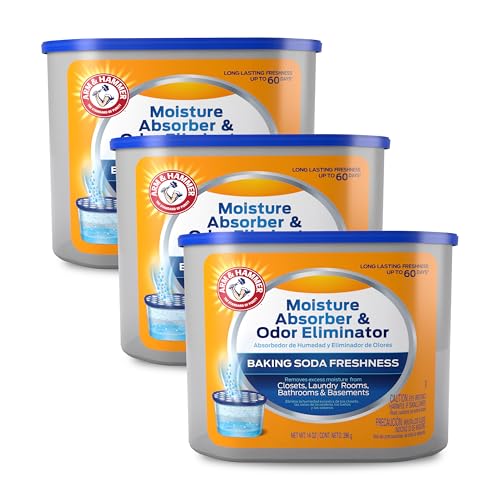
Arm & Hammer Fragrance Free Refillable Moisture Absorber Tub, 14 oz | Odor Eliminator Attracts and Traps Excess Moisture, Up to 60 Days of Freshness, for Closets, Laundry Rooms and Mud Rooms
Check price on Amazon
Amazon Basics Gel Odor Eliminator, Activated Charcoal, Lavender Scent, 17 Oz, 1-Pack
Check price on Amazon
Bright Air 14 oz. Super Odor Eliminator, For Medium-Size Spaces, Cool & Clean Scent, Case of 6,Air Freshener, Natural Essential Oils, Lasts Up to 90 Days Each
Check price on Amazon
Ozium 8 Oz. Odor Eliminating Gel, Air Freshener Alternative | For Smoke, Homes, Cars, Offices and More, 1 Pack
Check price on Amazon