
Patching a Leather Couch: Complete Repair Guide
Restore your leather couch to its former glory with our comprehensive patching guide. Learn professional techniques for fixing tears, scratches, and holes using quality materials and proven methods.
START REPAIRINGCouchFocus Philosophy: A well-maintained leather couch is a long-term investment. Rather than replacing damaged furniture, patching allows you to extend its lifespan significantly. This guide walks you through every step of the leather patching process, from assessment to finishing touches.
Recommended Leather Patch Kits & Repair Products
⚠️ AFFILIATE DISCLOSURE: This website contains affiliate links. As an affiliate Associate, we earn from qualifying purchases. If you make a purchase through these links, we may receive a small commission at no additional cost to you. Read our full affiliate policy.

Besezx Leather Repair Patch Tape Kit, Self Adhesive Leather Repair for Furniture, Couch, Sofa, Car Seats,Office Chair,Vinyl Repair Kit.30inx16in
Check price on Amazon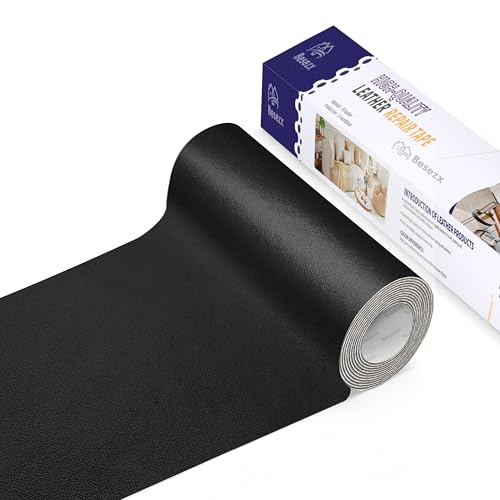
Besezx Leather Repair Patch Tape Kit,Vinyl Repair Kit,Self Adhesive Leather Repair for Furniture, Couch, Sofa, Car Seats,Office Chair.3.1inx60in-Black
Check price on Amazon
MATCH 'N PATCH Whiskey Leather Repair Tape, 2.25" x 15' for Furniture | Realistic Faux Leather Patch Alternative for Couch, Sofa, Upholstery, Car Seat & Furniture, Vinyl Repair Kit, Self-Adhesive
Check price on Amazon
BSZHTECH Leather Repair Tape Self-Adhesive Leather Repair Patch for Couch Furniture Sofas Car Seats Advanced PU Vinyl Leather Repair Kit (Dark Brown, 3.9X79 inch)
Check price on Amazon
Brown Leather Repair Kit for Furniture & Couches, Car Seat Vinyl Repair Kit | Leather Couch Repair Kit, Faux Leather Repair Kit & Vinyl Repair; Fixes Scratches, Cracks, Tears & Peeling; Any Brown Shade
Check price on Amazon
Leather Repair Patch Tape Kit, Self Adhesive Leather Repair for Furniture, Couch, Sofa, Car Seats,Office Chair,Vinyl Repair Kit.30inx16in
Check price on Amazon
FORTIVO Leather Recoloring Balm, Leather Color Restorer, Scratch Remover, Couch Paint and Repair, Leather Balm for Couches - Dark Brown
Check price on Amazon
ONine Leather Repair Patch,Leather Repair Tape, 3 x 60 inches Leather Repair Patch for Furniture,Vinyl Repair Kit,Leather Couch Patch,for Sofas, Furniture, Car Seats, Office Chairs(Dark Brown)
Check price on AmazonUnderstanding Leather Couch Damage
Leather furniture is prized for its durability and timeless appeal, but it is not indestructible. Over time, even high-quality leather couches develop scratches, cracks, and tears from daily use. Understanding the type and severity of damage is the first step toward an effective repair.
Common Types of Leather Damage
- Surface scratches: Light abrasions that affect the finish but do not penetrate the leather. These often appear on armrests and seat edges where friction is constant.
- Deep scratches: Marks that cut into the leather grain. Without treatment, these can worsen and lead to tearing.
- Tears and cuts: Actual rips in the leather, often caused by sharp objects, pet claws, or prolonged wear at stress points.
- Holes: Complete punctures that expose the underlying cushion or frame. These require patching or professional restoration.
- Cracking and peeling: Common on older or lower-tier leather where the surface coating degrades. This often signals the need for more extensive restoration.
Leather Types and Their Repair Considerations
Not all leather is the same, and your repair approach should match your couch's material. Here is a quick reference:
| Tier | Leather Type | Best For | Repair Notes |
|---|---|---|---|
| Entry-level | Bonded leather | Casual seating areas | Peels easily; patches may not adhere long-term |
| Mid-tier | Split-grain leather | Family living rooms | Good patch adhesion; benefits from conditioner |
| Premium | Top-grain leather | Formal living spaces | Excellent repair surface; takes dye and filler well |
| Luxury | Full-grain leather | High-end interiors | Best repaired by professionals; develops patina |
Identifying your leather type helps you choose the right patch material and adhesive. If you are unsure, check the manufacturer's documentation or examine a hidden area for clues. For couches made from synthetic materials, the approach differs significantly — see our guide to synthetic leather couches for specific advice.
Step-by-Step Guide to Patching a Leather Couch
Whether you are dealing with a small tear or a larger hole, the patching process follows a logical sequence. Below is a comprehensive walkthrough that covers preparation, application, and finishing.
1 Assess the Damage
Before purchasing any materials, carefully examine the damaged area. Determine the size, depth, and location of the tear or hole. Small scratches under an inch may only need a leather repair compound, while tears over two inches or holes exposing the cushion require a patch. Check whether the leather edges are frayed or clean-cut — this affects how well a patch will bond.
2 Gather the Right Materials
You will need a leather patch kit appropriate for your couch's leather type. Essential items include leather cleaner, a sub-patch or backing material, leather adhesive, a patch piece (self-adhesive or glue-on), a craft knife, scissors, and a leather conditioner for finishing. For larger repairs, consider a leather filler compound to blend edges. Quality materials make a noticeable difference — entry-level kits work for minor fixes, while mid-range or premium kits offer better color matching and durability.
3 Clean the Damaged Area
Use a leather-safe cleaner to remove dirt, oils, and residue from the area surrounding the damage. This step is critical because adhesive will not bond properly to a dirty surface. Allow the area to dry completely before proceeding. For deep stains or sticky residue, a second cleaning pass may be necessary. Avoid using harsh household cleaners that can strip the leather's finish.
4 Prepare the Patch
If using a self-adhesive patch, cut it to size, allowing a small margin around the damaged area — roughly a quarter-inch on each side. For glue-on patches, cut both a sub-patch (to sit underneath the leather) and a top patch. Round the corners of the patch to prevent peeling over time. Match the patch material to your couch's leather grain and color as closely as possible. Many kits include multiple color options for this reason.
5 Apply the Sub-Patch (For Tears and Holes)
For tears and holes, a sub-patch provides structural support beneath the leather. Gently lift the edges of the tear and insert the sub-patch into the gap. Use leather adhesive to secure it in place, pressing down firmly. This step prevents the tear from spreading and gives the top patch a stable base. Allow the adhesive to cure according to the product instructions before moving to the next step.
6 Apply the Top Patch or Filler
If using a self-adhesive patch, peel the backing and press it firmly over the damaged area, starting from the center and working outward to eliminate air bubbles. For glue-on patches, apply a thin, even layer of leather adhesive to both the patch and the damaged area, wait until tacky, then press together. For small tears that do not need a full patch, leather filler can be spread into the tear with a spatula and smoothed level.
7 Smooth and Blend
Once the patch is in place, use a soft cloth or your fingers to smooth the edges. If using filler, allow it to dry partially, then smooth it with a leather-safe tool or cloth. For color-matched patches, a leather dye or colorant can help blend the patch into the surrounding leather. Pay attention to the texture — some kits include grain stamps to match the leather's natural pattern.
8 Condition and Protect
After the patch has fully cured (usually 24 hours), apply a leather conditioner to the repaired area and the surrounding leather. This restores moisture, improves flexibility, and helps the patch blend in. A protective coating, such as a leather protector spray, adds an extra layer of defense against future damage. Regular conditioning every three to six months will keep the repair and the leather in good condition.
Choosing the Right Leather Patch Kit
The market offers a range of leather repair products, from simple self-adhesive patches to comprehensive restoration kits. Your choice should align with the damage severity and your couch's leather type.
Kit Categories by Tier
- Essential tier: Basic self-adhesive patches in common colors. Suitable for small, superficial scratches on entry-level leather couches. Limited color matching options.
- Balanced tier: Kits with multiple patch sizes, leather adhesive, and a small color palette. Good for mid-range leather and moderate tears. Often includes basic tools like spatulas and applicators.
- Top-tier: Comprehensive kits featuring leather filler, grain stamps, color-matching compounds, and detailed instructions. Ideal for premium leather couches and visible repair areas.
- Professional-grade: Full restoration systems with heat-cured patches, professional-grade adhesives, and extensive color systems. Best suited for luxury leather and large damaged areas.
When selecting a patch kit, look for one that includes a color-matching guide or a range of sample swatches. Matching the patch to your leather's exact shade is easier with more options. Also, check whether the kit is designed for your leather type — products for bonded leather may not work well on full-grain leather.
What to Look For in a Leather Patch Kit
- Adhesive strength rated for upholstery use
- Flexible patch material that moves with the leather
- UV-resistant colorants that will not fade
- Clear, detailed instructions with visual guides
- Non-toxic, low-odor formulations for indoor use
- Compatibility with your specific leather type
For more extensive repairs beyond patching, such as replacing entire sections of upholstery, our guide on how to reupholster a couch provides additional options. If your couch has removable cushion covers, you may also consider cushion cover replacement as an alternative to patching.
Preventive Care for Leather Couches
Prevention is always better than repair. Regular maintenance reduces the likelihood of damage and keeps your leather couch looking its best for years.
Daily and Weekly Habits
- Dust and vacuum your leather couch weekly using a soft brush attachment to remove grit that can cause abrasion.
- Keep pets' nails trimmed and provide scratching posts to redirect their attention away from furniture.
- Avoid placing sharp objects directly on the couch — use trays or coasters for keys, pens, and tools.
- Rotate cushions regularly to distribute wear evenly.
Long-Term Protection Strategies
- Apply a leather conditioner every three to six months to maintain suppleness and prevent cracking.
- Use a fabric or leather protector spray to create a barrier against spills and stains.
- Position the couch away from direct sunlight and heat sources to prevent drying and fading.
- Address minor scratches promptly before they worsen into tears.
For additional protection, consider products like Scotchgard fabric and upholstery protector, which can be applied to leather and fabric alike. If you are dealing with a fabric couch instead, our guide on patching a couch covers fabric-specific techniques.
Do not use household glue, superglue, or duct tape on leather. These products can damage the leather surface, leave permanent residue, and make professional repair more difficult. Always use products specifically formulated for leather upholstery.
When to Call a Professional
While many leather repairs are manageable as DIY projects, some situations warrant professional attention:
- Damage spans a large area, such as an entire seat cushion or armrest
- The leather is full-grain or luxury-grade and you want to preserve its appearance
- The tear exposes the frame or structural components of the couch
- Multiple areas require repair simultaneously
- The leather is severely cracked or peeling across the surface
- You are unsure about color matching and want a seamless result
Professional leather restoration services can achieve near-invisible repairs, especially for premium furniture. For couches that are still under warranty, check the terms before attempting any repair — DIY fixes may void coverage.
Start with a DIY patch for minor damage. If the result is not satisfactory or the damage is extensive, consult a professional. Many leather repair specialists offer free assessments, allowing you to make an informed decision without committing to a full restoration service.
Frequently Asked Questions
Can I patch a leather couch myself?
Yes, most minor to moderate leather damage can be repaired at home using a leather patch kit. Small tears, scratches, and holes are manageable with proper preparation and the right materials. For extensive damage or structural issues, professional repair is recommended.
What is the best way to patch a leather couch?
The best method depends on the damage type. For small tears, leather glue with a sub-patch works well. For larger holes, self-adhesive leather patches or professional leather filler provide durable results. Always clean the area first and match the patch material to your couch's leather type.
How long does a leather patch last?
A properly applied leather patch can last several years with regular care. The longevity depends on the patch quality, application technique, and the location of the damage. High-traffic areas may require more frequent attention.
Can leather scratches be repaired without patching?
Surface scratches that do not penetrate the leather can often be treated with leather conditioner, dye, or a specialized scratch repair compound. Deep scratches that tear the surface require patching or professional restoration.
How do I match the patch color to my leather couch?
Most quality patch kits include color-matching guides or sample swatches. If not, take a small sample of your leather (from a hidden area) to a leather repair specialist who can mix a custom color. Some kits allow you to blend colors to achieve a closer match.
Can I use a leather patch on a synthetic leather couch?
Synthetic leather (such as polyurethane or vinyl) requires different repair products than genuine leather. Look for kits specifically designed for synthetic materials. Our guide to synthetic leather couches covers this in more detail.
Related Guides
Explore more resources to help you maintain and enjoy your leather furniture: