
Hardwood Frame Couch: The Complete Buyer's Guide
A hardwood frame couch is the foundation of a living room that lasts. Learn how frame species, joinery, and kiln-drying affect durability, comfort, and long-term value — so you can choose with confidence.
Why a Hardwood Frame Matters
When shoppers research a new couch, they often focus on upholstery color, cushion fill, and silhouette. Yet the single most important determinant of how a couch performs over time is the frame hidden beneath the fabric. A hardwood frame couch uses solid wood — typically oak, maple, beech, ash, or birch — as its structural skeleton, delivering rigidity, resilience, and a lifespan that engineered wood simply cannot match.
Engineered frames made from particleboard, MDF, or low-grade plywood tend to flex under daily use. Over months and years, that flexing loosens joints, causes squeaks, and eventually leads to sagging seats and a wobbling silhouette. A solid hardwood frame resists these forces because dense, kiln-dried wood holds its shape and accepts fasteners and joinery far more reliably.
Key takeaway: A hardwood frame is a long-term investment. Models with a quality hardwood frame commonly serve a household for 15 to 25 years or more, and many can be reupholstered to extend their life even further — making them efficient in the long run compared to entry-level alternatives.
Frame quality also influences comfort. A rigid hardwood foundation allows the suspension system — sinuous springs, eight-way hand-tied springs, or webbing — to work as designed. When the frame flexes, the suspension loses tension and the seat feels uneven. In short, the frame is the silent partner in every comfortable sit.
Anatomy of a Hardwood Frame Couch
Understanding the components of a hardwood frame helps you evaluate construction quality during a showroom visit or when reading product specifications online. A well-built frame consists of several distinct parts working together.
1. The Main Rails and Legs
The front, back, and side rails form the rectangular base of the couch, while the legs transfer weight to the floor. On premium couches, rails are cut from thick solid hardwood and the legs are either part of the frame or reinforced with metal brackets. Heavy-duty rails resist twisting when someone sits on the arm or leans heavily against the back.
2. Corner Blocks and Braces
Corners are the highest-stress points on any couch. Quality hardwood frames use glued and screwed corner blocks — often triangular hardwood pieces — to reinforce each joint. Some premium models add metal corner brackets for additional rigidity. If you can see the underside of a couch, visible corner blocks are a strong sign of solid build quality.
3. The Seat Deck and Suspension Support
The seat deck is the platform that supports the suspension. On hardwood frames, it is typically a solid wood or high-grade plywood panel screwed into the rails rather than stapled. This matters because the deck must hold tension for years without cracking.
4. The Back Frame and Arms
The back frame carries the weight of anyone leaning back, and the arms absorb lateral pressure. Reinforced construction here — including doweled joints and additional bracing — prevents the characteristic “creak and sway” that develops in weaker frames.
Hardwood Species Compared
Not all hardwoods are equal. The species chosen for the frame affects density, weight, and resistance to wear. The table below summarizes the most common options found in hardwood frame couches.
| Species | Characteristics | Best For | Market Position |
|---|---|---|---|
| Oak | Very dense, strong, excellent shock resistance; heavier couch | High-traffic family rooms | Premium |
| Maple | Hard, fine-grained, superb durability; resists dents | Long-term daily seating | Premium |
| Beech | Strong, shock-resistant, widely used in European furniture | Balanced mid-tier couches | Mid-Range |
| Ash | Elastic, resilient, good strength-to-weight ratio | Sleek modern frames | Mid-Range |
| Birch | Hard, uniform, good machining properties | Entry-level hardwood frames | Entry-Level |
| Pine / Softwood | Softer, dents easily; not true hardwood | Starter-tier frames (avoid for heavy use) | Entry-Level |
Beyond species, kiln-dried hardwood is the gold standard. Kiln-drying lowers the moisture content to a stable range, which prevents the wood from warping, cracking, or shrinking once the couch is placed in a climate-controlled home. Air-dried or improperly dried wood is far more likely to develop problems over time.
Joinery & Construction Quality
The joinery used to connect frame components is just as important as the wood itself. A hardwood frame joined with staples and glue alone will eventually loosen; a frame joined with mechanical fasteners and reinforcement will hold firm.
- Dowelled and glued joints — wooden dowels coated in glue create a strong, traditional connection between rails and legs.
- Corner blocks — glued and screwed triangular blocks reinforce every inside corner, which is where stress concentrates.
- Screws over staples — visible screws in the seat deck and corner blocks indicate a sturdier build than staples alone.
- Metal brackets — top-tier frames sometimes add steel corner plates for commercial-grade rigidity.
- Eight-way hand-tied springs — often paired with premium hardwood frames, this suspension is individually tied to the frame for even support.
When comparing models, a frame that uses both dowels and screws in addition to corner blocks is a reliable indicator of professional-grade construction. If the joinery relies entirely on staples, the couch is likely a starter-tier product regardless of the wood species.
How to Identify a Hardwood Frame
Many retailers advertise “solid wood frame” without specifying the species or construction method. Here are practical checks you can perform before buying.
- The corner-lift test: Lift one front corner a few inches. A hardwood frame feels rigid and solid, while an engineered frame flexes or twists.
- Inspect the underside: Look for visible corner blocks, screws, and dowels. Particleboard and staple-only construction are red flags.
- Check the weight: Hardwood frames are heavier than particleboard equivalents. A surprisingly light couch often hides an engineered frame.
- Ask for species: Reputable sellers can name the hardwood — oak, maple, beech, ash, or birch. Vague answers like “wood” are a warning sign.
- Confirm kiln-drying: Ask whether the wood is kiln-dried. This single detail strongly correlates with long-term stability.
- Listen for creaks: Press on the arms and back; creaking or shifting suggests loose joinery or a weaker frame.
If you are shopping online, look for specification sheets that list the frame material, joinery type, and wood species. Couches described only as “wood frame” without further detail deserve extra scrutiny.
Hardwood Frame Couch Quality Tiers
To compare couches without relying on numbers, it helps to think in relative quality tiers. The classifications below reflect market positioning and construction depth, not any specific figure.
| Tier | Frame Characteristics | Typical Use Case |
|---|---|---|
| Entry-Level | Birch or mixed hardwood, partial corner blocking, staple-assisted joinery | Occasional seating, light traffic rooms |
| Mid-Range | Beech or ash, dowelled joints, full corner blocks, kiln-dried | Everyday family seating |
| Premium | Oak or maple, screwed and dowelled joinery, reinforced corners | High-traffic living rooms, long-term ownership |
| Top-Tier | Kiln-dried premium hardwood, metal corner brackets, eight-way hand-tied suspension | Flagship couches intended for decades of use |
Across every tier, the relative jump in durability is most noticeable moving from entry-level to mid-range: mid-range models usually offer more consistent joinery and better-dried wood, which translates into fewer squeaks and longer cushion support. Premium and top-tier frames add further rigidity and are the best candidates for reupholstery down the line.
If you are also considering how a couch fits into a small apartment, our small space layout guide explains how frame dimensions and leg clearance affect flow. For pure comfort lounging, compare a hardwood frame with a floor couch option, which prioritizes low-profile relaxation instead of traditional frame height.
Care & Longevity Tips
A hardwood frame requires very little maintenance, but a few habits keep it strong for decades.
- Keep it dry: Wipe spills promptly and avoid placing the couch against a damp wall; moisture is the primary enemy of wood frames.
- Avoid direct sun: Prolonged UV exposure can dry and discolor exposed wood legs; use curtains or blinds during peak hours.
- Rotate cushions: Evenly distribute wear so the frame and suspension carry load uniformly.
- Use felt pads: Protect hardwood floors and reduce stress on legs by adding felt pads, similar to the care described in our furniture sliders for hardwood floors guide.
- Address squeaks early: A single squeak usually means a loose screw or joint. Tightening it early prevents bigger issues; see our frame repair guide for step-by-step help.
- Reupholster instead of replace: When fabric wears out, a hardwood frame is the ideal candidate for reupholstery — check local furniture upholsterers near your location.
For households with pets, pair a hardwood frame with performance upholstery. Our pet damage prevention guide covers scratch resistance, and if you are furnishing a rental, the rental furnishing guide explains how to choose a frame that survives moves.
Frequently Asked Questions
What is a hardwood frame couch?
A hardwood frame couch is a sofa built with a structural skeleton made from solid hardwood such as oak, maple, beech, ash, or birch. Unlike particleboard or plywood frames, hardwood frames are joined with screws, dowels, and corner blocks to create a sturdy, long-lasting foundation that resists warping and sagging over many years of daily use.
How can I tell if a couch has a hardwood frame?
Lift one corner of the couch a few inches off the floor. A hardwood frame will feel rigid and solid with no flexing or creaking, while a softwood or engineered wood frame may twist. Also inspect the underside: hardwood frames typically show visible corner blocks, dowel joints, and screws rather than staples holding particleboard.
Is kiln-dried hardwood better than other frame materials?
Yes. Kiln-drying reduces the moisture content of hardwood to a stable level, which prevents cracking, warping, and shrinking after the couch is placed in a climate-controlled home. This makes kiln-dried hardwood the top-tier choice for frame durability compared to air-dried wood or engineered panels.
How long does a hardwood frame couch last?
A well-constructed hardwood frame couch commonly lasts 15 to 25 years or more with normal care, and many premium models can be reupholstered to extend their life further. Entry-level softwood or engineered frames tend to degrade much sooner, making hardwood the more efficient long-term investment.
Which hardwood is best for a couch frame?
Oak, maple, beech, ash, and birch are all excellent choices. Oak and maple offer outstanding density and strength, beech is a balanced mid-tier option widely used in European furniture, and ash and birch provide good resilience. The best hardwood frame couch uses kiln-dried wood from any of these species combined with reinforced joinery.
Recommended Hardwood Frame Couches
⚠️ AFFILIATE DISCLOSURE: This website contains affiliate links. As an affiliate Associate, we earn from qualifying purchases. If you make a purchase through these links, we may receive a small commission at no additional cost to you. Read our full affiliate policy.

Vesgantti Modular 5-Seater Chenille L Shaped Sectional Sofa, Beige | FSC-certified hardwood frame, Corner Sofa with Storage Armrests, Large Comfy Couches for Living Room, Pet-friendly
Check price on Amazon
Iroomy Oversized Modular Sectional Sofa U Shape Deep Cloud Couch, Green | Uncompressed Oversized Comfort Deep Seat, Extra Large Arm Pillow, Hardwood Frame, Premium Corduroy, Modern, Removable Cover
Check price on Amazon
Vesgantti Modular 6-Seater Chenille L Shaped Sectional Sofa, Beige | FSC-certified hardwood frame, with Ottoman, Storage Armrests, Comfy Couch for Living Room, Apartment, Pet-friendly
Check price on Amazon
Phoenix Full Size Futon Couch with Linen Fabric Mattress Included - Wooden Frame - Solid Hardwood Construction
Check price on Amazon
Acanva Mellow Modern Tight Curved Back Velvet Sofa, Right Chaise, Tangerine | Minimalist Couch for Living Room Apartment, Modular Sectional, Hardwood Frame
Check price on Amazon
Topcomfy Convertible Sofa Bed,Futon Sleeper Couch with Adjustable, PU Black | Adjustable 120° to 180° Backrest, Soft Fabric, Chrome Legs, And a Hardwood Frame for Living Room, Apartment
Check price on Amazon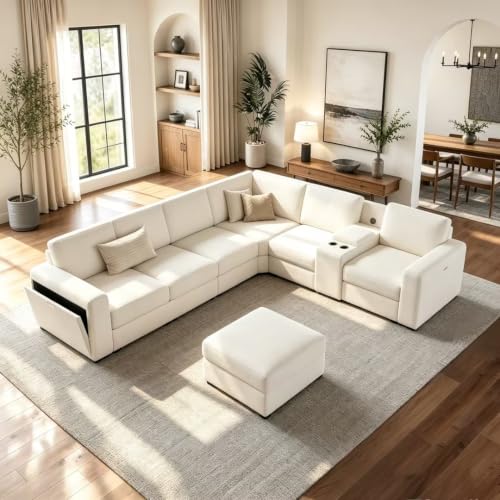
Vesgantti Modular 6-Seater Chenille L Shaped Sectional Sofa, Beige | FSC-certified hardwood frame, with Ottoman, 2 Cup Holders, USB Port, Storage Box, Comfy Couch for Living Roomt Pet-friendly
Check price on Amazon
Vesgantti Modular 5-Seater Chenille L Shaped Sectional Sofa, Light Grey | FSC-certified hardwood frame, Corner Sofa with Storage Armrests, Large Comfy Couches for Living Room, Pet-friendly
Check price on AmazonReady to Choose a Hardwood Frame Couch?
Use our buyer checklist one more time: confirm the species, check for kiln-dried wood, and inspect the joinery. Then explore curated options that meet the standard.
Explore Buying Guides