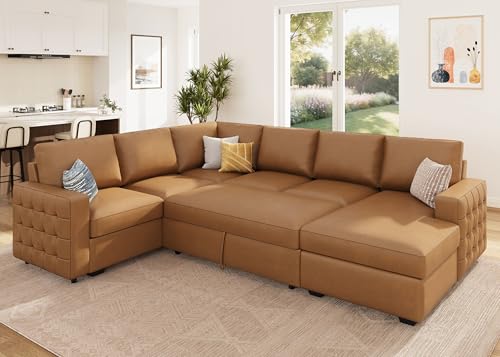
Brown Leather Sectional with Pull Out Bed: The Complete Buyer's Guide
Everything you need to know before choosing a leather sectional sleeper — from configurations and comfort tiers to sizing, maintenance, and guest-room versatility.
What Makes a Brown Leather Sectional with Pull Out Bed Worth Considering?
Brown leather has long been a staple of living room design because it pairs warmth with durability. When you combine that material with a sectional footprint and an integrated sleeper mechanism, you get a single piece of furniture that serves three roles: everyday seating, a lounging surface for movie nights, and a guest bed when friends or family stay over. Unlike a standalone sofa bed, a sectional distributes seating across an L-shaped or U-shaped configuration, which makes it easier to fit into open-plan rooms and corner layouts.
The pull out bed mechanism itself has evolved considerably. Modern models use metal frames, memory foam or innerspring mattresses, and smooth gliding tracks that extend without lifting the entire seat. That said, not all pull out sectionals are created equal. Entry-level models often prioritize the seating function, while mid-range and premium tiers invest in thicker mattresses, reinforced frames, and better upholstery. Understanding where a model sits in that spectrum is the key to matching it with your actual use case.
If you are still exploring broader options, our brown leather couch pull out bed guide covers non-sectional alternatives, and the brown leather sectional with chaise article explores configurations without a sleeper mechanism.
Types of Brown Leather Sectional with Pull Out Bed
Sectional sleepers come in several shapes, and each one suits a different room and lifestyle. Below are the most common configurations you will encounter.
L-Shaped Sectional with Pull Out Bed
The L-shape is the most popular configuration because it fits neatly into a corner while leaving the center of the room open. A pull out bed typically extends from the longer section, which means you need clear floor space in front of that side. This layout works well in medium to large living rooms and open-plan spaces where the sectional can define the seating zone without blocking traffic flow.
U-Shaped Sectional with Sleeper
U-shaped sectionals offer the most seating and a strong conversational layout, but they demand more floor space. The pull out bed in a U-shaped model often extends from one of the side sections, so verify the extension direction before you commit. These are excellent for large families or households that entertain frequently.
Reclining Sectional with Pull Out Bed
Combining reclining seats with a sleeper mechanism is a premium feature set. Reclining sectionals add motors or manual levers, which increases the frame complexity, so the build quality of the mechanism matters even more. If relaxation is your priority, our brown leather sectional with recliner article dives deeper into that category.
Modular Sectional with Pull Out Bed
Modular designs let you rearrange the components, which is useful if you move frequently or want to reconfigure the room later. The sleeper function is usually built into one specific module, so check which piece contains the mechanism and how it connects to the rest of the set.
Leather Grades and What They Mean for Durability
Not all brown leather is the same. The grade of leather affects how the sectional ages, how it feels, and how much maintenance it requires. Here is a practical breakdown.
- Full-grain leather: The highest grade, retaining the natural grain. It develops a patina over time and is extremely durable. Typically found in premium and luxury tiers.
- Top-grain leather: Slightly sanded to remove imperfections, still very durable and softer to the touch. Common in mid-range to premium sectionals.
- Corrected-grain leather: Heavily processed and often embossed with a uniform pattern. More resistant to scratches but less breathable. Found in entry-level and mid-range models.
- Bonded leather: A composite of leather fibers and polyurethane. It looks uniform but is the least durable over the long term. Best suited for low-traffic rooms or starter apartments.
- Faux leather (polyurethane or vinyl): Not genuine leather, but easier to clean and more consistent in color. A practical choice for households with pets or young children.
For a sleeper sectional, the leather on the seating area takes more abrasion from daily use, while the mattress and frame handle the convertible function. If you want a broader comparison of materials, our brown leather couch and chair set guide discusses how leather performs across different furniture pieces.
Leather care tip
Condition genuine leather every three to six months with a pH-balanced leather conditioner. Avoid silicone-based products, which can dry out the hide over time. For faux leather, a damp microfiber cloth is usually sufficient.
Pull Out Bed Mechanisms: What to Look For
The sleeper mechanism is the component most likely to fail first, so it deserves close attention. There are three main types used in leather sectionals.
1. Fold-Out Metal Frame (Traditional Sleeper)
This is the most common design. A metal frame folds out from under the seat cushions, and the mattress unfolds with it. Look for reinforced steel tubing, smooth gliding tracks, and a locking mechanism that holds the frame securely when extended. Entry-level models sometimes use thinner metal and simpler hinges; mid-range and premium models typically use heavier-gauge steel and better welds.
2. Pull-Out Trundle-Style Bed
Some sectionals use a trundle-style mechanism where the bed slides out horizontally and then pops up to full height. This design is often found in compact models and can be easier to operate in tight spaces. The trade-off is that the mattress is usually thinner.
3. Click-Clack or Futon-Style Conversion
Less common in leather sectionals, but worth knowing about. The backrest folds down flat to create a sleeping surface. This design is simpler and has fewer moving parts, but it is generally less comfortable for extended sleeping. If this style interests you, our brown leather futon couch article covers that category in detail.
Mattress Types in Pull Out Sectionals
The mattress determines how well your guests sleep. Most sleeper sectionals use one of three mattress types.
- Innerspring mattress: The traditional choice. Durable and supportive, but can develop pressure points over time. Common in entry-level and mid-range models.
- Memory foam mattress: Conforms to the body and isolates motion. Often found in premium and luxury tiers because it packs more comfort into a thinner profile.
- Air-over-coil or hybrid mattress: Combines foam comfort layers with coil support. A balanced option that appears in mid-range to high-end tier sectionals.
Mattress thickness matters too. Thinner mattresses (around 4 inches) are easier to fold but less comfortable for adults. Thicker mattresses (6 inches or more) provide better support but require a more robust frame and more storage space inside the sofa. If you plan to use the bed frequently, prioritize a thicker, higher-spec mattress.
How to Measure Your Room for a Sectional Sleeper
Measurement is the step most buyers rush, and it is the most common source of regret. Follow this sequence.
- Measure the wall length where the sectional will sit. Account for any radiators, vents, or doorways.
- Measure the depth of the sectional in its seating position and add the extension depth of the pull out bed. You need clear floor space for the bed to fully extend.
- Check walkway clearance. Leave at least 18 inches between the sectional and other furniture or walls to keep traffic flowing.
- Verify doorway and hallway widths for delivery. Sectionals often ship in multiple boxes, but the largest module still needs to fit through your entry.
- Consider ceiling height if you choose a reclining model, since the backrest may need room to recline.
For a deeper walkthrough, our brown leather pull out couch guide includes a room-by-room measurement checklist that applies equally to sectionals.
Comparing Tiers: What You Get at Each Level
Rather than focusing on numbers, it helps to understand what changes as you move up the quality spectrum. The table below uses universal tier descriptors so you can compare models regardless of retailer or region.
| Tier | Leather Type | Frame & Mechanism | Mattress | Best For |
|---|---|---|---|---|
| Entry-level | Bonded or corrected-grain leather | Standard steel frame, basic gliding tracks | Thin innerspring (around 4 inches) | Occasional guest use, starter apartments |
| Mid-range | Top-grain leather or high-quality faux leather | Reinforced frame, smoother gliding mechanism | Innerspring or hybrid (5–6 inches) | Regular family use, weekly overnight guests |
| Premium | Top-grain or full-grain leather | Heavy-duty frame, precision gliding tracks | Memory foam or hybrid (6+ inches) | Frequent use, households that host often |
| Luxury | Full-grain leather with natural patina | Commercial-grade frame, motorized or self-locking mechanism | High-density memory foam, custom mattress | Daily sleeping, long-term investment |
A useful rule of thumb: if the bed will be used more than twice a month, move up at least one tier from the entry-level range. The mechanism and mattress quality make a noticeable difference in comfort and longevity.
Brown Leather Color Variations and Room Pairing
"Brown" is a broad category. The shade you choose affects how the sectional interacts with your walls, flooring, and lighting.
- Chocolate brown: Deep and rich, works well in rooms with warm wood tones and cream walls. Hides minor wear better than lighter shades.
- Cognac or caramel: Warmer and more inviting, pairs beautifully with navy, sage green, and off-white. Our caramel leather couch guide explores this shade in depth.
- Espresso: Nearly black-brown, creates a sleek, modern look. Reflects less light, so it works best in well-lit rooms.
- Tan or saddle: Lighter and more casual, ideal for coastal or rustic interiors. Shows scratches more readily, so consider a top-grain finish.
If you are pairing the sectional with accent pieces, our brown leather accent chair set of 2 article offers complementary styling ideas.
Comfort and Support: What to Test Before Buying
Comfort is subjective, but there are objective factors worth evaluating, whether you shop in person or read specifications online.
- Seat depth: Deeper seats (22–24 inches) suit lounging; shallower seats (20–22 inches) suit upright sitting and conversation.
- Seat height: Around 18–20 inches is comfortable for most adults. Lower seats can be harder to rise from.
- Cushion fill: High-density foam holds its shape longer than low-density foam. Feather-blend cushions feel plush but require fluffing.
- Back support: Look for a backrest height that supports the shoulders, not just the lower back.
- Bed surface: If possible, test the extended bed for pressure points. A mattress topper can compensate for a thinner mattress.
Pro tip for online buyers
Check the product specifications for seat depth, seat height, mattress thickness, and frame material. If those details are missing, that is usually a sign the listing is thin on quality information — consider a model with fuller specs.
Maintenance and Longevity
A leather sectional with a sleeper mechanism has two maintenance tracks: the leather and the mechanism.
Leather care
- Dust weekly with a soft, dry cloth.
- Wipe spills immediately with a damp microfiber cloth — do not rub.
- Condition genuine leather every three to six months.
- Keep the sectional out of direct sunlight to prevent fading and cracking.
- Avoid harsh chemical cleaners, which can strip the finish.
Mechanism care
- Vacuum the mattress and mechanism area monthly to remove dust and debris.
- Lubricate metal joints and tracks annually with a silicone-based lubricant.
- Do not force the mechanism if it resists — check for obstructions first.
- Store the mattress folded only as designed; do not leave it extended for long periods unless the frame is designed for it.
For a fuller routine, our couch care and maintenance section covers cleaning schedules and product recommendations.
Common Mistakes to Avoid
- Buying without measuring the extension depth. The bed needs clear floor space; a sectional that blocks a doorway when extended is a daily annoyance.
- Assuming all leather is equal. Bonded leather and full-grain leather behave very differently over five years.
- Ignoring the mattress thickness. A thin mattress is fine for occasional use but not for regular sleeping.
- Overlooking the mechanism's weight rating. Check the frame's supported weight and compare it with your household's needs.
- Skipping the delivery path check. Measure doorways and stairwells before ordering a large sectional.
Frequently Asked Questions
Is a brown leather sectional with pull out bed comfortable for daily sleeping?
A pull out bed in a leather sectional is best suited for occasional or guest use. Top-tier models with memory foam mattresses and reinforced frames offer better comfort for regular sleeping, while entry-level models are more appropriate for short-term stays.
How do I measure a room for a brown leather sectional with pull out bed?
Measure the wall where the sectional will sit, the depth of the extended bed, and the clearance for walkways. Leave at least 18 inches of space for the pull out mechanism to fully extend and ensure doorways and vents remain unobstructed.
What is the difference between genuine leather and faux leather in a sectional?
Genuine leather develops a natural patina and is highly durable but requires conditioning. Faux leather is more uniform, easier to clean, and typically more consistent in color, though it may not age as gracefully. Both can work well in a pull out sectional depending on your lifestyle.
Can a brown leather sectional with pull out bed fit in a small living room?
Yes, if you choose a compact or L-shaped configuration designed for small spaces. Measure the footprint carefully, consider a chaise-style sectional, and ensure the pull out bed has room to extend without blocking doorways.
How do I maintain a leather sectional with a pull out bed mechanism?
Clean leather with a damp cloth and leather conditioner every few months. Vacuum the mattress and mechanism area regularly, lubricate metal joints annually, and avoid placing the sectional in direct sunlight to prevent fading and cracking.
Ready to explore your options?
Browse our curated selection of brown leather sectionals with pull out beds and compare features side by side.
Explore Brown CouchesFor related configurations, see our brown leather sectional with chaise and brown leather couch pull out bed guides. If you have questions about this article, feel free to contact us.