
Cantilever Umbrella Fabric Replacement
Your complete guide to restoring a cantilever umbrella with fresh fabric. Learn how to identify when a replacement is needed, choose the right canopy fabric, and install it correctly for years of reliable shade.
Why this guide matters: A cantilever umbrella is a long-term outdoor investment, and the canopy is the part that wears first. Rather than discarding an entire umbrella frame when the fabric fades or tears, a targeted fabric replacement restores both appearance and performance. This guide walks you through every decision point so you can act with confidence.
Why Cantilever Umbrella Fabric Wears Out
Cantilever umbrellas stay exposed to the elements for most of the year. Sun exposure breaks down the dyes and fibers in the canopy, while rain, wind, and debris gradually weaken seams and attachment points. Even premium fabrics eventually show their age. Understanding the wear patterns helps you decide whether a replacement canopy is the right path forward.
Common failure points include the top hub where fabric meets the ribs, the zipper or attachment channel, and the valance edges that receive the most wind stress. In many cases the frame remains structurally sound, which makes fabric replacement a practical and sustainable choice.
Signs Your Umbrella Needs New Fabric
- Visible fading: Colors that have washed out unevenly often signal UV degradation of the fabric fibers.
- Tears or holes: Small tears can spread quickly under wind load, so early replacement prevents further damage.
- Sagging canopy: Fabric that no longer sits taut over the ribs provides less shade and collects water.
- Mold or mildew stains: Persistent stains that survive cleaning indicate the fabric has absorbed moisture beyond recovery.
- Loss of water repellency: Water that soaks through instead of beading up means the protective finish has worn away.
If you notice several of these signs at once, replacement is usually the most efficient route. A single minor issue may still be worth cleaning and re-treating first.
Choosing the Right Replacement Fabric
The fabric you select determines how the umbrella performs in sun, rain, and wind. Two materials dominate the replacement market: solution-dyed acrylic and high-grade polyester. Each has strengths worth weighing against your climate and usage.
Solution-Dyed Acrylic
Acrylic fibers are dyed before the yarn is woven, which makes the color resistant to fading. The fabric breathes well, resists mildew, and maintains a soft hand. It is the common choice for premium and top-tier replacement canopies. In sustained direct sun, acrylic holds its appearance longer than most alternatives.
High-Grade Polyester
Polyester tends to be more water-resistant and is often treated with UV inhibitors and water-repellent finishes. It is typically found in mid-range replacement canopies. Quality varies widely, so look for tight weave density and reinforced stitching. Entry-level polyester may fade faster in harsh sun.
Other Options
Some replacement canopies use olefin or blended fabrics. These can be serviceable for seasonal or shaded installations, but they generally trail acrylic and premium polyester in long-term performance. For a canopy that must survive year-round exposure, favor the higher tiers.
Fabric Tier Comparison
| Tier | Typical Material | Best For |
|---|---|---|
| Entry-level | Standard polyester | Seasonal use, shaded patios, short-term setups |
| Mid-range | UV-treated polyester | Regular sun exposure, mixed climates |
| Premium | Solution-dyed acrylic | Year-round sun, fade resistance priorities |
| Top-tier | High-grade acrylic with water-repellent finish | Demanding coastal or windy environments |
This classification reflects relative market positioning rather than any specific figure. Mid-range canopies generally offer a better balance of durability and weather resistance than entry-level options, while premium and top-tier fabrics are built for the longest service life.
Measuring Your Umbrella for a Replacement Canopy
Accurate measurements prevent fit problems. Before ordering, record the following dimensions:
- Canopy diameter: Measure across the widest point of the open umbrella, from rib tip to rib tip.
- Rib count: Count the number of ribs supporting the canopy, as replacement canopies are matched to rib count.
- Center hub style: Note whether the canopy attaches with a top cap, a hub ring, or a zippered channel.
- Frame shape: Square, octagonal, and rectangular frames require different canopy patterns.
If your umbrella uses a proprietary attachment, check the manufacturer's model number. Many brands sell direct replacement canopies keyed to specific frames. When a direct match is unavailable, a universal replacement may work if the rib count and diameter align.
Step-by-Step Fabric Removal
Step 1: Lower and Secure the Umbrella
Close the umbrella and lock the crank or tilt mechanism. Work in calm weather so the frame does not shift while you handle the fabric.
Step 2: Detach the Canopy Attachments
Depending on your model, unzip the canopy channel, release hook-and-loop straps, or remove the top cap. Keep small hardware in a labeled container.
Step 3: Slide the Fabric Off the Ribs
Work around the frame progressively rather than pulling from one side. This reduces stress on the ribs and makes the fabric easier to remove.
Step 4: Inspect the Frame
Check ribs, the hub, and the crank housing for rust, bends, or loose fasteners. Address small issues before installing the new canopy so the replacement sits correctly.
Installing the Replacement Canopy
Step 1: Orient the Canopy
Lay the new fabric over the frame with the top hub aligned and the valance edges positioned correctly. Most canopies have a clear front and back.
Step 2: Attach the Hub or Top Cap
Secure the center attachment first. This anchors the fabric and keeps it aligned as you work around the ribs.
Step 3: Thread the Ribs
Slide each rib pocket or channel onto its rib, working evenly around the frame. A second person helps stretch the fabric and hold the umbrella steady.
Step 4: Close the Zipper or Fasteners
Zip or fasten the canopy channel, then tension the fabric according to the manufacturer's instructions. The canopy should sit taut without straining the seams.
Step 5: Open and Test
Open the umbrella slowly and check that the fabric clears the ribs and the mechanism operates smoothly. Make small adjustments if any area is pulling unevenly.
Caring for Your New Canopy
A properly cared-for canopy can last several seasons longer than a neglected one. Simple habits make a real difference:
- Clean with mild soap and water, then rinse thoroughly and allow to air dry fully before closing.
- Close the umbrella during high winds and storms to reduce stress on seams and ribs.
- Store the canopy dry during off-season months to prevent mildew.
- Re-apply a fabric protectant designed for outdoor canopies when water no longer beads on the surface.
If you are also refreshing other outdoor upholstery, our guide to canvas replacement for outdoor chairs covers similar fabric selection principles. For sling-style seating, see chaise lounge sling replacement fabric.
Related Upkeep and Replacement Projects
Cantilever umbrella maintenance often overlaps with broader patio care. If your outdoor seating cushions are also showing wear, our article on outdoor couch cushion options explains how to evaluate replacement cushions by tier and material. For deeper cleaning guidance, the overview of carpet and upholstery cleaning services can help you decide when professional cleaning is worthwhile.
When the canopy and cushions are both due for replacement, planning the projects together can simplify ordering and installation. Keeping a consistent material strategy across outdoor pieces also helps maintain a cohesive look.
Frequently Asked Questions
How do I know when my cantilever umbrella fabric needs replacing?
Look for fading, tears, a sagging canopy, persistent mold stains, and water that no longer beads on the surface. When several of these signs appear together, replacement is usually the most practical solution.
Can I replace just the fabric without buying a whole new umbrella?
Yes, in most cases. Many cantilever umbrellas have removable canopies that attach with zippers, hook-and-loop fasteners, or a hub-and-rib system. Check your model and frame design before ordering a replacement.
What fabric is best for a cantilever umbrella replacement?
Solution-dyed acrylic and high-grade polyester are the most common choices. Acrylic offers excellent fade resistance and breathability, while polyester tends to be more water-resistant. Top-tier replacements often combine acrylic with water-repellent finishes.
How long does a fabric replacement take?
For a single-person DIY replacement, expect about 30 to 60 minutes, including removal, frame inspection, and installation. Some canopies benefit from a second person to help stretch the fabric over the ribs.
Ready to Restore Your Cantilever Umbrella?
Browse replacement canopy options matched to your frame and climate needs, then follow the installation steps above for a smooth, long-lasting result.
Explore Replacement OptionsRecommended Cantilever Umbrella Fabric Replacements
⚠️ AFFILIATE DISCLOSURE: This website contains affiliate links. As an affiliate Associate, we earn from qualifying purchases. If you make a purchase through these links, we may receive a small commission at no additional cost to you. Read our full affiliate policy.
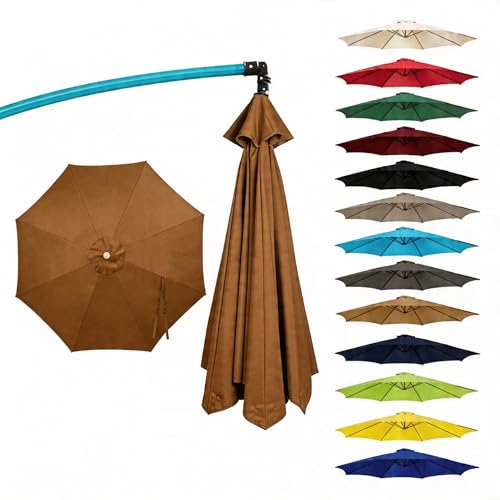
11FT Cantilever Patio Umbrella Replacement Canopy, 8 Ribs 64"-66" | Fits Cantilever, Offset & Market Umbrellas; Heavy-Duty Fade-Resistant Fabric;Waterproof UV50+; Deep Rib Pockets; Easy Install
Check price on Amazon
10ft Round Offset Umbrella Canopy Replacement, 8-Rib Cantilever Patio Umbrella Top, Uv-Proof Canvas Fabric for Garden Pool Parasol Taupe Single top-3m(10ft)
Check price on Amazon
11FT Cantilever Patio Umbrella Replacement Canopy, 8 Ribs 64"-66" | Fits Cantilever, Offset & Market Umbrellas; Heavy-Duty Fade-Resistant Fabric;Waterproof UV50+; Deep Rib Pockets; Easy Install
Check price on Amazon