
Carpet Cleaning and Upholstery Cleaning
Your complete guide to professional-grade cleaning methods, fabric-safe techniques, and long-term protection for carpets, couches, and every woven surface in your home.
Explore Cleaning MethodsWhy this matters: Carpets and upholstery trap dust, allergens, oils, and pet dander deep within their fibers. Without proper cleaning, these materials break down faster and compromise indoor air quality. This guide walks you through every decision — from choosing between professional services and DIY extraction to matching the right cleaning agent with your specific fabric type.
Understanding Carpet and Upholstery Cleaning
Carpet cleaning and upholstery cleaning are related disciplines, but they serve different materials and require distinct approaches. Carpets are dense, high-pile floor coverings engineered to withstand heavier agitation, higher moisture levels, and aggressive extraction. Upholstery — the fabric or leather covering on couches, chairs, and cushions — is far more delicate. It wraps foam, batting, and structural frames that can be damaged by oversaturation, and its weave patterns often demand pH-balanced solutions with minimal residue.
Because of these differences, a single cleaning method rarely works for both surfaces. A hot-water extraction machine that performs beautifully on a plush carpet can leave a velvet sofa waterlogged and prone to mildew if used without the correct attachment and moisture control. Understanding the distinction is the foundation of effective, safe cleaning — whether you hire a professional service or invest in your own equipment.
Why Regular Cleaning Extends the Life of Carpets and Upholstery
Every time someone walks across a carpet or sits on a couch, microscopic particles — soil, skin cells, oils, and food residue — work their way into the fibers. Over time, these particles act like tiny abrasives, cutting and weakening individual strands. On upholstery, body oils and sweat gradually degrade fabric backing and foam elasticity. Regular cleaning removes these contaminants before they cause irreversible damage. Beyond longevity, clean carpets and upholstery contribute to healthier indoor air, reduce allergy triggers, and preserve the visual appeal of your living space.
How Often Should You Clean?
Frequency depends on traffic, pets, and material type. High-traffic carpeted areas — hallways, living rooms, and entryways — benefit from professional deep cleaning every 12 to 18 months, with vacuuming two to three times per week in between. Upholstery used daily should be refreshed every 6 to 12 months. Households with pets, children, or allergy sufferers may need to shorten these intervals. Delicate fabrics such as velvet or silk require gentler, more frequent maintenance to prevent soil from settling permanently.
Carpet vs. Upholstery Cleaning: Key Differences
The table below summarizes how cleaning approach, moisture tolerance, and recommended methods differ between carpets and upholstery. Use this as a quick reference before selecting a product or professional service.
| Factor | Carpet Cleaning | Upholstery Cleaning |
|---|---|---|
| Fiber density | High pile, densely woven | Looser weave, often backed with foam |
| Moisture tolerance | Moderate to high (with proper drying) | Low to moderate (oversaturation risk) |
| Recommended method | Hot-water extraction, encapsulation, dry cleaning | Low-moisture foam, dry solvent, gentle extraction |
| Typical cleaning agent | Alkaline or neutral detergent | pH-balanced, fabric-specific solution |
| Drying time | 6–12 hours | 2–6 hours (low-moisture methods faster) |
| Risk of shrinkage | Low | Moderate to high on natural fibers |
| Best for | High-traffic floor areas, pet accidents | Delicate fabrics, leather, antique furniture |
Professional Carpet Cleaning Methods
Professional carpet cleaning services typically use one or more of the following methods. Each has strengths and ideal use cases, and many providers combine techniques for a comprehensive clean.
Hot-Water Extraction (Steam Cleaning)
The most widely recommended method for residential carpets. A pressurized solution of water and detergent is injected deep into the pile, then immediately extracted along with loosened soil. Modern truck-mounted units generate high heat and strong vacuum pressure, leaving carpets damp but not soaked. This method excels at removing embedded dirt, allergens, and pet dander. It is best suited for synthetic fibers such as nylon, polyester, and olefin. Natural fibers like wool require reduced pressure and controlled drying to avoid shrinkage.
Encapsulation Cleaning
A low-moisture method in which a polymer-based solution is worked into the carpet with a rotary brush. The solution crystallizes around soil particles as it dries, and the resulting crystals are removed with a standard vacuum. Encapsulation is ideal for commercial spaces and low-pile carpets because it allows rapid return to service — often within an hour. It is less effective on heavily soiled or high-pile carpets, where extraction methods perform better.
Dry Cleaning (Solvent-Based)
Dry cleaning uses minimal moisture and solvent-based compounds to lift soil from the carpet surface. It is a good option for delicate natural fibers, antique rugs, and situations where rapid drying is essential. Because it does not penetrate as deeply as extraction, dry cleaning is often used for maintenance between deep cleans rather than as a standalone solution for heavily soiled carpets.
Professional Upholstery Cleaning Methods
Upholstery cleaning demands a more cautious approach. The method you choose must match the fabric code — typically a letter code (W, S, WS, X) found on the furniture tag. Ignoring this code is one of the most common causes of fabric damage, color bleeding, and shrinkage.
Water-Based Cleaning (W Code)
Fabrics marked "W" can tolerate water-based cleaning agents. A low-moisture foam or gentle extraction process is used to lift soil while controlling saturation. This method works well on cotton, linen, and many synthetic blends. Technicians typically pre-test in an inconspicuous area to confirm colorfastness before proceeding.
Solvent-Based Cleaning (S Code)
Fabrics marked "S" must be cleaned with dry solvents only. Water-based solutions can cause shrinking, color loss, or permanent water rings on these materials. Professional dry-cleaning equipment circulates solvent through the fabric and extracts it without introducing moisture. Silk, velvet, and some wool blends commonly fall into this category.
Combination Cleaning (WS Code)
Fabrics marked "WS" can be cleaned with either water-based or solvent-based methods. Technicians often choose the gentlest effective option based on the specific stain and fabric condition. This flexibility makes WS fabrics the most versatile for routine maintenance.
Leather and Specialty Materials
Leather upholstery requires dedicated cleaning and conditioning products — never standard fabric solutions. A pH-balanced leather cleaner removes soil, followed by a conditioner that restores oils and prevents cracking. For suede and nubuck, specialized dry-cleaning kits or professional services are strongly recommended, as water can permanently alter the nap texture.
DIY vs. Professional Cleaning: Which Should You Choose?
Many homeowners wonder whether a rented extraction machine or a store-bought spot cleaner is sufficient. The answer depends on the soil level, material type, and how much time you can invest.
When DIY Cleaning Makes Sense
Routine maintenance, small spot treatments, and light refresh cycles are well within reach for most homeowners. A quality vacuum with HEPA filtration handles daily soil, and a fabric-appropriate spot cleaner addresses occasional spills. For carpets, a consumer-grade extraction machine works for periodic light cleaning on synthetic fibers. The key is to avoid over-wetting and to dry thoroughly — fans and open windows accelerate drying and prevent mildew.
When to Call a Professional
Deep-set stains, large-area soiling, pet accidents that have penetrated the padding, and any natural-fiber upholstery warrant professional attention. Professionals have access to high-heat extraction, specialized solvents, and the experience to pre-test fabrics safely. For valuable or antique furniture, the risk of DIY damage outweighs the savings. Scheduling a professional cleaning service every 12 to 18 months also serves as a maintenance baseline that keeps warranties intact.
Stain Removal Guide for Carpets and Upholstery
Acting quickly is the single most important factor in successful stain removal. The longer a substance sits, the more it binds to fibers. Below is a practical approach for common stains.
General Stain Removal Principles
- Blot, don't rub. Rubbing pushes the stain deeper and can distort fibers. Use a clean white cloth and press firmly from the outside inward.
- Remove solids first. Scrape up excess material with a dull edge before applying any liquid.
- Work from the edge inward. This prevents the stain from spreading.
- Rinse thoroughly. Detergent residue attracts new soil. Follow up with a clean-water blot.
- Dry completely. Use a fan or hairdryer on a cool setting to prevent moisture rings.
Common Household Stains
Coffee and tea: Blot, then apply a mild solution of dish soap and water. For upholstery, use a foam application and extract with a clean cloth. Red wine: Blot immediately, then apply a solution of hydrogen peroxide (test first) or a dedicated wine stain remover. Grease and oil: Sprinkle baking soda or cornstarch to absorb, then treat with a degreasing agent appropriate for the fabric. Pet accidents: Enzymatic cleaners are essential — they break down the proteins that cause odor. For persistent pet odor, consider professional odor elimination strategies.
Stubborn and Set-In Stains
Once a stain has dried, it becomes significantly harder to remove. Repeated light applications are safer than one aggressive treatment. For carpets, a steam extraction pass after spot treatment often lifts residual material. On upholstery, a low-moisture foam worked in gently with a soft brush can release set-in soil without saturating the padding. If a stain persists after two or three attempts, stop — over-treatment can damage the fabric more than the stain itself.
Fabric Protection and Long-Term Maintenance
Cleaning is only half of the equation. Protecting carpets and upholstery between cleanings dramatically extends their useful life and keeps them looking fresh.
Fabric Protectors
Fluoropolymer-based fabric protectors create an invisible barrier that repels liquids and prevents soil from bonding to fibers. They are available for both carpets and upholstery, though the formulations differ. Apply protectors only after a thorough cleaning, and always follow the manufacturer's instructions for drying and curing time. Reapplication every 12 to 24 months maintains the barrier.
Daily and Weekly Habits
- Vacuum carpets two to three times per week in high-traffic areas.
- Use a upholstery attachment to vacuum couch cushions weekly.
- Rotate and flip cushions regularly to distribute wear evenly.
- Address spills immediately — keep a fabric-appropriate spot kit on hand.
- Use doormats at entrances to reduce tracked-in soil.
- Keep pets' nails trimmed to prevent snags and tears.
Seasonal Deep Cleaning
Beyond routine maintenance, a seasonal deep clean resets the material. Spring and fall are ideal times — open windows and moderate humidity aid drying. For carpets, schedule professional extraction in spring to remove winter's accumulated salt and grit. For upholstery, a fall refresh removes summer sweat and sunscreen residue before the home closes up for colder months.
Essential Equipment and Tools
Whether you maintain your own home or supplement professional services, having the right tools makes every task safer and more effective. The table below categorizes equipment by tier and primary use.
| Tier | Tool / Equipment | Best For |
|---|---|---|
| Essential tier | HEPA vacuum with upholstery attachment | Daily soil removal, allergen control |
| Essential tier | Fabric-specific spot cleaner kit | Immediate spill response |
| Mid-tier | Portable low-moisture extraction unit | Upholstery refresh, small carpet areas |
| Mid-tier | Soft-bristle upholstery brush | Gentle agitation on woven fabrics |
| High-end tier | Canister or truck-mounted hot-water extractor | Deep carpet cleaning, large areas |
| Professional-grade | Encapsulation rotary machine | Commercial carpets, rapid return to service |
| Professional-grade | Dry solvent cleaning system | Delicate fabrics, S-code upholstery |
Recommended Carpet and Upholstery Cleaning Products
⚠️ AFFILIATE DISCLOSURE: This website contains affiliate links. As an affiliate Associate, we earn from qualifying purchases. If you make a purchase through these links, we may receive a small commission at no additional cost to you. Read our full affiliate policy.

BISSELL Little Green Mini Portable Carpet Cleaner, 4075 | HydroRinse self-cleaning tool; 4-in. tough stain tool; upholstery & car detailing; Tea Green color
Check price on Amazon
BISSELL Little Green Multi-Purpose Portable Carpet Cleaner, 1400B | Multi-surface upholstery cleaning; exclusive specialty tools included; car & auto detailing; Green color
Check price on Amazon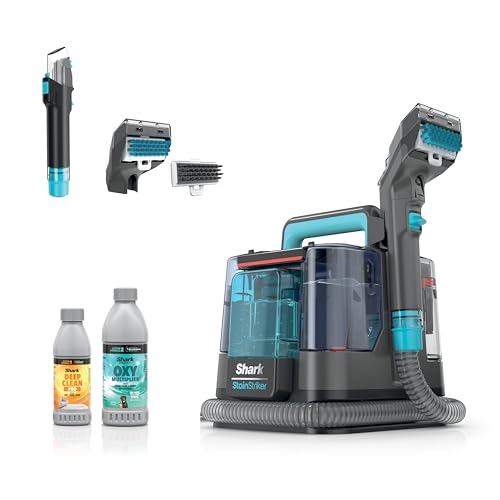
Shark StainStriker Portable Spot & Stain Cleaner, 2 Tools, PX221BRN | For Carpet, Upholstery & Rugs, Stain & Odor Remover, Deep Clean Pro & OXY Formulas, Self-Clean, 3.5" Stain & Crevice Tools
Check price on Amazon
Stardrops The Pink Stuff Carpet & Upholstery Cleaner 16.9 Fl Oz | Foaming oxi formula, built-in scrubbing brush, targets carpet and upholstery stains
Check price on Amazon
Chemical Guys, Lightning Fast Carpet & Upholstery Stain Extractor, 16 oz | Tackles coffee, soda, wine and pet messes on carpet, seats and mats, just spray, agitate and blot for a clean look.
Check price on Amazon
BISSELL® Woolite® Advantage Carpet & Upholstery Cleaner 4 Pack, 3325
Check price on Amazon
Shark StainStriker Portable Carpet/Upholstery Cleaner, 4 Tools, PX202BRN | For Carpet, Upholstery & Area Rugs, Stain & Odor Remover, Full Size Solutions, 3.5" Stain, 7" Stain, Crevice & Pet Mess Tools
Check price on Amazon
Hoover PowerScrub Deluxe Carpet Cleaner Machine, Pet & Upholstery Tools | Deep Cleaning Carpet Shampooer Machine, SpinScrub Brushes, HeatForce Drying, Pair with Hoover Carpet Cleaner Solution
Check price on AmazonFrequently Asked Questions
How often should I clean my carpet and upholstery?
High-traffic carpets benefit from professional deep cleaning every 12 to 18 months, while upholstery should be refreshed every 6 to 12 months depending on use and fabric type. Households with pets or allergy sufferers may need more frequent intervals.
What is the difference between carpet cleaning and upholstery cleaning?
Carpet cleaning focuses on floor coverings with high pile density, while upholstery cleaning targets woven fabrics, leather, and foam-filled furniture that requires gentler, low-moisture methods. The cleaning agents, equipment attachments, and drying protocols differ significantly.
Can I use the same cleaning solution on both carpet and upholstery?
No. Upholstery fabrics are more delicate and often require pH-balanced, low-residue solutions, while carpets can typically handle stronger agitation and higher-moisture extraction. Always check the fabric code on your furniture tag before applying any product.
How long does carpet and upholstery cleaning take to dry?
Carpets typically dry within 6 to 12 hours with proper ventilation, while upholstery cleaned with low-moisture methods can dry in 2 to 6 hours. Using fans and open windows accelerates drying and prevents mildew growth.
Is professional cleaning safe for all fabrics?
Professional cleaners pre-test fabrics and select methods based on the manufacturer's cleaning code (W, S, WS, or X). When performed correctly, professional cleaning is safe for most fabrics. However, some vintage or unstable dyes may still require specialized handling.