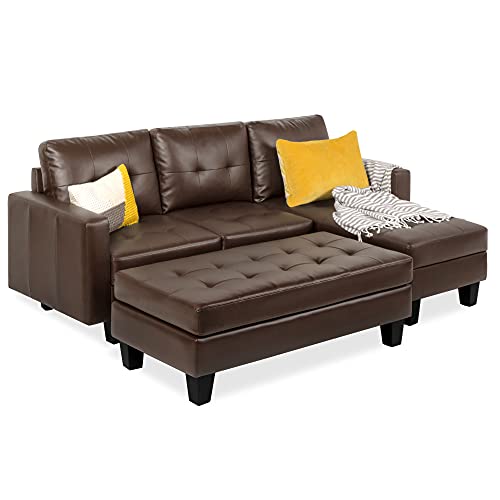
Coffee Table for Couch with Chaise: Complete Buying Guide
Choosing the right coffee table for a chaise couch is about more than style. It is about proportion, clearance, and how you actually use the extended lounging section every day. This guide walks you through sizing, shape, material, and placement so your living room feels balanced and effortless.
A couch with a chaise is one of the most practical seating choices for modern living rooms. It offers a dedicated spot to stretch out while still seating several people comfortably. The challenge is that the chaise extension changes the geometry of the room. A coffee table that works perfectly with a standard sofa can suddenly feel off-center, too long, or awkward to walk around when paired with a chaise couch.
This guide is written for homeowners and renters who already know they want a chaise couch and are now researching the companion piece that ties the seating area together. You will find sizing formulas, shape comparisons, material guidance, and placement strategies that keep the chaise usable without sacrificing the coffee table's role as a functional centerpiece.
If you are still deciding on the couch itself, you can explore the broader chaise lounges category or compare a few specific layouts such as the chaise couch with pull out bed and the chocolate brown sectional with chaise. Once the couch is settled, the coffee table becomes the next decision that shapes how the whole room functions.
Why a Chaise Couch Changes the Coffee Table Equation
A standard sofa is a single rectangle, so the coffee table sits centered in front of it and the layout is predictable. A chaise couch is an L-shaped or asymmetric footprint. One side runs long enough for someone to recline, while the rest of the couch faces forward. That asymmetry creates two seating zones with different needs.
The main seating section needs a table within easy reach for drinks, laptops, and remote controls. The chaise section needs clearance so a person can lie back, swing their legs, or step around the extended end. A coffee table that ignores this difference either blocks the chaise or drifts too far from the main seating area to be useful.
The two-zone thinking approach
Treat the chaise couch as two zones that share one room. The forward-facing zone is the primary conversation and media area. The chaise zone is a lounging and reading area. A well-chosen coffee table anchors the primary zone and leaves the chaise zone open enough to be comfortable. In larger rooms, a secondary side table or a small nesting table near the chaise can serve the lounging zone without crowding it.
Coffee Table Sizing for a Couch with Chaise
Size is the most common source of regret in coffee table purchases. A table that is too large overwhelms the chaise and blocks circulation. A table that is too small feels lost and forces people to lean forward to reach their drinks. The goal is a table that reads as proportional to the main seating section and leaves clear walkways around the chaise.
The two-thirds length guideline
Measure the length of the forward-facing seating section, which is the part of the couch that faces the room. A coffee table that is roughly two-thirds of that length usually looks balanced. For a couch with a main seating section around 60 to 84 inches, that typically points to a table in the 36 to 56 inch range. The chaise extension is not included in this measurement because the table should not extend into the lounging zone.
Height and depth
A coffee table should sit close to the height of the couch seat cushion, usually within one to three inches of it. That keeps drinks and plates within easy reach without forcing anyone to lean down awkwardly. Depth is often more flexible than length. A table between 20 and 30 inches deep works for most chaise couches, with deeper tables better suited to large rooms and shallower tables better for narrow spaces.
Clearance matters more than exact dimensions
Leave at least 14 to 18 inches between the coffee table and the chaise so the lounging section stays usable. On the main seating side, 18 inches is a comfortable minimum for knees and movement. If the room is tight, a slim oval or a nesting table can preserve circulation while still giving the chaise a functional surface nearby.
| Main seating length | Suggested table length | Typical table depth | Best for |
|---|---|---|---|
| Up to 60 inches | 32 to 40 inches | 18 to 24 inches | Compact chaise couches and apartment living rooms |
| 60 to 72 inches | 36 to 48 inches | 20 to 26 inches | Standard chaise couches in mid-sized rooms |
| 72 to 84 inches | 44 to 56 inches | 22 to 28 inches | Large chaise couches and open-plan living areas |
| 84 inches and above | 52 to 64 inches | 24 to 30 inches | Oversized sectionals with a chaise extension |
Use the table above as a starting point, then adjust for the specific clearance in your room. A tape measure and a few pieces of painter's tape on the floor are the fastest way to test a footprint before buying. Mark the couch outline, the chaise extension, and the proposed table footprint, then walk the room to see if the circulation feels natural.
Choosing the Right Shape for a Chaise Couch
Shape does as much work as size when it comes to making a chaise couch feel balanced. The right shape softens the L-shaped footprint, keeps sightlines open, and makes the chaise easier to step around.
Rectangular tables
A rectangle is the most predictable choice for a chaise couch. Its straight lines echo the front of the main seating section and create a clean anchor for the room. Rectangular tables are especially effective in narrow rooms where an oval would waste space. Look for rounded corners or a softened edge profile if the table sits near the chaise, since sharp corners are the most common source of bruised shins in chaise layouts.
Round and oval tables
Round and oval tables soften the angular footprint of a chaise couch and make it easier to walk around the extended end. They are a strong choice for family rooms where children or pets move through the space, because there are no sharp corners to catch on clothing or legs. An oval table also fits well in front of a couch with a chaise when the room is wide enough to allow a little breathing room on each side.
Square and nesting tables
A square table can work well with a compact chaise couch, but it needs careful placement so it does not look like it is drifting toward the chaise. Nesting tables and low-profile modular sets are the most flexible option for chaise layouts. They allow you to pull a smaller surface toward the chaise when someone is lounging, then tuck it back under the main table when the room needs to feel open.
Asymmetric and organic shapes
Organic, kidney, and asymmetric shapes are increasingly popular for chaise couches because they mirror the couch's own asymmetry. They work best in larger rooms where the table has room to breathe. In tight spaces, an irregular shape can make circulation harder to read, so a simple oval or rectangle is usually the safer choice.
Material and Finish: Matching the Table to the Couch
The coffee table does not need to match the couch exactly, but the two pieces should feel like they belong in the same room. The right combination depends on the couch upholstery, the room's light, and how much daily wear the table will see.
Wood tables
Wood is the most versatile companion for a fabric chaise couch. A warm oak, walnut, or ash top adds texture and softens the visual weight of a large upholstered piece. Mid-tone woods pair well with grey, beige, and navy couches. Darker woods create contrast with light upholstery and work nicely in rooms with a more formal or traditional feel. If the couch has visible wood legs, echoing that tone in the coffee table is an easy way to create cohesion.
Stone and marble tables
Stone-topped tables bring a crisp, architectural quality to a chaise couch layout. They work especially well with leather and performance fabric couches because the cool surface balances the warmth of the upholstery. Marble and quartz tops are durable and easy to wipe clean, which matters in a room where the chaise encourages snacks, drinks, and long lounging sessions. Keep in mind that stone is heavy, so the table should be positioned where it will not need to be moved often.
Glass and metal tables
Glass tops visually lighten a room, which is helpful when a chaise couch already takes up a lot of floor space. A glass table with a metal frame reads as airy and modern, and it lets the rug or flooring show through. Metal accents, such as brass, blackened steel, or brushed nickel, can tie into lamp bases, curtain rods, or hardware elsewhere in the room. Glass shows smudges more readily, so it suits households that prefer a polished look and do not mind regular cleaning.
Upholstered and leather-wrapped tables
Upholstered ottoman-style tables are a natural fit for chaise couches because they double as extra seating or a footrest. They soften the room and are forgiving in family spaces. Leather-wrapped tables add a tailored feel and pair well with leather chaise couches, but they need conditioning to stay looking their best. If you choose an upholstered table, pick a performance fabric or a tight weave that resists staining.
Placement Strategies for a Balanced Layout
Placement determines whether the coffee table feels like part of the seating group or an obstacle. The chaise extension makes this more delicate than a standard sofa layout, but a few consistent principles keep the room working.
Anchor to the main seating section
Center the coffee table on the forward-facing seating section, not on the full couch length. This keeps the table within reach of everyone seated on the main section and leaves the chaise as a distinct lounging zone. In open-plan rooms, you can also align the table with the room's focal point, such as a fireplace or media console, so the seating group reads as one intentional arrangement.
Respect the chaise clearance
The chaise needs room to be used. Leave at least 14 to 18 inches between the table and the chaise edge so someone can recline, stretch out, or step around the end without bumping the table. If the room is tight, shift the table slightly toward the main seating side rather than pushing it into the chaise zone. A smaller table that respects clearance is almost always better than a larger table that blocks the lounging section.
Use rugs to define the zone
A rug is one of the most effective tools for making a chaise couch and coffee table feel like a single composition. The front legs of the couch and the chaise should sit on the rug, and the coffee table should sit fully on it. This anchors the seating group and visually separates it from walkways and adjacent rooms. A rug that is too small will make the chaise feel disconnected, so choose a size that extends at least a few inches beyond the front edge of the table.
Add secondary surfaces near the chaise
In larger rooms, a small side table or a C-table near the chaise end can serve the lounging zone without pulling the main coffee table off-center. This is especially useful for reading lamps, a mug of coffee, or a laptop. Keep the secondary surface visually lighter than the main table so it does not compete for attention. A slim metal C-table or a small nesting table works well in this role.
Plan walkways before you commit
Chaise couches often sit in rooms with multiple circulation paths, such as between the living room and a dining area or hallway. Mark the proposed table footprint with tape and walk the room from every entry point. If a walkway feels pinched, reduce the table size or choose a shape with rounded edges that is easier to pass. A coffee table that forces people to turn sideways to get through the room will quickly become a frustration, no matter how good it looks.
Matching the Coffee Table to Your Couch Style
Style is personal, but a few pairings consistently work well with chaise couches. Use these as a starting point, then adjust for your own taste and the room's existing finishes.
- Modern and minimalist: A low-profile rectangular table in matte black metal or light oak keeps the focus on the chaise couch. Pair with a solid rug and a single sculptural object on top.
- Scandinavian and relaxed: A light wood oval table with tapered legs softens the chaise footprint and pairs naturally with neutral upholstery and woven textures.
- Traditional and tailored: A dark wood table with a subtle edge profile and a lower shelf adds visual weight that balances a large upholstered chaise couch.
- Contemporary and luxe: A stone or glass top with a slim metal base creates contrast with a plush chaise couch and keeps the room feeling open.
- Family-friendly and casual: An upholstered ottoman table or a rounded wood table with a durable finish handles daily use and doubles as extra seating when guests arrive.
If you are still exploring companion pieces, the coffee tables category and the coffee table overview are useful next reads. For rooms with specific couch colors, the coffee table to go with grey couch and coffee table to go with brown leather couch guides offer more targeted pairings.
Common Mistakes to Avoid
Most coffee table regrets with chaise couches come down to a handful of avoidable issues. Checking for these before you buy will save a lot of rearranging later.
- Buying a table that is too long. A table that spans the full couch including the chaise will crowd the lounging section and make the room feel narrower than it is.
- Centering on the wrong axis. Centering the table on the full couch footprint pushes it toward the chaise and out of reach of the main seating section.
- Ignoring clearance. A beautiful table that leaves no room to step around the chaise will quickly become an obstacle.
- Choosing a shape with sharp corners near the chaise. Rounded edges or an oval shape reduce the chance of bumps in a high-traffic lounging zone.
- Matching materials too literally. The table does not need to match the couch exactly. It needs to relate to the room's finishes and the couch's undertone.
- Skipping the tape measure test. A few minutes with painter's tape on the floor is the fastest way to avoid a return or a rearranging headache.
Frequently Asked Questions
What size coffee table works best with a couch that has a chaise?
A good rule is to choose a coffee table that is roughly two-thirds the length of the sofa's main seating area, not the full chaise extension. Leave a walkway of about 14 to 18 inches between the table edge and the couch so the chaise stays usable. For most chaise couches, a table between 36 and 48 inches long keeps the layout balanced without crowding the extended section.
Should the coffee table be centered on the sofa or the whole seating group?
Center the table on the main seating section rather than the full footprint including the chaise. This keeps the table within easy reach of everyone seated on the sofa and leaves the chaise as a relaxed lounging zone. In open layouts you can also align the table with the focal point, such as a fireplace or media console, so the room reads as one cohesive arrangement.
What shape of coffee table suits a chaise couch best?
Rectangular tables echo the straight lines of a chaise couch and work well in narrow rooms. Round or oval tables soften the L-shaped footprint and make it easier to walk around the chaise without sharp corners. For modular and large sectional chaise setups, a nesting set or a low-profile square table adds flexibility and keeps sightlines open.
How much space should I leave between the coffee table and the chaise?
Keep at least 14 to 18 inches of clearance between the table and the chaise so someone can recline or stretch out without bumping the table. On the main seating side, allow around 18 inches so knees and cups have room. If the room is tight, a slim oval or nesting table can preserve circulation while still giving the chaise a functional companion surface.
Do materials need to match between the chaise couch and the coffee table?
They do not need to match exactly, but they should relate. A fabric chaise often pairs well with a wood or stone-topped table that introduces texture and warmth. A leather chaise can handle metal, glass, or reclaimed wood accents that add contrast. Aim for a shared undertone, such as warm neutrals or cool greys, so the pairing feels intentional rather than accidental.
Ready to Complete Your Chaise Couch Layout?
You now have the sizing formula, shape guidance, material comparisons, and placement strategies needed to choose a coffee table that works with your chaise couch instead of against it. Explore our curated selection of coffee tables and companion pieces to find the one that fits your room.
Explore Coffee TablesRecommended Coffee Tables for Couch with Chaise
⚠️ AFFILIATE DISCLOSURE: This website contains affiliate links. As an affiliate Associate, we earn from qualifying purchases. If you make a purchase through these links, we may receive a small commission at no additional cost to you. Read our full affiliate policy.

Topcomfy Leather L-Shaped Couch Set, 97.5"L x 69.5"W Sectional Sofas Black | Synthetic PU Leather, Stain-Resistant, 4 Seat Modular Couches with Storage Ottoman& Chaise,Apartment/Office/Living Room
Check price on Amazon
LINSY HOME Sectioinal Couch with Pull Out Sofa Bed and Ottoman, 81" L Shaped Corduroy Couch with Storage Chaise, Ottoman Bench with Storage & Reversible Coffee Table, Green, 3 Seats
Check price on Amazon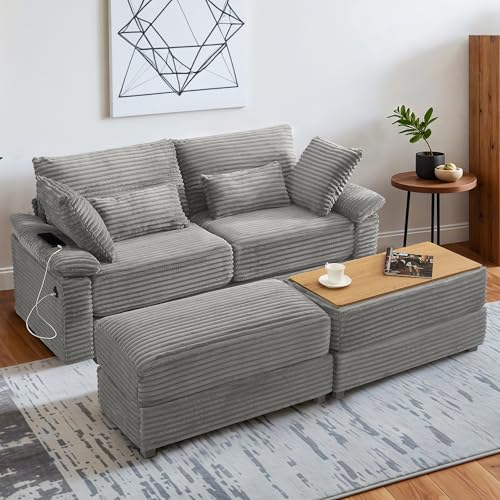
UMBFUN 75" Oversized Loveseat Sofa with Storage Ottoman & USB Ports, Deep Seat Corduroy Couch with Coffee Table, Double Chaise Lounge for Apartment Living Room, Grey
Check price on Amazon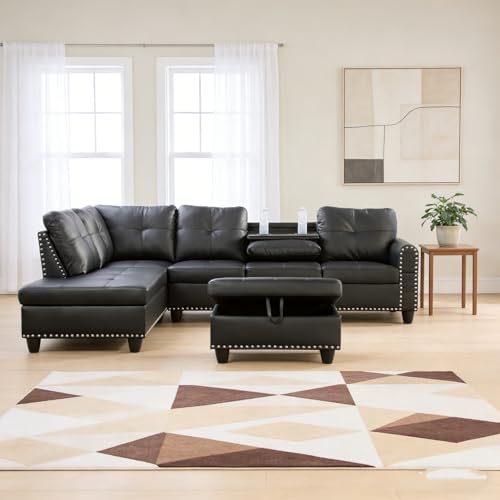
Trygoal L-Shape Sofa with Storage Ottoman & Reversible Coffee Table, Leather Sectional Couch with Left Chaise, 3-Piece Sofa Set for Living Room, Upholstered Couch Set with Solid Wood Frame, Dark Grey
Check price on Amazon
UMBFUN 75" Oversized Loveseat Sofa with Storage Ottoman & USB Ports, Deep Seat Corduroy Couch with Coffee Table, Double Chaise Lounge for Living Room, Blue
Check price on Amazon
UMBFUN 75" Oversized Loveseat Sofa with Storage Ottoman & USB Ports, Deep Seat Corduroy Couch with Coffee Table, Double Chaise Lounge for Living Room, Black
Check price on Amazon