
Comfortable Couch to Sleep On: The Complete Guide
Whether you host overnight guests, live in a studio apartment, or simply love a good living-room nap, choosing a couch designed for sleep changes everything. This guide walks you through cushion construction, frame support, sleeper mechanisms, and fabric choices so you can rest easy — literally.
Explore the Buying FactorsWhy a Sleep-Ready Couch Matters
A standard couch is engineered for seated posture: upright backrests, soft seat cushions, and shallow seat depths. Sleeping on that same surface night after night can lead to pressure points, poor spinal alignment, and restless sleep. A couch built for sleep — or a convertible model with a proper mattress — bridges the gap between living-room furniture and guest-bed comfort.
For households that regularly host visitors or live in compact spaces, the right couches you can sleep on becomes a dual-purpose investment. It saves floor space, eliminates the need for a separate guest room, and delivers genuine overnight comfort when chosen carefully.
Key Buying Factors for a Comfortable Couch to Sleep On
Before browsing models, evaluate these five pillars. They determine whether a couch feels supportive for an hour of reading or a full eight hours of rest.
- Sleeping surface flatness. A fold-out mattress or a pop-up trundle produces a flatter, more uniform surface than a standard three-cushion seat.
- Cushion density and thickness. High-resilience foam at 6–8 inches resists bottoming out and distributes body weight evenly.
- Frame and mechanism quality. A kiln-dried hardwood frame and a reinforced metal sleeper mechanism prevent sagging and squeaking over time.
- Seat depth and backrest angle. A seat depth of 22–26 inches supports both sitting and lounging; a slightly reclined backrest improves napping comfort.
- Fabric breathability. Natural fibers and performance weaves regulate temperature, which matters for overnight sleeping.
For a broader comparison of comfort-focused models, our guide to comfortable couches covers seating ergonomics in more detail and pairs well with this sleep-specific analysis.
Sleeper Sofa vs. Pull-Out Couch vs. Standard Couch
The three categories overlap, but their sleep performance differs significantly. Understanding the distinction helps you match the couch to your guest frequency and space constraints.
| Type | Best For | Sleep Surface | Typical Tier |
|---|---|---|---|
| Sleeper sofa | Frequent overnight guests | Integrated fold-out mattress | Mid-range to premium |
| Pull-out couch | Occasional guests, small spaces | Trundle or pop-up platform | Entry-level to mid-range |
| Standard couch | Naps and lounging | Seat cushions only | Essential tier to luxury |
| Futon | Compact apartments, casual sleep | Folding foam or cotton mattress | Starter to mid-tier |
If your priority is a dedicated sleep surface, start with couches that turn into beds and compare mechanism styles. A couch that pulls out into a bed often offers a flatter sleep plane than a standard fold-down backrest.
Storage and space considerations
Many modern sleeper models integrate bedding storage beneath the mattress platform. If you live in a compact home, a couch with a pull-out bed and storage keeps linens and pillows out of sight. For studio apartments, a small couch with pull-out bed balances footprint and guest readiness.
Cushion and Mattress Construction
The single biggest determinant of sleep comfort is what lies beneath you. Standard seat cushions compress under sustained body weight; sleep-rated cushions and mattress toppers are engineered to maintain loft.
Foam density and thickness
- High-resilience foam (2.0–2.5 lb density): The baseline for supportive seating and short naps.
- High-density memory foam (3 lb+): Better pressure relief for overnight sleeping, often used in premium sleeper mattresses.
- Innerspring sleeper mattresses: Firmer feel, good airflow, and a familiar bed-like bounce.
- Latex or hybrid layers: Found in top-tier sleeper sofas; durable and temperature-neutral.
For convertible models, confirm the mattress thickness. Sleeper mattresses under 4 inches tend to bottom out for average-weight adults; 4.5–6 inches is the comfortable range for regular use.
Cushion wraps and toppers
Even a well-built sleeper benefits from a 2-inch memory-foam or latex topper. This simple addition smooths the seam between mattress sections and adds pressure relief. For standard couches used for naps, a comfy pull-out couch with a wrapped foam core provides a softer landing than a bare platform.
Frame and Support Systems
A comfortable surface is only as good as the structure beneath it. Sleep-ready couches carry heavier, more concentrated loads than seating-only models, so frame integrity matters more than ever.
Frame materials
- Kiln-dried hardwood: The gold standard for durability; resists warping and squeaking.
- Engineered wood and plywood: Common in mid-range models; adequate when reinforced at stress points.
- Metal sleeper mechanisms: Look for powder-coated steel and welded joints rather than stapled assemblies.
Support and suspension
Sinuous wire springs and pocketed coils distribute weight more evenly than webbing. For sleeper sofas, the mechanism’s crossbars should sit flush with the mattress platform to avoid pressure ridges. If you notice sagging after a few months, it is usually the suspension — not the cushion — that needs attention.
Fabric and Breathability
Overnight sleep amplifies temperature sensitivity. A couch that feels cozy for an hour of television may trap heat across eight hours. Prioritize breathable, skin-friendly upholstery.
- Performance weaves: Tight, durable, and often moisture-resistant — a practical choice for guest rooms.
- Cotton and linen blends: Breathable and soft, though less stain-resistant.
- Leather: Easy to clean but can feel cool initially and warm up over time; consider a fabric-topped sleeper mattress.
- Velvet and chenille: Plush but heat-retaining; better suited to cooler climates or short naps.
If pets or children share the space, pair a breathable fabric with a removable, washable cover. Our guide to couch protection covers explains how to keep the sleep surface fresh without compromising airflow.
Market Tiers Compared
Rather than focusing on numbers, compare models by their relative position in the market. The table below maps tiers to the features that matter most for sleeping comfort.
| Tier | Frame & Mechanism | Cushion / Mattress | Best For |
|---|---|---|---|
| Entry-level | Engineered wood, basic metal fold-out | Standard foam, 3.5–4 inch sleeper mattress | Occasional guests, light use |
| Mid-range | Hardwood frame, reinforced steel mechanism | High-resilience foam, 4.5–5 inch mattress | Regular overnight guests |
| Premium | Kiln-dried hardwood, precision mechanism | Memory foam or hybrid, 5.5–6 inch mattress | Frequent hosting, primary guest bed |
| Luxury | Solid hardwood, commercial-grade hardware | Latex or innerspring hybrid, 6+ inch | Nightly use, long-term investment |
Mid-range models usually offer the best balance for households that host guests several times a month. Premium and luxury tiers make sense when the couch doubles as a primary sleeping surface. For a deeper look at dual-purpose designs, see our roundup of a couch with a pull-out bed options across tiers.
Setup and Topper Tips for Better Sleep
Even a well-chosen couch benefits from a few setup refinements. These adjustments take minutes and noticeably improve overnight comfort.
- Add a mattress topper. A 2-inch memory-foam or latex topper smooths seams and adds pressure relief.
- Use a breathable mattress protector. It protects the sleeper mattress and regulates temperature.
- Position the couch away from heat vents. Direct airflow dries out upholstery and disrupts sleep.
- Layer with a light throw. A breathable cotton or bamboo throw regulates temperature better than a heavy duvet.
- Test the mechanism monthly. Lubricate moving parts and check for loose bolts to keep the fold-out smooth.
For compact rooms, a small space pull-out couch paired with a folding topper storage bag keeps the setup tidy. If the couch also serves as a reading or TV spot, a pull-out couch with storage keeps bedding organized and out of the way.
Ready to Compare Sleep-Ready Models?
Our curated selection below highlights couches evaluated for cushion support, mechanism quality, and overnight comfort. Use the filters to match your space and guest frequency.
Top-Rated Couches for Sleeping Comfort
⚠️ AFFILIATE DISCLOSURE: This website contains affiliate links. As an affiliate Associate, we earn from qualifying purchases. If you make a purchase through these links, we may receive a small commission at no additional cost to you. Read our full affiliate policy.

COMAX Boneless Futon Sofa Bed, 59" Small Low-Profile Floor Couch, Black | 11.8 In Seat Height, Convertible Loveseat, Folding Couch Bed, Sleepover Bed, Dorm or Bedroom Sofa, Folding Floor Bed
Check price on Amazon
Kayfia Reading Pillow, Gel Memory Foam Back Rest Pillow, 19", Gray | 3 Storage Pockets, Dual-Use Back Leg Support Pillow, Detachable Armrests, Ideal for Reading, Gaming, Working on Bed & Couch
Check price on Amazon
VYUXWO 72" Cloud Sectional Couch, Comfort Sleep Sofa for Living Room, Extra Deep Seats No Assembly, Minimalist Modular Couch, Corduroy (Dark Grey, Loveseat Chaise)
Check price on Amazon
Niagara Sleep Solution Queen Ultra Soft Mattress Topper — Back Pain Relief | Rayon Derived from Bamboo, 20" Deep Pocket, Breathable Pillow Top Mattress Pad, Perfect for Hot Sleepers, Dark Gray
Check price on Amazon
Everlasting Comfort Under Knee Pillow for Back Sleeping - Memory Foam Half Moon Leg Bolster Pillow for Back Pain, Thoracic Support
Check price on Amazon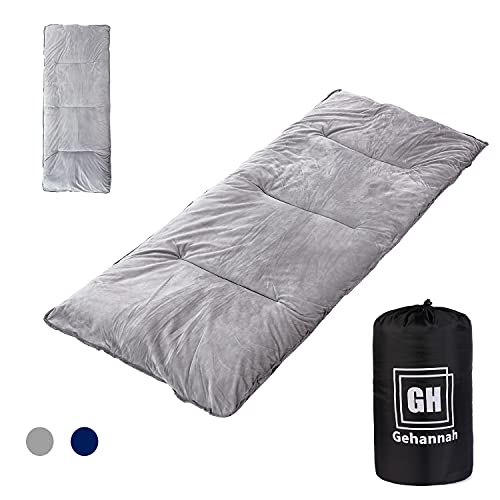
Gehannah Thick Camping Sleeping Pad, Soft Comfortable Microfiber Camping Cot Pads for Adults, Lightweight Foldable Sleeping mats for Traveling Hiking Backpacking Traveling Grey Large
Check price on Amazon
Bedsure ComfyFleece® Shown on TV Fluffy Cat Couch for Pets,24in Night Blue | Cat Beds for Indoor Cats,Supportive Pet Sofa,Dog Couch Bed Seen on Good Day New York,Removable Washable Cover,Up to 7 Lbs
Check price on Amazon
Bedsure ComfyFleece® Shown on TV Fluffy Cat Couch for Pets,24in Blue Indigo | Cat Beds for Indoor Cats,Supportive Pet Sofa,Dog Couch Bed Seen on Good Day New York,Removable Washable Cover,Up to 7 Lbs
Check price on AmazonFrequently Asked Questions
What makes a couch comfortable to sleep on?
A supportive frame, high-resilience foam cushions, a flat sleeping surface, and a breathable fabric are the core ingredients. Sleeper mechanisms with a sturdy metal frame and a quality mattress topper make a significant difference for overnight comfort.
Is a sleeper sofa or a pull-out couch better for sleeping?
A sleeper sofa typically includes an integrated mattress and a fold-out mechanism, offering a flatter surface. A pull-out couch may use a trundle or pop-up design. For regular overnight guests, a sleeper sofa with a high-density foam or innerspring mattress is generally the more comfortable choice.
How thick should couch cushions be for sleeping comfort?
Cushions between 6 and 8 inches thick with high-resilience foam provide adequate support without bottoming out. For sleepers, a medium-firm density balances pressure relief and spinal alignment, especially when combined with a mattress topper.
Can a regular couch be comfortable enough to sleep on every night?
A regular couch is designed for seated comfort, not nightly sleep. For occasional naps it can work well, but for regular overnight sleeping, a dedicated sleeper sofa or a pull-out couch with a supportive mattress is recommended to protect spinal health and sleep quality.
How do I keep a sleeper couch comfortable over time?
Rotate and flip the mattress every few months, vacuum upholstery regularly, and lubricate the fold-out mechanism annually. Use a washable cover or protector to guard against spills, and replace worn foam toppers when they lose loft.
Find Your Perfect Sleep-Ready Couch
Compare features, mechanisms, and comfort tiers above, then check availability for the models that fit your space. A well-chosen couch turns any living room into a restful guest retreat.