
Cost of a Couch: What to Expect When Buying a Sofa
Understand how the cost of a couch is shaped by tier, material, size, and features. Compare the key factors that define each tier so you can choose a sofa that fits your living room and long-term plans with confidence.
COMPARE COUCH TIERSCouchFocus Philosophy: The cost of a couch is not a single number — it is the result of construction quality, upholstery material, size, and function. Instead of chasing a headline figure, smart buyers compare tiers and match them to how they actually live. This guide breaks down the cost of a couch by category so you can make an informed decision before you buy.
If you are researching the cost of a couch, you are likely past the window-shopping stage. You already know the style you want, the size that fits your room, and the material you prefer. What remains is the hardest part: understanding what separates one couch from another and why the range of the market is so wide. The answer is not a single figure but a framework. Once you understand the tiers of the market, the cost of a couch becomes far easier to interpret — and far easier to match to your needs.
This guide explains the factors that drive the cost of a sofa, compares the main tiers of the market using universal descriptors, and shows you how to decide which tier fits your living room. Along the way, you will find practical notes on materials, configuration, and long-term ownership so that your final decision is based on durability and fit rather than guesswork.
The Four Couch Tiers and What They Represent
The couch market is best understood through four universal tiers. These tiers are defined by construction quality, upholstery, cushioning, and expected lifespan — not by any single figure. They are relative positions in the market, which means they remain stable and useful over time. Use the table below to see how each tier differs.
| Tier | Best For | Construction | Upholstery | Expected Lifespan |
|---|---|---|---|---|
| Entry-Level | First apartments, guest rooms, temporary setups, low-traffic spaces | Simpler frame assembly and basic suspension; lighter overall build | Standard fabric options; limited material range | Shorter service life under daily use |
| Mid-Range | Primary living rooms, families, everyday seating | Solid frame construction, better cushion support, improved joinery | Wider fabric selection; performance fabrics often available | Balanced durability for regular use |
| Premium | High-use living rooms, design-focused interiors, long-term owners | Reinforced frames, higher-grade suspension, refined detailing | Genuine leather, premium weaves, and durable performance materials | Long service life with proper care |
| Luxury | Statement living rooms, custom interiors, collector-level furniture | Hand-finished construction, top-grade materials, custom specifications | Full-grain leather, designer textiles, bespoke finishes | Decades of use with maintenance |
Key takeaway: The gap between an entry-level and a mid-range couch is usually about construction and cushion support. The gap between mid-range and premium is mostly about upholstery and refinement. Luxury tiers add customization and hand-finished detail. Understanding these gaps helps you decide where to place your priorities.
What Drives the Cost of a Couch?
Several factors combine to determine where a couch sits on the tier scale. Understanding them helps you evaluate any couch you are considering and avoid paying for features that do not matter to you.
1. Frame Construction and Suspension
The frame is the skeleton of the couch. Entry-level couches often use simpler frame assemblies, while mid-range and premium couches use solid hardwood or engineered hardwood with reinforced joinery. Suspension systems — sinuous springs, pocket coils, or webbing — also vary by tier. A better frame and suspension combination translates to longer life and more consistent comfort. If you want to go deeper, our couch buying guides cover frame and suspension checks in detail.
2. Upholstery Material
Material is one of the most visible cost drivers. Standard fabrics sit at the entry-level and mid-range tiers, while performance fabrics, velvet, and genuine leather move into premium and luxury tiers. Leather couches, in particular, are a long-term investment because they age well and resist daily wear. You can explore specific options such as a white leather couch or a brown leather L-shaped couch to see how material choices align with different layouts and tiers.
3. Cushion Fill and Comfort Layer
Cushion fill ranges from basic foam at the entry-level tier to high-resilience foam, pocket coils, and down-blend wraps at the premium and luxury tiers. The difference shows up in how the couch feels after years of use. Mid-range couches generally offer the most balanced combination of support and resilience, which is why they suit most households.
4. Size and Configuration
Size is a major variable in the cost of a couch. A loveseat uses fewer materials than a full sofa, and a sectional uses more than either. Modular and U-shaped configurations sit at the higher end of the range because they require more components and more complex construction. If your room calls for a larger layout, compare configurations such as a U-shaped sectional or a 5-person couch to understand how size affects the tier you should be shopping in.
5. Additional Features
Reclining mechanisms, sleeper functionality, and integrated storage add complexity and therefore move a couch into a higher tier. A reclining sofa or a sleeper sofa typically sits at a higher tier than a fixed sofa of the same size and material. If you need dual function, compare options like a couch that folds into a bed or a full-size pull-out couch bed to see how functionality changes the tier.
Material Comparison: How Upholstery Changes the Tier
Upholstery is the fastest way to understand where a couch sits in the market. The table below compares common materials by tier position, durability, and maintenance needs.
| Upholstery | Typical Tier | Durability | Maintenance |
|---|---|---|---|
| Standard Fabric | Entry-Level | Moderate; suitable for low-traffic spaces | Routine vacuuming and spot cleaning |
| Performance Fabric | Mid-Range | High; resists stains and everyday wear | Easy to clean; family-friendly |
| Velvet | Mid-Range to Premium | Good; needs gentle care | Regular brushing; professional cleaning recommended |
| Genuine Leather | Premium | Very high; ages gracefully | Conditioning two to four times a year |
| Full-Grain Leather | Luxury | Excellent; long-term investment | Conditioning and careful sun management |
If you are comparing a fabric couch against a leather couch, the tier difference is usually clear: leather sits higher because of material sourcing and longevity. Fabric couches can still be excellent choices, especially when they use performance fabrics designed for daily life. The key is to match the material to the room and the people who use it.
Size and Layout: How Configuration Affects the Tier
Configuration is often overlooked, but it has a direct effect on the cost of a couch. A loveseat uses fewer materials and fewer components than a full sofa. A sectional adds a chaise or corner, which increases both material use and construction complexity. Modular sofas add flexibility but also additional components, which places them at a higher tier than fixed sofas of similar size.
For small rooms, a compact layout such as an L-shaped couch for a small room can deliver the seating you need without moving into a larger tier. For open-plan spaces, larger configurations such as a large L-shaped couch with recliner make more sense. The rule of thumb is simple: match the footprint to the room, then choose the tier that fits your long-term expectations.
Features That Move a Couch Into a Higher Tier
Some features are worth the move to a higher tier, and some are not. Consider these carefully:
- Reclining mechanisms: Add mechanical complexity and a higher tier position. Worth it if you watch television or relax on the couch daily.
- Sleeper functionality: Adds a fold-out mechanism and mattress layer. Worth it for guest rooms or multi-purpose living rooms. See options like a white sectional with pull-out bed if you need dual function in a light-toned room.
- Modular design: Offers flexibility for future reconfiguration but adds components. Best for owners who plan to stay in the same home for years.
- Integrated storage: Useful in small spaces but adds to construction complexity.
- Power features: Power reclining and USB charging raise the tier because of electronics and wiring.
If you are furnishing a rental or a temporary space, the entry-level tier is usually the smarter choice. If you are furnishing a long-term home, the mid-range tier is the most balanced starting point. Premium and luxury tiers are best reserved for high-use living rooms or design-focused interiors.
Reupholstering Versus Buying New
When an existing couch has a solid frame but worn upholstery, reupholstering can be a long-term investment. The decision depends on the quality of the frame and suspension. If the frame is heavy-duty and reinforced, reupholstering preserves a good foundation. If the frame is entry-level, buying a new couch at a higher tier is usually the more sensible path. You can compare the trade-offs in our guides on the average cost for reupholstering a couch and the cost to reupholster a couch, which explain how to evaluate whether reupholstery is worthwhile for your specific couch.
How to Choose the Right Tier for Your Living Room
Use the following framework to match the cost of a couch to your situation:
- Choose entry-level if: the couch is for a guest room, rental, first apartment, or a low-traffic space where you expect to replace it within a few years.
- Choose mid-range if: the couch is the primary seating in your living room and will be used daily by a household of two to four people. This tier offers the best balance of comfort, durability, and material choice.
- Choose premium if: you want genuine leather, refined detailing, or a couch that will serve a high-use living room for many years. Premium tiers are also the right choice for design-focused interiors.
- Choose luxury if: you want custom specifications, hand-finished construction, or a statement piece that reflects a specific design vision.
Practical tip: Before you commit to a tier, measure your room and your doorway. A couch that does not fit is a problem no tier can solve. Our buying guides include measurement checklists and delivery preparation steps.
Frequently Asked Questions
The main factors include the tier of the couch, upholstery material, frame construction, cushion fill, size and configuration, and additional features such as reclining mechanisms or sleeper functionality. Each factor moves the couch up or down the tier scale.
Leather is a premium upholstery material that requires more processing and offers greater durability. Genuine leather couches sit in higher tiers than most fabric couches because of material sourcing, craftsmanship, and longevity.
Reupholstering can be worthwhile if the frame and suspension are in solid condition. For a high-quality frame, reupholstering may be a long-term investment. For a low-quality frame, buying a new couch at a higher tier is usually the more sensible choice.
Most first-time buyers are best served by the mid-range tier, which balances solid construction, comfortable cushioning, and durable upholstery. Entry-level tiers suit temporary or low-traffic spaces, while premium and luxury tiers suit long-term, high-use living rooms.
Recommended Couches for Every Tier
⚠️ AFFILIATE DISCLOSURE: This website contains affiliate links. As an affiliate Associate, we earn from qualifying purchases. If you make a purchase through these links, we may receive a small commission at no additional cost to you. Read our full affiliate policy.
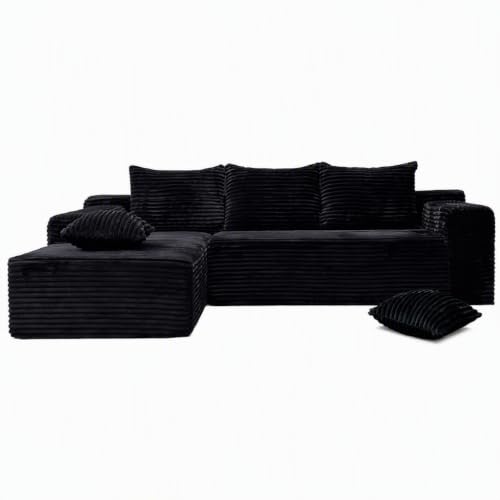
3-Seater Sectional Sofa in A Box, Rabbit Fur - Black - 267 * 92 * 78CM
Check price on Amazon
21.5x54" Fix Sagging Loveseat Heavy Duty 400LBS Couch Cushion Support Board | Anti-Slip Under-Cushion Supporter, Foldable, Tool-Free Install, Extend Sofa Life, Skip Costly New Couch Replacement
Check price on Amazon
21.5x78" Sagging Oversized Sofa HeavyDuty 400LB Couch Cushion Support Board | Anti-Slip Under-Cushion Supporter, Foldable, Tool-Free Install, Extend Sofa Life, Skip Costly New Couch Replacement
Check price on Amazon
21.5x70" Sagging Standard Sofa Heavy Duty 400LB Couch Cushion Support Board | Anti-Slip Under-Cushion Supporter, Foldable, Tool-Free Install, Extend Sofa Life, Skip Costly New Couch Replacement
Check price on Amazon
Couch Clamp Sectional Connectors (4 Pack) – Keep Cushions from Sliding, Easy Install Straps, Universal Fit for Modular Couches – Prevent Floor Scratches
Check price on Amazon
Costly Couch Count
Check price on Amazon
Costly Couch Count
Check price on Amazon