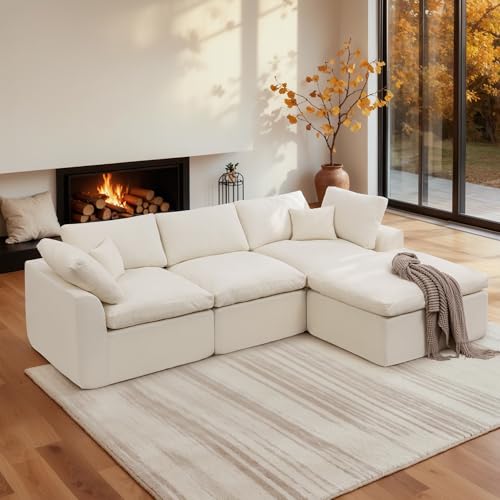
Quick answer: Light neutral rugs such as cream, ivory, and warm beige create the strongest contrast against a dark grey couch. For a more layered look, muted blues, sage greens, and soft terracotta add warmth and personality without competing with the neutral upholstery. Textured rugs in wool or jute soften the solid, heavy appearance of dark grey fabric.
Why Rug Color Matters With a Dark Grey Couch
A dark grey couch carries visual weight. It grounds a room and reads as a neutral, which is exactly why it pairs so easily with many palettes. The rug, however, controls how that weight is balanced. A dark rug under a dark couch can make the floor and seating merge into one heavy block. A lighter or mid-tone rug separates the couch from the floor and gives the room a lifted, airy feel.
Rug color also sets the mood. Cool tones like blue and grey create a calm, contemporary atmosphere, while warm tones like terracotta and ochre make a dark grey couch feel cozy and inviting. Before committing, think about whether you want the rug to blend quietly or act as a focal point. The most successful living rooms usually do one or the other, not both.
Best Rug Colors for a Dark Grey Couch
The color families below are ranked by how reliably they work in real living rooms. Each one changes the mood in a distinct way.
Cream & Ivory
The most dependable pairing. A cream or ivory rug lifts a dark grey couch instantly and makes the seating area feel intentional. It works in modern, transitional, and Scandinavian rooms alike.
Light Beige & Sand
Warmer than pure white and slightly more forgiving underfoot. Beige and sand rugs add softness and connect a dark grey couch to wood floors and natural textures.
Muted Blue
Navy or dusty blue gives a dark grey couch a tailored, coastal-adjacent feel. It is especially effective when paired with warm wood tones and brass accents.
Sage & Olive Green
An earthy green rug brings life to grey upholstery. It reads organic and relaxed, and it softens the coldness some people associate with dark grey fabric.
Terracotta & Rust
A warm reddish-orange rug creates high contrast and a cozy, collected look. Use it in rooms with natural light and plenty of neutral walls so it does not feel heavy.
Soft Blush & Dusty Rose
A quieter way to introduce warmth. Blush tones look sophisticated against charcoal grey and work well in modern, feminine, or mid-century-inspired rooms.
What About Grey-on-Grey?
A grey rug under a dark grey couch can work beautifully, but contrast is essential. Choose a rug that is noticeably lighter or darker than the upholstery, and use texture to separate them. A light heathered grey rug with a visible weave prevents the monochrome look from feeling flat.
Rug Color Pairing Chart
This reference table summarizes how each rug color family behaves with a dark grey couch, including the mood it creates and the rooms where it shines.
| Rug Color | Effect | Best For | Texture Tip |
|---|---|---|---|
| Cream / Ivory | Maximum contrast, airy | Small rooms, modern interiors | Plush wool or low-pile blends |
| Beige / Sand | Soft contrast, warm | Wood floors, transitional rooms | Jute or looped wool |
| Muted Blue | Cool contrast, tailored | Coastal, contemporary | Flatweave or subtle geometric |
| Sage / Olive | Earthy balance | Natural, organic styling | Textured wool or cotton |
| Terracotta / Rust | Warm bold contrast | Light-filled, social rooms | Hand-knotted or distressed |
| Blush / Dusty Rose | Soft warmth | Mid-century, modern feminine | Low-pile or shag |
| Light Grey | Tonal separation | Monochrome, minimal rooms | Heathered or high-low pile |
| Charcoal / Black | Dramatic, grounded | Large, well-lit spaces | Layered with lighter textiles |
Should the Rug Be Lighter or Darker Than the Couch?
Lighter is the safer and more common choice. A lighter rug separates the couch from the floor, reflects more light, and makes the seating area feel intentional. In small rooms with limited natural light, a light rug under a dark grey couch is almost always the right move.
A darker rug can work when the room is large and well-lit. Layering a lighter throw blanket, light pillows, or a glass coffee table on top of a dark rug keeps the room from feeling bottom-heavy. If you want a darker rug but worry about the couch disappearing into it, choose one with a visible pattern or a slightly different undertone.
If you are still refining the seating layout itself, our guide to a wrap-around couch for a small room covers how rug placement interacts with curved or L-shaped seating.
Texture and Pattern Ideas for a Dark Grey Couch
Because dark grey is a solid, absorbing color, texture is your best styling tool. Smooth upholstery next to a flat rug can look one-dimensional. A rug with visible weave, pile variation, or subtle pattern adds depth without introducing loud color.
- Wool with high-low pile: Creates soft shadows and a tactile surface that balances the weight of dark fabric.
- Jute or sisal: Adds organic warmth and works especially well with beige, sage, and cream palettes.
- Distressed or vintage-style patterns: A faded oriental or medallion pattern in muted tones adds character while keeping the palette calm.
- Subtle geometric flatweave: A quiet grid or diamond pattern introduces structure in modern rooms.
- Shag or plush pile: Softens a minimalist room and makes a dark grey couch feel cozier in bedrooms and family rooms.
If your room leans toward warm, natural materials, the rug pairing often works best when combined with wood tables and woven accents. Our guide to a wood couch table shows how natural wood tones balance a dark grey seat.
Rug Size and Placement With a Dark Grey Couch
Color gets the attention, but size determines whether the pairing looks finished. For a three-seat couch, an 8x10 rug is the standard choice. The front legs of the couch should sit on the rug, with the back legs on the floor, or the entire seating group should fit on the rug in larger rooms.
In compact living rooms, a smaller rug placed just under the front legs of the couch and extending toward the coffee table works well. Avoid rugs that stop awkwardly mid-room or end before the coffee table. The rug should visually connect the couch, table, and surrounding seating.
For open-plan layouts, use the rug to define the seating zone rather than covering the entire floor. This is especially useful when the couch doubles as a room divider. If you are planning storage or a side surface, a couch with a pull-out ottoman and storage can help keep the area around the rug clear.
Room-by-Room Rug Pairing
Small Living Rooms
Choose a light rug in cream, ivory, or pale grey. The contrast makes the room feel larger and prevents the dark couch from dominating. Keep the pattern low-contrast and the pile relatively short for a cleaner visual line.
Large Living Rooms
You have more freedom to experiment. A terracotta, muted blue, or charcoal rug can anchor a large seating group. Use a rug large enough to hold the full couch and coffee table, or layer a smaller patterned rug over a neutral base for added dimension.
Rooms With Wood Floors
Warm beige, sage, and cream rugs bridge the gap between cool dark grey upholstery and warm wood. If the floor is dark, choose a lighter rug to create separation. If the floor is light, a mid-tone rug adds depth without fighting the couch.
Rental and Multi-Use Spaces
In rentals or rooms that serve several purposes, a neutral rug with a subtle pattern is the most flexible choice. It hides minor wear, works with changing decor, and keeps the dark grey couch looking intentional. If the couch also serves as a guest bed, a couch that turns into a bed pairs well with a durable low-pile rug that handles foot traffic.
Common Mistakes to Avoid
- Matching the rug too closely to the couch: A nearly identical grey rug can make the room look flat. Aim for a visible difference in lightness or texture.
- Ignoring undertones: A cool blue-grey couch pairs differently with warm beige than a warm charcoal couch does. Check the undertone of the fabric in natural light.
- Choosing a rug that is too small: An undersized rug makes the couch look like it is floating and breaks the visual connection to the coffee table.
- Overloading the palette: The couch is already a strong neutral. Keep the rug to one or two color families and let texture do the rest.
- Skipping a rug pad: A pad protects the floor, prevents slipping, and makes any rug feel more substantial underfoot.
Frequently Asked Questions
What color rug goes with a dark grey couch?
Light neutral rugs such as cream, ivory, and light beige create the strongest contrast. Muted blues, sage greens, and warm terracotta tones add character while keeping the dark grey couch as the visual anchor.
Should the rug be lighter or darker than a dark grey couch?
A lighter rug is the safer choice because it lifts the room and prevents the floor from merging with the couch. A darker rug can work in large, well-lit rooms when layered with lighter textiles for balance.
What rug texture works best with a dark grey couch?
Textured rugs in wool, jute, or high-low pile soften the solid appearance of a dark grey couch. Mixing smooth upholstery with a textured rug adds depth without introducing competing colors.
Can I use a patterned rug with a dark grey couch?
Yes. A patterned rug with a light base and subtle grey or blue motifs works well because the dark grey couch stays neutral. Keep the pattern medium-scale so it does not overwhelm the seating area.
Ready to complete the look? Once the rug color is settled, the right coffee table and side surfaces tie the seating area together. Browse our guides to a solid wood coffee and end table set and end tables for living room set of 2 to finish the layout with confidence.