
How to Buy a Good Couch: A Complete Buying Guide
A good couch is one of the most important purchases you will make for your home. This guide walks you through frame quality, upholstery, comfort testing, sizing, and long-term durability so you can choose a sofa that fits your space and your lifestyle.
Why this guide matters: Most couch buyers focus on appearance first and construction second — yet the frame, suspension, and cushion foam are what determine whether a sofa still feels supportive after years of daily use. By the end of this guide you will know exactly which questions to ask, which details to inspect, and which trade-offs are acceptable at each quality tier.
1. Measure Before You Shop
The single most common couch-buying mistake is ordering a sofa that does not fit the room or cannot make it through the doorway. Before you browse a single listing, measure both the space and the path.
Room Measurements
- Measure the available wall length where the couch will sit, and leave at least 18 to 24 inches of walkway clearance on the open side.
- Account for the couch footprint plus any reclining or pull-out mechanism. A recliner needs several extra inches behind the backrest.
- Check the height of any window sills, radiators, or built-in shelving that could limit the backrest height.
Delivery Path Measurements
- Measure doorway width and height, hallway width, stairwell clearance, and elevator dimensions.
- Remember that most couches are delivered upright. If a doorway is narrow, a low-profile or modular design may be the only practical option. Our guide on how to get a couch through a door covers the specific techniques movers use.
- Take note of any tight turns at the top of a staircase or in an entryway.
If you are unsure about proportions, our article on how big a couch should be explains how to match sofa dimensions to room size and seating needs.
2. Choose the Right Couch Type
The right silhouette depends on how the room is used, how many people need to sit, and whether the couch must double as a guest bed.
Common Couch Configurations
- Standard sofa: The classic three-seat configuration. Works well in most living rooms and is the easiest to place against a wall.
- Sectional: An L-shaped or U-shaped layout that maximizes seating and defines a conversation zone. Ideal for open floor plans. Browse L-shaped couches for living rooms for layout ideas.
- Loveseat: A two-seat option for smaller spaces, apartments, or as a secondary seating piece. See our high-seat couch guidance if you prefer a taller seat height.
- Sleeper sofa: A couch with an integrated bed mechanism. Useful for guest rooms and studio apartments. If you need a queen bed, read about the hideabed couch queen options.
- Reclining couch: Built-in recliner mechanisms for lounging. Requires additional clearance behind the backrest and more floor depth.
- Modular sofa: Individual components that can be rearranged or expanded. The most flexible option for renters and changing layouts.
Rule of thumb: Allow 24 to 30 inches of seat width per person. A three-seat sofa should be at least 72 inches wide to seat three adults comfortably; anything narrower is effectively a two-and-a-half-seater.
For a broader comparison of silhouettes, see the L-shaped couch overview and the high-back sectional couch guide if back support is a priority.
3. Understand Frame Quality
The frame is the skeleton of the couch. It is invisible in photos, but it determines how long the sofa stays square and stable. Ask the retailer directly about frame material and joinery — reputable sellers will answer.
Frame Materials Ranked by Durability
- Kiln-dried hardwood (oak, maple, ash, beech): The top tier. Kiln drying removes moisture, which prevents warping and cracking.
- Solid softwood (pine, poplar): Mid-tier. Acceptable when properly dried and reinforced, but softer than hardwood.
- Engineered wood and plywood: Common in entry-level and mid-range couches. Quality varies widely; thick, multi-ply engineered wood performs well.
- Particle board and MDF: The weakest option. These can sag or crumble under heavy use and moisture, and are best reserved for light-use accent pieces.
Joinery Details to Look For
- Dowelled or mortise-and-tenon joints are stronger than simple butt joints held by staples or nails.
- Corner blocks, glue, and screws reinforce the highest-stress points.
- A solid frame should feel rigid when you lift one corner of the couch. If the opposite corner twists or the frame creaks, walk away.
If long-term durability is your priority, our guide to high-quality couches explains which construction signals separate premium builds from standard ones.
4. Suspension and Cushion Support
Even a strong frame feels saggy if the suspension and cushions are weak. These two systems carry your body weight every day.
Suspension Types
- Eight-way hand-tied springs: The top tier. Individual springs are tied by hand in eight directions, producing even support and a long service life.
- Sinuous (zig-zag) springs: The most common mid-range system. Reliable and supportive when the gauge is heavy and the springs are properly anchored.
- Pocket coils: Individually wrapped coils that conform to body shape. Often found in premium and luxury couches.
- Webbing: Interwoven elastic straps. Fine for light-use furniture but more prone to stretching over time.
Cushion Foam Density
- High-density foam (often 1.8 lb/ft³ or higher) holds its shape far longer than low-density foam.
- Foam wrapped in a down or fiber jacket feels plusher while retaining support.
- Down-filled cushions feel luxurious but require regular fluffing and may not suit people who prefer a firm seat.
Quick test: Press firmly into the seat cushion with your open palm. The foam should rebound quickly and evenly. If your hand leaves a lasting impression, the cushion is likely under-specified for daily use.
5. Select the Right Upholstery
Upholstery affects comfort, maintenance, and how the couch ages. There is no universally best fabric — only the best fabric for your household.
| Fabric | Best For | Durability | Maintenance |
|---|---|---|---|
| Performance fabric | Families, pets, high-traffic rooms | High | Wipe or spot clean |
| Leather | Long-term use, classic style | Very high | Condition periodically |
| Microfiber | Homes with children | High | Vacuum and spot clean |
| Cotton and linen blends | Breathable comfort, casual style | Medium | Rotate cushions, cover care |
| Velvet | Formal and statement rooms | Medium | Brush and vacuum |
| Wool | Natural look, cool climates | High | Professional cleaning |
If you are weighing synthetic blends, our analysis of whether polyester is a good couch fabric explains the trade-offs. For a more resilient surface, consider high-quality leather furniture brands that use full-grain hides and proven tanning methods.
Fabric Practicality Checklist
- Request a swatch and rub it against a key or zipper to simulate wear.
- Ask whether the fabric is solution-dyed — color that is set into the fiber resists fading and staining better than surface-dyed fabric.
- Check the cleaning code: W (water-based), S (solvent-based), WS (either), or X (vacuum only).
- Consider removable, washable covers for households with children or pets.
6. Test Comfort Properly
Comfort is personal, but there are objective checks that separate a supportive couch from one that will feel worn out within a year.
In-Store Comfort Checks
- Sit for 10 to 15 minutes in your normal posture — not just a quick perch.
- Check seat depth: Your feet should rest flat on the floor, and the cushion should support the back of your thighs without pressing behind the knee.
- Check seat height: Roughly 17 to 19 inches is comfortable for most adults. Taller users should consider a high-seat couch.
- Check back height: A higher backrest supports the shoulders and neck. A high-back sectional couch with chaise offers both head support and leg extension.
- Test the arms: Arm height should let you rest your elbow comfortably without slouching.
- Lie down if the couch may serve as a guest bed, and confirm that the sleeping surface is flat and free of pressure points.
Longevity Signals
- Listen for creaks or clicks when you shift weight — a sign of loose joints.
- Lift one corner; a well-built couch stays rigid and does not twist.
- Check that the cushions sit snugly in the frame with no visible gaps at the seams.
- Run your hand along the seams and piping — tight, even stitching is a marker of careful manufacturing.
7. Quality Tiers Explained
Couch construction varies enormously across the market. The descriptors below describe relative market position and build quality, not any specific figures. Use them to calibrate expectations as you compare options.
Entry-Level Tier
Engineered wood or softwood frames, sinuous spring or webbing suspension, standard-density foam. Suitable for light-use rooms, guest spaces, and temporary furnishing. Expect a shorter service life under daily use.
Mid-Range Tier
Solid wood or thick engineered frames, heavier-gauge sinuous springs, higher-density foam, and durable fabric or split-grain leather. A balanced tier that suits most families and delivers good value for its class.
Premium Tier
Kiln-dried hardwood frames, eight-way hand-tied or pocket-coil suspension, high-resilience foam wrapped in down or fiber, and full-grain leather or performance upholstery. Built for long-term daily use.
Luxury Tier
Hardwood frames with reinforced joinery, hand-finished details, top-tier suspension systems, and premium materials from respected mills and tanneries. Designed as a long-term investment with a service life measured in decades.
If you want to see how tier differences play out in practice, our overview of high-end couches explains which construction features justify moving up a tier. For small spaces where every inch counts, the guide to L-shaped couches for small spaces shows how to get maximum seating from a compact footprint.
8. Match the Couch to Your Lifestyle
The best couch for a quiet adult household is rarely the best couch for a family with toddlers and a large dog. Match materials and mechanisms to daily reality.
Households with Children
- Choose performance fabric or leather with tight seams and no loose skirt panels.
- Prefer removable, washable cushion covers where possible.
- Avoid light-colored velvet and fabrics with a high pile that trap crumbs.
Households with Pets
- Tightly woven fabrics resist claw snags far better than loose weaves.
- Leather is easy to wipe but can show scratches; distressed or protected leathers hide wear well.
- Consider a couch with a chaise or extended seat that gives pets their own zone.
Entertainment and Media Rooms
- Reclining mechanisms and cup holders suit movie nights, but check clearance behind the backrest. Our home theater seating couch guide covers layout planning.
- An L-shaped arrangement with a chaise works well for group viewing.
Guest and Multi-Use Rooms
- A sleeper sofa or hide-a-bed adds flexibility. Review hide-a-bed couches with air mattresses if guest comfort is a priority.
- Check that the mattress mechanism is easy to operate and that the folded bed does not block walkways.
9. Long-Term Ownership and Care
A good couch is a long-term investment. A few habits will keep it looking and feeling its best for years.
- Rotate and flip cushions every few months to distribute wear evenly.
- Vacuum upholstery weekly with a soft brush attachment to remove grit that abrades fibers.
- Keep the couch out of direct sunlight or use window treatments to prevent fading.
- Address spills immediately by blotting rather than rubbing, using a cleaner appropriate to the fabric code.
- Condition leather once or twice a year with a product recommended by the manufacturer.
Before you commit, confirm the warranty terms for the frame, suspension, and cushions — coverage varies considerably between tiers. For more advice on evaluating construction before you commit, see how to find a good couch and how to shop for a couch.
Recommended Couches for Buyers Who Want Quality
⚠️ AFFILIATE DISCLOSURE: This website contains affiliate links. As an affiliate Associate, we earn from qualifying purchases. If you make a purchase through these links, we may receive a small commission at no additional cost to you. Read our full affiliate policy.

How to Rule the World from Your Couch
Check price on Amazon
Finding the Uncommon Deal: A Top New York Lawyer Explains How to Buy a Home For the Lowest Possible Price
Check price on Amazon
Nevlers 22"x48" Anti Slip Couch Cushion Gripper Pad | Loveseat Cushion Grip | No Slip Couch Grips to Prevent Sliding Loveseats | Customizable Open-Weave PVC Foam to Stop Couches from Sliding Seating
Check price on Amazon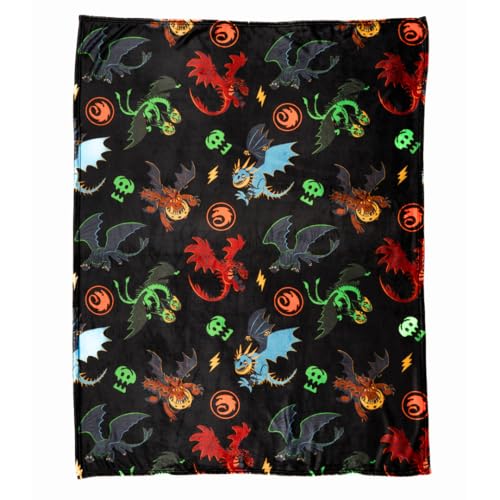
How to Train Your Dragon Toothless Kids Bedding Super Soft Plush Cozy Throw, 46 in x 60 in, (Officially Licensed Product) By Franco
Check price on Amazon
How To Train Your Dragon Toothless Bedding Super Soft Cozy Cuddle Pillow Buddy, (Officially Licensed Product) By Franco Collectibles
Check price on Amazon
How to Make Slipcovers: Designing, Measuring, and Sewing Perfect-Fit Slipcovers for Chairs, Sofas, and Ottomans. A Storey BASICS® Title
Check price on Amazon
How the Hell Did I Not Know That?: My Midlife Year from Couch to Curiosity
Check price on Amazon
Silver Buffalo How to Train Your Dragon, Fleece Throw Blanket, 45x60in | Plush, Hiccup and Night Fury, Soft and Cozy, 250 GSM
Check price on AmazonFrequently Asked Questions
How do I know if a couch is well built?
Check the frame material (kiln-dried hardwood is best), joint construction (dowels, screws, and corner blocks), suspension type (sinuous springs, eight-way hand-tied, or webbing), and cushion density. A solid build feels stable with no wobble or creaking when you lift one corner.
Which couch fabric is best for families with pets?
Performance fabrics such as solution-dyed acrylic, tightly woven microfiber, and leather are the most resilient. They resist stains, handle cleaning well, and hold up to claws better than loose weaves or delicate materials.
How do I test couch comfort before buying?
Sit for at least 10 to 15 minutes in your normal posture. Check seat depth, back height, arm height, and cushion support. Lie down if the couch may double as a sleeper, and confirm that your feet rest flat on the floor when seated.
How long should a good couch last?
A well-made mid-range couch typically lasts 7 to 10 years with regular care, while premium and luxury tiers can last 15 years or more. Entry-level couches often last 3 to 5 years under daily use.
Should I buy online or in a store?
In-store shopping lets you test comfort and inspect construction firsthand, which is invaluable for a major purchase. Online shopping offers broader selection and easier comparison. A practical approach is to test silhouettes and fabrics in a showroom, then compare construction details and availability online.
Ready to Choose Your Couch?
Use the guides below to narrow your options and buy with confidence.