


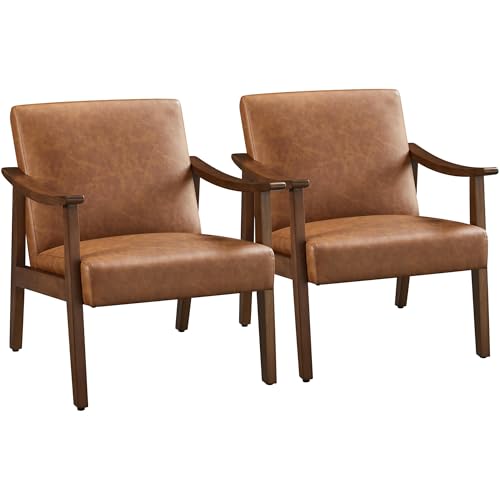


What Makes a Leather Accent Chair Different?
An accent chair is a single seat placed to complement your main sofa, not replace it. Its job is to add contrast, fill a dead corner, or anchor a conversation zone. Leather changes that equation because it brings a material richness that instantly elevates a room. A genuine leather chair for the living room reads as intentional and considered, while fabric accent chairs often blend into the background.
Leather also ages differently. Where fabric fades or pills, quality leather softens and develops a patina that many homeowners consider more attractive than the day it arrived. That is why leather accent chairs tend to be a long-term investment rather than a short-lived trend piece.
Leather Grades: What You Are Actually Buying
Not all leather is created equal, and the grade of leather is the single biggest factor in how a chair will look and perform after a few years of daily use. Use the tiers below to compare chairs on an even footing.
| Leather Grade | Market Tier | Best For | What to Expect |
|---|---|---|---|
| Bonded Leather | Entry-level | Low-traffic rooms, occasional seating | Composite of leather fibers and binder; uniform surface, limited breathability, does not develop a patina. |
| Split-Grain Leather | Mid-range | Everyday family seating | Sanded and coated for consistency; durable surface but less natural grain than top-grain. |
| Top-Grain Leather | Premium | High-use living rooms, long-term ownership | Lightly sanded for softness while retaining natural grain; breathable and ages well. |
| Full-Grain Leather | Luxury / flagship tier | Design-focused rooms, heirloom-quality furniture | Unsandered hide with visible natural markings; the most durable and the most distinctive over time. |
For a practical middle ground, top-grain leather is the sweet spot for most households. It is competitive within the premium tier and offers the best balance of softness, durability, and natural appearance. If you want a chair that will look better in five years than it does today, full-grain leather is the top-tier choice.
Frame Construction: The Part You Cannot See
A beautiful hide wrapped around a weak frame is a false economy. Before you fall in love with the upholstery, look at what is underneath.
- Kiln-dried hardwood frames (oak, beech, or ash) resist warping and hold joints tight for decades. This is the mark of professional-grade construction.
- Reinforced corner blocks and doweled joints keep the chair from wobbling over time, especially in accent chairs that get pulled around the room.
- Sinuous wire springs or webbing are common in accent chairs. Eight-way hand-tied springs are the luxury benchmark but add weight and expense.
- Solid wood legs with floor glides protect your flooring and signal a more durable build than plastic or hollow legs.
If you are also furnishing the wider room, it helps to think holistically about genuine leather living room furniture so your accent chair and main seating share a coherent material language.
Styles of Leather Accent Chairs
Accent chairs come in a handful of recognizable silhouettes. Each one solves a different design problem, so match the style to the role you want the chair to play.
Wingback Chair
Tall back with side wings that frame the sitter. Ideal for reading nooks and rooms with a traditional or transitional feel.
Slipper Chair
Armless and low-backed, easy to tuck into tight corners and narrow spaces. A strong choice for small apartments.
Lounge Chair
Splayed legs and a reclined seat. Pairs naturally with walnut and brass finishes and open-plan living areas.
Club Chair
Deep, low, and generously padded. Commands attention in a large room and works well as the anchor of a conversation set.
Swivel Chair
Rotating base that lets the chair serve multiple functions. Excellent for rooms that need flexible seating.
Recliner Accent Chair
Combines accent-chair proportions with reclining comfort. A practical hybrid for media rooms and family living spaces.
How to Judge Comfort Before You Commit
Accent chairs are often bought online, which makes comfort assessment tricky. Use these criteria to compare chairs objectively:
- Seat depth: 18 to 22 inches suits most adults. Deeper seats feel lounge-like but can be awkward for shorter sitters.
- Seat height: 17 to 19 inches from floor to seat top keeps feet planted comfortably.
- Cushion fill: High-resilience foam retains shape; down-wrapped foam feels plusher but needs periodic fluffing. Pocket-coil cores are the most supportive in the premium tier.
- Arm height: Arms should let your shoulders relax without hunching. Armless chairs are more versatile but less supportive.
- Back angle: A slight recline of 5 to 10 degrees is comfortable for conversation and reading. Too upright feels rigid; too reclined feels like a nap chair.
If you want to coordinate comfort across the room, reading our guidance on modern accent chairs can help you compare silhouettes with similar ergonomic profiles.
Placement: Where a Leather Accent Chair Works Best
Accent chairs earn their name because they add something the room is missing. That might be color, texture, scale, or simply extra seating. Here are the placements that consistently work:
- The reading corner. Pair the chair with a floor lamp and a small side table. Angle it toward the window but keep it out of harsh direct sun, which dries leather.
- Facing the sofa. A single accent chair across from a sofa completes a conversation loop without crowding the room.
- Beside the sectional. If your room is anchored by an L-shaped seat, a leather chair softens the geometry. Our guide to designing a living room with a sectional explains how to balance visual weight.
- The empty corner. A chair with visual weight, like a club chair or wingback, turns a dead corner into a destination.
- The desk or console pairing. A slipper chair tucked near a console or writing desk makes a compact workspace feel intentional.
Traffic flow matters as much as aesthetics. Leave at least 18 inches between the chair and nearby furniture so people can pass comfortably, and avoid placing leather chairs next to radiators, fireplaces, or heating vents.
Color and Material Pairings
Leather accent chairs are rarely chosen in isolation. Think about what they sit next to.
- Cognac and tan leather warms up cool gray or white rooms and pairs beautifully with natural wood tones.
- Black leather is the most graphic choice and anchors a room with bold contrast. It works especially well against light walls and pale upholstery.
- Chocolate and espresso read as classic and forgiving in family rooms with darker flooring.
- Olive, emerald, and burgundy leather make the chair a statement piece. Keep surrounding furniture neutral so the chair remains the focal point.
- Cream and ivory leather delivers a luxury feel but demands more careful maintenance in high-traffic rooms.
Texture matters too. Smooth aniline leather feels refined and dressy, while distressed or waxed leather suits rustic and industrial interiors. For rooms that mix leather and fabric seating, our guide to leather sofas covers how to balance materials across a larger seating arrangement.
Care and Maintenance for Long-Term Ownership
Leather is forgiving but not indestructible. A simple routine keeps an accent chair looking its best for years.
- Weekly: Dust with a soft, dry microfiber cloth to prevent grit from abrading the surface.
- Monthly: Wipe with a slightly damp cloth and a mild leather cleaner. Avoid soap, alcohol, and abrasive sponges.
- Every 6 to 12 months: Apply a leather conditioner to keep the hide supple and prevent cracking, especially in dry climates.
- Immediately: Blot spills rather than rubbing. For tougher marks, follow our step-by-step stain removal guidance.
- Ongoing: Keep the chair out of direct sunlight and away from heat sources. Rotate cushions if the chair has removable seat pads.
If you are deciding between leather and fabric for the whole room, it also helps to understand the broader care routines covered in our couch care and maintenance section. For deeper cleaning, professional services are worth considering, as explained in getting a couch professionally cleaned.
Buying Checklist: Questions to Ask Before You Decide
- What leather grade is used, and is it full-grain, top-grain, split-grain, or bonded?
- Is the frame kiln-dried hardwood, and are the joints reinforced?
- What is the seat height, seat depth, and overall footprint?
- What is the cushion fill, and is it replaceable?
- Does the chair come with a written warranty on frame and upholstery?
- Are the legs solid wood, and do they include floor protection?
- Will the chair fit through your doorways and into the intended corner?
- Is the leather protected against fading, or will it need extra UV care?
Frequently Asked Questions
What is the difference between genuine leather and bonded leather accent chairs?
Genuine leather is made from real animal hide and develops a natural patina over time. Bonded leather is a composite of leather scraps and polyurethane, which is more uniform but less durable and does not age as gracefully. For a long-term investment, genuine leather or top-grain leather is the preferred choice.
How do I choose the right size leather accent chair for my living room?
Measure your available floor space and consider the chair's footprint in relation to walkways and other furniture. A typical accent chair is around 30 to 36 inches wide. Allow at least 18 inches of clearance for walkways and ensure the chair's back height complements your room's proportions.
Where should I place a leather accent chair in my living room?
Place leather accent chairs in a reading nook near a window, as a complementary piece to your main sofa, in a conversation area facing another seat, or in an empty corner to add visual weight. Avoid blocking traffic flow and keep at least 18 inches from heat sources.
How do I clean and maintain a leather accent chair?
Dust regularly with a soft, dry cloth. For routine cleaning, wipe with a slightly damp microfiber cloth and mild leather cleaner. Avoid harsh chemicals, direct sunlight, and heat sources. Condition the leather every 6 to 12 months to prevent drying and cracking.
Are leather accent chairs suitable for households with pets and children?
Yes, leather is generally more resistant to spills and stains than fabric, making it a practical choice for families. However, claws can scratch leather, so consider a top-grain or full-grain leather with a protective finish, and keep pets' nails trimmed. Wipe spills promptly to prevent absorption.
Ready to Choose Your Leather Accent Chair?
Browse our hand-picked selection above and compare leather grades, silhouettes, and construction quality side by side. Each chair is chosen to deliver lasting comfort and character for your living room.
View Recommended Chairs