


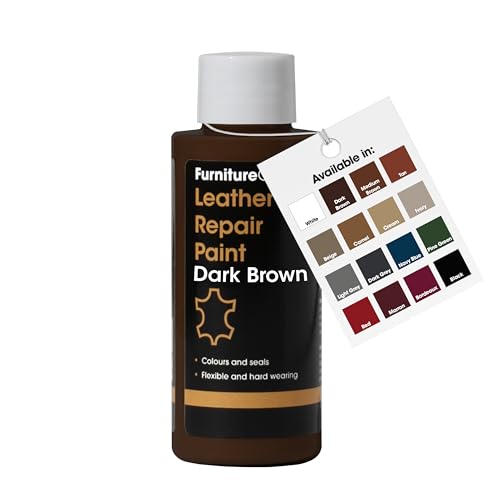


Understanding Leather Types Before You Dye
Not all leather accepts dye the same way. The single most important step before buying any leather dye for your couch is identifying which type of leather you have. Dyeing the wrong way can lead to blotchy color, poor adhesion, or a finish that peels within weeks.
Aniline and Semi-Aniline Leather
Aniline leather is dyed through and left with little or no protective coating, so the natural grain and pores remain visible. It absorbs dye readily and is the most forgiving surface for recoloring. Semi-aniline leather has a thin protective topcoat, which means dye penetration is partial — these sofas usually need a dye or leather paint designed to bond to a coated surface. If you own a leather couch with a soft, natural feel and visible grain, it is likely aniline or semi-aniline.
Pigmented and Protected Leather
Most modern leather sofas use pigmented leather: a surface coating of color and finish is applied over the hide. This makes the leather more resistant to stains, but it also blocks traditional penetrating dyes. For these couches, use a leather dye formulated for coated leathers or a flexible leather paint. Check whether your sofa has a removable cushion cover you can test on first — it is the safest way to confirm how the surface reacts.
Bonded, Faux, and Split Leather
Bonded leather and faux leather behave differently from genuine hide. They often require specialty coatings rather than penetrating dye. If your couch is a bonded leather model, test a hidden area before committing, and consider whether a leather restorer for couch products might be a better fit than dye for minor fading.
Choosing the Right Leather Dye for Your Couch
Leather dyes fall into a few broad categories, each suited to different leather types and skill levels. The table below groups them by market tier so you can match a product class to your needs without relying on numeric comparisons.
| Tier | Dye Category | Best For |
|---|---|---|
| Starter tier | Water-based leather dye | First-time DIY projects, aniline and semi-aniline leather, low-odor indoor application |
| Mid-tier | Alcohol-based penetrating dye | Deeper color penetration, experienced users, durable results on absorbent leathers |
| High-end tier | Leather paint and coating systems | Pigmented and protected leather, full color changes, professional-grade finishes |
| Top-tier | Complete leather recoloring kits | Restoration projects on leather couch living room pieces, consistent results with matched prep and sealant |
Water-based dyes are the most approachable for homeowners: they dry slowly enough to correct mistakes, have minimal odor, and clean up with water. Alcohol-based dyes penetrate more deeply and are preferred by professionals, but they dry fast and demand confident, even strokes. Leather paint sits on the surface and is the correct choice for pigmented leather where a penetrating dye cannot reach the hide.
When selecting a color, remember that dye usually dries slightly darker than it appears wet. If you are refreshing an existing shade on a leather couch with removable cushions, order a small test quantity first and apply it to a hidden panel. For couches with leather couch cushions that see heavy use, a kit that includes a protective topcoat will extend the life of the new color.
Preparation: The Step That Decides Your Result
Most failed leather dyeing projects trace back to inadequate preparation. Dye needs a clean, oil-free surface to bond properly.
- Clean thoroughly. Remove dust, body oils, and residue with a leather cleaner and a soft cloth. Pay attention to armrests, headrests, and seat fronts where oils accumulate.
- Degrease. Use a leather prep or degreaser on the entire surface you plan to dye, then let it dry completely. Skipping this step causes uneven absorption and patchy color.
- Repair damage first. Fill cracks, tears, and deep scratches with a leather filler before dyeing. Small repairs are covered in our guide to leather repair.
- Lightly scuff protected leather. On pigmented leather, gently abrade the topcoat with a fine abrasive pad so the dye or paint can grip. Wipe away dust afterward.
- Mask and protect. Tape off wooden legs, stitching you want to preserve, and surrounding flooring. Work in a ventilated space.
How to Apply Leather Dye Step by Step
With your couch prepared and your test patch approved, application is straightforward. Work in sections and keep your strokes consistent.
- Apply thin coats. Use a sponge, foam brush, or lint-free cloth. Thin, even coats dry more uniformly and avoid streaks. Two to three coats are typical.
- Work with the grain. Move in one direction on each panel and blend edges while the dye is still slightly wet.
- Let each coat dry. Follow the product's drying guidance. Rushing causes color lifting when you apply the next coat.
- Build coverage gradually. If the color looks uneven after the first coat, do not flood the surface — add another thin coat instead.
- Seal the finish. Once the final coat is fully cured, apply a leather finish or topcoat in the sheen that matches your sofa — matte for natural aniline leathers, satin or gloss for protected leathers.
For larger sofas and sectionals, plan your work in panels: one arm, then the seat, then the back. If your living space includes a leather sectional couch or a leather reclining couch and loveseat, dye the least visible sections first to build confidence before tackling the front-facing panels.
Drying, Curing, and Returning to Daily Use
Drying and curing are different stages. Surface drying may take a few hours, but full cure — when the dye and topcoat have fully bonded — typically takes 24 to 72 hours depending on humidity and product type. Keep the room ventilated, avoid direct sunlight, and keep pets and children away from the sofa until the finish is fully cured.
After curing, condition the leather lightly to restore suppleness. A quality conditioner helps prevent the dye from drying out the hide, especially on aniline leathers. For ongoing care, our leather couch living room guidance covers routine maintenance that keeps both color and texture in good shape.
Common Mistakes to Avoid
- Dyeing without cleaning or degreasing — the most common cause of patchy results and peeling.
- Using a penetrating dye on pigmented leather — the dye cannot reach the hide and will wear off unevenly.
- Applying thick coats — thick layers stay tacky, crack, and obscure the grain.
- Skipping the topcoat — unsealed dye fades and transfers onto clothing.
- Dyeing in a cold or humid room — extended drying changes how the color settles.
- Overlooking hardware and stitching — tape them off or clean them immediately after application.
When Dye Is Not the Right Answer
Dye restores color, but it does not fix structural problems. If your sofa has sagging springs, a cracked frame, or severe surface loss on bonded leather, dyeing may not deliver lasting results. In those cases, weigh the cost of a professional restoration against replacing the piece. For minor fading and scuffs, a leather restorer for couch product is often sufficient. If your leather couches for sale search is already underway, it may be more practical to compare new options alongside the restoration route.
Frequently Asked Questions
Can you dye a leather couch at home?
Yes. With the right product for your leather type, thorough cleaning and degreasing, and thin even coats, a home dyeing project can produce a professional-looking result. Allow a full day for application and up to three days for curing.
What type of dye works best for leather couches?
Water-based dyes suit aniline and semi-aniline leathers and are the most beginner-friendly. Alcohol-based dyes penetrate deeper for experienced users. Pigmented and protected leathers need a leather paint or coating system designed for coated surfaces.
How long does leather dye last on a couch?
A properly prepared and sealed dye job can last several years. Longevity depends on leather type, product class, and maintenance. High-contact areas such as armrests and seat fronts may need periodic touch-ups.
Do I need to seal leather after dyeing?
Yes. A topcoat protects the dye from friction, moisture, and UV fading, and it unifies the sheen. Choose a finish that matches the original leather texture for the most natural result.
Can I change the color of my leather couch completely?
Yes, especially with leather paint or full recoloring kits. Going from dark to light is more challenging and may require additional coats. Always test a hidden panel before committing, and expect the project to take longer than a simple refresh of the same shade.