
Living Room Decor: The Complete Styling & Design Guide
Transform your living room into a space that reflects your personality and serves your lifestyle. From furniture arrangement to the final decorative accent, discover how to layer texture, color, and light with confidence.
Start DecoratingThe CouchFocus Decor Philosophy: A well-decorated living room is not about filling every corner—it is about curating each element with intention. Whether you are starting from an empty room or refreshing an existing space, the goal is to create a room that feels balanced, functional, and genuinely yours. This guide walks you through the entire decorating process, from establishing a foundation to layering the finishing touches that bring a room to life.
Why Living Room Decor Matters
The living room is often the hardest-working space in the home. It serves as a gathering spot for family, a reception area for guests, and a personal retreat for quiet evenings. Because it fulfills so many roles, its decor must strike a balance between visual appeal and everyday practicality. A room that looks beautiful but feels uncomfortable to use will never truly function as a living space.
Good decor solves problems. It guides traffic flow, defines conversation zones, softens harsh lighting, and makes a room feel larger or cozier depending on what the space needs. When you approach decorating as a series of design decisions rather than a shopping exercise, every choice has a purpose. The result is a room that feels cohesive instead of cluttered, inviting instead of intimidating.
Before selecting a single accessory, take time to evaluate how you actually use the room. Do you host frequently? Watch films with the family? Read in the afternoon light? The answers determine the layout, the furniture scale, and the type of lighting required. Our living room layout guide covers the spatial planning principles that make decorating decisions easier, and it is worth reviewing before you commit to a furniture arrangement.
The Core Elements of Living Room Decor
Every decorated living room is built from the same set of foundational elements. Understanding what each one contributes helps you prioritize your efforts and avoid overlooking something that anchors the whole design.
Seating as the Anchor
The sofa or sectional is the visual and functional center of most living rooms. Its scale, shape, and upholstery set the tone for everything else. A clean-lined leather couch leans toward a more tailored, contemporary look, while a fabric sofa invites softness and warmth. Choose the seating first because it dictates the room's proportions and the placement of every other item.
Area Rugs for Grounding
An area rug visually anchors the seating group and defines the boundaries of the room within an open plan. It also adds warmth underfoot and absorbs sound. For a large seating arrangement, our guide on the correct size rug for a sectional couch explains how to measure so the rug sits properly beneath the furniture rather than floating awkwardly.
Layered Lighting
No single overhead fixture can create a comfortable atmosphere. Decorating with light means combining three layers: ambient light for overall brightness, task light from table and floor lamps for reading or working, and accent light to highlight art or architectural features. Warm-toned bulbs on dimmers give you the flexibility to shift the room's mood from bright and energetic to soft and restful.
Wall Art and Mirrors
Blank walls make even well-furnished rooms feel unfinished. Art introduces color, personality, and a focal point, while mirrors bounce natural light and make compact rooms feel larger. Hang art at eye level, and size it relative to the furniture below—a large piece over the sofa reads as intentional, while small scattered frames can appear unanchored.
Textiles and Soft Furnishings
Throw pillows, blankets, and curtains soften hard surfaces and add tactile richness. Layering different textures—a chunky knit blanket over a smooth linen sofa, velvet pillows beside cotton cushions—creates depth that photographs and everyday living both reward. Keep the number curated; three to five well-chosen pillows usually read better than a crowded row.
Plants and Decorative Objects
Living greenery brings energy and a sense of life that no inanimate object can replicate. A tall floor plant fills a bare corner, while a small potted plant on a side table adds freshness. Pair plants with a few meaningful decorative objects—a stack of books, a sculptural bowl, a candle—and rotate them seasonally to keep the room feeling current without a complete overhaul.
A Step-by-Step Decorating Process
Decorating a living room becomes far less overwhelming when you break it into a logical sequence. Working from the largest, most permanent decisions down to the smallest accents prevents costly mistakes and ensures every layer supports the one beneath it.
- Define the room's function and focal point. Decide what the room is primarily for and identify the natural focal point—a fireplace, a television, or a large window. Arrange seating to acknowledge that feature. If the room has no built-in focal point, create one with a large piece of art or a media console.
- Establish a color palette. Choose a neutral base for walls and major furniture, then select one or two accent colors to repeat throughout the room. Repetition—the same accent appearing in a pillow, a rug detail, and a piece of art—is what makes a room feel professionally pulled together.
- Place the large furniture pieces. Position the sofa, sectional, or primary seating first, leaving comfortable walkways of at least 30 inches. Add secondary seating such as accent chairs or a loveseat to complete the conversation group. Our living room couch and chair sets guide explores how to balance these arrangements.
- Anchor with a rug and define the zone. Lay the area rug so that at least the front legs of all seating rest on it. This simple rule visually ties the furniture together and prevents the floating-furniture look that makes rooms feel unsettled.
- Layer the lighting. Install or place ambient, task, and accent lighting. A floor lamp beside the sofa, a table lamp on a console, and a dimmable overhead fixture together provide the flexibility to adapt the room's atmosphere throughout the day.
- Add textiles and soft furnishings. Introduce curtains, throw pillows, and blankets in textures and tones that echo the palette. These soft layers absorb sound and make the room feel finished and comfortable.
- Finish with art, plants, and objects. Hang wall art, place plants, and arrange decorative objects on surfaces. Step back and assess the balance—then edit. Removing one or two items is often the final step that elevates a room from decorated to designed.
Decorating by Design Style
Your design style is the thread that connects individual choices into a coherent look. The three broad approaches below are starting points, not rigid rules; most successful rooms blend elements from more than one.
Contemporary Comfort
Slipcovered sofas, washable fabrics, and an easy mix of textures define this approach. Neutral walls let colorful pillows and a patterned rug do the talking. Furniture is arranged for conversation rather than symmetry, and nothing feels too precious to use.
Modern Classic
Clean lines, a restrained palette, and high-quality materials create a polished look. Leather or structured fabric seating pairs with metal and glass tables. Symmetry plays a larger role, and accessories are fewer but more substantial. A coordinated living room furniture set helps maintain this cohesive aesthetic.
Layered Traditional
Rich colors, patterned textiles, and a mix of old and new pieces create a room that feels gathered over time. Wood tones dominate, books and objects are displayed with intent, and lighting is warm and low. The effect is comfortable and personal rather than showroom-perfect.
Decorating Small Living Rooms
Compact living rooms demand discipline rather than deprivation. The goal is not to cram in as much as possible but to choose pieces that earn their place. A small room decorated with a few well-scaled items will always feel more spacious and inviting than one crowded with accessories.
Start with furniture that fits the room's true dimensions. A leather couch for a small living room or a compact loveseat leaves breathing room for walkways and secondary pieces. Choose a rug that covers most of the floor area—a small rug floating in the middle of a room visually shrinks the space. Use vertical space for storage and art, and keep window treatments light so natural light can travel.
Mirrors are a small room's best friend. A large mirror opposite a window doubles the perceived light and depth. Keep the palette light and consistent, and reserve bold color for accents you can change seasonally. For a deeper exploration of furnishing compact rooms, see our guide to living room couch ideas for small spaces.
Decorator's Tips for a Pulled-Together Room
- Repeat at least one color three times in different materials—fabric, ceramic, metal—to create visual rhythm.
- Vary heights on shelves and tables. A tall lamp beside a low bowl and a medium stack of books reads as curated; a row of identical heights reads as flat.
- Hang curtains high and wide. Mounting the rod near the ceiling and extending it past the window frame makes windows appear larger and ceilings taller.
- Leave negative space. Empty wall and floor areas give the eye rest and make decorated areas feel more intentional.
- Test lighting at night. A room that looks balanced in daylight can feel harsh or dim after dark—adjust bulb warmth and lamp placement accordingly.
- Rotate accessories seasonally instead of buying new ones. Swapping pillow covers, throws, and small objects refreshes the room without accumulating clutter.
Coordinating Furniture and Decor
Furniture and decor should feel like they belong to the same conversation. If your seating is modern and low-profile, highly ornate accessories can look out of place; if your furniture is traditional, a sparse minimalist vignette may feel incomplete. Matching the visual weight and formality of your decor to your furniture is the quickest route to cohesion.
When you are choosing companion pieces, consider how they will relate to the sofa. Accent chairs in a contrasting material—leather beside fabric, or wood frames beside upholstered seating—add interest without visual noise. A coordinated living room couch set can simplify the process if you prefer a unified look, while mixing individual pieces gives you more freedom to layer in personality over time.
Tables deserve the same attention. A coffee table anchors the center of the seating group and sets the scale for decorative objects. Low, long tables suit large sectionals; round tables ease traffic flow in compact rooms. Explore our living room coffee and end tables guide for pairing advice that keeps the room balanced.
Seasonal Decorating Without Clutter
The most livable rooms change subtly with the seasons. Seasonal decorating does not require storing boxes of themed items; it works best as a light rotation of textiles, scents, and natural elements. In cooler months, swap in heavier throws, deeper pillow tones, and warmer light. In warmer months, lighten the palette, remove heavy layers, and bring in fresh greenery.
Keep a small core of year-round accessories—a favorite vase, a stack of books, a well-framed print—and rotate only the elements that respond to the season. This approach keeps storage manageable and ensures the room always feels like itself rather than a different theme every few months. For ideas on building a versatile accessory collection, see our living room essentials guide.
Key Takeaways
- Decorate in layers: furniture first, then rug and lighting, then textiles, then art and objects.
- Choose a focal point and arrange seating around it to give the room a clear purpose.
- Use a consistent color palette and repeat accent colors in at least three places.
- Layer lighting from three sources—ambient, task, and accent—for flexibility and comfort.
- In small rooms, prioritize scale, light surfaces, mirrors, and a rug that covers the floor area.
- Edit ruthlessly: the final step of removing one or two items often makes the biggest difference.
Frequently Asked Questions
Begin with a focal point such as a fireplace, television, or a large window. Arrange your seating to face or highlight this feature. Choose a cohesive color palette, then layer in textiles, lighting, and accessories gradually to build depth and personality.
Essential elements include a comfortable seating arrangement, area rug to anchor the space, layered lighting including floor and table lamps, wall art or mirrors for visual interest, throw pillows and blankets for texture, and indoor plants or decorative objects to add life and personality.
Use light colors to open up the space, select multi-functional furniture like storage ottomans, hang mirrors to reflect light, choose a consistent rug that covers most of the floor area, and keep accessories curated rather than cluttered. Vertical wall art draws the eye upward.
Start with a neutral base for walls and large furniture pieces, then introduce accent colors through throw pillows, rugs, and art. Consider the room's natural light, your existing furniture, and the mood you want to create—warm tones for cozy, cool tones for calm.
Recommended Living Room Decor
⚠️ AFFILIATE DISCLOSURE: This website contains affiliate links. As an affiliate Associate, we earn from qualifying purchases. If you make a purchase through these links, we may receive a small commission at no additional cost to you. Read our full affiliate policy.

Gupuzm Floor Lamp with Shelves, Modern Square Standing Lamp with 3 Color Temperature Bulb, Corner Display Bookshelf Lamp for Living Room, Bedroom and Office (Black)
Check price on Amazon
WIPHANY Entryway Wall Key Holder with 5 Hooks, Metal Key Rack Wall Mount for Keys, Bags and Leashes, Decorative Organizer for Entryway, Mudroom or Hallway, Sweet Home Design, 9.8 inches, Black
Check price on Amazon
Homedics Tabletop Water Fountain, Home Décor Soothing Sound Machine | Automatic Pump, Deep Basin & Natural River Rocks. Indoor Zen Relaxation for Office, Living Room, or Bedroom, 8.25” Tall
Check price on Amazon
Furnulem 6 Tier Corner Shelf with LED Light, 67.5" Black Narrow Bookshelf | Tall Standing Shelf Organizer, Storage Rack for Wall Corner, Living Room, Bedroom, Metal Frame, Wood Display Shelf
Check price on Amazon
HOOBRO Blanket Ladder, 5-Tier Towel Rack with Hooks, Wall-Leaning Blanket Rack, Decorative Display Ladder Shelf, for Scarves, Industrial, Living Room, Bedroom, Rustic Brown and Black BF52CJ01G1
Check price on Amazon
KQW Tall Floor Lamp for Living Room,65'' Modern Standing Lamps with 9W LED Bulb,Elegant Floor Light with Fabric Shade,Gold Tall Lamp for Bedroom Office Study Room Corner Dining Room
Check price on Amazon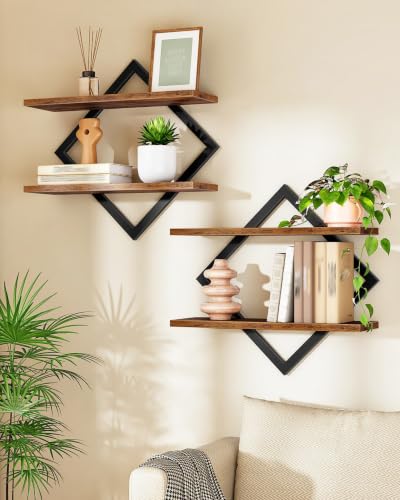
CHOEZON Floating Shelves, Set of 2 Wall Shelves, 2-Tier Hanging Shelves, Wall Shelf Set of 2, Wall Mounted Shelves, for Living Room, Bedroom, Kitchen, Office, Study, Rustic Brown TBJ01P2BF
Check price on Amazon