



Why a Dedicated Porch Couch Matters
A porch is more than a transition zone between indoors and out — it is one of the most used and underutilized spaces in a home. A well-chosen porch couch turns that area into a genuine outdoor room. Unlike a folding chair or a bench, a porch couch provides proper back support, room for two or more people, and a visual anchor that makes the space feel intentional.
The key difference between an indoor couch and a porch couch is exposure. Your porch may face sun, rain, humidity, pollen, and temperature swings. That means the materials, frame construction, and cushion design all need to be selected with the outdoors in mind. A couch that performs beautifully in a climate-controlled living room may deteriorate quickly on an open porch.
If you are still comparing outdoor seating categories, our guide to patio furniture couches covers the broader outdoor couch landscape, while this page focuses specifically on the porch environment.
Porch Couch Sizing: Match the Couch to Your Space
Porches come in many shapes — narrow front porches, deep wraparound verandas, screened enclosures, and covered back porches. Before shopping, measure your available footprint carefully. Leave at least 24 to 30 inches of walking clearance around the couch, and account for door swings, steps, and railings.
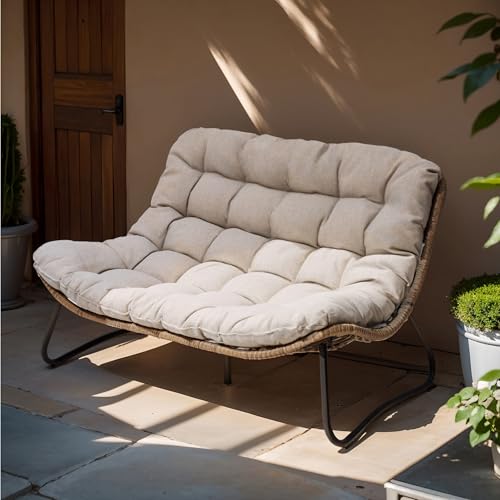
- Small porches (under 8 feet wide): A loveseat or a compact two-seat couch works best. Consider a clearance-friendly patio couch design with slim arms.
- Medium porches (8–12 feet wide): A standard three-seat porch couch fits comfortably, often paired with a side table.
- Large porches and verandas: A full-size couch, a porch sectional, or an L-shaped arrangement can define distinct conversation zones.
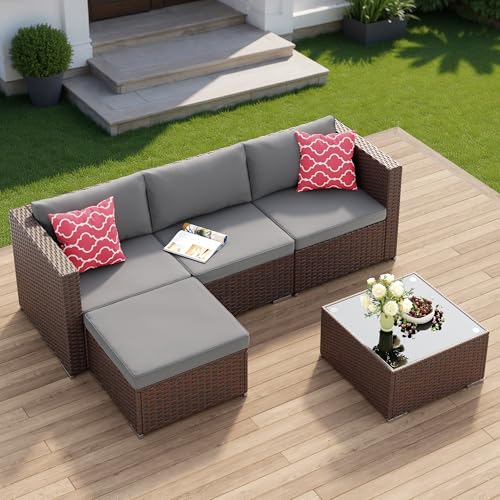
If your porch layout is tight, explore options in our patio couch set collection, which often bundles seating with coordinating tables. For maximum seating flexibility, a patio sectional couch can wrap around a corner and use space efficiently.
Materials That Survive the Outdoors
The single biggest factor in porch couch longevity is material choice. Here is how the main options compare:
| Material | Best For | Weather Resistance | Maintenance |
|---|---|---|---|
| Wicker / Resin Wicker | Classic porch aesthetics, covered porches | Good (resin wicker resists moisture and UV) | Wipe down; inspect for fraying |
| Metal (Aluminum, Steel) | Modern and industrial looks, windy porches | Excellent when powder-coated or rust-proof finished | Low; check for scratches on coating |
| Teak / Hardwood | Traditional and coastal porches | Very good; naturally weather-resistant | Occasional oiling; sanding if weathered |
| Fabric Over Frame | Comfort-first setups under roof cover | Depends on fabric; look for performance fabric | Regular cleaning; covers recommended |
| All-Weather Wicker | Open porches in humid climates | Excellent | Minimal |
For cushions and upholstery, prioritize solution-dyed acrylic or performance fabrics. These resist fading, mildew, and moisture far better than standard indoor fabrics. If your porch is fully exposed, consider a couch frame with quick-drying cushions or a design that allows cushions to be stored easily during storms.
Porch couches that combine a sturdy metal or hardwood frame with a weather-resistant woven exterior often offer the best balance for year-round outdoor use. Our metal patio couch guide dives deeper into frame construction, and wicker patio couch options are explored in detail on their respective pages.
Comfort Features That Make a Difference
Comfort on a porch couch is about more than soft cushions. Consider these elements:
- Seat depth: Deeper seats invite lounging, but on a narrow porch they can crowd walkways. A depth of 20–24 inches is a versatile middle ground.
- Back height: Higher backs support the shoulders and neck during long sits. Low-back designs look modern but can feel less supportive.
- Cushion thickness and density: Thick, high-density foam holds its shape longer outdoors. Quick-dry foam cores are a smart choice for humid porches.
- Armrests: Wide armrests double as side tables for drinks, books, or a small tray.
- Removable cushion covers: A practical feature that makes cleaning and seasonal storage far easier.
Mid-range and premium porch couches typically offer better cushion density and more refined stitching than entry-level models. If you expect heavy daily use, the upgrade in comfort is usually noticeable.
Weather Protection and Placement Strategy
Where you place your porch couch significantly affects how long it lasts. A covered porch protects seating from direct rain and harsh afternoon sun, extending the life of fabrics and finishes. On an open porch, position the couch against the house wall where possible and add a small awning or shade sail if sun exposure is intense.
Practical protection tips include:
- Use a fitted outdoor couch cover during off-season or stormy periods.
- Elevate the couch slightly if your porch floor is prone to standing water.
- Avoid placing fabric cushions directly against a railing that collects moisture.
- Rotate cushions periodically to prevent uneven fading.
For a complete porch or patio layout that includes a fire feature, browse patio conversation sets with fire pit arrangements, and for seating-plus-table bundles see patio couch sets with fire pit.
Styling Your Porch Couch
Once the couch is in place, styling makes the porch feel like an extension of your home. Outdoor throw pillows in weather-resistant covers add color and personality. A durable outdoor rug anchors the seating area and defines the conversation zone. A side table or a small coffee table provides a landing spot for drinks and decor.
Layer in lighting with battery or solar-powered lanterns for evening ambiance, and add a planter or two to soften edges. If you want to coordinate with existing patio pieces, our patio couch cushions page covers replacement cushions in a range of outdoor fabrics.
Porch Couch Buying Checklist
- Measured porch width, depth, and walking clearance
- Roof cover level (fully covered, partially covered, open)
- Climate factors: humidity, sun intensity, rainfall, wind
- Frame material suited to your exposure level
- Cushion fabric rated for outdoor use
- Number of regular users and seating capacity needed
- Storage plan for cushions and off-season protection
Frequently Asked Questions
Can I use an indoor couch on a covered porch?
Technically yes, but it is not recommended for long-term use. Indoor fabrics and foam are not designed for humidity, temperature swings, or UV exposure. A covered porch offers some protection, but an indoor couch will likely degrade faster than a purpose-built outdoor model.
What is the best material for a porch couch in a humid climate?
Resin wicker over a powder-coated aluminum frame is among the most reliable choices for humid climates. It resists moisture, does not rust, and is easy to wipe clean. Pair it with quick-dry cushions and solution-dyed acrylic covers.
How do I keep porch couch cushions from getting moldy?
Choose cushions with quick-dry foam and removable, washable covers. Bring cushions indoors or into storage during prolonged rain, and ensure the porch has good airflow. Standing water and trapped moisture are the main causes of mold on outdoor cushions.
Is a porch couch different from a patio couch?
The terms overlap significantly. "Porch couch" usually implies a couch placed on a covered or semi-covered residential porch, while "patio couch" can refer to seating on an open patio. The core material and durability requirements are similar, but porch couches often prioritize a more residential, furniture-like appearance.
How many people can a standard porch couch seat?
A standard three-seat porch couch comfortably seats three adults. Loveseat-sized porch couches seat two. For larger gatherings, consider pairing a porch couch with matching chairs or choosing a sectional arrangement.
Final Thoughts
A porch couch is an investment in daily comfort and outdoor living. By matching the couch size to your porch, choosing weather-appropriate materials, and planning for protection and storage, you can enjoy your porch seating for many seasons. Use the checklist above, compare materials honestly against your climate, and prioritize frame quality and cushion construction over purely decorative details. When those fundamentals are right, the style choices become easy.