
Professional Couch Cleaner: The Complete Guide to Upholstery Cleaning
Everything you need to know about professional-grade upholstery cleaning — methods, equipment tiers, fabric-specific care, and how to decide between DIY and hiring a specialist.
Explore Cleaning MethodsWhy this guide matters: Your couch is one of the most-used pieces of furniture in the home, yet it is often the least maintained. Embedded dust, pet dander, food particles, and body oils break down upholstery fibers over time and can affect indoor air quality. A professional couch cleaner — whether a specialist service or a professional-grade machine you operate yourself — restores fabric integrity and extends the life of your furniture. This guide explains the methods, the equipment tiers, and the decision framework so you can choose the right approach with confidence.
What a Professional Couch Cleaner Actually Does
A professional upholstery cleaning process is more than surface vacuuming. It follows a structured workflow designed to protect fabric while removing deep-seated contaminants:
- Fabric identification and testing: The cleaner checks the upholstery cleaning code (W, S, WS, or X) and performs a colorfastness test in a hidden area.
- Dry soil removal: High-powered vacuuming with upholstery attachments lifts loose dust, crumbs, and pet hair before any liquid is introduced.
- Pre-treatment: Targeted stain removers and degreasers are applied to high-traffic zones, armrests, and seat cushions.
- Deep cleaning: Depending on the fabric, the cleaner uses hot water extraction, dry compound cleaning, or low-moisture encapsulation.
- Extraction and drying: Controlled suction removes cleaning solution and moisture, followed by air movers to accelerate drying and prevent mildew.
- Post-treatment: Fabric protectors may be applied to repel future spills, and cushions are re-fluffed to restore shape.
If you want a broader look at the equipment used across both carpet and upholstery work, see our guide to a professional carpet and upholstery cleaner, and for steam-based systems specifically, the professional upholstery steam cleaner overview is a useful companion read.
Upholstery Cleaning Methods Compared
No single method suits every fabric. The right choice depends on fiber type, soiling level, and drying tolerance. Here is how the main professional methods compare:
Hot Water Extraction (Steam Cleaning)
Hot water extraction injects a heated cleaning solution into the fabric and immediately extracts it with strong suction. It is the deepest-cleaning method and is ideal for synthetic fibers and heavily soiled couches. Water-sensitive fabrics such as silk, velvet, and some wools should not be treated this way. Drying time typically runs several hours with proper air movement.
Dry Compound Cleaning
A dry absorbent compound is worked into the fabric and then vacuumed out, carrying soil with it. This method uses almost no moisture, making it the safest option for delicate fabrics and for couches that cannot tolerate extended drying times. It is highly effective for light to moderate soiling and is often used in commercial-grade upholstery maintenance programs.
Low-Moisture Encapsulation
An encapsulating solution crystallizes around soil particles as it dries, and the crystals are removed by vacuuming. This method balances cleaning power with fast drying and is a strong mid-tier choice for modern performance fabrics. It is efficient in the long run for households that clean regularly.
Dry Cleaning Solvent Methods
Solvent-based cleaning is reserved for fabrics coded "S" (solvent only). It dissolves oily soils without water and is typically handled by specialists. If your couch carries an S code, DIY water-based cleaning can cause shrinkage or water rings. For delicate natural fibers, the considerations in our professional silk upholstery cleaners guide apply, and leather couches follow an entirely different process covered in professional leather furniture cleaning.
Equipment Tiers: Matching the Tool to the Job
Professional couch cleaning equipment falls into clear market tiers. Rather than ranking by figure, use these universal descriptors to understand what each tier delivers:
| Tier | Category | Best For |
|---|---|---|
| Entry-level | Portable spot extractors | Quick spot treatments, light refresh cycles, small apartments |
| Mid-range | Canister upholstery extractors | Regular household deep cleaning, pet households, mid-size couches |
| Premium | Professional-grade extraction units | Heavy soiling, large sectionals, multi-room deep cleans |
| Professional-grade | Commercial extraction systems | Daily professional use, specialist cleaning businesses |
| Specialty | Dry compound and encapsulation systems | Delicate fabrics, moisture-sensitive materials, fast-drying needs |
As a rule of thumb, entry-level units handle surface-level refresh work, while mid-range and premium tiers offer stronger suction, better temperature control, and more durable components. For moisture-sensitive couches, a dry compound system in the specialty tier is often the safer investment. If you are outfitting a broader cleaning kit, pairing an extractor with a dedicated steam unit — covered in our professional upholstery steam cleaner article — gives you flexibility across fabric types.
Fabric-Specific Cleaning Considerations
Always check the cleaning code tag before starting. The code is the single most reliable indicator of safe treatment:
- W (Water-based): Safe for water-based cleaning and hot water extraction.
- S (Solvent-based): Requires dry cleaning solvents only; avoid water entirely.
- WS (Water and Solvent): Compatible with either method; the most flexible category.
- X (Vacuum only): Neither water nor solvents; professional dry methods or vacuuming only.
Beyond the code, fiber behavior matters. Polyester and performance fabrics tolerate moisture well, while natural fibers can shrink or distort. If your sofa uses a performance fabric, the care notes in our performance fabric couch guide explain why these materials respond well to encapsulation and low-moisture cleaning. For pet-related soiling, enzyme-based pre-treatment is essential before extraction — the strategies in our pet-proof couch resource help reduce repeat staining between professional visits.
DIY vs. Hiring a Professional Service
Both paths can deliver excellent results when matched to the situation. Consider the following decision framework:
Choose DIY with professional-grade equipment when:
- Your fabric is coded W or WS and is in good structural condition.
- Soiling is light to moderate and localized.
- You are comfortable operating an extractor and managing drying time.
- You clean on a regular maintenance schedule rather than waiting for heavy buildup.
Hire a specialist when:
- The fabric is coded S or X, or is silk, velvet, or another delicate material.
- The couch has deep-set odors, mold risk, or widespread pet contamination.
- You own a large sectional that exceeds the capacity of household equipment.
- You want documented results, fabric protection application, and warranty-safe treatment.
For furniture that also needs physical repair or transport, a pick-up and delivery service for furniture can coordinate cleaning and logistics in one step. And if the couch has reached the end of its serviceable life, our patio couch clearance page is a useful reference for transitional planning.
A Practical Maintenance Schedule
- Weekly: Vacuum upholstery with a soft brush attachment; rotate and fluff cushions.
- Monthly: Spot-treat fresh stains immediately using the fabric-appropriate method.
- Every 6–12 months: Deep clean with a mid-range extractor or schedule a professional service — more often in pet or allergy households.
- Every 12–18 months: Consider fabric protection reapplication and a full inspection of seams and cushion cores.
Consistent maintenance is an efficient approach in the long run: regular light cleaning prevents the deep-set soiling that demands premium-tier intervention. For related care guidance across all upholstery types, explore our couch care and maintenance hub.
Recommended Professional Couch Cleaners & Equipment
⚠️ AFFILIATE DISCLOSURE: This website contains affiliate links. As an affiliate Associate, we earn from qualifying purchases. If you make a purchase through these links, we may receive a small commission at no additional cost to you. Read our full affiliate policy.

Chemical Guys, Lightning Fast Carpet & Upholstery Stain Extractor, 16 oz | Tackles coffee, soda, wine and pet messes on carpet, seats and mats, just spray, agitate and blot for a clean look.
Check price on Amazon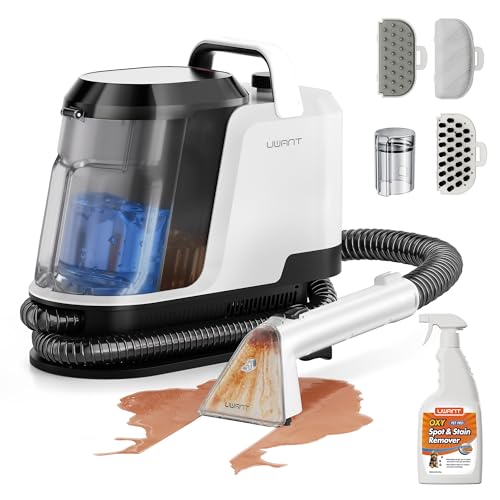
Uwant 18Kpa Portable Carpet Cleaner with Pet Pro Cleaner&Tools for Pets | Upholstery Cleaner Machine with 3 Brush Heads for Cars, Pets 2in1 Carpet Cleaner Machine for Spot, Rugs, Couch
Check price on Amazon
ForceField® Fabric Cleaner Professional Strength, Deeply Penetrates Water Safe Fabric & Fibers of Upholstery, Clothing, Rugs & Carpeting - 22oz
Check price on Amazon
Uwant 18Kpa Carpet Cleaner Machine with Pet Pro Cleaner&Tools Set of 1 | Portable Carpet Cleaner with 3 Brush Heads for Cars, Pets 2in1 Upholstery Cleaner Machine for Spot, Rugs, Couch
Check price on Amazon
Carbona Oxy Powered Upholstery Cleaner with Brush & Sponge, 13.5 Fl Oz | Oxy Powered Stain Remover for Couches, Car Seats & Mattresses, Tough on stains, Neutralizes Odors, No Residue
Check price on Amazon
HAPOW Carpet Cleaner Machine, 18Kpa Portable Upholstery Cleaner for Couch Car fabric Furniture Mattress Area Rugs Pets Spot Extractor, with Dual Water Tanks, Cleaning Tool and Self Cleaning
Check price on Amazon
Starrybot Portable Carpet Cleaner with Steam, 18Kpa Spot Cleaner [Gray] | Steam and heating technology help lift pet messes, couch stains, stair spots, rugs, and furniture dirt.
Check price on Amazon
Couch Cleaner Spray, Upholstery Cleaner for Sofas and Fabric Furniture | 33.8 fl oz Quick-Drying Spray for Sofas, Carpets, Mattresses and Car Seats, Helps Lift Stains and Maintain Fabric Texture
Check price on AmazonFrequently Asked Questions
What does a professional couch cleaner actually do?
A professional couch cleaner identifies the fabric code, pre-treats stains, and uses specialized equipment — hot water extraction, dry compounds, or encapsulation — to lift embedded dirt and allergens without damaging the material.
How often should upholstery be professionally cleaned?
Most households benefit from professional upholstery cleaning every 12 to 18 months. Homes with pets, children, or allergy sufferers may need cleaning every 6 to 12 months.
Can I rent a professional-grade upholstery cleaning machine?
Yes, many equipment rental services offer professional-grade extractors with strong suction and controlled moisture. Operator skill still determines results and fabric safety, so always test in a hidden area first.
Is steam cleaning safe for all couches?
No. Steam and hot water extraction are safe for W and WS coded fabrics but can damage S and X coded fabrics, silk, and some wools. Always verify the cleaning code before proceeding.
Ready to Restore Your Couch?
Compare professional-grade cleaners and equipment options, then choose the tier that matches your fabric and lifestyle.
View Recommended Options