




What Makes a Theater Style Couch Different?
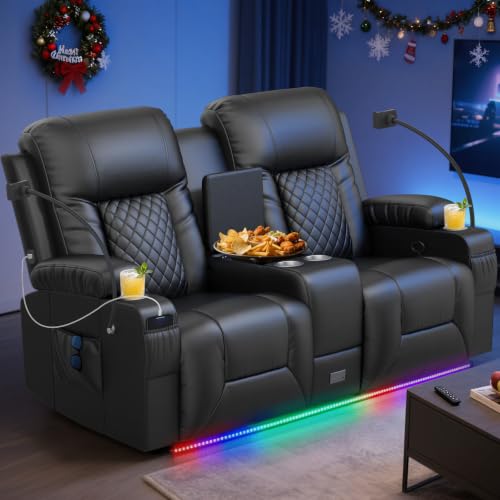
A theater couch is designed around one central goal: making long viewing sessions as comfortable as possible. While a standard sofa prioritizes everyday lounging and social conversation, a theater style couch leans into ergonomics and immersive relaxation. The key differences appear in cushioning density, backrest angle, seat depth, and the presence of reclining or lumbar-support mechanisms.
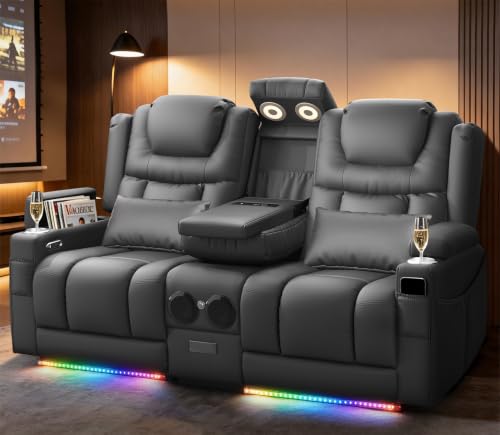
Many theater couches also incorporate features like cupholders, hidden storage, and USB charging ports. These additions are not gimmicks—they solve real problems that arise when you and your household settle in for a double feature. If you are comparing options, the sofa styles guide provides a helpful overview of how theater seating fits alongside other couch categories.
Core Features to Prioritize
- Reclining mechanism: Manual or power recliners let you adjust the backrest and footrest independently. Power recliners with memory presets are common in mid-tier and premium models.
- Seat depth and cushion density: Theater couches tend to have deeper seats and firmer high-resilience foam that resists sagging over years of use.
- Upholstery material: Leather and performance fabric are the most popular choices. Leather wipes clean easily and develops character; performance fabric resists stains and is friendlier to households with pets or children. Explore stain-resistant fabric options if easy maintenance matters to you.
- Frame construction: A solid wood frame or a steel frame couch will outlast particle-board construction. Check the joinery and weight capacity before committing.
- Connectivity: USB ports, wireless charging pads, and even built-in speakers appear on higher-tier models. Decide which features you will genuinely use.
Choosing the Right Configuration for Your Room
The layout of your media room or living area dictates which theater couch configuration works best. A dedicated home cinema often suits a straight row of recliners, while a multi-purpose family room may benefit from a sectional or L-shaped arrangement that preserves walkway space.
Consider these common setups:
- Straight row recliners: Ideal for narrow rooms and dedicated theater spaces. Maximizes screen-facing seats.
- Curved or angled rows: Improves sightlines in wider rooms and creates a more immersive feel.
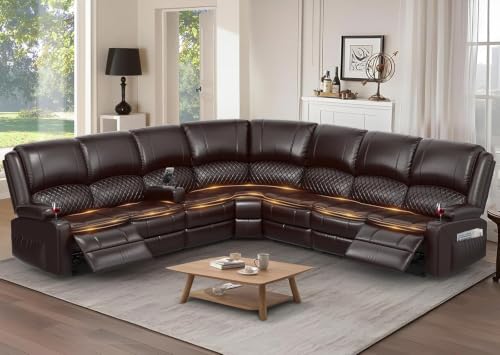
- Theater sectional: Blends cinema comfort with living room versatility. Works well in open-plan spaces.
- Reclining loveseat or sofa couch: A compact alternative for smaller media rooms or apartments.
If space is tight, review the small space couch set ideas before deciding on a full theater row. A space-saving couch with a reclining function can deliver much of the cinema experience without overwhelming the room.
Materials and Build Quality by Tier
Theater style couches span a wide range of build quality. The table below groups common characteristics by market tier so you can align expectations with the category you are shopping in. No numeric figures are involved—these are relative descriptors.
| Tier | Typical Construction | Upholstery | Best For |
|---|---|---|---|
| Entry-Level | Particle board or mixed wood frame, manual recline, basic foam | Bonded leather or standard polyester fabric | Occasional movie nights, starter media rooms |
| Mid-Range | Hardwood frame, smooth manual or entry power recline, high-resilience foam | Top-grain leather or performance fabric | Regular family viewing, multi-purpose living rooms |
| Premium | Solid hardwood frame, power recline with memory, reinforced joints | Full-grain leather or premium woven performance fabric | Dedicated home theaters, daily use |
| Luxury | Kiln-dried hardwood, commercial-grade mechanisms, lumbar adjustment | Aniline leather, bespoke upholstery options | High-end cinema rooms, long-term investment |
Entry-level models are a solid choice for occasional use, while mid-range theater couches typically offer the smoothest balance of durability and comfort for most households. Premium and luxury tiers justify themselves through reinforced mechanisms and materials that hold up to years of daily reclining. If you want to explore leather options specifically, the top-grain leather couches collection is a useful starting point.
Pro Tip: Measure Your Sightlines First
Before choosing a reclining theater couch, measure the distance from your planned seating position to the screen. Reclining seats change your eye level, so a couch that reclines deeply may require a slightly higher screen placement or a longer viewing distance. Also verify clearance behind the couch for the recline mechanism—power recliners often need several inches of wall clearance.
Comfort and Ergonomics: What to Test Before Buying
If you can visit a showroom, sit in the couch for at least ten minutes. Recline fully, then return to an upright position. Listen for motor noise on power models and check that the footrest extends smoothly without wobble. On manual recliners, test the handle tension—it should engage without excessive force.
For online purchases, read return policies carefully and look for detailed specification sheets. Key numbers to compare include seat height, seat depth, armrest height, and fully reclined length. A couch that fits your room but not your body will quickly become uncomfortable. The measurement guide walks through the essential dimensions to record before ordering.
Integrating a Theater Couch into Your Living Space
A theater style couch does not have to live in a dedicated dark room. Many homeowners place reclining theater seating in a family room and soften the cinema look with throws and pillows. A throw blanket draped over the armrest and a few textured throw pillows on the couch can make the seating feel warmer and more residential.
Lighting also matters. Pair the couch with dimmable task lighting or floor lamps on a separate circuit so you can drop the ambient light without losing all visibility. If the room has a large window, consider how daytime glare will affect screen viewing and whether blackout curtains are needed.
For rooms that serve double duty, a theater sectional can anchor a conversation area by day and convert to movie mode by evening. Browse the sectional sofas category to see how reclining sectionals compare with standard configurations. If you are furnishing a compact apartment, the studio apartment couch guide covers space-conscious alternatives that still deliver comfort.
Maintenance and Longevity
Theater couches endure more mechanical wear than standard sofas because of the reclining hardware. Keep the mechanisms free of debris and vacuum under and behind the seats regularly. Leather models benefit from periodic conditioning to prevent cracking, while fabric models should be cleaned according to the manufacturer's code. The couch care and maintenance section covers upholstery-specific cleaning methods in depth.
If you notice a recliner becoming stiff, check for obstructions in the track before assuming a mechanical failure. Many issues are resolved with simple cleaning and lubrication of moving parts. For persistent problems, consult the warranty terms—premium and luxury tiers typically include longer coverage on mechanisms.
Common Mistakes to Avoid
- Ignoring wall clearance: Reclining couches need space behind them. Measure before you buy, not after delivery.
- Choosing style over seat depth: A visually striking couch with a shallow seat will disappoint during long movies. Sit before you commit.
- Overlooking cup holders and storage: These features seem minor until you are balancing a drink on your knee during the climax.
- Skipping the frame check: A sturdy frame is the foundation of comfort. Ask about joinery and frame material.
- Forgetting the room's acoustics and lighting: Seating comfort is only part of the cinema experience. Soft furnishings and controlled lighting complete it.
Frequently Asked Questions
Is a theater style couch worth it compared to a regular sofa?
If you watch movies or play games regularly, the ergonomic support and reclining features of a theater couch deliver a noticeably better experience than a standard sofa. For occasional viewing, a well-cushioned regular couch with a supportive back may be sufficient. The decision comes down to how often you use the seating for extended sessions.
Can a theater couch work in a small room?
Yes. Reclining loveseats and compact theater sofas are available for smaller spaces. Focus on models with zero-wall or wall-hugger reclining mechanisms, which need minimal clearance behind the couch. Review the small space couch set recommendations for layout ideas.
Leather or fabric for a theater couch?
Leather is easier to wipe clean and develops a classic cinema look, but it can feel cold initially and requires conditioning. Performance fabric is softer, resists stains, and suits families with pets or children. Both are viable—choose based on maintenance preferences and the room's climate.
How do I clean a theater couch with reclining mechanisms?
Vacuum the upholstery and crevices regularly to prevent debris from reaching the mechanism. Wipe leather with a damp cloth and condition periodically. For fabric, follow the cleaning code. Avoid soaking the mechanism area, and never use harsh solvents near electrical components on power models.
Do I need power recliners or are manual ones enough?
Manual recliners are reliable and simpler to maintain. Power recliners offer smoother adjustment and memory presets, which are convenient for households with varied preferences. Mid-range and premium power models generally have quieter, more durable motors. Consider whether the added convenience justifies the higher tier for your usage pattern.
Ready to Build Your Home Cinema?
Explore our curated selection of theater style couches and reclining seating to find the right fit for your space.
View Recommended Seating