
TV Tray Table That Slides Under Couch: The Space-Saving Dining Solution
Learn how a slide-under couch tray table reclaims your living room floor, keeps meals and laptops steady, and disappears out of sight the moment you are done. This guide covers sizing, stability, materials, and the tier that fits your daily routine.
EXPLORE TOP PICKSWhy this guide exists: If you have ever balanced a dinner plate on your knees or wrestled with a folding tray that never sits level, you already understand the appeal of a table that glides under the sofa. A TV tray table that slides under couch combines the convenience of a side surface with the footprint of a shadow. Below we break down exactly what to measure, which construction details matter, and how to choose a model that stays stable through everyday use.
What Is a Slide-Under Couch Tray Table?
A slide-under couch tray table is a compact surface built on a C-shaped or cantilevered base. The base is intentionally low and narrow so it can tuck beneath the front edge of a sofa, letting the tabletop hover over your lap or the seat cushion. Unlike a traditional TV tray that stands on four legs in front of you, this design anchors itself partly under the furniture, which improves stability and removes the need for floor space in front of the couch.
The concept is closely related to the broader family of TV tables for eating at couch, but the slide-under format adds a key advantage: when the meal is over, the table rolls or slides away and the room returns to its original layout. For renters, studio dwellers, and anyone with a compact lounge, that reversible footprint is the entire point.
Most models fall into two mechanical styles:
- Castor or wheel base: small low-profile wheels let the table roll in and out from under the sofa. Best for hardwood and tile floors.
- Friction slide base: a flat weighted foot or felt-padded runner glides along the floor without wheels. Better for rugs and for anyone who wants a lower profile.
Both styles share the same core geometry: an offset vertical support that clears the sofa's front rail, topped with a tray large enough for a plate, a drink, and a tablet or book.
Who Benefits Most From a Slide-Under Tray Table
This category is not a niche gadget. It solves a specific set of everyday problems, and the people who benefit most tend to share a few traits:
- Small-space residents: Apartments and studios where a dedicated dining table would consume the only open floor area.
- Open-plan living: Homes where the lounge doubles as an office, a dining zone, and a media room throughout the day.
- Frequent sofa diners: Anyone who regularly eats breakfast, lunch, or dinner from the couch and wants a level, stable surface instead of a cushion-balanced plate.
- Remote workers: A slide-under table gives a laptop a proper height and angle without committing a permanent desk to the living room.
- Households with limited storage: The table lives under the sofa, so it needs no closet shelf or wall hook.
If your living room already has generous circulation and a full dining area, a slide-under tray is a convenience rather than a necessity. But if floor space is contested, it earns its place quickly.
How to Measure Before You Choose
Fit is the single most common reason a slide-under tray table disappoints. The tabletop can be perfect, but if the base cannot clear your sofa's frame, the product is unusable. Work through these measurements before comparing models:
- Sofa under-clearance: Measure from the floor to the lowest structural point of the sofa front rail or skirt. The table base and any wheels must be shorter than this gap with a small margin to spare.
- Base depth versus sofa depth: The portion of the base that slides under the couch should be deep enough to sit stable, but not so deep that it collides with a center leg, recliner mechanism, or power recline motor housing.
- Seat height and tray height: Sit on the couch and measure from the floor to a comfortable tray height, usually just above your lap. Compare that figure to the table's advertised height.
- Tray surface size: A dinner plate needs roughly 11 inches of usable width. If you plan to use a laptop plus a drink, look for a tray at least 20 inches wide and 14 inches deep.
- Weight capacity: Check the stated load rating. A surface rated for a tablet and a mug is not the same as one rated for a full dinner service. Mid-tier and premium models generally publish higher ratings.
- Floor type: Wheels roll poorly on thick pile carpet; friction bases can scratch bare hardwood without felt pads. Match the base style to your flooring.
A practical shortcut: note your sofa's under-clearance and seat height first, then filter every candidate by those two numbers. Everything else is preference.
Stability: The Detail That Separates Good and Great Models
A tray that wobbles turns every meal into a balancing act. Stability in a cantilevered table comes from three factors working together:
Base weight and footprint
The portion that sits under the sofa acts as a counterweight. Heavier bases and wider footprints resist tipping when weight is placed on the overhanging tray. Entry-level models sometimes use a thin base that works for snacks but flexes under a full plate.
Material and joint construction
Solid wood and high-grade steel frames hold their shape over years of use. Look for welded or reinforced joints at the 90-degree bend where the vertical support meets the base. Bolted joints are fine when the hardware is substantial, but thin brackets and press-fit connections loosen over time.
Surface grip
A tray with a raised lip, a non-slip inset, or a slightly recessed surface keeps plates and glasses from sliding. Flat, glossy surfaces look clean but offer little grip, especially once condensation forms under a cold glass.
As a rule of thumb, mid-range models with weighted bases are the sweet spot for daily meals, while entry-level versions suit light use such as a tablet, a book, or a coffee cup. Premium and luxury tiers add refined finishes and smoother rolling hardware but do not change the basic physics.
Materials and Finish: What to Look For
The material determines how the table ages, how it feels under your hand, and how well it tolerates spills.
| Material | Tier Fit | Best For | Considerations |
|---|---|---|---|
| Engineered wood with laminate | Entry-level to mid-range | Occasional snacks, tablets, remote work | Wipe clean easily; sealed edges resist moisture; lighter weight |
| Solid wood | Mid-range to premium | Daily meals, long-term use | Durable construction; heavier base improves stability; needs occasional oiling |
| Powder-coated steel frame with wood top | Mid-tier to high-end tier | Heavy plates, frequent use | Rust-proof finish; rigid frame; combine with felt pads on hardwood |
| Bamboo or rattan-look composite | Essential tier to balanced tier | Light use, warm decor styles | Lightweight; check the weight rating before using for full meals |
| Aluminum with anodized finish | Professional-grade / commercial-grade | High-traffic lounges, hospitality use | Light yet rigid; excellent rust resistance; premium finish |
Whatever the material, check the finish along the edges and the underside of the tray. Sealed edges resist swelling from spills, and a smooth underside prevents snags when the table slides in and out.
Mobility and Floor Protection
The "slides under couch" promise depends on how the base moves. There are two practical approaches, each with trade-offs:
- Low-profile castors: The smoothest experience on hard floors. Choose models with non-marking rubber wheels and a locking option if the table will sit on a slight slope. Castors add a small amount of height, so recheck your sofa clearance.
- Felt-padded runners or glides: The best choice for rugs and for keeping a low profile. Felt glides reduce friction and protect both rug fibers and hardwood. Replace worn pads periodically to keep the slide smooth.
If your living room mixes flooring, choose a model with replaceable glides or castors so you can adapt it later. Avoid bare metal feet on hardwood; they will eventually leave marks no matter how carefully the table is moved.
How It Compares With Other Couch Dining Solutions
A slide-under tray is one option among several. Knowing where it fits helps you choose with confidence:
- Traditional TV tray on legs: Cheap to try and easy to fold, but occupies floor space and rarely feels stable over a sofa cushion. A slide-under table removes both drawbacks.
- Couch armrest tray: Compact and tidy, but the surface is small and only serves one seat. Best for drinks and phones rather than meals.
- Full coffee table: Excellent for shared meals and entertaining, but permanently occupies the center of the room and can block circulation in small spaces.
- Slide-under tray: The best compromise when you want a real surface for a plate or laptop but cannot spare permanent floor area.
If you are still refining your living room's overall furniture plan, our guide to living room layout can help you decide where a slide-under tray fits into the traffic flow. And if you prefer a table that stays in place but still supports couch dining, compare options in our roundup of TV tables for eating at couch.
Everyday Use Cases That Justify the Purchase
A slide-under tray table earns its keep across a surprisingly wide range of daily moments:
Meals without the balancing act
Breakfast, lunch, and dinner all become simpler when the plate sits at lap height on a level surface. The tray holds a full plate, a side dish, and a drink without demanding a dining table.
Laptop and tablet work
The tray creates a stable platform for a laptop or tablet at a comfortable viewing angle. When the workday ends, it slides away and the living room becomes a living room again.
Game night and streaming marathons
Snacks, controllers, and drinks all have a place within reach. The surface keeps crumbs off the cushions and cups off the upholstery.
Crafting and reading
A flat, stable surface is better than a cushion for a book, a sketchpad, or a puzzle. The tray gives you a temporary hobby station that vanishes on demand.
Guest seating overflow
Some models double as a small side surface when pulled out beside an armchair, adding function to a room without adding furniture.
Care and Maintenance for Long-Term Use
A few simple habits keep a slide-under tray working smoothly for years:
- Wipe spills promptly, especially on laminate and solid wood surfaces, to prevent edge swelling.
- Check and tighten hardware every few months; cantilevered joints take repeated load.
- Replace felt pads or inspect castors seasonally so the base glides evenly.
- Use coasters for cold drinks to avoid condensation rings on sealed wood.
- Keep the table's weight within the manufacturer's rating; overloading a cantilever stresses the joint.
- Store the table fully under the sofa rather than half-tucked, to avoid bending the base or snagging upholstery.
If the surface is solid wood, a light application of furniture oil once or twice a year maintains the finish and helps it resist moisture.
Common Buying Mistakes to Avoid
Most disappointing purchases trace back to one of these oversights:
- Ignoring sofa clearance: A beautiful tray that cannot slide under your couch is useless. Measure first.
- Underestimating tray size: A tray that fits a mug but not a dinner plate will not solve the meal problem it was bought for.
- Choosing the wrong base for the floor: Castors sink into thick carpet; friction bases scratch bare hardwood without pads.
- Overlooking the center support: Some sofas have a center leg or recliner mechanism that blocks the base. Check under your sofa before ordering.
- Assuming all models are equally stable: Entry-level and premium tiers differ noticeably in base weight and joint rigidity. Match the tier to your intended use.
- Forgetting storage height: Confirm the table's total height when stowed fits beneath the sofa without protruding into the walkway.
Frequently Asked Questions
What is a TV tray table that slides under a couch?
It is a compact surface built on a C-shaped or cantilevered base. The base tucks beneath the sofa so the tabletop hovers over the seat, giving you a stable place for meals, a laptop, or a tablet while the table takes up no permanent floor space.
How do I measure for a slide-under couch tray table?
Measure the clearance between the floor and the lowest point of the sofa frame, the depth of the sofa base, and the width of the seat you want to serve. Confirm the table's base height is lower than your sofa clearance and that the base is narrow enough to slide in without hitting legs or a center support.
Are slide-under TV tray tables stable enough for meals?
Mid-tier and premium models with weighted bases or wide cantilever feet are stable for everyday meals and drinks. Entry-level lightweight versions work best for snacks, tablets, and laptops. Always check the weight capacity and base footprint before relying on a table for full dinner plates.
What materials are best for a couch tray table?
Solid wood and powder-coated steel offer the most durable construction for daily use. Engineered wood with a laminate finish is a solid choice for occasional use. Look for rust-proof finishes on metal frames and sealed surfaces that resist spills and condensation rings.
Can a slide-under tray table work in a small living room?
Yes. Because the table stows beneath the sofa when not in use, it frees up floor area and keeps walkways clear. This makes it one of the most space-efficient dining and work surfaces for apartments, studio flats, and compact lounges.
Do slide-under tables work with reclining sofas?
They can, but clearance is tighter. Recliner mechanisms and motor housings often hang lower than a standard sofa frame. Measure the lowest moving part of the recliner in both the closed and open positions, and choose a base that stays clear of the mechanism.
Ready to compare models? The curated selections below are ranked by build quality, base stability, and how well they slide under a standard sofa. Use the tier descriptions to match a table to your daily routine.
VIEW RECOMMENDED MODELSRecommended TV Tray Tables That Slide Under Couch
⚠️ AFFILIATE DISCLOSURE: This website contains affiliate links. As an affiliate Associate, we earn from qualifying purchases. If you make a purchase through these links, we may receive a small commission at no additional cost to you. Read our full affiliate policy.

AMHANCIBLE C Shaped End Table Set of 2, Couch Side Table that Slide Under | TV Trays for Eating on Couch, Narrow Small Space Side Tables for Living Room Bedroom, Rustic Brown
Check price on Amazon
C Table End Table Adjustable Height, 360°Swivel TV Tray Table for Small Spaces, Couch Tables That slide under, C Shaped Side Tables living room and bedroom for Sofa, Bed,Chair, Snack (1, Walnut Brown)
Check price on Amazon
WLIVE C Shaped End Table TV Tray Slide Under Couch Side Table Rustic Brown | Sturdy Steel Frame;Easy Assembly;Fits Under Couch&Sofa;Adjustable Foot Pads;Waterproof Easy-Clean Surface;TV Tray for Laptop
Check price on Amazon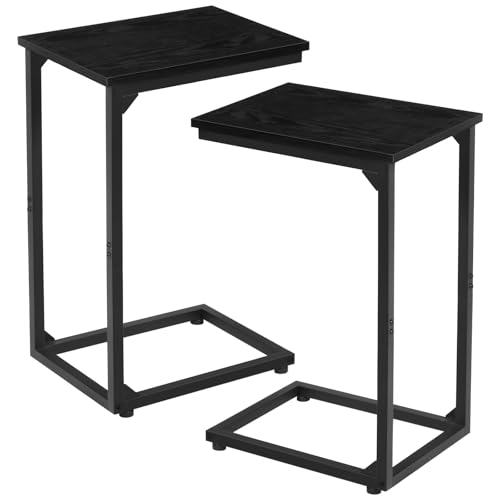
AMHANCIBLE C Shaped End Table Set of 2, Couch Side Table that Slide Under | TV Trays for Eating on Couch, Narrow Small Space Side Tables for Living Room Bedroom, Black
Check price on Amazon
AMHANCIBLE Couch Side Table, 26.37" Tall C Shaped End Table Set of 2 | TV Trays That Slide Under Sofa, Slim Laptop Workstation for Living Room Bedroom Small Spaces, Rustic Brown
Check price on Amazon
AMHANCIBLE C Shaped End Table Set of 2, Couch Side Table that Slide Under | TV Trays for Eating on Couch, Narrow Small Space Side Tables for Living Room Bedroom, Grey
Check price on Amazon
AMHANCIBLE Couch Side Table, 26.37" Tall C Shaped End Table Set of 2 | TV Trays That Slide Under Sofa, Slim Laptop Workstation for Living Room Bedroom Small Spaces, Grey
Check price on Amazon
AMHANCIBLE C Shaped End Table, Slide Under Couch Table for Sofa | TV Tray Table for Eating on Couch, Small Side Table for Living Room Bedroom, Rustic Brown
Check price on AmazonFinal Thoughts: Choosing With Confidence
The right TV tray table that slides under couch is the one that fits your sofa, your floor, and your daily habits. Start with measurements, prioritize a stable base and a tray large enough for a real plate, and choose a material and tier that match how often you will use it. Do those three things, and the table will quietly become one of the most-used surfaces in your living room, even though it spends most of its life out of sight.
If you are still shaping the rest of your lounge, explore our broader couch decor and styling guides to tie the table into the room's overall look, or revisit living room layout to confirm the traffic flow around your seating.