
Upholstery Care: The Complete Guide to Cleaning, Protecting & Maintaining Your Couch
Everything you need to know about fabric cleaning, leather conditioning, stain removal, and long-term upholstery protection — so your sofa stays comfortable, fresh, and beautiful for years.
Why upholstery care matters: Your couch is one of the most-used pieces of furniture in your home. Daily sitting, spills, pet activity, and sunlight all take a toll on upholstery fibers and finishes. A consistent care routine not only keeps your sofa looking its best but also protects the structural integrity of the cushions, frame, and coverings. This guide walks you through fabric-specific cleaning methods, leather maintenance, stain removal techniques, and prevention strategies — with practical steps you can apply immediately.
Recommended Upholstery Care Products
⚠️ AFFILIATE DISCLOSURE: This website contains affiliate links. As an affiliate Associate, we earn from qualifying purchases. If you make a purchase through these links, we may receive a small commission at no additional cost to you. Read our full affiliate policy.

Stoner Car Care 91144 Upholstery and Carpet Cleaner Lifts Tough Stains with Powerful Foaming Action from Seats, Mats, Headliners, Door Panels, and More to Restore Automotive Interior, 18 Oz, Pack of 1
Check price on Amazon
3D Upholstery & Carpet Shampoo - High Foam Stain Remover & Odor Eliminator Shampoo 1 Gallon
Check price on Amazon
3D Upholstery & Carpet Shampoo - High Foam Stain Remover & Odor Eliminator Shampoo 16oz.
Check price on Amazon
Armor All Car Leather Care Spray, Leather Cleaner and Protectant for Cars, Trucks and Motorcycles, Includes 2 Bottles, 16 Fl Oz Each
Check price on Amazon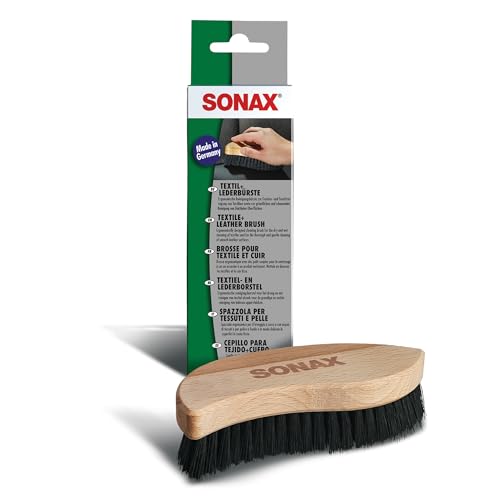
SONAX Textile & Leather Brush, Interior Detailing Brush, Car Interior Brush | Soft-bristle car detailing brush for wet or dry care of Alcantara, textiles, upholstery, carpet and smooth leather interiors.
Check price on Amazon
2 PCS Leather Brush Car Detailing, Horse Hair Brush, Car Cleaning Supplies | Car Interior Brush, Carpet Brush for Car Detailing, for Car Accessories Interior, Carpet, Upholstery, Furniture and Shoes
Check price on Amazon
303 Fabric Convertible Top Cleaning & Care Kit, 32 oz | Helps Maintain Water Repellency, Protects Fabric Convertible Tops and Tonneau Covers
Check price on Amazon
Geist. Fabric & Upholstery Care Kit | For cleaning, stain removal and protection of Alcantara and cloth car seats, sofas, furniture, rugs, carpets | Makes textiles water and stain resistant
Check price on AmazonWhy Regular Upholstery Care Is Essential
Upholstery is exposed to a constant stream of environmental stressors: body oils, dust, food crumbs, pet dander, UV light, and humidity. Over time, these accumulate in the fabric weave or leather grain, breaking down fibers and dulling the surface. Regular care delivers three core benefits: extended lifespan, preserved appearance, and better indoor air quality by reducing trapped allergens and dust mites.
Consistent maintenance also protects your investment. A couch represents a significant household purchase, and whether you own an apartment sofa or a large U-shaped sectional, the care principles remain the same. Learning the right methods early prevents costly restoration later and helps you avoid irreversible damage from improper cleaning agents.
Know Your Upholstery Fabric Before You Clean
No single cleaning method works for every fabric. The first step in any upholstery care routine is identifying the material and checking the manufacturer's cleaning code — usually found on a tag under the seat cushion or behind the frame. Common codes include W (water-based cleaners), S (solvent-based cleaners), WS (either water or solvent), and X (vacuum only, no liquid cleaners).
| Fabric Type | Cleaning Method | Best For |
|---|---|---|
| Cotton & Linen | Water-based cleaner (W code), gentle vacuum, mild detergent | Everyday family living; breathable and versatile |
| Polyester & Blends | Water or solvent (WS), foam cleaner, upholstery shampoo | High-traffic rooms; durable and stain-resistant |
| Velvet | Solvent cleaner (S code), brush vacuum, dry cleaning preferred | Formal living spaces; delicate fiber structure |
| Performance Fabric | Water-based cleaner (W), mild soap, blotting technique | Pet owners and households with children |
| Leather | Leather-safe cleaner and conditioner; no water-based soaps | Long-term durability; easy wipe-down maintenance |
If you are unsure about your fabric type, test any cleaning solution on a small, hidden area first. This simple precaution prevents color fading, shrinkage, or fiber damage on visible surfaces.
Routine Upholstery Care: The Weekly & Monthly Checklist
A structured routine keeps upholstery in top condition without requiring hours of work. Divide care into weekly, monthly, and seasonal tasks for the best results.
Weekly Tasks
- Vacuum all surfaces using a soft upholstery attachment. Work into crevices and under cushions to remove crumbs and dust before they settle into fibers.
- Fluff and rotate cushions to distribute wear evenly and maintain shape.
- Spot-clean spills immediately with a clean, dry cloth. Blot — never rub — to prevent the stain from spreading.
Monthly Tasks
- Deep vacuum along seams, under seat cushions, and along the backrest. Use a crevice tool for tight areas.
- Check for wear on high-contact zones such as armrests and seat fronts. Early detection prevents small issues from becoming expensive repairs.
- Air out removable covers if your sofa has removable, washable covers. Follow the care label instructions carefully.
Seasonal Tasks
- Deep clean the entire upholstery surface every 6 to 12 months, depending on household activity and fabric type.
- Condition leather two to four times per year to prevent drying and cracking.
- Inspect and rotate the couch position if sunlight exposure is uneven, to prevent faded patches.
Quick Tip: Vacuum Direction Matters
For woven fabrics, vacuum in the direction of the weave. For velvet and pile fabrics, use a soft brush attachment and vacuum with the nap, not against it, to avoid crushing the fibers.
Stain Removal: A Step-by-Step Approach
Stains are inevitable, but the right technique makes all the difference. The golden rule: act fast, blot gently, and always work from the outside of the stain inward to prevent spreading.
- Blot, don't rub. Use a clean, white cloth or paper towel to absorb as much liquid as possible. Rubbing pushes the stain deeper into the fibers.
- Identify the stain type. Water-based stains (coffee, juice, wine) respond to mild detergent solutions. Oil-based stains (grease, butter) require a solvent-based cleaner or a small amount of dish soap.
- Test in a hidden area. Apply your chosen cleaner to an inconspicuous spot first to check for colorfastness.
- Apply cleaner sparingly. Use a small amount on a clean cloth and dab the stain. Avoid soaking the fabric, which can cause water rings or cushion damage.
- Rinse and blot dry. Wipe away cleaner residue with a damp cloth, then blot dry with a clean towel. Allow to air dry completely before using the couch.
Pet Stain and Odor Treatment
Pet accidents require enzyme-based cleaners that break down proteins and neutralize odor at the source. Blot up the liquid, apply the enzyme cleaner according to the product instructions, and allow it to dwell long enough to work. Avoid ammonia-based cleaners, which can attract pets back to the same spot. For households with cats, consider pairing stain care with an under-couch blocker for cats to reduce access to the sofa's underside.
Dealing With Mold and Mildew
Mold and mildew thrive in humid conditions and can develop on upholstery if spills are not fully dried. If you notice a musty odor or visible spots, move the couch to a well-ventilated area, clean with a mild solution appropriate for the fabric, and ensure thorough drying. For persistent cases, professional upholstery cleaning is the safest route to avoid fiber damage.
Leather Upholstery Care: Conditioning and Protection
Leather is a durable material, but it requires different care than fabric. Dust and body oils accumulate on the surface, and without conditioning, leather can dry out, crack, and lose its supple feel. A simple three-step routine keeps leather looking rich and resilient.
- Dust weekly with a soft, dry microfiber cloth. Avoid paper towels, which can scratch the surface.
- Clean every two to three months with a dedicated leather cleaner. Apply with a soft cloth in circular motions, then wipe away residue.
- Condition two to four times per year with a leather conditioner to restore moisture and protect against cracking. Buff gently after application.
Leather couches, such as a leather power reclining loveseat or a brown leather sectional with recliner, benefit from keeping the furniture out of direct sunlight. UV exposure accelerates fading and drying. If your leather sofa sits near a window, consider a sheer curtain or blind to filter the light.
Avoid These Leather Care Mistakes
Do not use household soap, vinegar, or alcohol-based cleaners on leather — these strip natural oils and can cause permanent damage. Also avoid over-conditioning, which can leave a greasy residue that attracts dust.
Prevention: Protecting Upholstery Before Damage Occurs
The most effective upholstery care strategy is prevention. A few simple habits dramatically reduce wear, staining, and fading over time.
- Use fabric protectors. A quality fabric and UV protector creates a barrier against spills and sunlight. Products like Scotchgard fabric and UV protector are commonly used to extend the life of fabric upholstery.
- Consider a couch cover or saver. Removable couch protection covers and couch savers shield high-contact surfaces from daily wear and are especially useful in homes with pets or young children.
- Rotate and fluff cushions. Regular rotation distributes weight and prevents permanent compression marks.
- Keep food and drinks in designated areas. Reducing spill risk is simpler than removing stains later.
- Control humidity. Maintain indoor humidity between 30% and 50% to prevent mold growth and fabric degradation.
If your couch has removable covers, check whether they are machine washable. Many modern sofas use removable, washable covers — a major advantage for long-term care. For non-removable upholstery, professional cleaning every one to two years supplements your home routine and reaches deep-set dirt that household vacuums cannot remove.
Upholstery Care by Couch Type
Different couch configurations require slightly different care approaches. Here is how to tailor your routine to common sofa types.
| Couch Type | Care Focus | Best For |
|---|---|---|
| 3-seater couch | Even cushion rotation; vacuum seat seams weekly | Balanced tier — standard family living rooms |
| Sectional with sofa bed | Check mattress compartment; clean fold-out mechanism area | Mid-tier — guest-ready living spaces |
| Small sectional with chaise | Focus on chaise end; rotate chaise cushion regularly | Essential tier — compact apartments |
| Comfortable couches | Deep-clean plush cushions; maintain shape with fluffing | Premium tier — relaxation-focused living rooms |
| Grey couch | Neutral fabric shows oils; clean armrests frequently | Balanced tier — versatile neutral decor |
For larger configurations like a 5-piece sectional with pull-out bed, assign care tasks section by section to keep the workload manageable. Modular designs allow you to clean and rotate individual pieces, which improves both longevity and comfort distribution.
When to Call a Professional Upholstery Cleaner
While routine home care handles most needs, some situations require professional expertise. Consider professional cleaning if:
- Stains persist after two or three careful home treatment attempts.
- The upholstery has not been deep cleaned in over two years and shows visible dullness or odor.
- You own delicate fabrics such as velvet, silk blends, or vintage upholstery.
- Mold or mildew has developed beyond a small surface spot.
- You are preparing for resale or a major event and want a thorough refresh.
Professional cleaners use extraction equipment and fabric-specific agents that reach deep into cushioning. Always ask about their experience with your fabric type and confirm they use methods appropriate for your couch's cleaning code.
Frequently Asked Questions About Upholstery Care
How often should I clean my upholstery?
Vacuum weekly, spot-clean spills immediately, and schedule a deep clean every 6 to 12 months depending on fabric type and household activity. Homes with pets or children may benefit from deep cleaning every 6 months, while low-traffic rooms can extend to 12 months.
What is the best way to remove pet stains from a couch?
Blot fresh stains with a clean cloth, apply an enzyme-based cleaner designed for upholstery, let it dwell according to the product instructions, then blot dry. Avoid rubbing, which spreads the stain. Enzyme cleaners break down the proteins in pet waste and neutralize odors at the source.
How do I care for leather upholstery?
Dust weekly with a soft cloth, clean with a leather-safe cleaner every few months, and apply a leather conditioner two to four times per year to prevent cracking and fading. Keep leather out of direct sunlight and avoid water-based or alcohol-based cleaners.
Can I use household soap to clean my upholstery?
Mild dish soap diluted in water can work for water-safe (W code) fabrics, but it is not suitable for leather or solvent-only fabrics. Always check the cleaning code first and test in a hidden area. For leather, use only leather-specific cleaners.
How can I prevent my couch from fading?
Keep the couch out of direct sunlight, use UV-protective fabric treatments, and rotate the furniture position periodically if sun exposure is uneven. Window blinds or sheer curtains also help filter UV rays.
Final Thoughts: A Simple Routine Goes a Long Way
Upholstery care does not require specialized equipment or hours of effort each week. By combining quick weekly habits — vacuuming, fluffing cushions, and spot-cleaning — with seasonal deep cleaning and material-specific treatments, you protect your couch from everyday wear and extend its usable life significantly. Whether your sofa is a compact loveseat, a spacious sectional, or a leather recliner, the same core principles apply: know your fabric, act fast on stains, and stay consistent. For more guidance on choosing the right furniture for your space, explore our buying guides and measurement tips.