
Vintage Wooden Couch: A Complete Guide
Discover the craftsmanship, character, and enduring appeal of vintage wooden couches. Learn how to identify quality frames, choose the right upholstery, and style these timeless pieces for a modern living room.
Why a vintage wooden couch deserves your attention: A wooden-framed couch brings warmth, history, and structural integrity that few modern pieces can match. Whether you are restoring an heirloom or shopping for a statement piece, understanding frame construction, wood species, and upholstery options will help you make a confident decision.
What Is a Vintage Wooden Couch?
A vintage wooden couch is a sofa built around an exposed wooden frame, typically from the mid-20th century or earlier. Unlike fully upholstered modern sofas, these pieces celebrate the wood itself—turned legs, carved armrests, decorative trim, and visible joinery are hallmarks of the style.
The category spans several design traditions. A Victorian-style couch may feature ornate carving, tufted upholstery, and dark mahogany. Mid-century modern examples lean toward clean lines, tapered legs, and walnut frames. What unites them is the marriage of exposed wood and comfortable seating—a combination that has kept these couches in demand for generations.
If you are exploring the broader category, our guide to what a couch is provides foundational context. For those specifically interested in antique seating, the Victorian fainting couch offers a deeper look at one of the most recognizable wooden-frame silhouettes.
Key insight: The exposed wooden frame is not just decorative—it is a structural asset. A well-built frame can outlast several rounds of upholstery, making a quality vintage wooden couch a long-term investment for your living room.
Wood Species and Frame Quality
The wood species determines both the couch's appearance and its durability. Hardwoods are the standard for quality frames because they resist warping, hold joinery tightly, and accept finishes beautifully.
| Wood Species | Character | Durability | Best For |
|---|---|---|---|
| Oak | Open grain, honey-to-dark brown tones | Exceptional hardness | Heavy-use family rooms |
| Walnut | Rich chocolate tones, elegant grain | Strong and stable | Mid-century modern styling |
| Mahogany | Deep reddish-brown, fine texture | Very durable | Formal traditional interiors |
| Maple | Tight grain, light golden color | Hard and shock-resistant | Painted or natural finishes |
| Teak | Warm golden-brown, natural oils | Weather and pest resistant | Sunrooms and covered porches |
When evaluating a frame, inspect the joints. Dovetail and mortise-and-tenon joinery indicate careful construction. Screwed and glued joints are common in mid-tier pieces, while stapled joints signal an entry-level build. The grain should run continuously along load-bearing rails—short grain or visible filler is a warning sign.
For a broader perspective on upholstered furniture construction, the tweed couch guide explains how fabric and frame interact. If your vintage piece needs restoration, our upholstery repair resource covers common fixes.
Vintage Wooden Couch Tiers
Vintage wooden couches vary widely in construction quality and market positioning. Use this tier framework to calibrate your expectations. Each tier reflects relative craftsmanship and materials—not absolute figures.
| Tier | Frame Construction | Upholstery | Typical Sources |
|---|---|---|---|
| Entry-Level | Softwood or mixed hardwood, stapled or screwed joints | Basic foam, synthetic blends | Estate clearances, thrift markets |
| Mid-Range | Solid hardwood, doweled and glued joints | High-density foam, durable woven fabric | Vintage furniture dealers |
| High-End Tier | Kiln-dried oak or walnut, mortise-and-tenon joinery | Pocket springs, horsehair or high-grade foam, quality fabric | Curated antique shops, auctions |
| Luxury | Hand-carved mahogany or walnut, traditional joinery | Hand-tied springs, natural fill, premium upholstery | Fine antique dealers, estate sales |
A mid-range vintage couch usually offers the best balance of authenticity and usability. Entry-level pieces can work well for light use or as a restoration project, while high-end and luxury tiers are worthwhile investments for collectors and design enthusiasts.
If you are comparing vintage options, our guide to vintage couches for sale walks through how to evaluate listings. For a related antique silhouette, explore Victorian sofas.
How to Inspect a Vintage Wooden Couch
A careful inspection protects you from buying a piece that looks charming but hides structural problems. Bring a flashlight and a small measuring tape—and take your time.
1. Frame and Joinery
- Press down on each corner and listen for creaks or popping—loose joints are common in neglected pieces.
- Inspect the underside where the frame meets the legs; cracks often start at stress points.
- Check for woodworm: small round holes and fine sawdust are red flags.
- Verify that the frame is square by measuring diagonally across the front and back.
2. Upholstery and Cushions
- Look for fabric tears, sun fading, and stain rings—some can be cleaned, others require replacement.
- Remove or flip cushions if possible to assess foam condition. Crumbly or compressed foam means replacement.
- Test springs by pressing firmly on the seat; a uniform response suggests a sound spring system.
3. Wood Finish and Hardware
- Check for water rings, burns, and deep scratches. Surface wear is normal; structural damage is not.
- Original hardware—brass casters, decorative nails, carved accents—adds value and authenticity.
- Confirm that any repairs match the original finish; mismatched patches often signal hurried fixes.
Pro tip: Ask the seller whether the couch has been reupholstered and, if so, what was replaced. Original frames with replacement fabric are common and perfectly acceptable—but you should know what you are getting.
Upholstery Choices for a Wooden Frame
The exposed wooden frame gives you more freedom in upholstery selection than a fully covered sofa. You can lean into period-appropriate fabrics or contrast the vintage silhouette with modern textures.
Period-Appropriate Fabrics
- Velvet: A classic pairing for carved frames—rich, soft, and historically appropriate.
- Damask and brocade: Patterned fabrics that suit Victorian and formal traditional styles.
- Leather: Durable and elegant; a vinyl couch guide explains how leather-look alternatives compare.
- Tapestry: Heavy, textured, and well-suited to antique frames with elaborate carving.
Modern Interpretations
- Linen and cotton blends: Relaxed and breathable—ideal for coastal or farmhouse interiors.
- Performance fabric: Stain-resistant and family-friendly, available in neutral tones that let the wood shine.
- Bouclé: A current favorite that adds tactile contrast to smooth wood frames.
When reupholstering, factor in the frame's condition. A high-end tier frame justifies premium fabric; an entry-level frame may better suit a mid-range textile. For guidance on materials, see our overview of couch fabric types.
Styling a Vintage Wooden Couch
A vintage wooden couch can anchor a room beautifully, but it needs thoughtful styling to avoid feeling like a museum piece. The goal is to honor its character while making it comfortable and current.
Pillows and Throws
Use pillows to soften the frame and introduce color. A pair of solid linen pillows plus one patterned accent pillow is a reliable formula. Choose colors that echo the wood tone—earthy greens, warm terracotta, or deep navy work well with oak, walnut, and mahogany respectively. A textured throw draped over one arm adds coziness without hiding the frame.
Surrounding Furniture
Pair the couch with clean-lined coffee and end tables to create contrast. A TV stand and coffee table set in a simple silhouette keeps the room from feeling heavy. If you need storage, a storage ottoman can serve as a footrest and a design counterpoint.
Rugs and Lighting
A neutral area rug grounds the seating area and prevents the wood from dominating. Layer in a floor lamp with a warm bulb to highlight the wood grain in the evening. Wall art hung slightly lower than usual—around eye level when seated—creates an intimate conversation area.
Plants and Texture
Indoor plants add life and contrast. A large fiddle-leaf fig or a trailing pothos on a side table breaks up the wood tones. Textured baskets and woven accents reinforce the natural materials story without competing with the couch.
Design principle: Let the wooden frame breathe. Avoid covering the arms and back with heavy blankets, and leave some negative space around the couch so its silhouette remains visible.
Caring for a Vintage Wooden Couch
Routine care keeps both the frame and upholstery in good condition. Dust the wood weekly with a soft cloth and apply a furniture wax or oil every few months to maintain its finish. Avoid silicone-based polishes—they can build up and dull the grain over time.
Keep the couch out of direct sunlight to prevent fading and wood drying. If the upholstery is removable, clean it according to the fabric care code. For deeper restoration, our upholstery repair guide covers common fixes, and the couch care and maintenance section has broader advice.
If you have pets, consider a waterproof couch cover for extra protection—especially on pieces with light-colored upholstery.
Where to Find a Vintage Wooden Couch
Vintage wooden couches surface through several channels, each with its own trade-offs:
- Antique dealers: Curated selection, expert restoration, higher tier positioning. Best for collectors and buyers who want assurance of authenticity.
- Estate sales: Authentic pieces, variable condition, limited inspection time. Arrive early and bring measurements.
- Online marketplaces: Broad selection but risk of misrepresentation. Ask for detailed photos of joints, upholstery, and any repairs.
- Auction houses: High-end pieces with provenance. Set a firm limit and account for buyer's premiums and delivery.
- Thrift and consignment shops: Entry-level and mid-range finds. Inspect carefully—returns are often limited.
Before purchasing, confirm delivery logistics. Wooden couches are heavy and may require two people or professional movers. Measure doorways, stairwells, and the intended room before committing. Our measurement guide walks through the process.
Frequently Asked Questions
What defines a vintage wooden couch?
A vintage wooden couch is a sofa built with an exposed wooden frame, typically featuring carved details, turned legs, or decorative trim. These pieces often date from the mid-20th century or earlier and showcase craftsmanship that modern mass-produced furniture rarely matches.
Which wood species are best for a wooden couch frame?
Oak, walnut, mahogany, and maple are among the most durable and desirable wood species for vintage couch frames. Oak offers exceptional hardness, walnut provides rich color and grain, mahogany delivers classic elegance, and maple is prized for its tight grain and strength.
How do I inspect a vintage wooden couch before buying?
Check the frame for cracks, loose joints, and signs of woodworm. Press down on the seat to test spring and cushion condition. Look for wobbling legs, examine upholstery for tears or stains, and confirm that any original hardware is intact. A thorough inspection prevents costly surprises.
Can a vintage wooden couch be reupholstered?
Yes, most vintage wooden couches can be reupholstered. The exposed wooden frame makes it easier to replace fabric without disturbing the wood. Choose a durable fabric that complements the wood tone, and consider professional reupholstery for complex tufting or curved frames.
How do I style a vintage wooden couch in a modern living room?
Balance the vintage character with contemporary accents. Use neutral or muted throw pillows, a modern area rug, and clean-lined coffee tables to keep the room from feeling dated. Layered lighting and a few indoor plants soften the wood's formality and create an inviting atmosphere.
Ready to Bring Home a Vintage Wooden Couch?
Explore curated options and compare features before you commit. Our recommended selections below are chosen for craftsmanship and character.
View Recommended OptionsRecommended Vintage Wooden Couch
⚠️ AFFILIATE DISCLOSURE: This website contains affiliate links. As an affiliate Associate, we earn from qualifying purchases. If you make a purchase through these links, we may receive a small commission at no additional cost to you. Read our full affiliate policy.
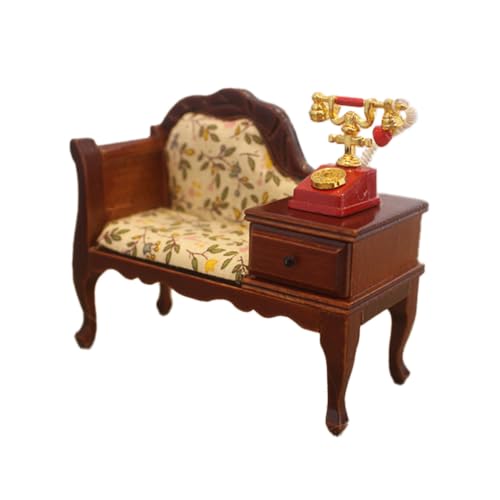
1/12 Scale Dollhouse Furniture Miniature Accessories Vintage Wooden Sofa | 1/6 Mini Victorian Bench Chair Lounge for Dollhouse Living Room Decoration
Check price on Amazon
AHANDMAKER Dollhouse Furniture Miniature Accessories, 1/12 Scale Mini House Vintage Red Wooden Carved Sofa Bench Armchairs for Dollhouse Living Room Scene Simulation Craft Decoration Party
Check price on Amazon
A Artdeco Home Vintage Style Loveseat Couch,2 Seater Upholstered Sofa with Spiral Wooden Legs, Square Arm Two Seater Sofa for Small Space,Living Room Bedroom,Apartment(Caramel Brown)
Check price on Amazon
Chesterfield Sofa, 3 Seater Tufted Couch with Rolled Arms,Wooden Legs,Beige | Nailhead Trim & Solid Wood Frame, Vintage Classic Sofa Furniture for Living Room
Check price on Amazon
LITTLE TREE 70.9 Inches Long Console Table, 2-Tier Vintage Wooden Sofa Table Behind The Couch with Metal Legs for Hallway, Entryway, Living Room, Light Oak
Check price on Amazon
LITTLE TREE 70.9 Inches Long Console Table, 2-Tier Vintage Wooden Sofa Table Behind The Couch with Metal Legs for Hallway, Entryway, Living Room, Brown & White
Check price on Amazon