
Can You Reupholster a Couch? Complete Guide to Couch Reupholstery
Discover when reupholstering a couch is a smart choice, what the process involves, and how to decide between restoring your existing sofa or investing in a new one.
Quick Answer: Yes, you can reupholster a couch in most cases. Reupholstery replaces the exterior fabric and often the padding while preserving the frame and structural components. It is typically worthwhile when the frame is solid and the existing piece is well-built.
What Does Reupholstering a Couch Actually Involve?
Reupholstering a couch means replacing the fabric covering and usually refreshing the internal padding while keeping the original frame and suspension system. It is a restoration process rather than a repair, and it can dramatically transform the look and feel of a well-built sofa.
The process generally includes several stages: removing the old fabric, inspecting the frame and springs, replacing worn foam or batting, cutting and fitting new fabric, and reassembling the couch. Professionals often also replace the decking, webbing, and cushion cores during the same job.
Understanding what reupholstery entails helps you evaluate whether the project is practical for your specific couch. A custom couch upholstery service, for example, can tailor the fabric, cushion firmness, and detailing to your preferences, which is a major advantage over buying a mass-produced replacement.
Reupholstery vs. Slipcovers vs. Replacement
There are three main paths for refreshing a worn couch: full reupholstery, slipcovers, and replacement. Each has distinct trade-offs in terms of durability, fit, and effort.
| Option | Best For | Durability | Custom Fit |
|---|---|---|---|
| Full Reupholstery | Solid frames, premium or high-end tier couches, sentimental pieces | Long-lasting, restores structure and padding | Tailored to the exact frame |
| Slipcovers | Quick cosmetic refresh, rental spaces, temporary updates | Moderate, depends on fabric and fit | Loose fit, may shift with use |
| Replacement | Damaged frames, entry-level couches, changing style preferences | Depends on the new couch tier | Factory-standard sizing |
When Is Reupholstering a Couch Worthwhile?
Reupholstery is most worthwhile when the couch has a strong foundation. The frame is the skeleton of the piece, and if it is solid hardwood or high-grade engineered wood with reinforced joinery, the couch can justify the investment of new fabric and padding.
Strong Candidates for Reupholstery
- Solid frame construction: Hardwood frames with doweled or corner-blocked joints hold up well over time.
- Premium or luxury tier couches: Pieces built with high-grade materials and quality suspension systems are designed to be restored.
- Sentimental value: Family heirlooms or pieces with personal history often justify restoration.
- Unique design or dimensions: Custom-sized or vintage couches may be difficult to replace with a similar fit.
- Comfortable seating geometry: If the couch fits your body and room well, reupholstery preserves that fit.
Weak Candidates for Reupholstery
- Compromised frame: Cracked, warped, or insect-damaged frames are not worth restoring.
- Entry-level construction: Particleboard frames and low-density foam rarely justify the labor involved.
- Severe structural damage: Broken springs, sagging decks, or failed suspension systems add significant complexity.
- Style mismatch: If the couch no longer suits your space, replacement may be the better path.
For owners of well-made couches, reupholstery is a long-term investment that extends the life of a piece you already know and love. It is also an environmentally sound choice, keeping furniture out of landfills and reducing demand for new materials.
The Couch Reupholstery Process Step by Step
Whether you hire a professional or attempt a DIY project, the reupholstery process follows a consistent sequence. Understanding each stage helps you set realistic expectations and communicate clearly with your upholsterer.
1. Assessment and Planning
The first step is inspecting the couch frame, suspension, and cushion cores. An upholsterer will check for loose joints, broken springs, and worn webbing. This assessment determines whether the project is viable and what additional repairs are needed.
2. Fabric Selection
Fabric choice affects durability, maintenance, and the final look. Performance fabrics resist stains and wear, while natural fibers offer texture and breathability. For households with pets or children, performance fabric sofas are a practical reference point when evaluating fabric options.
3. Disassembly
The old fabric is carefully removed, and the upholsterer documents the pattern pieces for reference. During this stage, the frame is exposed for inspection and any necessary repairs are made.
4. Structural Repairs
Loose joints are reglued and reinforced, broken springs are replaced, and sagging webbing is re-tensioned. This is the stage that determines the long-term comfort and durability of the finished couch.
5. Padding and Cushion Refresh
Worn foam and batting are replaced with new materials. Cushion cores may be upgraded to higher-density foam or wrapped in down for a softer feel. If only the cushions are worn, buying new cushions for a couch can be a more focused alternative to a full reupholstery job.
6. Cutting and Fitting New Fabric
New fabric is cut using the old pieces as templates, then fitted and stapled or hand-sewn into place. Pattern matching, seam alignment, and piping details are handled at this stage.
7. Reassembly and Finishing
The couch is reassembled, legs are reattached, and the final details are checked. A quality job results in tight, even fabric with no wrinkles or loose seams.
DIY Reupholstery vs. Hiring a Professional
DIY reupholstery is possible for simple couches with straightforward construction, but it requires patience, tools, and a willingness to learn. Professional reupholstery delivers a more polished result and handles structural repairs that DIYers often overlook.
What DIY Reupholstery Requires
- Heavy-duty staple gun and staples
- Upholstery fabric, batting, and foam
- Pliers, screwdrivers, and a seam ripper
- Sewing machine for seams and cushion covers
- Time and workspace for disassembly and reassembly
When to Hire a Professional
Professional upholsterers are the better choice for couches with curved arms, tufted backs, tight seat decks, or complex cushion shapes. They also have access to trade fabrics and can source materials that are not available to consumers. For a detailed look at the professional side, see custom couch upholstery services.
Partial Reupholstery Options
Not every project requires a full reupholstery. Cushion-only reupholstery is a common middle ground that refreshes the most visible parts of the couch. Cushion covers are widely available, and cushion covers can extend the life of a couch between full reupholstery jobs.
Choosing the Right Fabric for Reupholstery
The fabric you choose determines how the couch performs in daily use. Consider durability ratings, cleaning requirements, and how the material feels against skin.
Fabric Categories at a Glance
| Fabric Category | Best For | Maintenance | Durability Tier |
|---|---|---|---|
| Performance fabric | Families, pets, high-traffic rooms | Wipe-clean, stain-resistant | High-end tier |
| Microfiber | Everyday seating, casual spaces | Spot-clean, soft hand | Mid-range |
| Cotton and linen blends | Breathable comfort, natural texture | Professional cleaning recommended | Mid-tier |
| Velvet and chenille | Luxurious look, low-traffic rooms | Specialized cleaning needed | Premium |
| Leather | Long-term durability, easy wipe-down | Conditioning required | Luxury |
If your couch is leather, reupholstery is a different proposition. Leather couches can sometimes be repaired or re-covered, but the process is more specialized. For leather care basics, see leather sofas and leather cleaning guidance.
What Affects the Scope of a Reupholstery Project?
Reupholstery projects vary widely in complexity. Understanding the factors that influence scope helps you plan and compare professional estimates on an apples-to-apples basis.
- Couch size and shape: Sectionals and couches with chaise sections require more fabric and labor than loveseats.
- Fabric choice: Premium and luxury tier fabrics, patterned textiles, and wide repeats increase material requirements.
- Structural condition: Frame repairs, spring replacement, and webbing re-tensioning add labor.
- Detailing: Tufting, piping, nailhead trim, and channel stitching add time and skill requirements.
- Cushion configuration: Reversible cushions, bench cushions, and attached back cushions each present different challenges.
For couches with attached back cushions or bench cushions, the reupholstery approach differs from loose-cushion designs. You can review construction details in couch with attached back cushions and couch with bench cushion guides to understand what your piece may require.
Recommended Reupholstery Supplies & Couch Covers
⚠️ AFFILIATE DISCLOSURE: This website contains affiliate links. As an affiliate Associate, we earn from qualifying purchases. If you make a purchase through these links, we may receive a small commission at no additional cost to you. Read our full affiliate policy.
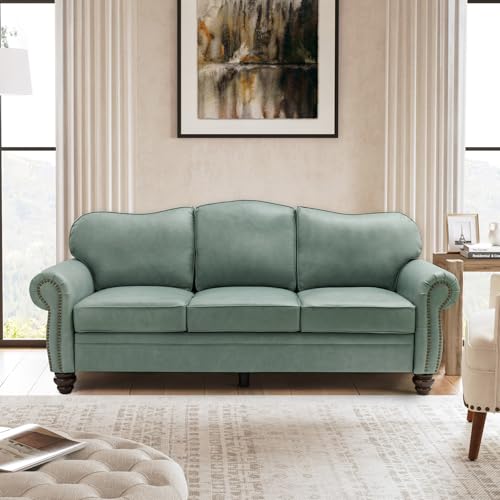
The support you need 81" Genuine Leather Sofa, Classic 3-Seater Couchs with Wood Legs, Stylish & Comfortable Sofa for Living Room or Office, Easy Assembly and Maintain & Long-Lasting, Sage
Check price on Amazon
BONAIER Leather Repair Patch 17X79 inch Large Self-Adhesive Leather Repair Tape Kit, Reupholster Leather Patches for Furniture Couch Chairs Car Seat (Black, 17x79 inch)
Check price on Amazon
House2Home Chair Upholstery Webbing, 70% Stretch Repair Roll, 3" | Reupholster sofas or add couch support straps for sagging seats
Check price on Amazon
Leather Repair Patch, Self-Adhesive Leather Repair Tape, Large Reupholster Leather Patches for Furniture Couch Chairs Car Seat (Dark Red, 17x158 inch)
Check price on Amazon
Leather Repair Patch, 17x79 inch Large Self-Adhesive Leather Repair Tape, Large Reupholster Leather Patches for Furniture Couch Chairs Car Seat (Red Brown, 17x79 inch)
Check price on Amazon
Leather Repair Patch 17X79 inch Large Self-Adhesive Leather Repair Tape, Reupholster Leather Patches for Furniture Couch Chairs Car Seat (Smooth Weave Brown, 17x79 inch)
Check price on Amazon
Leather Repair Patch 17X79 inch Large Self-Adhesive Leather Repair Tape, Reupholster Leather Patches for Furniture Couch Chairs Car Seat (Beige, 17x79 inch)
Check price on Amazon
Leather Repair Patch for Couches 20 x 138 cm Burgundy 1 Roll Large Self-Adhesive refinisher cuttable reupholster Tape Patches kit for Couch Car Seats Furniture Sofa Vinyl Chairs Shoes Fabric Fix
Check price on AmazonAlternatives to Full Couch Reupholstery
Full reupholstery is not the only way to refresh a couch. Depending on the condition of your piece, a lighter-touch approach may be sufficient.
Custom Couch Covers
Custom covers are tailored to fit your couch and can be removed for cleaning. They are a practical option for couches with intact frames but worn fabric. See custom couch covers for fit and material considerations.
Slipcovers
Slipcovers are the most flexible option, offering a quick cosmetic update without disassembly. They work best on couches with simple lines and are a good fit for rental spaces.
Cushion Replacement and Covers
If the frame and body fabric are in good shape, replacing cushion cores and adding new cushion covers can restore comfort and appearance at a fraction of the effort of full reupholstery.
Professional Cleaning and Repair
Sometimes a couch does not need reupholstery at all. Deep cleaning, stain removal, and minor upholstery repair can resolve surface issues without replacing the fabric.
Frequently Asked Questions About Couch Reupholstery
Can you reupholster a couch yourself?
Yes, DIY reupholstery is possible for simple couch designs with straightforward construction. It requires a staple gun, upholstery fabric, foam, and basic sewing skills. Complex shapes, tufting, and structural repairs are better handled by a professional.
How do you know if a couch is worth reupholstering?
Check the frame first. Solid hardwood frames with reinforced joints are strong candidates. Also consider the couch's design value, sentimental significance, and whether the seating geometry fits your space. Entry-level couches with particleboard frames are usually not worth the labor.
Can you reupholster just the cushions?
Yes, cushion-only reupholstery is common and practical. It refreshes the most visible and worn parts of a couch while keeping the frame and body fabric intact. New cushion covers are an even lighter option.
Does reupholstery damage the couch frame?
No, professional reupholstery preserves and often improves the frame by addressing loose joints and worn suspension components. The fabric is removed carefully, and the frame is inspected during the process.
How long does couch reupholstery take?
A professional job typically takes one to three weeks, depending on fabric availability, project complexity, and the workshop's schedule. DIY projects often take longer due to learning time and tool preparation.
Can you reupholster a leather couch?
Leather reupholstery is possible but more specialized than fabric reupholstery. It often involves leather repair, conditioning, or re-covering with new leather panels. For maintenance, see leather conditioning guidance.
Is reupholstery better than buying a new couch?
It depends on the couch. For premium or luxury tier pieces with solid frames, reupholstery is often the better long-term investment. For entry-level couches with structural wear, replacement is usually more practical.
Ready to Refresh Your Couch?
Explore our comprehensive guides on couch care, upholstery materials, and living room design to make an informed decision for your space.
Explore Couch Care Guides