
Can You Buy Cushions for a Couch?
Yes. Replacement couch cushions are widely available, and choosing the right ones can restore comfort, support, and appearance without replacing the entire sofa. Here is everything you need to know before you order.
Quick answer: You can buy cushions for a couch in several ways, from ready-made replacement pads and covers to custom-cut foam and made-to-measure upholstery. The right route depends on your cushion shape, fill preference, fabric match, and whether the frame and suspension are still in good condition.
Why People Replace Couch Cushions
Cushions take the most daily wear of any part of a sofa. They compress under body weight, absorb spills, and fade under sunlight. Replacing them is a practical way to extend the life of a couch that is otherwise structurally sound. Common reasons owners look for new cushions include:
- Loss of support: Foam flattens or breaks down, leaving a sagging or bottomed-out seat.
- Fabric wear: Pilling, tears, stains, or fading on the cushion covers.
- Comfort preferences change: A firmer or softer fill may suit a new household routine.
- Style refresh: A new fabric color or texture updates the room without a full furniture purchase.
- Pet and child damage: Claw marks, chewing, and stubborn stains often concentrate on cushions.
If the frame is solid and the suspension (webbing, sinuous springs, or coil system) still holds tension, new cushions are usually the sensible next step. If the frame is loose or the springs are failing, cushions alone will not fix the underlying problem. For a broader look at when replacement makes sense versus other options, see our guide on buying new cushions for a couch and our overview on whether you can reupholster a couch.
The Main Ways to Buy Couch Cushions
There is no single marketplace for couch cushions because sofas vary widely in size and construction. Buyers generally choose from four paths, and each suits a different situation.
1. Manufacturer Replacement Cushions
Many furniture brands sell replacement cushions for their own models, especially for popular lines. This is the most reliable way to match the original dimensions, fabric, and fill. Contact the retailer or brand with your model number, purchase date, and a photo of the cushion label. Lead times can be longer, and some brands only support recent models, but the fit is usually exact.
2. Third-Party Ready-Made Cushions
Retailers that specialize in upholstery supplies sell standard-size seat and back cushions. These work well when your cushion dimensions fall within common ranges and you are flexible on fabric. Ready-made cushions are typically entry-level to mid-range in construction, with high-density foam or foam-and-fiber fills. Check the seam style and corner shape carefully, because a square corner cushion will not sit correctly in a rounded frame.
3. Custom-Cut Foam and Covers
Custom foam cutters let you specify length, width, thickness, corner radius, and firmness. You then pair the foam with a custom or semi-custom cover. This route gives the closest match to unusual cushion shapes, including T-cushions and trapezoids. It is common for mid-range to premium sofas where the frame is worth preserving. If you only need new fabric and the foam is still supportive, our guide to cushion covers explains how to refresh the look without replacing the core.
4. Local Upholstery Shops
A local upholsterer can measure, cut foam, and sew covers to your existing cushion dimensions. This is often the best option for complex shapes, piping details, or when you want to inspect fabric samples in person. It also gives you a professional opinion on whether the existing foam can be reused with a new cover.
How to Measure a Couch Cushion
Accurate measurements are the single most important factor in a successful cushion purchase. Measure the cushion while it is sitting in the frame, not while it is compressed or removed and relaxed.
- Length: Measure seam to seam across the widest point of the top surface.
- Width (depth): Measure from the front edge to the back edge, seam to seam.
- Thickness: Measure the side profile at the center, not at a compressed corner.
- Corner shape: Note whether corners are square, rounded, or T-shaped (with a notch at the back).
- Details: Record piping, welting, tufting, zipper placement, and whether the cushion is reversible.
For back cushions, measure height and width along the seam lines and note whether the cushion is attached or loose. Attached back cushions usually require a different replacement approach than loose ones. Our article on couches with attached back cushions covers the options for that style.
Choosing the Right Fill
Fill determines how the cushion feels and how well it holds its shape. The table below compares the common options using neutral tier descriptors rather than any numeric figures.
| Fill Type | Feel | Durability Tier | Best For |
|---|---|---|---|
| High-density foam | Firm, supportive | Mid-range to premium | Daily seating, households that want structure |
| Foam wrapped in fiber | Soft with support | Mid-tier | Balanced comfort with less fluffing |
| Down and down-blend | Plush, sink-in | Premium | Lounge-style sofas, low-traffic seating |
| Memory foam | Conforming, slow rebound | High-end tier | Pressure relief, reading and reclining |
| Polyester fiber only | Soft, light | Entry-level to mid-range | Back cushions and decorative seating |
Seat cushions usually benefit from high-density foam or a foam-fiber wrap because they bear the most weight. Back cushions can use softer fiber fills. If you want a firmer feel, choose a higher-density foam core; if you want a softer feel, add a fiber wrap. For sofa-specific cushion guidance, see our article on couches with cushions.
Matching Fabric and Style
Fabric matching is the hardest part of a replacement purchase. Fabric dye lots vary, and a cushion made years after the original sofa may look slightly different even in the same color name. Practical approaches include:
- Order swatches first: Most custom cushion makers send fabric samples before production.
- Replace all visible cushions together: Replacing only one cushion often reveals a visible shade difference.
- Use a complementary fabric: If an exact match is impossible, choose a deliberate contrast for a design-led look.
- Check the cleaning code: Match the new fabric's cleaning requirements to your household routine.
If you are updating fabric across the sofa, our guide to custom couch covers explains how covers differ from full cushion replacement. For a broader fabric refresh, custom couch upholstery covers re-covering the frame and cushions together.
What to Check Before You Order
A few checks prevent most return headaches and fit problems:
- Return policy: Custom-cut foam and custom-sewn covers are often non-returnable, so confirm before ordering.
- Lead time: Custom cushions can take several weeks; plan around your daily seating needs.
- Fill tolerance: Foam can vary slightly in thickness; confirm the maker's tolerance range.
- Cover closure: Zippers, hook-and-loop, or sewn shut closures affect how easily you can refresh the cover later.
- Weight and handling: Dense foam cushions are heavier; check whether you can lift and rotate them for even wear.
Cushions vs. Covers vs. Full Reupholstery
Buyers often ask whether new cushions, new covers, or full reupholstery is the right move. The decision usually comes down to which parts are actually worn.
| Option | What It Replaces | Best When |
|---|---|---|
| New cushion covers | Fabric only | Foam is still supportive; you want a color or texture refresh |
| New cushions | Foam and cover | Seats sag, foam is compressed, or fabric is worn through |
| Full reupholstery | Fabric across the frame and cushions | Frame is sound but fabric is worn everywhere, or you want a complete redesign |
If the frame is questionable, cushions will not solve the problem. Our guide on reupholstering a couch explains what a full re-cover involves. If you are considering replacing the whole piece instead, our couches for sale section lists buying considerations.
Frequently Asked Questions
Can you buy individual couch cushions?
Yes. Many manufacturers and third-party makers sell individual seat and back cushions. You can order a single replacement cushion if only one is worn, though matching the exact fabric and fill of the remaining cushions may require contacting the original manufacturer or a custom upholstery shop.
How do I measure a couch cushion for replacement?
Measure the cushion's length, width, and thickness while it sits uncompressed in the frame. For seat cushions, measure seam to seam across the top and front edge. Also note whether corners are square, rounded, or T-shaped, and whether the cushion has piping, tufting, or a zippered cover.
What fill type is best for replacement couch cushions?
High-density foam offers firm, durable support and is the most common choice. Foam wrapped in fiber gives a softer feel while retaining shape. Down and down-blend fills feel plush but need regular fluffing. Memory foam conforms to the body but can feel warm. Choose based on how firm you want the seat and how much maintenance you accept.
Is it cheaper to buy new cushions or reupholster the couch?
Replacing cushions alone is generally the more efficient option when the frame and suspension are still sound. Full reupholstery involves labor across the entire piece, so it makes more sense when fabric, frame, and cushions all need attention. If only the cushion surfaces are worn, new cushions or new cushion covers are the practical route.
Can I buy new cushion covers without replacing the foam?
Yes. If the foam core is still supportive, you can order custom or ready-made cushion covers in a fabric that matches your sofa. This is a common way to change color or refresh worn fabric. Measure carefully and confirm whether your cushion has a zipper access point.
Recommended Couch Cushions & Replacement Options
⚠️ AFFILIATE DISCLOSURE: This website contains affiliate links. As an affiliate Associate, we earn from qualifying purchases. If you make a purchase through these links, we may receive a small commission at no additional cost to you. Read our full affiliate policy.

Spongiduits Couch Cushion Support for Sagging Seat, 20"x20"x2" 40D High Density Curved Foam Sofa Cushion Support, Under-Cushion Sag Repair,Grey Set of 3
Check price on Amazon
Jecqbor Bean Bag Filler 12lbs, Soft Supportive Pillow Stuffing Refill for Bean Bag Chair, Pillow, Shredded Memory Foam Filling for Couch Cushion, Pouf, Dummy, Dog Bed, Stuffed Animal, Art Crafts
Check price on Amazon
2 Pcs Couch Cushion Support for Sagging Seat, 20" Curved Furniture Support | Cuttable Couch Repair Replacement, Foam Cushion Sofa Pads for Furniture Sagging Seat Sectional Loveseat Chair (Grey)
Check price on Amazon
HOMBYS Memory Foam Couch Cushion Replacement, High Density Upholstery Foam Wrapped with Memory Foam & Polyester Batting, Sofa Cushions Inserts with Dacron Fiber Layer,with Removable Cover,5"x22"x22"
Check price on Amazon
4 Inch x 20Feet Hook and Loop Strips with Adhesive,Keep Couch Cushions from Sliding, Picture Wall Hanging, No Punching Wall Mounting, Keep Your Carpet Rugs in Place
Check price on Amazon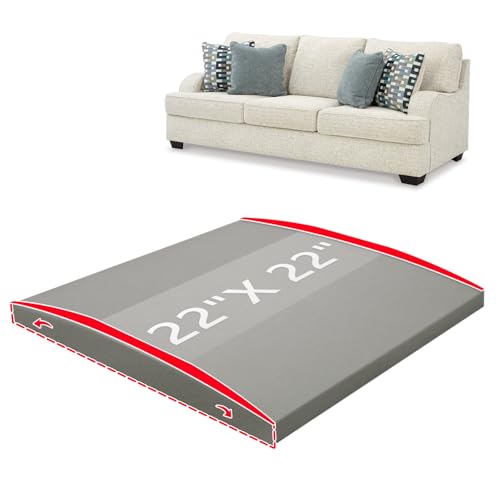
HAVARGO Couch Cushion Support High Density Foam 22X22X2.4 Inches Sofa Couch Supports for Sagging Cushions Light Grey 1Pc with Anti Slip Mesh Fabric
Check price on Amazon
ECOHomes Heavy Duty Strips for Couch Cushions (1 Inch x 52 Feet, Black) | Keep Sofa Cushions from Sliding, Adhesive Hook and Loop Tape, Prevent Sliding, Indoors, Outdoors, Non Slip, Furniture Grip
Check price on AmazonReady to Refresh Your Seating?
Measure your cushions, choose a fill that matches your comfort preference, and confirm the fabric before ordering. A well-fitted replacement cushion can make a sound sofa feel new again.