
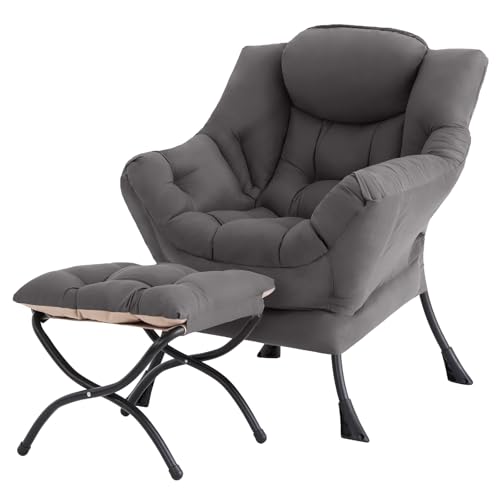


Understanding Comfort in a Small Living Room
Comfort in a small living room is not about having the biggest couch. It is about choosing furniture that fits the room's proportions while providing adequate seating depth, supportive cushioning, and a layout that encourages relaxation. A well-chosen comfortable couch for small spaces can transform a tight room into a favorite gathering spot. The key is balancing three elements: seat depth, overall footprint, and visual weight.
Many shoppers assume that compact furniture means less comfort. In reality, modern small-space furniture is engineered with high-density foam, supportive springs, and ergonomic proportions that rival full-size pieces. When you shop, focus on seat height and depth rather than total width. A couch with a deep seat and narrow arms often feels more comfortable than a wider couch with bulky arms that eat into usable seating area.
Choosing the Right Couch for a Compact Room
The couch is the anchor of any living room. In a small space, it must serve multiple roles: seating, visual centerpiece, and sometimes even a sleeping surface. Start by measuring your room and mapping out traffic paths. A general rule is to leave at least 18 inches of walkway around the couch. For rooms under 150 square feet, a loveseat or a compact two-seater is often the most practical choice. If you need more seating, consider a comfortable sectional for small spaces with a reversible chaise that can adapt to different layouts.
Fabric choice matters for both comfort and durability. Performance fabrics resist stains and spills, making them ideal for busy households. Leather and faux leather offer a sleek look and are easy to wipe clean. For a deeper look at material options, explore our guide on comfortable leather sectional couches. Whichever material you choose, prioritize cushions with removable covers for easy cleaning and a frame made from kiln-dried hardwood or high-grade steel for long-term durability.
Multi-Functional Furniture That Earns Its Space
In a small living room, every piece of furniture should justify its footprint. Multi-functional pieces are the secret weapon of small-space design. A comfortable pull-out couch gives you seating by day and a guest bed by night without requiring a separate guest room. Similarly, a comfy couch bed can serve as a lounging spot, a reading nook, and an emergency sleeping solution all in one.
Storage is another critical consideration. Choose ottomans with hidden compartments, console tables with drawers, or a couch with built-in storage under the seat. These pieces reduce clutter, which is essential for making a small room feel calm and spacious. For those who frequently host overnight guests, a compact sleeper sofa combines seating and sleeping in a footprint that fits tight rooms. If you prefer a queen-size sleeping surface, look at options for a comfortable queen-size pull-out couch that still fits within a compact frame.
Layout Strategies That Make Small Rooms Feel Bigger
Furniture placement can dramatically change how spacious a room feels. Avoid pushing all furniture against the walls, which can make a room feel like a waiting area. Instead, float the couch away from the wall to create a cozy conversation zone. Use rugs to define the seating area and visually expand the floor space. Mirrors placed opposite windows reflect natural light and make the room feel larger. For more detailed layout guidance, see our small space layout guide.
When selecting accent pieces, choose compact accent chairs that can be moved easily when you need extra floor space. A nesting side table or a slim console behind the couch adds function without bulk. Lighting also plays a role: layered lighting with floor lamps, table lamps, and wall sconces creates warmth and depth. Avoid a single overhead light, which can make a small room feel flat and clinical. Our comfy couch for small living room guide covers more furniture pairing ideas that work in tight footprints.
Comfort Details That Matter Most
When testing furniture for comfort, pay attention to cushion fill. High-resilience foam wrapped in fiber offers a balance of support and softness. Down-blend cushions feel luxurious but require regular fluffing. For a low-maintenance option, look for foam-core cushions with a soft top layer. Seat depth is equally important: a depth of 20 to 22 inches suits most people, while deeper seats (24 inches or more) are better for lounging but may crowd a small room.
Arm style also affects comfort and space. Track arms and slim rolled arms take up less visual space than wide pillow-top arms, making the couch feel lighter in the room. Back height matters too: a mid-back couch supports the shoulders without blocking sightlines, which is helpful in open-plan apartments. If reading or watching TV is a priority, consider a comfy couch for reading with a slightly reclined back and supportive lumbar cushions.
Comparing Furniture Tiers for Small Spaces
Small-space furniture comes in several quality tiers. Understanding the differences helps you choose a piece that fits your long-term needs. The table below uses universal quality descriptors rather than specific figures.
| Tier | Best For | Typical Characteristics |
|---|---|---|
| Entry-level | First apartments and temporary setups | Lightweight frames, basic foam cushions, simple assembly |
| Mid-range | Everyday family use and long-term rentals | Hardwood or reinforced frames, higher-density foam, removable covers |
| Premium | Frequent hosting and daily lounging | Kiln-dried hardwood frames, pocket-coil seating, performance upholstery |
| Luxury | Design-focused homes and heavy daily use | Hand-finished frames, down-blend cushions, tailored custom upholstery |
Mid-range models usually offer the best balance of durability and comfort for small spaces, while premium and luxury tiers add refined details and longer warranties. Entry-level pieces are a solid starting point for temporary living situations. For a broader look at couch selection, visit our couch buying guide.
Frequently Asked Questions
What is the most comfortable couch type for a small living room?
A compact loveseat or a small sectional with a chaise is often the most comfortable choice. These pieces provide supportive seating without overwhelming the room. Look for high-density foam cushions and a frame made from solid hardwood or reinforced steel.
How do I make a small living room feel cozy and comfortable?
Layer textiles such as throw pillows and a soft area rug, use warm lighting, and choose furniture with rounded edges. Floating the couch away from the wall and adding a small side table creates a conversation-friendly layout that feels intimate rather than cramped.
Can a sectional work in a small living room?
Yes, provided it is scaled correctly. Choose a sectional with a reversible chaise so you can adapt the layout to your room. Modular sectionals are also a good option because they can be reconfigured as your needs change.
What should I avoid when furnishing a small living room?
Avoid oversized furniture with bulky arms, dark heavy fabrics that absorb light, and too many small decorative pieces that create visual clutter. Stick to a consistent color palette and choose multi-functional pieces that earn their footprint.
Final Thoughts
Furnishing a small living room for comfort is entirely achievable with the right strategy. Focus on proportion, multi-functional design, and supportive cushioning. Measure carefully, choose pieces that fit your daily routines, and prioritize quality where it matters most. With thoughtful choices, a compact living room can become the most comfortable and inviting space in your home. For more inspiration, explore our comfortable couches for small spaces collection and our comfy couches for small spaces guide.