Couch Average Price: Understanding Market Tiers
Every couch sits somewhere on a quality spectrum shaped by construction, materials, and craftsmanship. This guide maps the market into clear tiers so you can judge where a sofa belongs before you commit.
Tier-based comparison · No guesswork · Practical buying logicShopping for a couch usually starts with a simple question: what should I expect to pay? The honest answer is that the market splits into distinct quality tiers, and each tier carries its own construction standards. Once you understand how entry-level, mid-range, premium, and luxury couches differ internally, you can evaluate any listing on its merits rather than its label. This guide walks through those tiers, the factors that separate them, and how to decide which one fits your household.
The Four Market Tiers at a Glance
Before comparing specific features, it helps to see how the market is structured. These four tiers are universal across the furniture industry and apply to standard sofas, sectionals, loveseats, and sleeper models alike.
Starter Tier
Built for occasional use and shorter ownership cycles. Expect engineered wood frames, lower-density foam, and basic suspension. A reasonable fit for guest rooms, rentals, or first apartments.
Balanced Tier
The sweet spot for most households. Kiln-dried hardwood frames, high-resilience foam, and sinuous spring suspension deliver dependable comfort for daily family use.
High-End Tier
Upgraded joinery, denser cushion cores, and performance upholstery options. Designed for long-term daily use with better shape retention and a more tailored finish.
Flagship Tier
Eight-way hand-tied suspension, kiln-dried hardwood throughout, and premium textiles. These pieces are built as long-term investments with artisan-level detailing.
Tier-by-Tier Construction Comparison
The table below breaks down how each tier typically differs across the features that matter most. Use it as a reference when reading product descriptions or speaking with a sales representative.
| Feature | Entry-Level | Mid-Range | Premium | Luxury |
|---|---|---|---|---|
| Frame Material | Engineered wood or mixed softwood | Kiln-dried hardwood blend | Solid kiln-dried hardwood | Select hardwood with reinforced joinery |
| Joinery | Staples, glue, corner blocks | Glued dowels and screws | Dovetail or mortise-and-tenon | Hand-fitted mortise-and-tenon |
| Cushion Core | Standard polyurethane foam | High-resilience foam | High-resilience foam wrapped in fiber | Pocketed coil or latex hybrid core |
| Suspension | Sinuous springs or webbing | Sinuous springs with reinforced deck | Heavy-gauge sinuous or coil springs | Eight-way hand-tied springs |
| Upholstery | Basic woven or bonded fabric | Woven fabric, microfiber, entry leather | Performance fabric or top-grain leather | Premium textile or full-grain leather |
| Best For | Guest rooms, rentals, light use | Family living rooms, daily use | High-traffic homes, long ownership | Design-focused, long-term investment |
What Actually Moves a Couch Between Tiers
Market tier is not set by the label on the showroom floor. It is determined by a handful of construction decisions that are usually invisible from the outside. Understanding these factors is the key to evaluating any couch you encounter.
- Frame construction and joinery. This is the single strongest predictor of tier. Entry-level frames rely on staples and glue, while premium and luxury pieces use dovetail or mortise-and-tenon joints that resist racking over years of use.
- Cushion foam density. High-resilience foam keeps its shape far longer than standard polyurethane. Mid-range and above couches typically specify foam density explicitly, which is a useful signal of construction confidence.
- Suspension system. Sinuous springs are the industry standard for entry and mid-range. Eight-way hand-tied springs, found in luxury pieces, distribute weight more evenly and are a hallmark of artisan construction.
- Upholstery grade. Basic woven fabrics sit at the entry level, while performance fabrics and top-grain leather appear in premium and luxury tiers. Upholstery also determines how well a couch handles pets, spills, and daily abrasion.
- Warranty terms. Manufacturers back their construction with warranty length. A longer frame and cushion warranty usually signals a higher tier, because the maker is confident in the materials used.
How Size and Configuration Affect Tier Placement
Within any given tier, larger configurations naturally require more material and labor, which shifts their position within that tier. A sectional built to mid-range standards will sit higher within the tier than a loveseat built to the same standards, simply because it uses more frame material, more foam, and more upholstery yardage.
This is especially relevant for pull-out couches and sleeper couches, where the mattress mechanism adds a separate construction layer. A sleeper built to mid-range standards may rival a premium standard sofa in overall specification because it carries the added complexity of the convertible mechanism.
For smaller rooms, a compact sleeper sofa or couch for small spaces often lands in the mid-range tier even at a modest footprint, because space-efficient engineering carries its own construction demands. The lesson is to evaluate tier by construction standards, not by physical size alone.
Judging Value Within a Tier
The most useful way to think about value is to compare couches within the same tier rather than across tiers. A mid-range couch that specifies high-resilience foam, a kiln-dried hardwood frame, and a reinforced suspension deck is well-specified for its class. A premium couch that omits those details in its product description is competitively weaker within its own tier, regardless of how it looks.
This is why product descriptions matter. A couch advertised as "premium" without any mention of frame material, foam density, or suspension type is hard to verify. When a listing is transparent about construction, that transparency is itself a useful signal. For buyers who prefer a balanced approach, the mid-range tier usually delivers the strongest overall value because it captures the construction upgrades that matter most for daily use without the artisan detailing of the luxury tier.
It also helps to think in terms of usage intensity. A household with pets and young children will place different demands on a couch than a single occupant in a quiet apartment. Matching the tier to the actual usage pattern is more reliable than chasing the highest tier available. A comfy couch in the mid-range tier, chosen for its foam and suspension specs, will often outlast a premium couch selected purely on appearance.
Material Choices by Tier
Upholstery is where tier differences become most visible. Entry-level couches typically use basic woven fabrics or bonded leather, both of which are serviceable for light use. Mid-range couches move into microfibers, denser woven fabrics, and entry-level leather. Premium couches introduce performance fabrics engineered for stain resistance and abrasion, alongside top-grain leather. Luxury couches use premium textiles and full-grain leathers with visible natural character.
For buyers prioritizing easy maintenance, washable couch covers can extend the practical life of an entry-level or mid-range piece. For leather enthusiasts, comfortable leather sectional couches in the premium tier offer a strong balance of durability and everyday comfort.
A Practical Decision Framework
When you are ready to compare options, work through these questions in order. They map directly to the tier system and help you avoid over- or under-specifying.
- How often will the couch be used? Daily use in a family living room points to mid-range or above. Occasional use in a guest room points to entry-level.
- How long do you plan to keep it? Short-term ownership favors entry-level. Long-term ownership favors mid-range, premium, or luxury, where construction quality pays off over time.
- What is the household composition? Pets and children raise the importance of durable upholstery and high-resilience foam, which are mid-range and premium features.
- How much space do you have? Small rooms may favor space-conscious designs that still deliver mid-range construction.
- Do you need convertible function? Sleepers and pull-outs add mechanical complexity, so evaluate them against the tier standards of standard couches rather than assuming the mechanism alone justifies a higher tier.
Ready to Compare Real Options?
Use the tier framework above to evaluate the recommended couches below. Each listing can be judged against the construction standards we outlined, so you can see where it sits in the market before deciding.
Explore Recommended CouchesFrequently Asked Questions
What determines a couch's market tier?
Market tier is determined by frame construction, cushion density and foam quality, upholstery material, suspension system, joinery method, and the manufacturer's craftsmanship standards. These factors combine to place a couch in the entry-level, mid-range, premium, or luxury tier.
Why do two similar-looking couches fall into different tiers?
Two couches can share the same silhouette yet differ significantly in internal construction. A mid-range model may use kiln-dried hardwood and high-resilience foam, while an entry-level model might use engineered wood and lower-density padding. The visible fabric rarely tells the whole story.
Is a higher tier always the better choice?
Not necessarily. A higher tier offers longer service life and better comfort retention, but the right choice depends on usage intensity, household composition, and how long you plan to keep the piece. A well-specified mid-range couch is often the balanced pick for daily family use.
How can I verify a couch's tier before buying?
Ask about frame material and joinery, cushion foam density, suspension type (sinuous springs versus eight-way hand-tied), and whether the upholstery is performance-rated. Request a spec sheet and read the warranty terms, which usually correlate with construction confidence.
Do sleeper couches sit in a different tier than standard couches?
Sleeper couches are evaluated by the same construction standards as standard couches, with the added mechanical layer of the mattress and frame mechanism. A comfortable pull-out couch built to mid-range standards will generally outperform an entry-level sleeper because both the seating construction and the mechanism are more robust.
Recommended Couches Across Market Tiers
⚠️ AFFILIATE DISCLOSURE: This website contains affiliate links. As an affiliate Associate, we earn from qualifying purchases. If you make a purchase through these links, we may receive a small commission at no additional cost to you. Read our full affiliate policy.

Burn Your Couch: A Manifesto for the Average Averse
Check price on Amazon
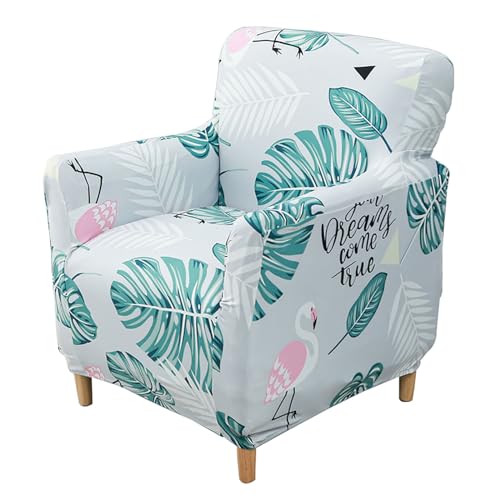
Sofa Slipcover Single-Seat Full-Fit High Stretch Sofa Cover Dustproof and Stain-Resistant Sofa Protector Couch Cover,D,Average Price
Check price on Amazon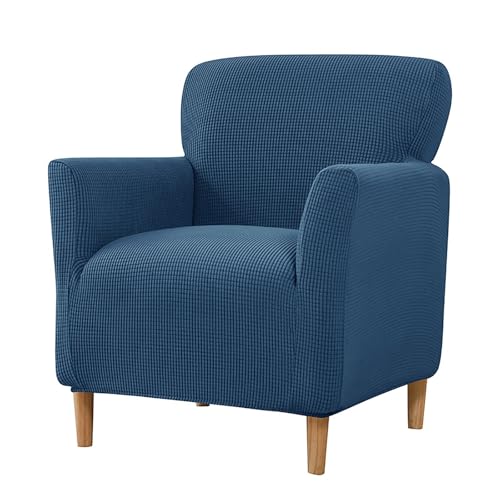
Sofa Slipcover Single-Seat Full-Fit High Stretch Sofa Cover Dustproof and Stain-Resistant Sofa Protector Couch Cover,K,Average Price
Check price on Amazon
Sofa Slipcover Single-Seat Full-Fit High Stretch Sofa Cover Dustproof and Stain-Resistant Sofa Protector Couch Cover,E,Average Price
Check price on Amazon
Sofa Slipcover Single-Seat Full-Fit High Stretch Sofa Cover Dustproof and Stain-Resistant Sofa Protector Couch Cover,N,Average Price
Check price on Amazon
Sofa Slipcover Single-Seat Full-Fit High Stretch Sofa Cover Dustproof and Stain-Resistant Sofa Protector Couch Cover,G,Average Price
Check price on Amazon
Sofa Slipcover Single-Seat Full-Fit High Stretch Sofa Cover Dustproof and Stain-Resistant Sofa Protector Couch Cover,P,Average Price
Check price on Amazon