
Comfortable Sectional Couch: The Complete Buyer's Guide
Everything you need to know before choosing a sectional that truly supports long movie nights, lazy Sundays, and daily family life — from cushion fill and seat depth to frame construction and room layout.
EXPLORE SECTIONAL OPTIONSResearched and written for buyers who want lasting comfort, not just a good-looking sofa.
Quick answer: A comfortable sectional couch depends on four pillars — supportive cushion fill, adequate seat depth (22 inches or more for lounging), a rigid frame that resists sagging, and an upholstery that suits your household's daily wear. Get those right and the configuration becomes a matter of room size and traffic flow, not guesswork.
What Actually Makes a Sectional Couch Comfortable
Comfort is not a single feature you can point to on a spec sheet. It is the result of how a sofa's seat, back, frame, and fabric work together. A sectional that feels wonderful in a showroom for two minutes can reveal its weaknesses after a month of daily use — sagging seat cushions, a backrest that pushes you forward, or a chaise that is too short to stretch out on.
Three factors dominate how a sectional feels in real life:
- Seat cushion density and fill. This is the most direct driver of comfort. High-resilience foam holds its shape; fiber and down blends feel softer but need fluffing. A blend is usually the sweet spot for families.
- Seat depth and back height. Deep seats (around 22–25 inches) invite lounging, while standard depth (18–22 inches) suits upright sitting and conversation. Back height affects neck and shoulder support — too low and you slump, too high and the sofa feels enclosed.
- Frame rigidity and suspension. A rigid hardwood frame with sinuous springs or a webbed suspension distributes weight evenly. A weak frame or worn suspension is the number-one cause of "comfortable at first, painful after a year" complaints.
If you are furnishing a smaller living area and still want that deep, relaxed feel, the principles in our guide to comfortable sectionals for small spaces show how to get lounge-worthy comfort without overwhelming the floor plan.
It also helps to separate perceived comfort (how plush the first sit feels) from supported comfort (how you feel after an hour). A down-wrapped cushion wins the first test; a high-resilience foam core wins the second. The best sectionals combine both — a supportive core with a soft top layer.
Cushion Fill and Seat Construction
The way a sectional's cushions are built determines how it will feel on day one and on day one thousand. Here is how the common constructions compare.
High-Resilience Foam
Dense polyurethane foam with a high resilience rating is the workhorse of comfortable sectionals. It springs back quickly, resists sagging, and requires minimal maintenance. It feels firmer on the first sit but holds up exceptionally well for households with kids, pets, or daily use. Foam wrapped in a thin layer of fiber adds surface softness without sacrificing support.
Down and Feather Wraps
Down-wrapped cushions deliver a cloud-like, sink-in feel that many people associate with luxury hotel lounges. The trade-off is maintenance: down compresses and needs regular fluffing, and some people find it too soft for proper back support. A foam core with a down wrap gives you the plush surface plus a supportive base — the best of both worlds.
Fiber Fill
Polyester fiber fill is soft and relatively light, often used in back cushions rather than seats. It feels comfortable initially but compacts over time and can develop a flattened appearance. It is best reserved for accent cushions or as a top layer over foam.
Suspension Systems
Under the cushions, the suspension matters just as much. Sinuous (zigzag) springs are the most common and offer a responsive, even feel. Eight-way hand-tied springs are the gold standard for longevity and are typically found in premium and luxury tiers. Webbing and elastic straps are lighter-duty options found in entry-level and lightweight pieces. If you want a sectional that stays comfortable for a decade, prioritize a hardwood frame with sinuous springs at minimum, and eight-way hand-tied if the tier allows.
Comfort tip
Ask whether cushion cores are wrapped or zippered. Removable, zippered covers make it far easier to clean and replace fill later, which extends the comfortable life of the sectional considerably.
Sizing, Depth, and Configuration
A sectional's comfort is inseparable from its dimensions. The wrong depth or arm height can make an otherwise excellent sofa feel cramped or awkward.
Seat Depth
Seat depth is measured from the front edge of the seat cushion to the backrest. Standard depth is 18–22 inches; deep seating is 22–25 inches or more. If you like to curl up, read, or nap on the sectional, deep seating is the way to go. If you prefer upright conversation and have shorter legs, standard depth avoids the "feet dangling" feeling. Our article on the comfy couch for reading dives deeper into how seat depth and back angle affect long reading sessions.
Seat Height
Seat height (floor to top of the cushion) typically ranges from 17 to 20 inches. A height that lets your feet rest flat on the floor is the most comfortable for most adults. Lower seats feel more relaxed; higher seats are easier to get up from, which matters for older family members.
Configuration
- L-shaped sectional: The most common layout. It defines a seating zone and usually includes a chaise or extended corner. Great for open-plan rooms.
- U-shaped sectional: Wraps around a coffee table and encourages conversation. Needs more floor space and careful walkway planning.
- Reversible chaise: Lets you switch the chaise from left to right, so the sectional can be adapted if you move or rearrange the room.
- Modular sectional: Individual pieces that can be rearranged. Ideal for renters or people who like to reconfigure their space seasonally.
If you are weighing a traditional L-shape against a deep-seat option, our breakdown of the comfy oversized extra-deep sectional explains when extra depth is worth the trade-off in floor space, and when a standard-depth sectional is the smarter choice.
Fabric and Upholstery Choices
Upholstery affects comfort in two ways: how it feels against your skin and how well it holds up to daily life. A beautiful fabric that pills or stains easily quickly erodes the comfort experience.
Performance Fabrics
Performance fabrics — often woven from solution-dyed synthetics — resist stains, fading, and moisture. They are the most practical choice for families with children or pets, and modern versions feel soft rather than plasticky. They are typically found in mid-range and premium tiers.
Cotton and Linen Blends
Cotton and linen feel breathable and natural, and they age gracefully. They are less stain-resistant than performance fabrics, so they suit adult-only households or rooms where the sectional is not the primary snacking spot. Linen blends wrinkle more but develop a relaxed character over time.
Velvet
Velvet is soft, warm, and visually rich. It can be surprisingly durable when made from high-quality synthetic blends, but it shows crushing and marks more than flat weaves. It is a strong choice for a formal or cozy living room where the sectional is not exposed to heavy daily wear.
Leather
Leather is easy to wipe clean, resists odors, and develops a patina. It feels cool in warm weather and can feel cold in winter unless paired with throws. Full-grain and top-grain leathers are more durable and comfortable than bonded leather, which tends to peel. If leather appeals to you, our guide to comfortable leather sectional couches covers what to look for in hides, finishes, and seat construction.
Quality Tiers Explained
Sectionals span a wide range of build quality. Rather than focusing on numbers, it helps to understand what each tier typically delivers in terms of comfort and longevity.
| Tier | Typical Build | Comfort Profile | Best For |
|---|---|---|---|
| Entry-level / starter tier | Engineered wood frame, sinuous or webbed suspension, standard foam cushions | Firm at first, may soften noticeably within a few years | Guest rooms, first apartments, low-traffic spaces |
| Mid-range / balanced tier | Hardwood frame, sinuous springs, high-resilience foam with fiber wrap | Supportive with a soft surface; holds shape well with routine care | Primary family living rooms, everyday use |
| Premium / high-end tier | Kiln-dried hardwood, eight-way hand-tied springs, foam-and-down blend cushions | Plush yet supportive; minimal sagging over many years | Main living spaces, buyers who prioritize long-term comfort |
| Luxury / flagship tier | Hardwood frame, hand-tied suspension, premium down wraps, performance or designer fabrics | Hotel-lounge feel with strong structural support; tailored maintenance | Statement living rooms, custom configurations |
Moving up a tier generally buys you a more rigid frame, a more sophisticated suspension, and cushions that retain their shape longer. That said, a well-maintained mid-range sectional with high-resilience foam can remain comfortable for a decade or more. The biggest comfort gains come from getting the cushion fill and seat depth right, not from chasing the highest tier.
Recommended Comfortable Sectional Couches
⚠️ AFFILIATE DISCLOSURE: This website contains affiliate links. As an affiliate Associate, we earn from qualifying purchases. If you make a purchase through these links, we may receive a small commission at no additional cost to you. Read our full affiliate policy.

Marsail 110" Modular Sectional Sleeper Sofa, Pull Out Sofa Bed with Storage | 7 Seat Comfy Cloud Sofas for Living Room, Chenille Sectional Couches with USB Ports & Cup Holders, Dark Gray
Check price on Amazon
108'' Modular Sectional Sleeper Sofa Couches for Living Room, Dark Grey | L/U Shaped Sleeper Sofa, Pull Out Couch Bed, Hidden Storage, Modular Design, Comfy Corduroy, Removable Cover, Movable Ottoman
Check price on Amazon
Cloud Sectional Boneless Couch, L-Shaped Modular Couch, Dark Grey | Deep Seat, Supportive Backrest, Plush Corduroy, Left-Facing Modular, Family-Friendly Comfort, Apartment Use, No Assembly
Check price on Amazon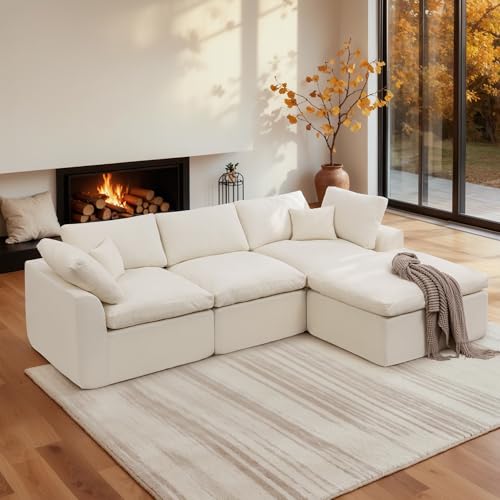
Korser 110" Cloud Sectional Couches for Living Room, Modern Modular Sectional Sofa with Ottoman, Boneless Cloud Couch with Comfy Deep Seats, Fluffy Chenille L-Shape Sofa Couch for Living Room, Beige
Check price on Amazon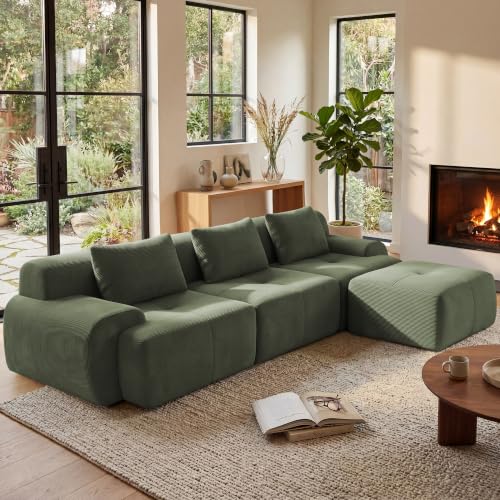
GRUSIGN 108'' Modular Boneless Sofa,Sectional Couch for Living Room | Tufted Oversized L Shape Deep Seat Sectional Sofa with Ottoman & 3 Throw Pillows,Corduroy Cloud Couch,Green
Check price on Amazon
Furmax Sectional Couches for Living Room, Chenille, Grey | U-Shaped Sofa Couch with Linen Fabric, 4 Seat Sofa Set with Double Chaise for Apartment
Check price on Amazon
GRUSIGN Cloud Sectional Boneless Couches for Living Room, Modular L Shaped Couch with Deep Seat Oversized Right Facing Chaise, Memory Foam Compressed Spineless 3 Seater Sofa for Apartment, Black
Check price on Amazon
OhaiAura Modular Sectional Sofa, 132" U Shaped Couch with Storage, Chenille | High Resilience Foam, 22" Seat Depth, Movable Ottoman, Comfy Chenille, Easy Assembly, Dark Gray
Check price on AmazonMatching a Sectional to Your Room
A sectional that is comfortable to sit on but wrong for the room will never feel right. Layout planning is part of comfort, because a crowded or awkwardly placed sectional makes the whole living space feel tense.
Measure Before You Fall in Love
Measure the full footprint of the sectional, including the chaise and any reclining mechanisms. Add at least 18 inches of clearance around walkways and 14–18 inches between the sectional and the coffee table. A sectional that leaves a 12-inch gap to the coffee table will feel cramped no matter how plush the cushions are.
Anchor the Layout
In open-plan rooms, an L-shaped sectional can act as a visual divider between the living zone and the dining or kitchen area. In narrow rooms, a reversible chaise lets you place the long side against the wall and the chaise where it does not block traffic. If the room is on the compact side, our guide to the comfy couch for small living room covers space-saving configurations that preserve comfort.
Consider the Viewing Angle
If the sectional faces a television, test the sightlines from each seat. A deep-seat sectional placed too far from the screen can make viewing uncomfortable. Angling the sectional slightly, or using a corner configuration, often solves both comfort and viewing issues at once.
Do Not Forget the Chaise
The chaise is often the most comfortable seat in the house — or the most awkward if it juts into a doorway. Confirm which side the chaise should be on before ordering, and choose a reversible model if you are unsure or may rearrange the room later.
How to Test Comfort Before Buying
If you can visit a showroom, use it. A five-minute sit is not enough; you need to simulate how you actually use a couch.
- Sit for at least ten minutes. Cushions that feel great for thirty seconds can reveal pressure points after ten.
- Try every seat. Corner seats, chaise ends, and middle seats all feel different. Check that the backrest supports your shoulders in each.
- Lie down. If you plan to nap on the sectional, lie on it the way you would at home. Check that your feet do not hang off the chaise and that your head is supported.
- Push and press. Press down on the cushions and the frame edges. A frame that creaks or flexes under light pressure is a warning sign.
- Check the return policy. Many retailers offer a comfort guarantee or return window. Confirm it before ordering, especially for online purchases.
Online, read reviews specifically about long-term comfort, not just delivery speed. Look for comments about sagging, cushion flattening, and frame noise after several months of use. Those are the details that separate a genuinely comfortable sectional from one that only photographs well.
Keeping Comfort Over the Years
Even a premium sectional will lose comfort if it is neglected. A simple maintenance routine preserves cushion loft, frame integrity, and upholstery feel.
- Rotate and flip cushions monthly. This distributes wear evenly and prevents permanent compression in the seats you use most.
- Vacuum upholstery every few weeks. Dust and grit work into the fabric and abrade fibers, which makes the surface feel rougher over time.
- Keep the sectional out of direct sun. UV exposure fades and weakens fabric and leather, and it can make some foams brittle.
- Treat spills immediately. Blot, do not rub. For fabric, check the manufacturer's cleaning code; for leather, use a leather-specific cleaner and conditioner.
- Consider a protective cover. A fitted cover protects against pet claws and everyday grime, and it can be removed for cleaning. Our guide to couch covers that actually look good covers options that preserve the look of the sectional rather than hiding it.
If your sectional has removable cushion cores, replacing the foam after several years is often more economical than replacing the entire couch — and it restores much of the original comfort.
Final Buying Checklist
Before you commit to a comfortable sectional couch
- Measure the room's footprint, doorways, and stairwells to confirm the sectional will fit.
- Confirm seat depth suits how you sit — deep for lounging, standard for upright conversation.
- Check the cushion fill: high-resilience foam with a fiber or down wrap for balanced comfort.
- Verify the frame material and suspension type — hardwood and sinuous springs at minimum.
- Match the upholstery to your household: performance fabric for pets and kids, leather for easy cleaning, velvet for low-traffic elegance.
- Confirm the chaise side and whether it is reversible.
- Read long-term reviews about cushion sagging and frame noise.
- Understand the return and comfort-guarantee policy before ordering.
For readers who want to compare comfort-focused sectionals within a specific room type, the comfy sectional couch guide and the comfortable sectional couch overview both expand on these principles with room-by-room recommendations.
Frequently Asked Questions
What makes a sectional couch comfortable?
A comfortable sectional combines a supportive yet yielding cushion fill, a seat depth of at least 22 inches for lounging, a sturdy hardwood or engineered wood frame, and upholstery suited to your household. Cushion density, back support, and armrest height influence perceived comfort as much as the filler material itself.
Is a sectional couch good for a small living room?
Yes, when sized correctly. Compact L-shaped sectionals with reversible chaise configurations can define a seating zone without consuming a full wall. Measure walkways carefully, and consider a smaller loveseat-style sectional if floor space is limited. Our guide to comfortable couches for small spaces covers sizing in detail.
Which cushion fill is most comfortable for a sectional couch?
High-resilience foam wrapped in fiber or a foam-and-down blend offers the best balance of support and plushness for most households. All-foam cushions are firmer and easier to maintain, while down-wrapped cushions feel luxurious but require more frequent fluffing.
How do I keep a sectional couch comfortable over time?
Rotate and flip cushions regularly, vacuum upholstery monthly, keep the sectional out of direct sunlight, and address spills promptly. Using a fitted protective cover and conditioning leather annually helps maintain both comfort and appearance for years.
Should I choose a sectional with recliners?
Reclining sectionals add another layer of comfort for movie watching and napping, but they require more clearance behind the seats and have more mechanical parts that can wear. If reclining comfort is a priority, our guide to comfortable sectionals with recliners explains what to look for in mechanisms and layout.