
Couch Cushion Replacement: Renew Your Sofa with Confidence
Learn how to choose the right replacement cushions, match foam density and fabric, measure accurately, and restore comfort without buying a whole new sofa.
START THE GUIDEWhy this guide matters: A sagging or worn couch does not always mean the end of the furniture. In most cases, the frame and suspension are still solid, and only the cushions have lost their shape. This guide walks you through every decision point in couch cushion replacement so you can restore comfort, extend the life of your sofa, and avoid an unnecessary full replacement.
Why Replace Couch Cushions Instead of the Whole Sofa
Cushions absorb the majority of daily wear. They compress under body weight, collect stains, and fade from sunlight. When the foam collapses or the covers wear through, the frame itself is often still in good condition. Replacing the cushions is a targeted fix that addresses the real problem while keeping the structure and style you already own.
There are also practical reasons to choose replacement over a new purchase. The dimensions of your room, the frame color, and the overall silhouette of the sofa stay exactly the same. You avoid delivery logistics, assembly, and the risk of a new model not fitting the space. For a deeper look at how cushion construction affects comfort and longevity, see our guide to couch seat cushions.
- Support loss: foam that no longer springs back after sitting
- Visible sagging: the seat dips toward the frame or springs
- Cover damage: tears, burns, or stains that cannot be cleaned
- Compression marks: permanent dents where people usually sit
- Allergy or hygiene concerns: embedded dust and allergens in old foam
- Style refresh: a chance to update fabric color or texture
Couch Cushion Types You Should Know
Before choosing a replacement, identify the cushion type your sofa uses. The construction determines how the replacement should be measured and what kind of insert or cover you need. Our overview of couch cushion types explains the differences in detail, but the most common categories are summarized below.
Seat Cushions
The large horizontal cushions that bear body weight. They usually have a removable cover and a foam or foam-wrapped core.
Back Cushions
Often softer and less dense than seat cushions. They may be fiber-filled, foam-filled, or a combination of both.
Box Cushions
Square-edged cushions with defined corners, common on modern and transitional sofas.
T-Cushions
Shaped like the letter T, used on some sectionals and modular sofas to fill corner sections.
Wrapped Foam Cushions
A foam core wrapped in batting or fiber for a softer initial feel while retaining support.
Spring Cushions
Contain an inner spring unit for resilience, often found on higher-tier sofas.
Choosing the Right Foam and Fabric
Replacement cushions are only as good as their materials. Foam density and fabric durability are the two variables that most affect how the new cushions feel and how long they last. Our guide to couch cushion fabric covers upholstery options in depth; here is how the main choices compare.
Foam Density and Feel
Density determines support, while firmness determines how the cushion feels when you sit. A medium-density foam is the most versatile starting point for everyday seating. High-density foam is better for larger seats and heavy daily use because it resists compression over time. Softer or lower-density foam suits decorative cushions and occasional seating.
Fabric and Cover Materials
If you are replacing covers as well as foam, choose a fabric that matches how the room is used. Performance fabrics resist stains and are a practical choice for households with children or pets. Woven fabrics offer texture and a classic look, while leather and faux leather are easy to wipe clean. For sofas shared with animals, see our recommendations on a couch good for pets.
| Tier | Foam Characteristic | Best For |
|---|---|---|
| Entry-level | Softer foam, lighter resilience | Occasional seating and guest rooms |
| Mid-range | Medium density, balanced support | Everyday family living rooms |
| Premium | High-density foam with wrapped layer | Heavy daily use and larger seats |
| Luxury | High-resilience foam or spring hybrid | Long-term investment seating |
How to Measure for Replacement Cushions
Accurate measurement is the single most important step in couch cushion replacement. A cushion that is slightly too large will bulge and strain the cover, while one that is too small will look loose and slide around. Measure the existing insert, not the outer cover, and include thickness in the measurement.
- Remove the cover and lay the bare insert flat on a clean surface.
- Measure length and width at the widest points, not the seams.
- Measure thickness at the center and at the edges to detect uneven compression.
- Note the corner shape — square, rounded, or T-shaped — so the replacement matches.
- Check the zipper and cover dimensions to confirm the new insert will fit inside.
- Record all numbers and compare with the replacement supplier's size chart before ordering.
If your sofa is a non-standard size or a modular model, custom cushions are usually the safer path. Standard cushions rarely match exactly and can look visibly mismatched. For broader sizing context across the whole sofa, see our couch size reference.
Replacing Covers vs Replacing Inserts
You do not always need to replace both the foam and the fabric. If the insert is still supportive and the zippers are intact, a new cover is a faster and simpler refresh. If the foam has collapsed but the cover is clean and sturdy, replacing only the insert restores comfort. When both are worn, replacing the full cushion is the most reliable option.
- Couch cushion cover replacement — best when the foam is still firm and the zipper is functional
- Couch seat cushions — the full replacement route for worn seat support
- Couch cushions — general overview of cushion construction and care
- Couch protection covers — a temporary layer if replacement is not yet urgent
Step-by-Step Replacement Process
Once the replacement cushions arrive, the installation is straightforward. Work one cushion at a time so you always have a reference for orientation and fit.
- Unzip the old cover and remove the worn insert carefully.
- Vacuum the cover interior and inspect the zipper for damage before reuse.
- Insert the new foam starting from one corner and working toward the opposite side.
- Align the cover seams with the cushion edges so the shape sits squarely.
- Zip slowly and adjust the foam if the cover feels tight or twisted.
- Rotate and fluff the finished cushion, then place it back on the sofa frame.
Ready to refresh your seating?
Explore replacement cushions, covers, and foam inserts that match your sofa's dimensions and daily use.
Explore OptionsRecommended Couch Cushion Replacement
⚠️ AFFILIATE DISCLOSURE: This website contains affiliate links. As an affiliate Associate, we earn from qualifying purchases. If you make a purchase through these links, we may receive a small commission at no additional cost to you. Read our full affiliate policy.

HOMBYS Memory Foam Couch Cushion Replacement, High Density Upholstery Foam Wrapped with Memory Foam & Polyester Batting, Sofa Cushions Inserts with Dacron Fiber Layer,with Removable Cover,6"x24"x27"
Check price on Amazon
Codi Couch Cushion Replacements 2 Pack, 5 Inch High-Density Foam, 24 Inch | Sofa, chair and floor fit, Meditation seating, Upholstery foam support, Machine washable covers, Carry handles, Grey
Check price on Amazon
FOAMYFOAM High Density 6 inch Thick, 24 inch Wide, 24 inch Long Upholstery Foam, Cushion Replacement
Check price on Amazon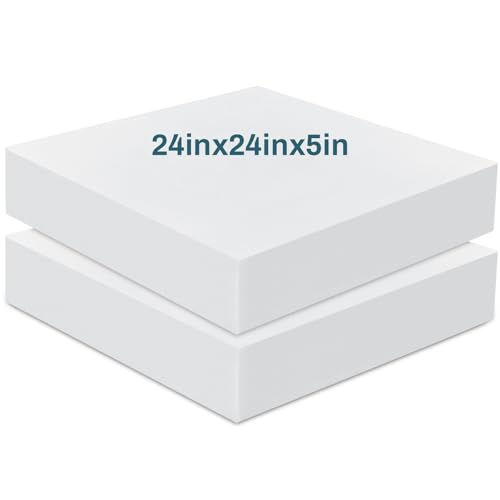
Frienda 2 Pack 5" x 24" x 24" Upholstery High Density Foam Square White | Cushion Padding 2.2 Density 50ILD Replacement Square Cut to Size Foam for Couch Chair Packing Shipping DIY Cosplay Projects
Check price on Amazon
GoTo Foam 3" Height x 24" Width x 72" Length 44ILD (Firm) Upholstery Cushion Made in USA
Check price on AmazonCaring for New Cushions So They Last Longer
New cushions will only keep their shape if they are maintained. Rotate seat cushions regularly so weight is distributed evenly, and fluff back cushions to prevent flattening. Vacuum covers on a schedule and spot-clean spills promptly to stop stains from setting into the foam.
For deeper maintenance, review our couch care and maintenance resources. If the sofa is in a sunny room, consider positioning it away from direct sunlight or using a throw to reduce fading. These small habits extend the life of both the foam and the fabric.
Common Mistakes to Avoid
- Measuring the cover instead of the insert: fabric stretches, so cover dimensions can mislead you.
- Choosing foam that is too soft: low-density foam collapses quickly under daily use.
- Ignoring corner shape: a square insert in a rounded cover will look puckered.
- Skipping zipper inspection: a failing zipper can ruin a new cover during installation.
- Mixing mismatched tiers: a premium insert with an entry-level cover may wear unevenly.
Frequently Asked Questions
How do I know when it is time to replace couch cushions?
Replace couch cushions when the foam has lost support, when you feel the frame or springs through the seat, when covers are permanently stained or torn, or when sagging no longer recovers after fluffing and rotating.
Can I replace only the foam inside my couch cushions?
Yes. If the outer covers are still in good shape, you can replace just the foam inserts. Measure the existing foam carefully, including any wrapped layers, and choose a density that matches how the seat is used.
What foam density is best for couch cushion replacement?
Medium-density foam is the most versatile for everyday seating. High-density foam is better for heavy daily use and larger seats, while softer, lower-density foam suits decorative or occasional seating.
Do replacement couch cushions need to be custom measured?
Custom measurement is strongly recommended. Measure length, width, thickness, and corner radius of the existing insert. Off-the-shelf cushions rarely match exactly and can look loose or fit too tightly.
Can I replace couch cushion covers only?
Yes. If the foam is still supportive and the zippers are intact, replacing only the covers is a practical refresh. Choose a durable upholstery fabric that matches the rest of the sofa and confirm the cover dimensions match the insert.
Final Thoughts
Couch cushion replacement is one of the most effective ways to extend the life of a sofa you already like. By identifying the cushion type, measuring accurately, and choosing a foam density and fabric that match your daily use, you can restore comfort and appearance without the disruption of a full furniture replacement. Use the product section above to explore replacement options, and keep the care habits in this guide so the new cushions stay supportive for years.