
Couch Seat Cushions: The Complete Buying & Replacement Guide
Understand cushion types, fill materials, sizing, and replacement options so you can restore comfort and extend the life of your sofa with confidence.
Why this guide matters: Seat cushions are the most-used and fastest-wearing part of any couch. Whether yours have gone flat, lost their shape, or you simply want a firmer sit, choosing the right replacement cushion requires understanding fill types, dimensions, covers, and your couch's frame. This guide walks you through every decision point so you can buy once and buy right.
Why Couch Seat Cushions Wear Out
Every time you sit down, the foam or fiber inside your cushion compresses and rebounds. Over months and years, that repeated cycle causes foam to lose resilience and fiber to clump or migrate. The result is the familiar "sagging seat" — a cushion that no longer supports you evenly and makes the whole sofa feel older than it is.
Several factors accelerate the process:
- Daily use: High-traffic family couches compress faster than a formal living room sofa used occasionally.
- Foam density: Lower-density foam breaks down sooner. Higher-density foam holds its shape through many more cycles.
- Fiber fill: Loose fiber clusters shift and flatten over time, requiring regular fluffing and eventual replacement.
- Fabric wear: Even a structurally sound cushion feels worn when the cover is pilled, stretched, or stained.
- Environmental exposure: Sunlight and humidity can degrade foam and fabric over the long term.
Recognizing the cause helps you decide whether you need new couch seat cushions entirely, a cushion replacement insert, or just fresh cover replacements. Often the frame and springs are perfectly fine — it's only the cushion core that has failed.
Cushion Types: Which Construction Fits Your Couch?
Not all seat cushions are built the same way. Understanding the construction helps you match a replacement to your existing sofa and your comfort preferences. For a deeper dive into shapes and configurations, see our guide to couch cushion types.
The most common construction. A solid foam block provides consistent support across the seat. High-density foam is the standard for durability in mid-range and premium sofas, while entry-level couches often use lower-density foam that feels soft initially but flattens faster. Foam cores can be wrapped in a thin layer of fiber for a softer surface feel.
Loose or clustered polyester fiber encased in a fabric shell. These feel plush and "cloud-like" but require regular fluffing and redistribution. Fiber cushions are common in casual, relaxed-style sofas and are popular for their sink-in comfort. They are also the easiest to top up or re-stuff when they flatten.
A hybrid approach: a foam core with an inner spring unit or a fiber wrap. These sit at the top-tier end for comfort and longevity, offering both support and surface softness. Spring-core cushions are found in high-end and commercial-grade sofas where durability under heavy use is essential.
Natural down (or a down-and-fiber blend) delivers a luxurious, moldable feel that cradles the body. Downsides include the need for frequent fluffing and a higher sensitivity to moisture. Down blends balance the plushness of pure down with the resilience of fiber and are a practical luxury option.
Fill Materials Compared
Once you understand construction, the next decision is fill material. The table below compares the main options on comfort feel, durability, and maintenance needs. Remember: descriptors refer to market position, not any specific figure.
| Fill Type | Comfort Feel | Durability | Best For | Maintenance |
|---|---|---|---|---|
| High-Density Foam | Firm, supportive | High — long-term resilience | Daily-use family couches | Low — occasional rotation |
| Low-Density Foam | Soft, plush | Moderate — compresses sooner | Light-use or accent seating | Moderate — may need replacement sooner |
| Fiber Fill | Cloud-like, sink-in | Moderate — needs fluffing | Relaxed, casual sofas | High — regular fluffing |
| Foam + Fiber Wrap | Balanced support with soft top | High | Versatile everyday seating | Low to moderate |
| Spring-Core Hybrid | Responsive, supportive | Very high — commercial-grade | Heavy use, premium sofas | Low |
| Down / Down-Blend | Luxurious, moldable | Moderate — sensitive to moisture | Formal or luxury living rooms | High — frequent fluffing |
Fabric Choices for Cushion Covers
The cover determines how the cushion looks and how it withstands daily life. The right fabric depends on your household: pets, kids, sunlight exposure, and cleaning habits all matter. For a broad comparison of upholstery materials, explore our guide to couch fabric types and upholstery fabric.
- Performance fabrics: Engineered for stain resistance and durability. A strong choice for households with pets or children.
- Cotton and linen blends: Breathable and natural-looking, but more prone to staining and wrinkling. Better suited to low-traffic spaces.
- Velvet: Rich appearance and soft hand-feel. Requires gentle care and is not ideal for heavy pet use.
- Leather and faux leather: Easy to wipe clean and highly durable, though less breathable in hot climates. See our leather couch guide for more.
- Microfiber: Soft, resilient, and relatively easy to clean — a balanced mid-tier option for everyday family use.
If your current cushion covers are still in good condition, a cover replacement alone can refresh the look without buying new inserts. If the foam itself has failed, you'll want the insert and cover together.
How to Measure for Replacement Cushions
Accurate measurements are the single most important step. A cushion that is slightly too large will bulge; one too small will slide and look untidy. Measure the existing insert — not the cover — for the most reliable result.
- Length: Measure from the front edge to the back edge across the center.
- Width: Measure side to side at the widest point.
- Thickness: Measure the compressed height of the cushion at its center.
Record all three dimensions and note whether the cushion is square or rectangular. For rounded or T-shaped cushions, note the corner radius or the shape profile. If your couch has a bench seat (one long cushion), measure the full span as well as the depth.
Replacement vs. Reupholstery vs. New Sofa
When cushions wear out, homeowners face three paths. Understanding the trade-offs helps you choose the most sensible option for your situation.
The most efficient path when the frame, springs, and upholstery are still sound. New inserts and covers restore comfort and appearance without replacing the whole sofa. This is usually the best option for a structurally healthy couch with tired seats. Our cushion replacement guide covers sourcing and fit in detail.
Worth considering when the fabric is worn across the entire frame — arms, back, and base — but the structure is solid. Reupholstery renews the whole piece and lets you change style, but it is a more involved project than swapping cushions. For fabric guidance, see cushion fabric.
The right call when the frame is warped, springs are broken, or the design no longer fits your space. Before deciding, review our couch for living room guide and couch frame resource to assess whether your current sofa is worth saving. If you're ready to explore new seating, the couch set and couch for small spaces guides can help narrow the field.
Comfort Profiles: Finding Your Ideal Firmness
Cushion firmness is personal. What feels supportive to one person feels hard to another. Use these profiles as a starting point:
- Firm support: High-density foam cores. Best for people who prefer an upright sit and for households where cushions must hold up to daily use. Often found in mid-range to premium sofas.
- Balanced support: Foam with a fiber wrap. A versatile middle ground that suits most living rooms and most body types.
- Soft, sink-in feel: Fiber fill or down blends. Ideal for lounging and relaxed living rooms, but expect more maintenance.
If you're unsure, choose a balanced foam-fiber cushion first. It's the most forgiving option and performs well across a wide range of seating habits.
Maintenance to Extend Cushion Life
Good habits add years to your cushions. None of these steps require special tools or professional service:
- Rotate and flip cushions weekly (where the design allows) so wear is distributed evenly.
- Vacuum covers regularly with an upholstery attachment to remove grit that abrades fibers.
- Fluff fiber and down cushions daily to redistribute fill and prevent clumping.
- Treat spills promptly by blotting, not rubbing, with a clean cloth. For deeper cleaning, see our deep cleaning service overview.
- Protect from direct sun with blinds or a throw to slow fabric fading and foam degradation.
- Use a couch protection cover in high-traffic households to shield cushions from spills and pet wear.
Common Mistakes to Avoid
- Ordering by sofa size instead of cushion size. Always measure the individual cushion, not the overall sofa.
- Choosing low-density foam for a daily-use couch. It may feel comfortable at first but will flatten quickly.
- Ignoring cover compatibility. New inserts must fit your existing covers, or you'll need new covers too.
- Buying mismatched quantities. A three-seat sofa needs three consistent cushions; mixing old and new looks uneven.
- Skipping the frame check. If the frame or springs are failing, new cushions won't fix the problem.
Recommended Couch Seat Cushions
⚠️ AFFILIATE DISCLOSURE: This website contains affiliate links. As an affiliate Associate, we earn from qualifying purchases. If you make a purchase through these links, we may receive a small commission at no additional cost to you. Read our full affiliate policy.

Spongiduits Couch Cushion Support for Sagging Seat, 20"x20"x2" 40D High Density Curved Foam Sofa Cushion Support, Under-Cushion Sag Repair,Grey Set of 3
Check price on Amazon
HAVARGO Recliner Cushions for Elderly, 20x20x5 Inch Thick Chair Cushion Patent Design Soft Tufted Dual Layer Booster Seat Cushions for Seniors Recliner Risers Taupe 1P
Check price on Amazon
HOMBYS Tufted Furry Recliner Seat Cushion for Elderly Foam Curved Edge Large Square Seat Cushion for Recliner Chair, Floor Pillow, Office Chair, Car, No Pressure on Thighs(Grey)
Check price on Amazon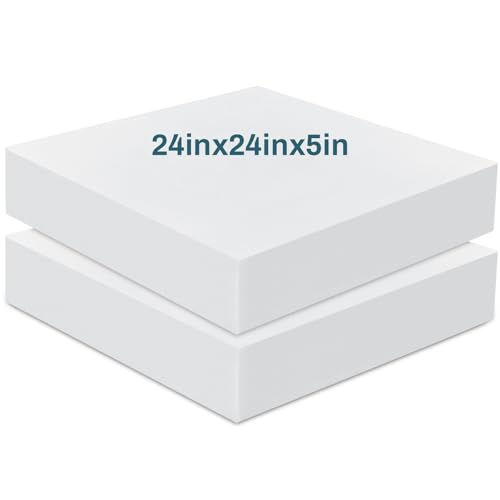
Frienda 2 Pack 5" x 24" x 24" Upholstery High Density Foam Square White | Cushion Padding 2.2 Density 50ILD Replacement Square Cut to Size Foam for Couch Chair Packing Shipping DIY Cosplay Projects
Check price on Amazon
GoTo Foam 1" Height x 24" Width x 72" Length 44ILD (Firm) Upholstery Cushion Made in USA
Check price on Amazon
HOMBYS 3'' Couch Topper Pad, Supportive Foam Sofa Cushion Pad,Bench Cushion | Refresh Your Sagging Sofa with Foam, Anti-slip&Removable Cover for Enhanced Comfort & Furniture Protection,Suitable Floor Mat
Check price on Amazon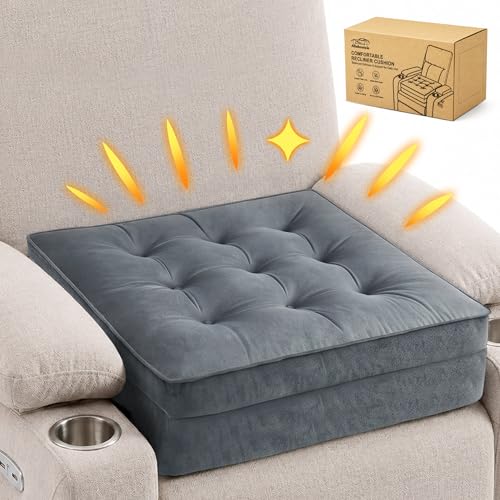
Allaboutsla Recliner Seat Cushion, 20x20x5 Lift Chair Cushion for Elderly | Thick Dual-Layer Recliner Cushion Adds Height, Comfy Recliner Cushions for Long Sitting, Non-Slip Chair Pad for Recliner Gray
Check price on Amazon
HOMBYS Memory Foam Couch Cushion Replacement, High Density Upholstery Foam Wrapped with Memory Foam & Polyester Batting, Sofa Cushions Inserts with Dacron Fiber Layer,with Removable Cover,6"x24"x27"
Check price on AmazonFrequently Asked Questions
Can I replace just the foam inside my couch cushions?
Yes. If the covers are in good condition, replacing only the foam insert is the most efficient refresh. Unzip the cover, remove the old insert, and order a new insert in the same dimensions and a firmness you prefer.
How do I know if my cushion needs replacing or just fluffing?
If the cushion rebounds after fluffing and feels supportive, it likely only needs maintenance. If it stays flat, feels lumpy, or you can feel the frame beneath you, the core has degraded and replacement is the better option.
What is the most durable cushion fill?
High-density foam and spring-core hybrids offer the longest service life. They resist compression better than fiber or down fills and are the standard for commercial-grade and heavy-use seating.
Can I use the same cover for a different fill type?
Usually, yes, as long as the insert dimensions match. However, a thicker or firmer insert may strain a tight cover. Check the cover's internal measurements before switching fill types.
How often should couch seat cushions be replaced?
With regular use, most cushions last several years before noticeable loss of support. High-density foam and spring-core cushions last longer than fiber or low-density foam. Rotating and vacuuming extends the interval.
Are there cushions designed for pets and kids?
Performance fabrics and easy-clean covers paired with high-density foam are the most practical combination. For households with pets, see our couch good for pets guide for broader considerations.
Ready to Restore Your Couch?
Explore our curated selection of couch seat cushions and replacement inserts to find the right fit for your sofa and your comfort preference.
View Recommended OptionsContinue exploring: Learn more about couch cushions, compare cushion types, or read our replacement guide. If you're furnishing a small space, see couch for small spaces and couch designs for small living room. For fabric and material questions, start with couch materials and cushion fabric.