What Couch Reupholstery Actually Involves
Reupholstery is the craft of replacing the fabric and padding on a piece of furniture while keeping its structural frame. On a couch, that means stripping away the old covering, inspecting and repairing the internal framework, renewing foam and batting where needed, and then fitting new fabric over every cushion, arm, back, and skirt. It is closer to restoration than to a simple cover-up, which is why the outcome depends heavily on the frame underneath.
A well-executed reupholstery job can transform a tired sofa into something that looks and feels like a new piece, often with better materials than the original build. The work is labor-intensive and skill-dependent, so the tier of service you choose directly shapes the finish, durability, and comfort you get back. If you are still mapping out your overall living room plan, our buying guides are a useful companion read.
Service Tiers at a Glance
Workshops and independent upholsterers generally fall into recognizable tiers. Rather than fixed figures, think of these as relative positions in the market, each with a different balance of craftsmanship, material grade, and turnaround time.
| Tier | Best For | Typical Characteristics |
|---|---|---|
| Entry-level / starter tier | Simple couches, quick refreshes, low-traffic rooms | Standard foam, basic fabric selection, straightforward labor, shorter turnaround |
| Mid-range / balanced tier | Family sofas, everyday living rooms, solid frames worth keeping | Better foam density, wider fabric range, careful pattern matching, reinforced seams |
| Premium / high-end tier | Designer pieces, heirloom furniture, formal living spaces | Premium materials, hand-finished detailing, precise piping and tufting, longer lead times |
| Luxury / flagship tier | Antique or collectible couches, exacting restoration standards | Specialist craftsmanship, bespoke fabric sourcing, full internal rebuild as standard |
Most homeowners land in the mid-range tier, where the balance between craftsmanship and longevity makes the most sense for a couch that sees daily use. The jump to premium tier is usually about detail work, specialty fabrics, and the assurance that the finish will hold up under close inspection.
What Drives the Tier of Service
Several variables push a reupholstery project up or down the tiers. Understanding them helps you ask the right questions and compare quotes fairly.
Sofa size and complexity
A compact loveseat or a simple two-seat sofa involves far less fabric and labor than a large sectional with a chaise, reclining mechanisms, or a pull-out bed. The more individual components, the more hours of skilled work, which naturally moves the project into a higher tier. If you are still deciding between formats, comparing larger seating options can help you gauge how much fabric and effort a bigger piece demands.
Fabric choice
Fabric selection is one of the biggest swing factors. Standard upholstery-grade fabrics sit in the entry and mid-range tiers, while performance fabrics, heavy velvets, and imported textiles push into premium territory. Pattern direction, repeat size, and the need for precise matching all add labor. Our guide to performance fabric sofas explains why these textiles are often worth the upgrade for busy households.
Internal repairs
Replacing foam, rebuilding sagging springs, or repairing a cracked frame adds scope. A couch that only needs new fabric stays in a lower tier, while one that needs structural attention climbs higher. This is why an honest workshop will inspect the internals before committing to a firm quote.
Detailing and finish
Piping, welting, button tufting, nailhead trim, and hand-stitched seams are all time-intensive details that separate mid-range work from premium craftsmanship. If your couch has these features, expect the project to sit in a higher tier so the finish matches the original design intent.
Location and logistics
Pickup and delivery, or the labor of moving a bulky piece, can influence the overall scope. Regional differences in labor markets also shape where a given workshop positions itself within the tiers. This is why comparing multiple quotes from local workshops is worthwhile.
Frame Condition: The Make-or-Break Factor
Before anything else, inspect the frame. A solid hardwood frame with tight joints and no wobble is the ideal candidate for reupholstery. A particleboard or MDF frame that has swollen, cracked, or lost its structural integrity is usually not worth restoring, because the new fabric would sit on a foundation that will fail again.
Check for these signs during your assessment:
- Wobble or sway when you gently rock the couch
- Creaking or cracking sounds from the base
- Sagging in the middle of the seat deck
- Visible cracks or splits in the wooden frame
- Loose or protruding joints at the corners
If the frame passes inspection, reupholstery is a genuine long-term investment. If it fails, redirect your attention to a replacement, and our couch selection guide can help you think through the alternatives.
Choosing the Right Fabric for Reupholstery
The fabric you choose determines how the restored couch performs in daily life. Match the textile to the room's traffic and your cleaning habits rather than to a trend alone.
Performance fabrics
Tightly woven synthetics and treated blends resist spills, stains, and fading. They are the practical choice for family rooms, pet owners, and anyone who wants low-maintenance upkeep. This category sits comfortably in the mid-range tier and is often the most sensible upgrade for a frequently used couch.
Velvet and chenille
These plush textiles bring warmth and a premium feel, but they demand more careful maintenance. They suit formal living rooms and lower-traffic spaces where the couch is more for conversation than daily lounging. If you are drawn to this look, our velvet sofa guide covers care in more depth.
Leather and faux leather
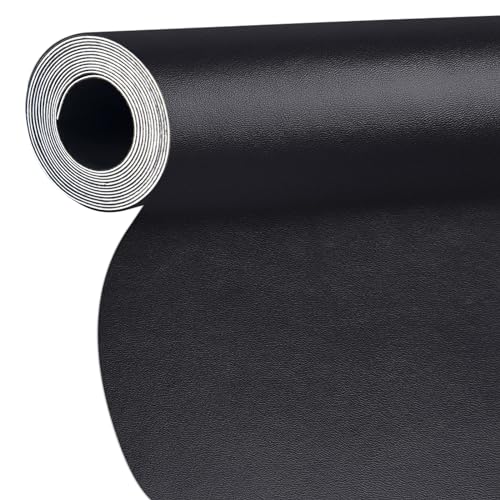
Leather reupholstery is a specialist craft and typically lands in the premium or luxury tiers. Genuine leather ages gracefully and can be conditioned over time, while quality faux leather offers a more accessible alternative with easier cleaning. Our leather sofa overview explains the trade-offs between the two.
Linen and cotton blends
Natural fibers breathe well and offer a relaxed, textured look. They show wear more readily than performance fabrics, so they are best for adults-only or low-traffic rooms. Regular rotation of cushions and prompt spot cleaning keep them looking their best.
Restore or Replace? A Decision Guide
This is the question most homeowners actually want answered. There is no universal rule, but a structured look at the couch and your priorities usually makes the choice clear.
Lean toward reupholstery when:
- The frame is solid hardwood with tight, stable joints
- The couch has sentimental or design value you want to preserve
- The shape and dimensions fit your room perfectly
- You want to choose a specific fabric and finish
- The piece is a quality build worth a long-term investment
Lean toward replacement when:
- The frame is particleboard, cracked, or structurally compromised
- The internal springs and deck need a full rebuild
- You want a different size, layout, or seating configuration
- The couch is a lower-tier build where restoration would not extend its life meaningfully
- You need the space cleared quickly and cannot wait for workshop lead times
If you are weighing a like-for-like replacement instead, our overview of what a new couch involves helps you compare the two paths on equal footing. For larger rooms, the decision often shifts toward replacement simply because a new configuration may suit the space better than restoring an existing shape.
The Reupholstery Process, Step by Step
Knowing what happens in the workshop helps you set realistic expectations and ask better questions during the consultation.
1. Assessment and quote
The upholsterer inspects the frame, cushions, and mechanisms, then estimates the scope of work. This is the stage to discuss fabric options, detailing, and timeline openly.
2. Stripping the old covering
The existing fabric, foam, and batting are removed carefully. This reveals the frame's true condition and any hidden damage that needs attention.
3. Structural repair
Loose joints are re-glued and clamped, cracked components are reinforced or replaced, and the seat deck is checked for sagging. Springs are retied or replaced as needed.
4. New padding and foam
Fresh foam and batting are cut and fitted. Foam density is matched to the desired firmness and the couch's expected use, which is where tier differences become tangible.
5. Fabric cutting and fitting
The new fabric is measured, pattern-matched, and cut. Piping, seams, and detailing are constructed and fitted piece by piece across the arms, back, seat, and skirt.
6. Final assembly and inspection
Cushions are filled and closed, the frame is reassembled, and the finished piece is inspected for alignment, comfort, and finish quality before delivery.
DIY vs Professional Workshop
Some confident crafters tackle simple reupholstery projects at home, especially on boxy couches with removable cushions and minimal detailing. The appeal is control over the process and the satisfaction of doing the work yourself. The trade-off is that upholstery demands specific tools, patience, and practice, and mistakes on expensive fabric are costly to undo.
Professional workshops bring pattern-making skill, industrial sewing equipment, and experience with complex shapes like rolled arms, tufted backs, and tight curves. For a couch you rely on daily, or one with structural repairs needed, the professional route is usually the more reliable path to a durable finish. If your couch needs mechanical attention rather than fabric work, our guide to couch fixing services covers that separate category of repair.
Frequently Asked Questions
Is reupholstering a couch worth it?
It depends on the frame quality and your attachment to the piece. A solid hardwood frame in good structural condition is usually a strong candidate for restoration, while a worn particleboard frame may not justify the effort.
How long does couch reupholstery take?
Timelines vary by workshop workload and fabric availability. A straightforward sofa may take a couple of weeks, while complex sectionals or custom fabric orders can take considerably longer.
Can I reupholster a couch myself?
DIY reupholstery is possible for simple pieces and confident crafters, but complex tufting, tight curves, and piping demand specialized tools and practice. For valuable or structurally complex sofas, a professional workshop is usually the safer route.
What fabrics are best for reupholstery?
Performance fabrics and tightly woven blends resist wear well in busy households, while velvet and linen suit lower-traffic formal spaces. Always match the fabric to the room's usage and your cleaning preferences.
Ready to Explore Your Options?
Browse our recommended couch selections to compare features and find the right fit for your living room, whether you restore your current piece or start fresh.
Explore Options