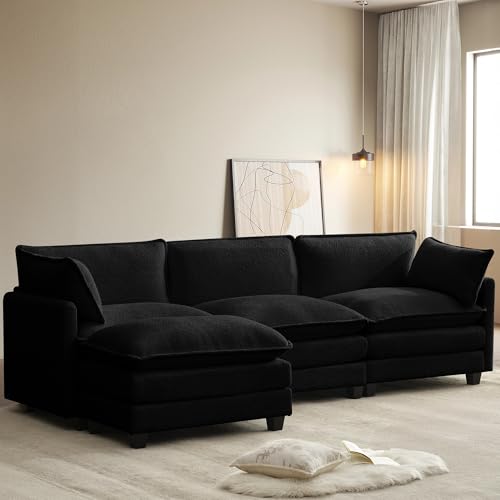
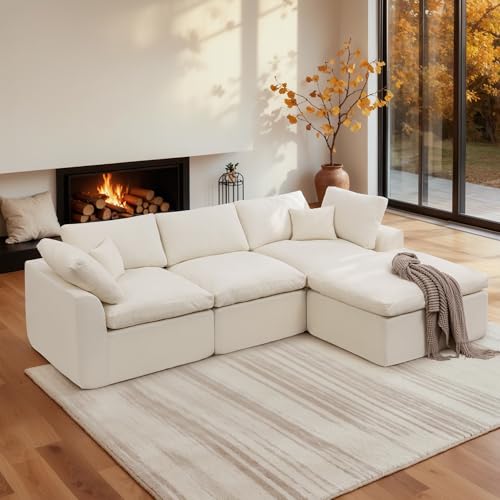
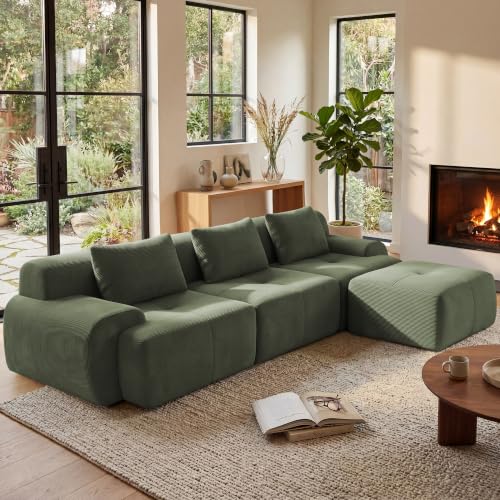
What Is a Couch with Ottoman?
A couch with ottoman is a coordinated seating set in which a sofa is paired with a matching or complementary ottoman. The ottoman serves multiple purposes: it can act as a footrest, a temporary coffee table with a tray, an extra seat when guests arrive, or a storage unit when you choose a model with a lift-top lid.
The appeal is both practical and aesthetic. Matching upholstery and consistent leg finishes create a unified visual statement, while the ottoman itself adds a layer of versatility that a fixed sofa cannot offer on its own. For buyers researching living room furniture, this combination is one of the most flexible investments available.
Types of Couches with Ottoman Configurations
The market offers several distinct configurations, each suited to different room sizes and usage patterns. Understanding these categories is the first step toward narrowing your search.
Standard Sofa with Matching Ottoman
The classic pairing: a three-seater or two-seater sofa with a standalone ottoman placed in front or beside it. This setup works well in medium to large living rooms and allows you to rearrange the ottoman as needed. It is the most common configuration and the easiest to integrate into existing decor.
Sectional with Ottoman
Sectionals often incorporate an ottoman as a movable extension of the chaise or as a freestanding piece that completes the U-shape or L-shape arrangement. If you are exploring larger seating options, a couch with a large ottoman can anchor an open-plan living area while providing generous lounging space.
Loveseat with Ottoman
Compact and efficient, a loveseat paired with an ottoman is ideal for apartments, reading corners, and secondary seating areas. The smaller footprint does not sacrifice comfort, and the ottoman doubles as a surface for books or a laptop when topped with a sturdy tray.
Modular Couch with Ottoman
Modular systems let you reconfigure the seating and ottoman arrangement as your needs change. A modular couch system with a movable ottoman is particularly useful in multi-purpose rooms where the layout may need to shift for entertaining, working, or relaxing.
Storage Ottoman Couch Sets
Some ottomans include hidden storage compartments for blankets, remote controls, or children's toys. This feature is a practical bonus for family rooms and small spaces where every square foot matters.
How to Choose the Right Size
Sizing is the most common source of buyer regret. Before committing to any set, measure your room and map out the traffic flow. A general guideline is to allow at least 18 inches of walkway clearance around the seating group.
- Small rooms (under 150 sq ft): A loveseat with a compact ottoman or a two-seater with a slim ottoman preserves floor space without crowding.
- Medium rooms (150–300 sq ft): A standard three-seater with a rectangular ottoman offers a balanced footprint and comfortable seating for three to four people.
- Large rooms (over 300 sq ft): A sectional with a large ottoman or a sofa-plus-two-ottoman arrangement fills the space and creates a defined conversation zone.
Also consider the ottoman's height relative to the sofa seat. An ottoman that is slightly lower than the seat height works best as a footrest, while one that matches the seat height can function as an extension of the seating surface. If you need a lounging setup, a couch with leg rest or a couch with a chaise lounge may be worth comparing alongside the ottoman option.
Upholstery Materials and Durability
The fabric or leather you choose affects comfort, maintenance, and longevity. Here is a practical comparison of the most common upholstery options for couches with ottomans.
- Performance fabric: Engineered for stain resistance and durability. A strong choice for households with children or pets, and widely available in mid-range and premium tiers.
- Leather: Long-lasting and easy to wipe clean. Full-grain and top-grain leather age gracefully, while bonded leather is more prone to peeling over time. A leather sofa paired with a leather ottoman creates a cohesive, upscale look.
- Microfiber: Soft, durable, and resistant to everyday wear. Often found in entry-level and mid-range sets.
- Velvet: Luxurious texture and rich color depth, but requires more careful maintenance. Best suited to low-traffic living rooms or adult-only households.
- Cotton and linen blends: Breathable and comfortable, though less resistant to stains. Ideal for casual, relaxed interiors.
If you plan to keep the set for many years, prioritize durable construction and a fabric that matches your maintenance routine. Checking whether you can buy new cushions for a couch separately is also worth confirming, as replaceable cushions extend the usable life of the furniture.
Quality Tiers: A Universal Comparison
Rather than focusing on numerical figures, it helps to understand where a couch and ottoman set sits within the broader market. The table below uses universal quality descriptors to help you compare sets relative to one another.
| Tier | Best For | Typical Characteristics |
|---|---|---|
| Essential Tier | First apartments, guest rooms, temporary setups | Basic frame construction, standard foam cushions, simpler upholstery options |
| Balanced Tier | Everyday family living rooms | Reinforced frames, higher-density foam, performance fabric options, storage ottomans |
| Premium Tier | Long-term primary seating, design-focused interiors | Kiln-dried hardwood frames, pocket-coil or high-resilience cushions, top-grain leather or premium textiles |
| Luxury Tier | Custom interiors, high-end living rooms | Handcrafted joinery, full-grain leather, down-wrapped cushions, bespoke sizing and finish options |
Mid-range models generally offer a smoother reclining or lift mechanism than entry-level sets, while premium and luxury tiers focus on material longevity and craftsmanship. Use this framework to align your expectations with the tier you are considering.
Features Worth Prioritizing
Beyond size and upholstery, certain features meaningfully improve day-to-day usability. Consider these when comparing sets:
- Storage compartment: A lift-top ottoman keeps blankets and remotes out of sight.
- Reversible cushions: Extends the life of the seat and back cushions by allowing even wear.
- Removable covers: Makes cleaning significantly easier, especially in households with pets.
- Solid wood legs: More durable than plastic or engineered wood alternatives.
- Connecting brackets: Some sectionals include hardware to keep modules from sliding apart.
- Pet-friendly fabric: Tight-weave performance fabrics resist snags and clean up easily.
If you are furnishing a rental or a space that may change, a couch that fits through small doors and a lightweight ottoman are practical choices. For households with pets, reviewing a pet damage prevention guide before finalizing your fabric choice is a smart move.
Styling Your Couch and Ottoman
A matching set is a blank canvas. Layer in throw pillows in contrasting textures, drape a throw blanket over one arm, and use the ottoman as a display surface with a tray, a small plant, or a stack of books. An area rug beneath the seating group ties the arrangement together and defines the conversation zone.
For a cohesive look, repeat one or two colors from the upholstery in the pillows and rug. If your sofa is neutral, the ottoman is an opportunity to introduce a subtle pattern or a deeper tone. The goal is balance, not perfect symmetry.
Maintenance and Longevity Tips
Regular care keeps a couch and ottoman set looking fresh for years. Vacuum upholstery every two weeks, rotate and flip cushions monthly if they are reversible, and address spills promptly with a suitable cleaner. Leather requires periodic conditioning to prevent cracking, while fabric benefits from a fabric protector applied at purchase or shortly after.
Keep the set out of direct sunlight to prevent fading, and avoid placing the ottoman directly in front of a heating vent. For deeper cleaning guidance, consult a fabric cleaning or leather cleaning resource based on your upholstery type.
Frequently Asked Questions
Should the ottoman match the couch exactly?
Matching upholstery creates a cohesive, tailored look. However, a complementary ottoman in a contrasting texture or slightly different tone can add visual interest and make the arrangement feel more curated. Either approach works; matching is safer for small rooms, while contrast suits larger spaces.
Can I use a couch with ottoman in a small living room?
Yes. A loveseat with a compact ottoman, or a two-seater with a slim rectangular ottoman, preserves floor space while delivering the same flexibility. Choose a lightweight ottoman that can be tucked away or moved easily when the room needs to open up.
Is a storage ottoman worth it?
For family rooms and small spaces, yes. A storage ottoman consolidates clutter and keeps frequently used items within reach. It is a practical upgrade that does not compromise the visual appeal of the set.
How do I measure for a couch and ottoman set?
Measure the available wall length, the depth of the room, and the width of all doorways and hallways the furniture must pass through. Add at least 18 inches of clearance for walkways. Tape out the footprint on the floor with painter's tape before purchasing to visualize the arrangement.
What is the best fabric for a household with pets?
Tight-weave performance fabrics and full-grain leather are generally the most resilient. They resist snags, clean up easily, and hold up well to everyday wear. Avoid loose-weave fabrics and velvet in high-traffic pet areas.