
Cushion Material for Outdoor Furniture: The Complete Guide
Compare fabrics, foams, and weather-resistant constructions so you can choose outdoor cushions that stay comfortable, dry, and beautiful season after season.
Why this guide matters: Outdoor cushions face sun, rain, humidity, and heavy use. The material you choose determines how long your patio seating stays comfortable and how often you need to replace it. This guide breaks down every major cushion material — fabrics and foams — with practical recommendations for patios, decks, poolside areas, and covered porches.
Outdoor Cushion Fabric Materials Compared
The fabric cover is your cushion’s first line of defense. It must resist fading, repel water, block mildew, and still feel good against the skin. Below are the most common outdoor cushion fabrics, ranked by weather performance and durability tier.
| Fabric Material | Market Tier | Best For | Key Strengths |
|---|---|---|---|
| Solution-Dyed Acrylic | Premium | Poolside & full-sun exposure | Color is locked into the fiber; resists fading, mildew, and moisture; soft hand feel |
| Olefin (Polypropylene) | Mid-Range | Covered patios & family decks | Excellent moisture wicking, quick-drying, strong abrasion resistance |
| High-Grade Polyester | Balanced | Shaded balconies & screened porches | Soft texture, broad color range, reliable UV resistance when solution-dyed |
| Cotton & Cotton Blends | Entry-Level | Indoor use or fully sheltered areas | Breathable and soft, but absorbs water and mildews quickly |
| PVC-Coated Mesh | Essential Tier | Highly humid climates & quick-dry seating | Fully waterproof, wipes clean, but firmer and less plush |
1. Solution-Dyed Acrylic (Top-Tier Performance)
Solution-dyed acrylic — the technology behind brands like Sunbrella — is the benchmark for outdoor cushion fabric. The pigment is added to the fiber before it is spun, so color cannot wash away or fade at the surface. The result is a fabric that stays vibrant through years of sun exposure, resists mildew, and feels surprisingly soft rather than plasticky. Premium acrylic covers typically outlast every other fabric category, which makes them a worthwhile investment for poolside furniture and exposed patios.
2. Olefin (Mid-Range Workhorse)
Olefin is a synthetic fiber that naturally wicks moisture away and dries quickly. It offers strong resistance to abrasion and mildew at a mid-range position in the market. The trade-off is a slightly less refined hand feel than acrylic and a tendency to attract oil-based stains, so treat spills promptly. For covered patios and busy family decks, olefin delivers solid value for its tier.
3. High-Grade Polyester (Balanced Choice)
Polyester cushions are feature-rich for their class: soft, colorful, and available in a huge range of patterns. Modern solution-dyed polyester holds up well to UV exposure, though it is generally less fade-resistant than acrylic. Choose polyester for shaded balconies, screened porches, and indoor-outdoor areas where visual variety matters as much as weather resistance.
4. Cotton and Blends (Entry-Level Only)
Cotton feels wonderful, but it absorbs water, holds it, and invites mildew. In an outdoor setting, cotton cushions degrade rapidly. Reserve cotton and cotton-blend cushions for indoor use or for fully sheltered areas that never see rain or heavy dew. This is the essential-tier option, not a long-term outdoor solution.
5. PVC-Coated Mesh (Quick-Dry Utility)
PVC-coated mesh is fully waterproof and wipes clean effortlessly, which makes it a practical choice for humid climates and poolside seating that gets splashed. It is firmer and less plush than woven fabrics, so it suits casual lounging rather than deep relaxation. Think of it as commercial-grade durability for residential patios.
Quick Tip: Look for the Label
Check for the words “solution-dyed” on the fabric tag. Yarn-dyed and piece-dyed fabrics look identical in the showroom but fade far faster in direct sun. If the label is unclear, the fabric is likely not intended for full outdoor exposure.
Outdoor Cushion Foam Materials Explained
Fabric protects the outside; foam determines comfort and how the cushion behaves when wet. Outdoor foam must drain water, resist mildew, and recover its shape after use. Here is how the main foam types compare.
| Foam Type | Market Tier | Best For | Key Strengths |
|---|---|---|---|
| Closed-Cell Foam | Premium | Poolside, uncovered patios, rainy climates | Does not absorb water, resists mildew, maintains shape under frequent use |
| High-Density Polyurethane | Mid-Range | Covered patios & screened porches | Firm support, good longevity, needs a waterproof liner for weather exposure |
| Quick-Dry Reticulated Foam | Balanced | Humid areas & occasional rain | Open structure drains fast and dries quickly, moderate support |
| Standard Open-Cell Foam | Entry-Level | Indoor use or fully sheltered spaces | Plush and inexpensive, but soaks up water and mildews outdoors |
Closed-Cell Foam: The Outdoor Standard
Closed-cell foam has sealed cells that water cannot penetrate. It floats, resists mildew, and bounces back after compression, making it the top-tier choice for outdoor cushions that face rain or pool splash. It is firmer than plush indoor foam, so pair it with a softer top layer or a wrap if you want a plusher feel.
High-Density Polyurethane Foam
High-density polyurethane offers reliable, firm support and holds up well under repeated use. On its own it absorbs water, so it should be wrapped in a waterproof liner and paired with a water-repellent cover. In a covered patio setting, this mid-range option performs admirably and is a solid choice for the tier.
Quick-Dry Reticulated Foam
Reticulated foam has an open, web-like structure that lets water pass straight through and dry rapidly. It is ideal for humid climates and cushions that occasionally get caught in the rain. Support is moderate rather than firm, so it suits back cushions and casual seating more than heavy daily lounging.
Wrap Matters: The Waterproof Liner
Even premium foam benefits from a breathable waterproof liner between the foam core and the fabric cover. The liner stops liquid water from soaking the core while letting trapped moisture escape as vapor — a small detail that dramatically extends cushion life.
Choosing Cushion Material by Climate and Use
The right combination depends on where the furniture lives and how it is used. Use these pairings as a starting point:
- Full sun and poolside: Solution-dyed acrylic cover + closed-cell foam core. Maximum fade, water, and mildew resistance.
- Covered patio, four-season use: Olefin or high-grade polyester cover + high-density polyurethane with a waterproof liner. Good balance of comfort and durability.
- Humid coastal climates: PVC-coated mesh or olefin cover + quick-dry reticulated or closed-cell foam. Prioritize drainage and airflow.
- Screened porch, mild weather: Solution-dyed polyester cover + quick-dry foam. Soft comfort with adequate weather protection.
- Indoor-outdoor sunroom: High-grade polyester or acrylic cover + high-density foam. Choose based on how much direct sun the room receives.
Care Tips That Extend Cushion Life
Great materials still need basic maintenance. These habits keep outdoor cushions looking new and functional for years:
- Brush off debris weekly so dirt does not work into the weave and abrade fibers.
- Clean with mild soap and water, then rinse thoroughly. Avoid harsh bleach on solution-dyed acrylic unless the manufacturer approves a diluted solution for mildew stains.
- Stand cushions on edge to dry after rain or cleaning so water drains and air circulates on all sides.
- Store cushions during off-season in a dry, ventilated space. A breathable storage bag beats a sealed plastic bag that traps condensation.
- Rotate cushions regularly to distribute wear and sun exposure evenly.
- Re-treat water repellency on fabric covers according to the manufacturer’s guidance to maintain beading performance.
If you are refreshing an existing outdoor sectional, replacement covers are often the most efficient route — see our guide to cushion covers for sizing and fabric options. For a full seating upgrade, explore cushions for outdoor sectional couches and cushions for wicker loveseats and chairs. If a curved silhouette is on your wish list, our curved outdoor couch guide covers the matching cushion considerations.
Recommended Outdoor Cushion Materials and Cushions
⚠️ AFFILIATE DISCLOSURE: This website contains affiliate links. As an affiliate Associate, we earn from qualifying purchases. If you make a purchase through these links, we may receive a small commission at no additional cost to you. Read our full affiliate policy.

Fanfanwin 36" x 100 Yards/roll Upholstery Cushion White Noiseless Wrap | Easily Install Foam into Cushion Cover, for Crafts, DIY Furniture, Home, Office Cover
Check price on Amazon
8Pcs Patio Cushion Covers Stretch Outdoor Furniture Protector Slipcovers | Universal Fit Outdoor Cushion Covers, Elastic Bottom, Couch Chair Seat Replacement, Pet Friendly for Dogs, Sofa Slipcovers
Check price on Amazon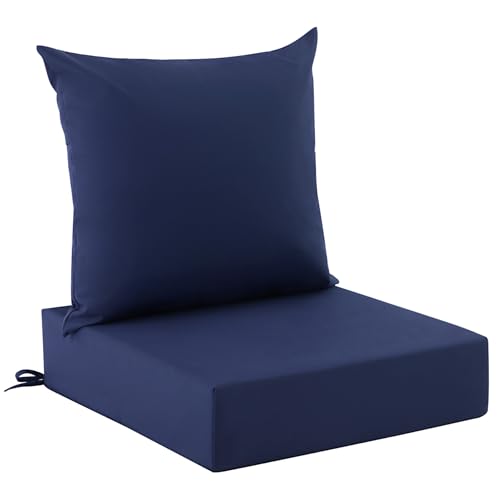
Zonamat Outdoor Chair Cushions, Waterproof & Fade Resistant Patio Cushions | 24 x 24 x 5.75 In, Navy Blue, Removable Cover, For Patio Furniture, Lawn, Garden, Deck, Yard, Stay in Place with Ties
Check price on Amazon
HYVAKUPPA Waterproof Canvas Cloth Fabric by The Yard 60" W 600D Oxford Polyester Upholster Fabric Water Resistant Material for Outdoor Furniture Chair Cushion Cover DIY Sewing (1 Yard, Khaki)
Check price on Amazon
POFL Outdoor Fabric & Furniture Cleaner – Mold & Mildew Stain Remover for Patio Cushions, Sling Seating, Mesh, Canvas Awnings, Vinyl Fencing & Outdoor Surfaces – 25.36 fl oz
Check price on Amazon
Patio Water-Resistant Extra Large Protective Zippered Outdoor Cushion Furniture Storage Bag with Handles, 68in L x 30in W x 20in H (1 Pack)
Check price on AmazonFrequently Asked Questions
What is the best fabric for outdoor furniture cushions?
Solution-dyed acrylic fabrics such as Sunbrella are widely regarded as the best overall choice. They resist fading, mildew, and water while remaining soft to the touch. Olefin and high-grade polyester are solid mid-range alternatives for covered patios.
What foam is best for outdoor cushions?
Closed-cell foam is the best choice because it does not absorb water and resists mildew. High-density polyurethane foam wrapped in a waterproof liner is also a strong option for frequently used seating on covered patios.
Can regular indoor cushions be used outdoors?
Indoor cushions are not designed for outdoor use. Standard upholstery fabric and open-cell foam absorb moisture, which leads to mildew, sagging, and rapid deterioration when exposed to weather.
How long do outdoor cushion materials last?
With proper care, solution-dyed acrylic cushions typically last five to eight seasons, while olefin and polyester cushions last three to five seasons. Closed-cell foam cores generally outlast the fabric cover.
Are outdoor cushions waterproof or just water-resistant?
Most outdoor cushion covers are water-resistant rather than fully waterproof — they repel brief rain and spills but are not designed for submersion. For true waterproofing, look for PVC-coated mesh covers paired with closed-cell foam cores.
Ready to Upgrade Your Outdoor Seating?
Browse our recommended outdoor cushion materials above, then explore our full library of couch and patio guides to complete your setup with confidence.
Start Exploring