
Fabric to Reupholster Outdoor Furniture
Learn how to choose durable, weather-resistant upholstery fabric for patio sofas, sectionals, and lounge chairs — so your outdoor seating stays comfortable and colorful season after season.
Explore Recommended FabricsWhy the Right Outdoor Upholstery Fabric Matters
Reupholstering outdoor furniture is one of the smartest ways to refresh a patio or deck without replacing the entire frame. The frame — whether aluminum, teak, wicker, or steel — often outlasts the cushions by many years. What usually fails first is the fabric: sun exposure fades the color, rain and humidity invite mildew, and abrasion from daily use wears through thin weaves.
Choosing the correct fabric is therefore the single most important decision in any outdoor reupholstery project. A fabric engineered for exterior use will resist UV degradation, shed water instead of absorbing it, dry quickly, and hold its color through repeated cleaning. Standard indoor upholstery, by contrast, can look worn within a single season outdoors.
This guide walks you through the leading fabric families, their strengths and trade-offs, the performance features to look for on labels, and the practical steps for measuring and reupholstering. Whether you are restoring a favorite outdoor sofa or upgrading the cushions on a dining set, the information below will help you buy with confidence.
Quick answer: Solution-dyed acrylic is the top-tier choice for most outdoor reupholstery projects. Premium polyester and high-end olefin are strong mid-range options, while vinyl-coated polyester serves high-traffic commercial-grade settings. Avoid indoor-only fabrics entirely.
The Main Fabric Families for Outdoor Reupholstery
Outdoor upholstery fabrics fall into a handful of families. Each behaves differently in sun, rain, and cleaning, so matching the fabric to your climate and usage is essential.
Solution-Dyed Acrylic
Solution-dyed acrylic is widely regarded as the flagship tier of outdoor fabric. The pigment is added to the fiber while it is still in liquid form, so the color runs all the way through each thread rather than sitting on the surface. This construction delivers excellent colorfastness against UV light, strong resistance to mildew when kept clean and dry, and a soft, woven hand that feels comfortable against the skin.
Because the color is integral to the fiber, solution-dyed acrylic withstands repeated cleaning with mild soap and water and resists the bleaching effect of chlorine and harsh sun. It is the fabric most often specified for premium patio sets and is a long-term investment for furniture that lives outdoors year-round.
Polyester (Outdoor-Grade)
Outdoor-grade polyester is the workhorse of the mid-range category. It is durable, resists shrinking and stretching, and is typically finished with a water-repellent coating and UV stabilizers. Entry-level outdoor polyester can fade faster than acrylic, but higher-end polyester blends with solution-dyed yarns perform well and often feel smoother than olefin.
Polyester is a solid choice for covered patios, screened porches, and climates with moderate sun exposure. It is also easy to sew, which matters if you plan to reupholster cushions yourself.
Olefin (Polypropylene)
Olefin is a synthetic fiber known for being inherently water-resistant because it absorbs almost no moisture. That makes it resistant to mildew and quick to dry. It is strong and resistant to abrasion, which suits high-use seating. The trade-off is that olefin can be less UV-stable than solution-dyed acrylic unless it is specially treated, and its texture can feel slightly rougher.
Olefin performs best in covered outdoor areas and is a common choice for budget-conscious projects where moisture resistance is the priority. In full-sun exposures, look for olefin labeled as UV-stabilized.
Vinyl and Vinyl-Coated Polyester
Vinyl-coated polyester is the commercial-grade option. It is waterproof, wipes clean easily, and resists staining from food and drinks, making it popular for outdoor dining chairs and hospitality settings. The trade-off is breathability: solid vinyl does not allow air to pass through, so it can feel warm in direct sun and may trap moisture against the cushion core if water enters through seams.
For residential patios, vinyl-coated polyester is best reserved for dining seats and high-spill areas rather than deep lounge seating where comfort is paramount.
What to Avoid
Standard cotton, linen, rayon, and indoor-only blended fabrics should not be used outdoors. They absorb water, support mildew growth, and fade quickly under UV exposure. Even indoor "performance" fabrics are usually not engineered for continuous exterior exposure and will deteriorate faster than purpose-built outdoor textiles.
Fabric Comparison at a Glance
The table below summarizes how the major outdoor fabric families compare on the attributes that matter most for reupholstery. Use the tier descriptors to position each option in the market rather than focusing on any single specification.
| Fabric Family | Market Tier | UV & Fade Resistance | Moisture & Mildew | Best For |
|---|---|---|---|---|
| Solution-Dyed Acrylic | Premium / top-tier | Excellent | Very good when kept clean | Full-sun lounge seating, year-round patios |
| Outdoor Polyester | Mid-range | Good to very good | Good with water-repellent finish | Covered patios, DIY reupholstery |
| Olefin | Essential to mid-tier | Moderate unless UV-stabilized | Excellent (low absorbency) | Humid climates, covered seating |
| Vinyl-Coated Polyester | Commercial-grade | Very good | Excellent (waterproof surface) | Outdoor dining, high-spill areas |
Recommended Outdoor Upholstery Fabrics
⚠️ AFFILIATE DISCLOSURE: This website contains affiliate links. As an affiliate Associate, we earn from qualifying purchases. If you make a purchase through these links, we may receive a small commission at no additional cost to you. Read our full affiliate policy.

Erosebridal Farmhouse Leaf Upholstery Fabric Bohemian Leaves Outdoor Fabric By The Yard 2 Yard Boho Rustic Plants Waterproof Fabrics for Chairs Brown Beige Outdoor Indoor DIY Decor
Check price on Amazon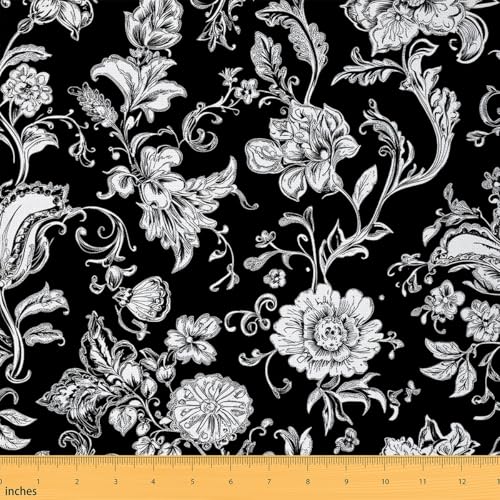
Feelyou Paisley Floral Upholstery Fabric Soft 3 Yards | Outdoor Fabric by The Yard, Retro Indian Style Flower Decorative Fabric for Upholstery and Home DIY Projects, , Black White
Check price on Amazon
Feelyou Boho Damask Upholstery Fabric Soft 1 Yards | Antique Ornament Outdoor Fabric by The Yard, European Pattern Floral Decorative Fabric for Home DIY Projects, , Black Grey
Check price on Amazon
900D Upholstery Fabric, Waterproof Canvas Fabric by The Yard, 1 Yard 58" W | Grey, Heavy Duty, UV Resistant, Outdoor Fabric, DIY Sewing, Tool Bags, Chairs Covers, Furniture Covers, Patio Cushions
Check price on Amazon
Waterproof Canvas Fabric - 58" Wide 600D Upholstery Polyester Material - Durable Indoor Outdoor Water Resistant Fabric for Furniture Cover Cushion Home Awning Tent (Khaki, 1 Yard) (Sun Yellow)
Check price on Amazon
Waterproof Canvas Fabric by The Yard 1200D Upholstery Fabric 58x36in Khaki | Thick Heavy Duty Polyester Fabric Outdoor Water Resistant Sewing Material for Chair Patio Cushion Purse Bag DIY Project
Check price on Amazon
K-Musculo 600D Oxford Fabric by The Yard, 58'' Wide Heavy Duty Waterproof Polyester Fabric, Outdoor Fabric for Bags, Covers, Furniture, Sewing DIY Projects, 1 Yard Black
Check price on AmazonPerformance Features to Look For on the Label
Fabric names alone do not guarantee outdoor performance. When you shop, scan the specification sheet or care label for the following features. A fabric that combines several of these is more likely to hold up well.
- UV stabilization or colorfastness rating: Indicates the fabric has been treated or constructed to resist sun fading.
- Water-repellent finish: Helps water bead and roll off rather than soak in.
- Mildew resistance: Important for humid climates and covered patios that stay damp.
- Abrasion rating: A higher double-rub count signals better resistance to everyday wear.
- Solution-dyed yarns: Color is locked into the fiber for longer-lasting vibrancy.
- Bleach cleanability: Useful for families and households with pets.
- Pattern repeat: A smaller repeat wastes less fabric when cutting and matching seams.
If you are also replacing the cushion cores, pair your new fabric with replacement outdoor sectional cushions or deep-seat replacement cushions to complete the refresh. For dining chairs, patio dining sets with a fire pit often benefit from vinyl-coated polyester seats that wipe clean easily.
DIY Reupholstery vs. Professional Service
Once you have chosen a fabric, decide whether to reupholster the cushions yourself or hand the project to a professional workroom. Both routes can produce excellent results; the right choice depends on your sewing experience, the complexity of the cushion shapes, and how much time you can dedicate.
Doing It Yourself
Outdoor seat cushions are among the more approachable reupholstery projects because they are usually box cushions with simple seams and zippers. If you can operate a heavy-duty sewing machine and follow a pattern, you can often recreate the original covers. Choose a fabric with a small pattern repeat to reduce waste, use UV-resistant thread, and add a zipper for easy removal and cleaning.
Before cutting, remove the old cover and use it as a template, adding seam allowance. For complex shapes such as curved chaise sections, take photos at every step so you can reassemble in the right order.
Hiring a Professional
Professional upholsterers are worth considering for large sectional pieces, tight-fitting piped cushions, and any fabric with a large pattern repeat that requires careful matching. They also have industrial sewing machines that handle thick outdoor fabrics and vinyl-coated materials more cleanly than most home machines. Ask whether the workroom uses UV-resistant thread and outdoor-rated zippers, since these small details affect longevity.
Either way, confirm the fabric is genuinely intended for exterior use. A professional can help you evaluate waterproof outdoor fabric for cushions and match the weave weight to your furniture style.
How to Measure and Estimate Fabric Yardage
Accurate measurement prevents both shortfalls and wasted material. Follow this simple process for each cushion you plan to cover:
- Measure the length, width, and thickness of each cushion, including any crown or doming.
- Sketch every pattern piece on paper and note how many of each you need.
- Lay the pattern pieces out on a grid representing the fabric width to estimate layout.
- Add 15 to 20 percent extra for seam allowance, pattern matching, and cutting errors.
- For large pattern repeats, add one full repeat per cushion to align motifs across seams.
- Account for zippers, piping, and welting as separate notions if you plan to include them.
If you are reupholstering an entire sectional, consider ordering all fabric in a single dye lot. Fabric from different production runs can vary slightly in shade, which becomes noticeable when pieces sit side by side.
Caring for Reupholstered Outdoor Cushions
Even the best outdoor fabric benefits from routine care. Regular maintenance extends color life and prevents mildew from taking hold.
Brush off loose dirt and leaves weekly. For deeper cleaning, use a mild soap solution, scrub gently with a soft brush, rinse thoroughly, and let the cushions air-dry completely in a shaded, ventilated area before returning them to the frame. Avoid harsh detergents and bleach unless the fabric label specifically permits bleach cleaning. During long stretches of rain or winter weather, store cushions in a dry, covered space.
Reapplying a fabric protector according to the manufacturer's instructions can refresh water repellency after several cleanings. If you notice persistent mildew, treat it promptly with a fabric-appropriate mildew remover and allow the cushion to dry fully in the sun.
For furniture that sees heavy pet use, pair your new upholstery with removable waterproof sectional couch covers for pets to add a protective layer that is easy to launder.
Final Buying Checklist
Before you commit to a fabric, run through this checklist to make sure it suits your project and climate.
- Confirm the fabric is labeled for outdoor use and lists UV and mildew resistance.
- Match the fabric tier to your exposure: full sun favors solution-dyed acrylic; covered areas can use mid-range polyester or olefin.
- Check the abrasion rating against how heavily the furniture is used.
- Review the pattern repeat and calculate yardage with extra allowance.
- Order a swatch to test color, hand feel, and water repellency before buying the full quantity.
- Plan for UV-resistant thread, outdoor zippers, and any piping or welting.
- Decide between DIY sewing and a professional workroom based on cushion complexity.
With the right fabric and a clear plan, reupholstering outdoor furniture is a rewarding way to extend the life of your patio seating and refresh your outdoor living space. Explore the recommended options above, and compare features carefully to find the fabric that fits your climate, style, and usage.
Frequently Asked Questions
What is the best fabric to reupholster outdoor furniture?
Solution-dyed acrylic is widely considered the top-tier choice because the color is locked into the fiber before weaving, giving it strong resistance to fading, moisture, and mildew. Premium polyester blends and high-end olefin are solid mid-range alternatives.
Can I use indoor fabric to reupholster outdoor cushions?
Standard indoor fabric is not recommended for outdoor use. It lacks the UV stabilizers, water repellency, and mildew resistance needed to survive sun, rain, and humidity, and it will likely degrade quickly outdoors.
How many yards of fabric do I need to reupholster outdoor cushions?
Yardage depends on the number and size of cushions, pattern repeat, and whether you are replacing both the seat and back cushions. Measure each cushion, sketch the pattern pieces on paper, and add 15 to 20 percent extra for pattern matching and seams.
Is solution-dyed acrylic worth the investment?
For furniture exposed to daily sun and weather, solution-dyed acrylic is a worthwhile long-term investment. Its colorfastness and mildew resistance typically outperform entry-level fabrics over several seasons, reducing the need for frequent replacement.
How do I maintain reupholstered outdoor cushions?
Brush off loose debris, clean with mild soap and water, rinse thoroughly, and air-dry fully before use. Store cushions in a dry place during extended bad weather, and reapply fabric protector as recommended by the fabric manufacturer.