
Waterproof Outdoor Fabric for Cushions
A complete research guide to choosing weather-resistant cushion fabric for patios, decks, and garden seating — comparing materials, construction, breathability, and long-term care so you can buy with confidence.
Why this guide matters: Outdoor cushions face relentless exposure to sun, rain, humidity, and spills. The right fabric protects your seating investment and keeps your outdoor space comfortable season after season. Below we break down the fabric types, performance tiers, and practical selection criteria that matter most before you buy.
Why Waterproof Outdoor Cushion Fabric Matters
Outdoor cushions endure conditions that indoor upholstery never sees: UV radiation, rain, morning dew, pool splash, and fluctuating temperatures. A fabric that merely looks durable may absorb moisture, grow mildew, or fade within a single season. Choosing the right waterproof outdoor fabric for cushions is therefore one of the most consequential decisions in furnishing a patio or garden seating area.
The best outdoor cushion fabrics combine three properties: water resistance (the ability to repel rain and spills), UV stability (resistance to fading and fiber degradation), and breathability (allowing trapped moisture to escape so cushions dry quickly and resist mildew). A fabric that excels at one property but fails at another often leads to premature replacement.
If you are refreshing an entire patio arrangement, it also helps to understand how cushions fit into the broader furniture plan. Our guide to living room furniture covers foundational layout principles, while the specifics of outdoor cushion replacement are covered in our resource on replacement outdoor sectional cushions.
Key Performance Properties to Evaluate
1. Water Repellency vs. Waterproofing
The terms are often used interchangeably, but they describe different levels of protection. Water-repellent fabrics cause water to bead and roll off the surface; they resist light rain and spills but are not impermeable. Waterproof fabrics have a barrier layer (often a polyurethane or PVC backing) that blocks liquid penetration entirely. For cushions, water-repellent performance fabrics are usually preferable because they remain breathable; fully waterproof backed fabrics can trap heat and moisture inside the cushion.
2. UV Resistance and Colorfastness
Sun exposure is the leading cause of outdoor fabric failure. Solution-dyed fibers — where pigment is added to the fiber before it is extruded — hold color far better than surface-dyed fabrics. Look for explicit UV resistance ratings and colorfastness claims when comparing options. Premium outdoor fabrics are typically engineered to resist fading for many seasons of direct sun.
3. Mildew and Mold Resistance
Mildew thrives in warm, damp conditions. Fabrics that dry quickly and resist moisture absorption are naturally less prone to mildew. Olefin (polypropylene) and solution-dyed acrylic are known for mildew resistance. Even so, no fabric is entirely immune if cushions remain wet for extended periods, which is why drainage-friendly cushion construction and proper airflow matter.
4. Abrasion Resistance and Strength
Outdoor cushions face abrasion from sitting, shifting, and occasional pet traffic. Fabrics with higher denier yarns and tighter weaves resist pilling and wear. If pets share your outdoor space, our guide to pet covers for couch protection offers complementary strategies for keeping upholstery intact.
5. Breathability and Comfort
A cushion that traps heat feels unpleasant on warm days. Breathable performance fabrics with a durable water-repellent finish strike a balance: they repel moisture while allowing air circulation. This is especially important in humid climates where condensation can form inside cushion covers.
Comparing Common Outdoor Cushion Fabric Types
The table below summarizes the most common fabric families used for outdoor cushions, organized by performance tier rather than any numeric measure. Use the "Best For" column to match fabric to your climate and usage pattern.
| Fabric Type | Tier | Water Resistance | UV & Fade Resistance | Best For |
|---|---|---|---|---|
| Solution-Dyed Acrylic | Premium | Excellent (with DWR finish) | Excellent | Year-round sun exposure, color-rich designs, long-term investment |
| High-Density Performance Polyester | Mid-range | Very good | Very good | Balanced performance for patios and decks with mixed weather |
| Olefin (Polypropylene) | Mid-tier | Very good | Good | Humid climates, mildew-prone areas, budget-conscious projects |
| Canvas (Treated Cotton) | Entry-level | Moderate | Moderate | Covered porches, light seasonal use, casual styling |
| PVC-Coated / Vinyl | Commercial-grade | Fully waterproof | Good | High-traffic hospitality use, poolside, heavy spill zones |
| Textilene (PVC-Coated Polyester Mesh) | Professional-grade | Excellent | Very good | Sling chairs and quick-dry seating (see outdoor lounge chair sling replacement) |
Solution-Dyed Acrylic: The Flagship Tier
Solution-dyed acrylic is widely regarded as the gold standard for outdoor cushions. Because the color is integrated into the fiber itself, it resists fading remarkably well. The fabric is soft to the touch, breathable, and typically finished with a water-repellent coating. It is a long-term investment suited to uncovered patios and sunny climates.
Performance Polyester: The Balanced Tier
High-density polyester with a durable water-repellent finish offers strong performance at a mid-range position. It dries reasonably quickly, holds color well, and is available in a wide range of patterns. It is a solid choice when you want dependable protection without moving to the top tier.
Olefin: The Humid-Climate Specialist
Olefin fibers naturally resist moisture absorption and are inherently mildew-resistant, making them a practical choice for humid regions. They are durable and lightweight, though they may not match solution-dyed acrylic in long-term color retention under intense sun.
Treated Canvas: The Entry-Level Option
Water-repellent-treated cotton canvas offers a classic look and breathable comfort. It performs adequately on covered porches and for seasonal use but requires more frequent re-treatment and is less resistant to prolonged rain. It is best suited to low-exposure locations.
PVC-Coated and Commercial-Grade Fabrics
When full waterproofing is essential — poolside seating, outdoor dining, or hospitality environments — PVC-coated fabrics provide an impermeable barrier. They are easy to wipe clean but less breathable, so they are often paired with drainage-friendly cushion cores. If you are reupholstering existing outdoor pieces, our guide on fabric to reupholster outdoor furniture expands on these options.
How to Choose the Right Fabric for Your Setup
Assess Your Climate and Exposure
Uncovered patios in sunny, rainy climates demand top-tier UV and water resistance. Covered porches tolerate entry-level fabrics. If your seating sits near a pool or fire pit, consider waterproof-backed fabrics and quick-dry constructions. For fire pit arrangements, our guides to a curved outdoor bench for fire pit and curved patio furniture with fire pit discuss complementary furniture choices.
Match Fabric to Cushion Construction
The fabric is only half the equation. Cushion cores made from quick-dry foam or reticulated foam allow water to drain and air to circulate. A premium fabric paired with a moisture-trapping core undermines the fabric's benefits. Look for cushions with mesh drainage panels and removable, washable covers. If you are working with existing cushions, our resource on deep seat replacement cushions for outdoor furniture covers sizing and construction details.
Consider Maintenance Realities
Even the best fabrics require care. Solution-dyed acrylic benefits from periodic cleaning with mild soap and water; re-treating water repellency may be needed over time. PVC-coated fabrics wipe clean easily but should be checked for surface wear. Plan for seasonal storage or protective covers to extend lifespan. If you are also updating indoor seating, our couch with couch cover guide covers protective covers for indoor pieces.
Watch for Seams and Stitching
Water penetrates through seam holes before it penetrates fabric. Quality outdoor cushions use sealed seams, welded edges, or seam-sealing tape. When comparing products, check whether the manufacturer addresses seam construction — this detail often distinguishes premium tiers from entry-level options.
Care Tips to Extend Fabric Life
- Clean regularly: Rinse or brush off debris before it works into the weave. Mild soap and water are sufficient for most performance fabrics.
- Dry thoroughly: After rain or cleaning, stand cushions on edge to allow water to drain and air to circulate. Avoid leaving cushions flat and wet.
- Use protective covers: When not in use, breathable furniture covers protect against rain, pollen, and UV. Avoid non-breathable plastic covers that trap moisture.
- Store in extreme weather: Even waterproof outdoor fabric for cushions lasts longer when stored during storms, freezing temperatures, or extended off-season periods.
- Re-treat when needed: Water-repellent finishes gradually wear off. Fabric-specific re-treatment sprays restore repellency and are available for most performance fabrics.
- Rotate cushions: Rotating cushions periodically evens out sun exposure and wear patterns.
If your outdoor area includes seating with sling-style chairs, our guide to replacement outdoor sling chair fabric covers mesh fabric selection, while the 2-piece sling chair replacement fabric guide addresses two-piece sling configurations.
Recommended Waterproof Outdoor Cushion Fabric
⚠️ AFFILIATE DISCLOSURE: This website contains affiliate links. As an affiliate Associate, we earn from qualifying purchases. If you make a purchase through these links, we may receive a small commission at no additional cost to you. Read our full affiliate policy.
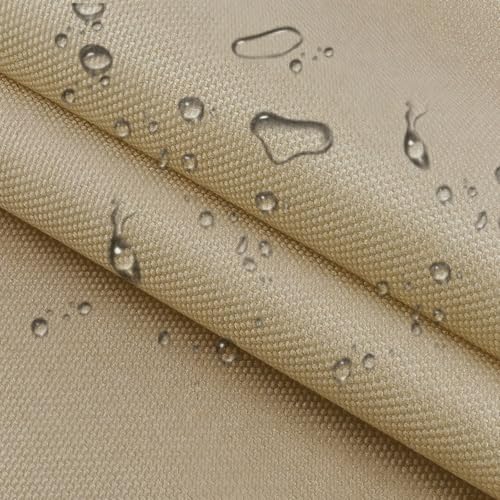
HYVAKUPPA Waterproof Canvas Cloth Fabric by The Yard 60" W 600D Oxford Polyester Upholster Fabric Water Resistant Material for Outdoor Furniture Chair Cushion Cover DIY Sewing (1 Yard, Khaki)
Check price on Amazon
Waterproof Fabric by the Yard, 600D Nylon Fabric, 59" Wide, 1 Yard | Sturdy and Shape-Retaining, Easy to Cut and Sew, Black Outdoor Fabric for Outdoor Upholstery and Awnings
Check price on Amazon
Waterproof Canvas Fabric - 58" Wide 600D Upholstery Polyester Material - Durable Indoor Outdoor Water Resistant Fabric for Furniture Cover Cushion Home Awning Tent (Khaki, 1 Yard) (Sun Yellow)
Check price on Amazon
Waterproof Canvas Fabric by The Yard 600D Upholstery Fabric 58x36in Grey | Anti-UV Polyester Cordura Fabric UV & Water Resistant Sunbrella Fabric for DIY Project Outdoor Sewing Chair Patio Cushion Bag
Check price on Amazon
8Pcs Patio Cushion Covers, outdoor stretch cushion covers, Washable | Stretch Fit,Replacement,Washable and Reusable Furniture Protectors,Fits most patio furniture cushion covers,Cover Only
Check price on Amazon
featrity Outdoor Fabric Protector Spray: 12.8oz Waterproof & UV | Heavy Duty Water-Repellent & UV Resistant for Patio Cushions Upholstery Furniture Umbrellas - Invisible Sun & Water Shield
Check price on AmazonCommon Mistakes to Avoid
- Assuming "outdoor" means waterproof: Many outdoor fabrics are water-repellent but not waterproof. Check the specification, not the label category.
- Ignoring breathability: Fully waterproof backed fabrics can trap condensation and cause mildew if cushion cores do not drain.
- Overlooking UV rating: A fabric that resists rain but fades in one season is a poor long-term choice for sunny locations.
- Skipping seam inspection: Poorly sealed seams allow water to wick into the cushion interior.
- Neglecting cushion cores: Quick-dry foam and drainage panels are as important as the fabric itself.
- Not planning for storage: Even top-tier fabrics benefit from seasonal protection and proper drying practices.
For homeowners furnishing a broader outdoor living area, our guides to summer decor and throw pillows offer styling ideas that pair well with durable outdoor fabrics.
Frequently Asked Questions
What is the best waterproof outdoor fabric for cushions?
Solution-dyed acrylic and high-density performance polyester with a durable water-repellent finish are among the best choices. They resist moisture, fading, and mildew while remaining comfortable and breathable. For fully waterproof applications, PVC-coated fabrics provide an impermeable barrier.
Is waterproof outdoor fabric breathable?
Truly waterproof fabrics with a solid backing can trap heat and moisture. Water-repellent performance fabrics are generally preferred for cushions because they allow airflow while still shedding rain and spills. Pair breathable fabrics with quick-dry cushion cores for best results.
How long does waterproof outdoor cushion fabric last?
High-grade solution-dyed acrylic and premium performance polyester fabrics can last several seasons with proper care, cleaning, and seasonal storage. Entry-level treated canvas may need more frequent re-treatment and replacement, especially in uncovered, high-exposure locations.
Can waterproof outdoor fabric cushions stay outside all year?
Many premium outdoor fabrics are engineered for year-round exposure, but storing cushions during extreme weather — heavy storms, freezing temperatures, or extended off-seasons — significantly extends their lifespan. Breathable protective covers help during shorter wet periods.
Ready to Upgrade Your Outdoor Seating?
Explore our recommended waterproof outdoor fabric for cushions above, compare features across tiers, and choose the option that fits your climate and lifestyle.
View Recommended Options