
Feet for a Couch: The Complete Replacement & Selection Guide
Everything you need to know about couch feet and furniture legs — how to measure, choose materials, match styles, and install replacement feet that protect your floors and elevate your sofa.
Why couch feet matter more than most people think: The feet on your couch are not just decorative finishing touches. They determine how the sofa sits on your floor, how weight is distributed across the frame, how easy it is to clean underneath, and how well the piece integrates with your living room design. Whether you are replacing worn-out legs, raising a low sofa, or simply updating the look of a secondhand find, choosing the right feet for a couch is a practical decision with real consequences for comfort and durability.
Understanding Couch Feet: Types, Materials & Mounting Systems
A couch foot — sometimes called a couch leg, sofa leg, or furniture foot — is the component that connects the underside of the sofa frame to the floor. Most couches use four feet, but sectionals, chaise lounges, and oversized sofas may use six or more for proper support. The type of foot you choose depends on three factors: the mounting system built into your couch, the weight the foot must carry, and the visual style you want to achieve.
1. Mounting Systems: How Feet Attach to a Couch
Before anything else, identify how your existing feet attach. This determines which replacement options are compatible with your couch frame.
- Screw-in feet (threaded): The most common system. The foot has a threaded bolt or hanger bolt that screws directly into a threaded insert in the couch frame. These are easy to replace and usually require no tools beyond your hands or a wrench.
- Plate-mounted feet: The foot is attached to a metal plate that screws into the wooden frame with multiple screws. This system distributes weight more evenly and is common on larger sofas and sectionals.
- Leg brackets: A metal bracket is screwed to the frame, and the leg slides or bolts into the bracket. This system is often used on modular furniture and allows for quick leg swaps.
- Fixed or integrated feet: Some couches have feet that are part of the frame itself, especially low-profile modern designs. These are not designed for replacement, though a furniture repair specialist can sometimes modify them.
2. Materials: Wood, Metal, Plastic & Composite
Each material has distinct advantages for different couch types, floor surfaces, and design preferences.
| Material | Best For | Key Characteristics |
|---|---|---|
| Solid hardwood | Traditional, farmhouse, and mid-century sofas | Durable, warm appearance, can be stained or painted to match decor; resistant to compression over time |
| Metal (steel or aluminum) | Modern, industrial, and heavy sofas | High load capacity, slim profiles, rust-proof finishes available; ideal for sectionals with multiple support points |
| Plastic / nylon | Entry-level sofas and temporary solutions | Lightweight, moisture-resistant, economical; suitable for low-traffic areas but less durable under heavy use |
| Composite / engineered | Mid-range to premium sofas needing consistent performance | Combines strength and moisture resistance; often molded into tapered or sculpted shapes |
3. Shapes and Styles
The shape of the foot affects both the visual weight of the sofa and how it interacts with the floor. Common styles include:
- Tapered round legs: Classic and versatile, suitable for mid-century and transitional sofas.
- Square block legs: Modern and minimalist, often seen on contemporary and modular couches.
- Turned legs: Traditional profile with decorative curves, common on farmhouse and classic sofas.
- Angled or splayed legs: Mid-century modern signature, adding visual lightness and a retro feel.
- Low-profile glides and pads: Minimal feet that sit close to the floor, often used on modern low-slung couches.
- Bun feet: Rounded, compact feet that add a soft, traditional look.
How to Measure for Replacement Couch Feet
Accurate measurement is the single most important step in replacing feet for a couch. A foot that is too tall can make the sofa unstable; one that is too short can cause the frame to scrape the floor or make the seating position uncomfortable.
Step-by-Step Measurement Checklist
- Thread diameter: Measure the threaded bolt diameter on the existing foot. Common sizes are M8 (8 mm), M10 (10 mm), and M12 (12 mm).
- Bolt length: Measure from the base of the foot to the tip of the threaded bolt. This must match the depth of the threaded insert in the couch frame.
- Foot height: Measure the vertical height of the foot from floor to frame. This determines the clearance under the couch and the overall seating height.
- Base diameter or width: Measure the widest part of the foot base. A wider base distributes weight better and reduces floor indentations.
- Number of feet: Count all support points on your couch, including center supports on long sofas and sectionals.
Matching Couch Feet to Your Floor Type
The right foot for a hardwood floor is not necessarily the right foot for carpet or tile. Floor protection should be part of your decision from the start.
| Floor Type | Recommended Foot Features | Why It Matters |
|---|---|---|
| Hardwood | Felt pads or rubberized bases on wood or metal feet | Prevents scratches and scuff marks; felt glides allow the sofa to slide without lifting |
| Laminate / vinyl | Non-marking rubber or plastic glides | Avoids black marks and indentations from concentrated weight |
| Carpet | Wide-base feet or glides designed for carpet | Distributes weight to prevent the feet from sinking; improves stability |
| Tile / stone | Soft rubber or felt pads under hard feet | Protects against cracking and chipping from impact or sliding |
For couches placed on hard flooring, adding felt or rubber pads to the bottom of each foot is one of the simplest and most effective ways to protect your floor and extend the life of the feet themselves. If you are also refreshing the seating surface, pairing new feet with quality cushions for a couch can give an older sofa a complete refresh.
When to Replace Couch Feet
Feet wear out gradually, so it is easy to overlook the signs until the couch starts to feel unstable. Replace your couch feet when you notice any of the following:
- The couch wobbles or rocks even when all feet are in contact with the floor.
- A foot is cracked, split, or visibly compressed.
- The threaded bolt is stripped or the foot spins freely without tightening.
- The foot has separated from its mounting plate or bracket.
- Rust or corrosion is visible on metal feet.
- The feet have caused permanent indentations in your flooring.
- You want to change the height or style of the couch for design reasons.
If the couch frame itself is damaged around the mounting point, replacing the feet alone may not solve the problem. In that case, a furniture repair professional can reinforce the frame before new feet are installed. For couches that need broader restoration, exploring options for custom couch upholstery alongside new feet can be a worthwhile long-term investment.
How to Install Replacement Couch Feet
Installation is usually straightforward, but doing it correctly ensures the couch remains stable and the new feet last as long as possible.
Tools You May Need
- Wrench or pliers (for threaded feet)
- Screwdriver or drill (for plate-mounted or bracket feet)
- Felt pads or rubber glides
- Measuring tape or caliper
- Wood glue or thread-locking compound (for loose inserts)
Installation Steps
- Flip the couch carefully: Work on a soft surface such as a blanket or cardboard to protect the upholstery. Ask for help if the couch is large or heavy.
- Remove the old feet: Unscrew threaded feet by hand or with a wrench. For plate-mounted feet, remove the screws holding the plate to the frame.
- Inspect the mounting points: Check for stripped threads, cracked wood, or loose inserts. Repair or reinforce as needed before installing new feet.
- Test-fit the new feet: Thread or place each foot before fully tightening to confirm alignment and fit.
- Tighten evenly: For threaded feet, hand-tighten first, then use a wrench for a final quarter-turn. Avoid over-tightening, which can damage the insert.
- Attach floor protection: Add felt or rubber pads to each foot before flipping the couch back upright.
- Check stability: Set the couch down and test for wobble. Adjust any foot that does not sit flush with the floor.
Choosing Feet That Match Your Couch Style
Couch feet are a design element in their own right. The right pair can make a sofa feel more grounded, more elegant, or more contemporary. Consider these style pairings:
- Mid-century modern: Tapered round or splayed wooden legs in walnut or teak tones.
- Contemporary / minimalist: Slim metal legs in matte black or brushed steel, or low-profile block feet.
- Traditional / classic: Turned wooden legs in dark finishes, bun feet, or carved profiles.
- Farmhouse: Chunky square wooden legs with a distressed or natural finish.
- Industrial: Angle-iron or pipe-style metal feet with a visible weld or bolt detail.
If you are updating the feet as part of a larger living room refresh, consider how the new legs will relate to adjacent pieces. A decorative tray on a coffee table and new sofa feet can work together to shift the visual weight of the room. Similarly, if you are planning to reupholster or recover the couch, choosing feet that complement the new fabric will make the finished piece look intentional rather than pieced together.
Common Mistakes to Avoid When Buying Couch Feet
- Ignoring thread size: Buying feet without checking the thread diameter is the most common reason replacements fail to fit.
- Mismatching heights: Replacing only some feet can make the couch unstable and stress the frame.
- Overlooking load capacity: Lightweight plastic feet on a heavy sofa can crack under normal use.
- Skipping floor protection: Hard feet on hardwood or tile will eventually leave marks without pads or glides.
- Choosing style over function: Very tall or very narrow feet may look elegant but can reduce stability on carpet or uneven floors.
Frequently Asked Questions About Feet for a Couch
Can I replace the feet on any couch?
Most couches with removable feet can be updated, but the options depend on the mounting system. Screw-in and plate-mounted feet are the easiest to replace. Couches with integrated or fixed feet are more difficult and may require professional modification.
How do I know what size feet my couch needs?
Remove one existing foot and measure the thread diameter, bolt length, foot height, and base width. If the original feet are missing, check the couch frame for the threaded insert size or consult the manufacturer's specifications.
Can I raise my couch by changing the feet?
Yes, within reason. Increasing foot height by a small amount can improve clearance for cleaning and change the seating angle slightly. Raising the couch significantly may affect comfort and stability, so test the change before committing to a full set.
Are metal or wooden couch feet better?
Neither is universally better. Metal feet offer high load capacity and a modern look, while wooden feet provide warmth and traditional character. The best choice depends on your couch style, weight, and floor type.
How many feet does a sectional couch need?
Sectionals typically use six or more feet to distribute weight across the full length of the frame. Always match the number and placement of the original feet, and replace all of them at the same time for even support.
Do couch feet come with floor protection?
Some do, but many do not. Adding felt pads, rubber glides, or nylon inserts is a simple step that protects your flooring and reduces noise when the couch is moved.
Can new feet fix a wobbly couch?
Often, yes. Wobbling is frequently caused by worn, cracked, or mismatched feet. If the frame itself is warped or the mounting points are damaged, however, new feet alone may not solve the problem.
What is the difference between couch feet and furniture glides?
Couch feet are structural components that support the frame and raise it off the floor. Furniture glides are protective pads or discs attached to the bottom of the feet to help the couch slide and protect the floor. They serve different purposes and are often used together.
Ready to Refresh Your Couch?
Explore replacement feet options that match your sofa's mounting system, style, and floor type. Browse our recommended picks below to find the right fit for your couch.
View Recommended FeetRecommended Feet for a Couch
⚠️ AFFILIATE DISCLOSURE: This website contains affiliate links. As an affiliate Associate, we earn from qualifying purchases. If you make a purchase through these links, we may receive a small commission at no additional cost to you. Read our full affiliate policy.
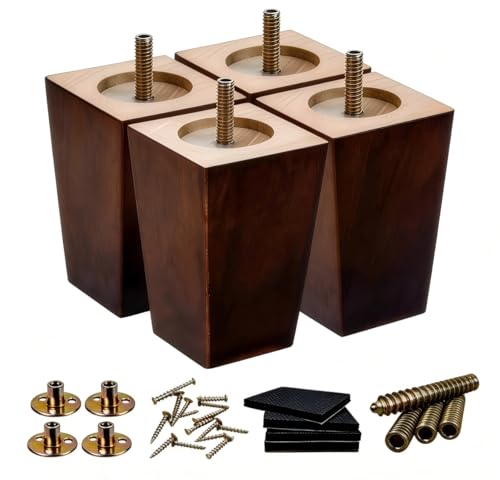
SHANJUE 5 Inch Couch Legs Wood Square Sofa Legs Replacement for Chair, 4PC | 1500lbs heavy duty square feet; fits furniture, dresser, cabinet, bed; M8 & 5/16 hanger bolts; robot vacuum clearance.
Check price on Amazon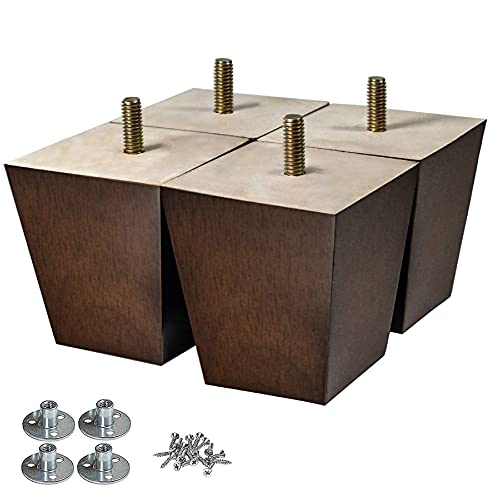
AORYVIC Wood Furniture Legs 3 inch Sofa Legs Pack of 4 Square Couch Legs Brown Mid-Century Modern Replacement Legs for Armchair Recliner Coffee Table Dresser
Check price on Amazon
Bcedivo FabricJoy 12 Pack 3 Inch Plastic Furniture Legs Square Sofa Couch Legs Replacement Tapered Feet with M8 T-Nuts Screws for Legs Sofas Table Chairs Cabinets Dressers Beds
Check price on Amazon
Murtenze 4Pcs 2 inch Plastic Sofa Legs, Black, Round | Sofa Replacement Legs, Furniture Legs with M8 Bolts, For Couch Dresser Cabinet Chair Bed Coffee Table
Check price on Amazon
Plastic Couch Legs 2-1/2 inch, Screw-In Square Furniture Legs - Black, 4pcs | Masendelk Patio Couch Feet, Furniture Feet Replacement for Sofa Cabinet Coffee Table
Check price on Amazon
AORYVIC Wood Furniture Legs, 4 inch Sofa Legs, Square Couch Legs Pack of 4, Wood Legs for Table w/Pre-drilled Hanger Bolt
Check price on Amazon
Nagpew 16 Pcs Triangle Couch Feet, Plastic Sofa Leg Replacement | Heavy-duty Furniture Corner Foot Kit with Screws for Couch, Bed, Cabinet, 8'' x 5.8'' x 1.6''
Check price on AmazonFinal Thoughts
Feet for a couch are a small component with a big impact. They influence stability, floor protection, seating comfort, and the overall look of your living room. By measuring carefully, choosing the right material and mounting system, and installing new feet correctly, you can extend the life of your sofa and make it feel new again. Whether you are replacing worn legs on a well-loved couch or updating a secondhand find, the right feet will help your sofa sit securely and look its best for years to come.