
How to Firm Up a Couch: Complete Guide to Restore Support
Is your favorite sofa feeling soft, saggy, or unsupportive? Learn proven methods to firm up your couch cushions and frame, restoring comfort and extending the life of your furniture.
Explore Firming MethodsWhy Firm Up Your Couch? A couch that has lost its firmness can cause back pain, look worn out, and make your living room feel less inviting. Whether your couch is a high-quality couch that just needs a refresh or a well-loved piece showing its age, firming it up is often more practical than replacing it. This guide covers every method, from quick DIY fixes to professional solutions, so you can make an informed decision about restoring your couch's support and comfort.
Recommended Couch Support Essentials
⚠️ AFFILIATE DISCLOSURE: This website contains affiliate links. As an affiliate Associate, we earn from qualifying purchases. If you make a purchase through these links, we may receive a small commission at no additional cost to you. Read our full affiliate policy.

BEN'SHOME Couch Cushion Support Board, Sagging Sofa Seat 60-70" x 21.5" | Heavy duty 0.5" thick solid wood boards, supports under couch cushions. Firm anti-slip seat inserts for sagging sofa, chair
Check price on Amazon
BEN'SHOME Couch Cushion Support Board, Sagging Sofa Seat 58-67" x 19.7" | Heavy duty 0.5" thick solid wood boards, supports under couch cushions. Firm anti-slip seat inserts for sagging sofa, chair
Check price on Amazon
BEN'SHOME Couch Cushion Support Board, Sagging Sofa Seat 58-67" x 23" | Heavy duty 0.5" thick solid wood boards, supports under couch cushions. Firm anti-slip seat inserts for sagging sofa, chair
Check price on Amazon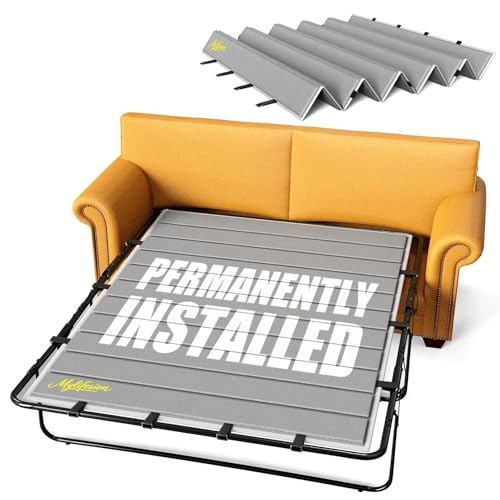
MYLIFESION Sleeper Sofa Support Board, Queen Size (54”x64”) | Sofa Bed Board for Pull Out Couch, Folds Up with Frame, Under Mattress Bar Shield
Check price on Amazon
Couch Clamp Sectional Connectors (4 Pack) – Keep Cushions from Sliding, Easy Install Straps, Universal Fit for Modular Couches – Prevent Floor Scratches
Check price on Amazon
BEN'SHOME Couch Cushion Support Board, Sagging Sofa Seat 58-67" x 25" | Heavy duty 0.5" thick solid wood boards, supports under couch cushions. Firm anti-slip seat inserts for sagging sofa, chair
Check price on Amazon
BEN'SHOME Deep Seat Couch Cushion Support Board, Sagging Sofa 58-67" x 27" | Heavy duty 0.5" thick solid wood boards and supports under deep couch cushions. Firm anti-slip inserts, sagging sofa seat
Check price on Amazon
BEN'SHOME Couch Cushion Support Board, Sagging Sofa Seat 68-81" x 19.7" | Heavy duty 0.5" thick solid wood boards, supports under couch cushions. Firm anti-slip seat inserts for sagging sofa, chair
Check price on AmazonSigns Your Couch Needs Firming Up
Before you start any restoration project, it helps to understand whether your couch actually needs firming up or if the issue lies elsewhere. Here are the most common indicators:
- Visible sagging or indentations: When you stand up, the cushion should bounce back. If a depression remains for more than a few minutes, the foam has lost resilience.
- Sinking feeling when sitting: You should feel supported, not like you're sitting in a hammock. If you feel the frame or springs through the cushion, firming is overdue.
- Cushions that slide or shift: Loose, shifting cushions often indicate compressed foam or a worn support deck beneath.
- Increased back or hip discomfort: A soft couch forces your body into awkward positions. If you wake up stiff after sitting, the support has degraded.
- Wrinkled or bunched upholstery: Fabric that pools or wrinkles on the seat often means the underlying foam or batting has flattened.
- Compressed seat height: Compare the seat height to when the couch was new. A noticeable drop indicates foam compression.
If you recognize two or more of these signs, your couch is a good candidate for firming up. The next step is figuring out exactly what has softened, so you can choose the right fix.
Diagnosing the Cause of Softness
Not all softness comes from the same source. A couch has several structural layers, and understanding which one has failed will save you time and effort. Here's how to diagnose the problem:
1. Check the Cushions
Remove the seat cushions and inspect them. Press down in the center and along the edges. If the foam feels crumbly, has visible cracks, or stays compressed after you release pressure, the foam needs replacement or reinforcement. Cushions with removable covers are the easiest to upgrade because you can swap the foam insert without touching the upholstery.
If your couch uses indoor couch cushions with zippered covers, you're in luck. You can often replace just the foam core and keep the original fabric.
2. Inspect the Support Deck
Under the cushions, the support deck (also called the platform) may consist of webbing, sinuous springs, or a solid board. Press down on the deck with your hand. If it gives way easily or you hear creaking, the support system may need reinforcement. A sagging deck will make even new cushions feel soft.
3. Examine the Frame
A sturdy frame is the foundation of a firm couch. Check for cracks, loose joints, or warping. If the frame is solid, you can focus on the cushion and deck layers. If the frame is compromised, firming up the cushions alone won't solve the problem. In that case, consider whether the couch is worth repairing or if it's time to explore how to buy a good couch that will last longer.
4. Assess the Upholstery
Tight upholstery can actually make a couch feel firmer. If the fabric is stretched out and loose, the couch will feel softer even if the foam is in decent condition. In some cases, tightening the upholstery or adding a fitted cover can restore a firmer feel without touching the internal components.
DIY Methods to Firm Up a Couch
These methods range from quick fixes to more involved projects. Start with the simplest option that addresses your diagnosis and work your way up.
Method 1: Add a Support Board Under the Cushions
This is the easiest and most common DIY fix for a sagging couch with a soft support deck. A rigid board distributes weight evenly and prevents the cushions from sinking into the frame.
- Materials needed: A piece of plywood or MDF cut to the dimensions of the seating area, plus a non-slip rug pad or thin foam sheet to prevent sliding.
- Steps: Remove the seat cushions. Cut the board to fit snugly inside the frame. Wrap the board in the non-slip pad or a thin layer of foam to prevent noise and protect the upholstery. Place it on the support deck and replace the cushions.
- Best for: Couches with webbing or worn spring decks where the cushions themselves are still in reasonable condition.
Method 2: Insert High-Density Foam Toppers
If the existing foam is still intact but too soft, adding a layer of high-density foam can restore firmness without a full replacement. This is a popular approach for couches where the foam has compressed but not degraded.
- Materials needed: High-density foam sheet (1 to 2 inches thick) cut to the cushion dimensions, plus a spray adhesive if you want to bond it to the existing foam.
- Steps: Unzip the cushion cover and remove the foam insert. Cut the new foam to match the insert's length and width. Place the new foam on top of or beneath the existing foam (top is usually better for immediate firmness). Reinsert the foam stack into the cover and zip it closed.
- Best for: Cushions where the original foam has softened but hasn't crumbled or cracked.
Method 3: Replace the Foam Inserts
When the foam has lost its structural integrity, replacement is the most effective solution. This is especially straightforward for couches with removable, zippered cushion covers.
- Materials needed: New high-density foam inserts cut to size. Choose foam with an ILD (Indentation Load Deflection) rating between 35 and 45 for firm support. For a premium upgrade, consider latex foam or pocket coil inserts.
- Steps: Measure the old foam inserts carefully, including any rounded corners or tapered edges. Order custom-cut foam or cut it yourself using an electric knife or foam cutter. Insert the new foam into the covers and place the cushions back on the couch.
- Best for: Any couch with removable cushion covers where the foam is visibly degraded or too soft.
Method 4: Reinforce the Spring or Webbing System
If the support deck beneath the cushions is sagging, you may need to repair or reinforce the springs or webbing. This is a more involved DIY project but can dramatically improve firmness.
- For sinuous springs: Check for broken or detached springs. Replace broken springs with new ones of the same gauge, or add spring clips to reattach loose springs to the frame.
- For webbing: If the webbing is stretched or torn, replace it with new elastic webbing. Staple the new webbing in a tight, interlaced pattern for maximum support.
- For coil springs: If individual coils are broken or compressed, you may need to replace the entire spring unit. This is best left to a professional unless you have upholstery experience.
Method 5: Use a Cushion Support Insert
For a quick, no-tools solution, a cushion support insert (also called a sagging couch fix) is a rigid or semi-rigid panel that slides under the cushions to provide immediate firmness. These are widely available and require no disassembly.
- How it works: The insert sits on the support deck and bridges the gap between the frame and the cushions, preventing the cushions from sinking.
- Best for: Renters, people who want a temporary fix, or anyone who isn't comfortable with DIY repairs.
- Considerations: These inserts work best for mild to moderate sagging. For severe sagging, a plywood board or full cushion replacement is more effective.
Choosing the Right Cushion Materials
The material you choose for your replacement foam or topper has a major impact on how firm the couch feels and how long the fix lasts. Here's a breakdown of the most common options:
High-Density Polyurethane Foam
This is the standard choice for couch cushions. Look for foam with a density of at least 1.8 pounds per cubic foot (PCF) and an ILD rating between 35 and 45. Higher ILD means firmer foam. High-density foam is durable, widely available, and relatively easy to cut.
Latex Foam
Latex foam is a premium option that offers excellent resilience and a consistent firm feel. It's naturally breathable and resistant to dust mites. Latex is heavier and more costly than polyurethane, but it lasts longer and doesn't develop soft spots as quickly. For a high-end couches restoration, latex is a worthwhile investment.
Pocket Coil Inserts
Pocket coil units consist of individually wrapped coils encased in foam. They provide a responsive, springy feel that many people find more comfortable than solid foam. Pocket coils are common in higher-end couches and can be purchased as replacement inserts for DIY restoration. They're heavier and more expensive than foam but offer excellent durability and support.
Foam Blends and Toppers
For a softer-yet-firmer feel, consider a foam blend with a memory foam layer. These are often used as toppers rather than full replacements. A 1-inch layer of high-density foam topped with a 1-inch layer of memory foam can provide pressure relief without sacrificing support. This is a good option if you want to firm up your couch without making it rock-hard.
When to Call a Professional
Some couch firming projects are straightforward DIY tasks, but others are best handled by a professional upholsterer or furniture repair service. Here's when to consider professional help:
- Frame damage: Cracked or broken frames require woodworking skills and specialized tools. A professional can repair or reinforce the frame safely.
- Spring replacement: Replacing a full spring unit or re-webbing a couch is labor-intensive and requires upholstery experience.
- Complex upholstery: If the couch has tight upholstery, tufting, or curved cushions, replacing foam without damaging the fabric is challenging.
- High-value furniture: For a high-quality leather furniture brands piece or a designer couch, professional restoration protects your investment.
- No time or tools: If you don't have the time, tools, or confidence for DIY repairs, a professional can complete the work quickly and correctly.
Professional cushion replacement typically involves measuring the existing foam, sourcing high-grade replacement foam, and fitting it into the covers. Some services also offer pickup and delivery, which is convenient for large couches. If you're exploring how to find a good couch for a replacement, consider whether restoring your current couch is the more sustainable choice.
Preventing Future Sagging
Once you've firmed up your couch, a few habits and accessories can help maintain its support and extend the time between restorations:
- Rotate and flip cushions regularly: If your cushions are reversible, flip and rotate them every few months to distribute wear evenly.
- Use a support board from the start: If your couch has a webbed or soft deck, adding a support board early can prevent the cushions from compressing prematurely.
- Choose high-density foam for replacements: When replacing foam, invest in high-density or latex foam. Cheaper, low-density foam will soften quickly.
- Avoid jumping on the couch: This may seem obvious, but heavy impact compresses foam and stresses the frame. Encourage kids and guests to sit gently.
- Keep the couch out of direct sunlight: UV rays degrade foam and fabric, causing them to break down faster. If your couch is near a window, use curtains or blinds to limit exposure.
- Clean and condition upholstery regularly: Dirt and body oils can break down foam and fabric over time. Follow the care instructions for your upholstery material, and consider a fabric protector for added durability.
For a couch that's used daily, expect to firm up or replace the cushions every 5 to 8 years. With proper care, a well-made couch can last much longer. If you're in the market for a new couch, read our guide on how to shop for a couch to choose one with durable cushioning from the start.
Method Comparison Chart
| Method | Difficulty | Time Required | Best For | Durability |
|---|---|---|---|---|
| Support Board | Easy | 15–30 minutes | Sagging support deck, mild cushion softness | Long-lasting (years) |
| Foam Topper Insert | Moderate | 30–60 minutes | Cushions that are soft but not degraded | Moderate (1–3 years) |
| Full Foam Replacement | Moderate | 1–2 hours | Degraded or compressed foam | Long-lasting (5+ years) |
| Spring/Webbing Repair | Advanced | 2–4 hours | Sagging or broken support system | Long-lasting with proper repair |
| Cushion Support Insert | Very Easy | 5–10 minutes | Quick fixes, renters, temporary support | Short to moderate (6 months–2 years) |
| Professional Restoration | Professional | 1–7 days (service dependent) | Complex upholstery, high-value furniture | Long-lasting (professional grade) |
Ready to Restore Your Couch's Comfort?
Explore our recommended couch support essentials and cushion replacement materials to get started on firming up your couch today. Whether you need a simple support board or high-density foam inserts, the right supplies make all the difference.
View Recommended ProductsFrequently Asked Questions
Signs include sagging seat cushions, a sinking feeling when sitting, visible indentations that do not recover, and a general loss of support. If you feel the frame through the cushion or need to use extra pillows for support, it is time to firm up your couch.
Yes, several methods can restore firmness without full cushion replacement. Adding a firm support board under the cushions, inserting high-density foam toppers, or using cushion inserts with higher ILD ratings are all effective options.
High-density polyurethane foam with an ILD rating between 35 and 45 is ideal for firm support. Latex foam and pocket coil inserts are premium options that offer durability and consistent firmness over time.
Most DIY firming methods take 30 minutes to 2 hours. Replacing foam inserts or adding support boards can be completed in an afternoon. Professional reupholstery or cushion replacement may take several days depending on the service provider.
Consider replacement if the frame is cracked or broken, the springs are severely damaged, or the upholstery is torn beyond repair. If the couch is over 10 to 15 years old and requires multiple fixes, a new couch may be the more practical long-term investment.