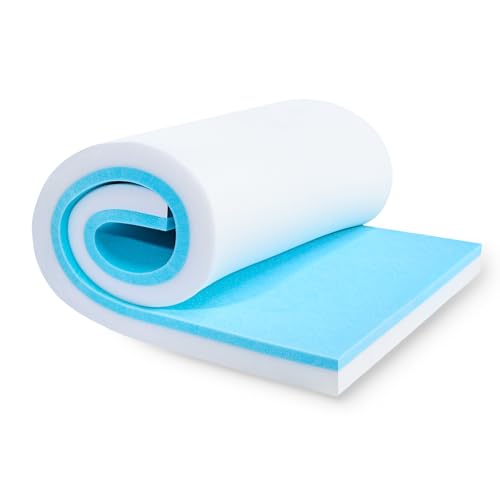
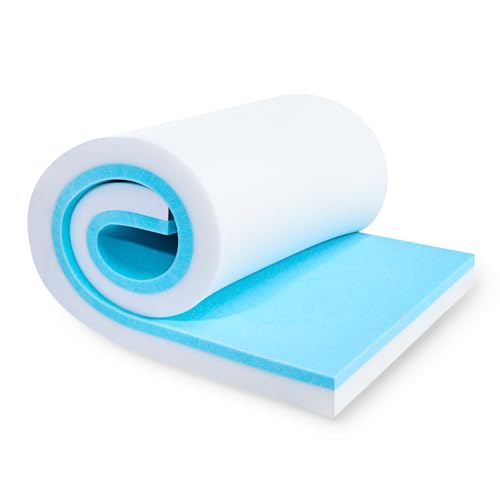
What Is a Memory Foam Pad for Couch?
A memory foam pad for a couch is a layer of viscoelastic polyurethane foam designed to conform to body shape while distributing weight evenly. Unlike standard cushion inserts that push back with uniform firmness, memory foam responds to heat and pressure, softening at contact points and providing contouring support. These pads are available as full-seat toppers, individual cushion inserts, or integrated mattress-style units for sleeper sofas.
The primary appeal is dual-purpose comfort: they relieve pressure on hips and shoulders during extended sitting, and they can compensate for compressed or sagging cushion cores. For households where the sofa doubles as a guest bed, a memory foam couch bed solution delivers the same supportive feel in a fold-out format.
Key Benefits of Memory Foam Pads for Sofas
- Pressure relief: Contours to the body, reducing strain on joints during movie nights or long reading sessions.
- Sagging correction: High-density pads add structural support that levels out worn seat surfaces.
- Motion isolation: Absorbs movement, making shared seating more comfortable for couples and families.
- Durability extension: A protective layer spreads load more evenly across the cushion core, slowing further compression.
- Temperature regulation options: Gel-infused and open-cell variants improve airflow compared with traditional memory foam.
Types of Memory Foam Pads for Couches
1. Seat Toppers
These are the most common format. A seat topper sits on top of the existing cushion or is placed inside the cushion cover. They range from entry-level 1-inch layers for mild softening to 4-inch high-density pads for serious support restoration. Toppers are practical for microfiber couches and fabric sofas where cushion covers can be unzipped.
2. Cushion Inserts & Replacement Cores
When the original foam has collapsed, a full replacement core made of memory foam restores the cushion's shape. This is a more permanent upgrade, ideal for mid-range and premium sofas with removable cushion covers. Pairing inserts with the right material selection for the cover ensures breathability and easy maintenance.
3. Sleeper & Pull-Out Couch Pads
For convertible furniture, a dedicated mattress pad for pull-out couch addresses the notorious bar-in-the-back problem. These pads are cut to the dimensions of the folded mechanism and often use a firmer support layer combined with a softer memory foam comfort layer. If your sofa uses a fold-out mechanism, a memory foam mattress for fold-out couch provides a more integrated solution.
4. Full-Length Bench & Lounger Pads
Long single cushions and lounge couch designs benefit from continuous pads that avoid seams and pressure gaps. These are popular for daybeds and deep-seat loungers where one uninterrupted comfort layer is preferable.
Choosing the Right Thickness and Density
Thickness and density are the two specifications that determine whether a pad feels supportive, soft, or somewhere in between. Use the table below as a general framework for matching pad specifications to your situation.
| Tier | Typical Thickness | Best For | Comfort Profile |
|---|---|---|---|
| Essential tier | 1–2 inches | Mild softening, occasional use | Light contouring, minimal support gain |
| Balanced tier | 2–3 inches | Moderate sagging, daily seating | Balanced cushioning with noticeable support |
| High-end tier | 3–4 inches | Severe sagging, sleeper use | Firm support base with soft top layer |
| Professional-grade | 4+ inches or multi-layer | Heavy use, commercial seating, full replacement | Maximum durability and contouring |
Density matters as much as thickness. Mid-range pads typically use 2.5–3 lb density foam, which balances durability and responsiveness. Premium and luxury tiers often exceed 4 lb density, delivering slower recovery and longer service life. For households with pets or children, a higher-density pad paired with a machine washable couch cover is the most practical combination.
How to Measure Your Couch for a Memory Foam Pad
- Remove the cushion covers and measure the foam core's length, width, and height.
- For seat toppers, measure the visible seating surface including any gaps between cushions if you plan to bridge them.
- For sleeper pads, unfold the mechanism fully and measure the sleeping surface, then allow a 1-inch tolerance on each side.
- Check zipper access — if covers are not removable, choose a topper with a strap or non-slip backing.
- Allow for compression: a 3-inch pad will compress to roughly 2 inches under body weight.
Memory Foam vs. Other Cushion Upgrades
Memory foam is not the only option. Latex offers a bouncier, cooler feel; high-resilience polyfoam is lighter and more responsive; down and fiber fills provide a plush but less supportive experience. Memory foam remains the preferred choice when pressure relief and contouring are the top priorities. For a broader comparison of foam types, see the memory foam mattress guide, which covers density and longevity in detail.
If you are upgrading a pull-out couch, a dedicated mattress for RV pull-out couch may fit better than a generic topper because of the tighter tolerances in RV furniture.
Placement and Installation
Inside the Cushion Cover
Inserting the pad beneath the existing foam core or replacing the core entirely gives the most seamless look. Ensure the combined thickness does not exceed the cover's capacity, or the zipper may strain.
On Top of the Seat
Toppers with non-slip backing or corner straps work well on microfiber sectional couches and leather surfaces. A fitted cover improves appearance and protects the foam.
Sleeper Sofa Integration
For fold-out mechanisms, lay the pad flat on the mattress surface and secure it with a fitted sheet or elastic straps. A memory foam pull-out couch upgrade typically benefits from a medium-firm pad that masks the support bars without feeling overly stiff.
Care and Maintenance
- Rotate regularly: Flip and rotate pads every few months to prevent permanent compression marks.
- Air out: Memory foam can retain odors; air the pad in a shaded, ventilated area periodically.
- Clean covers: Most toppers include removable, washable covers. Follow the care label and avoid high-heat drying.
- Spot clean foam: Use a mild detergent solution and blot, never soak. Allow full air drying before re-covering.
- Protect from moisture: Use a waterproof liner under the pad in high-humidity environments or homes with pets.
For a deeper look at stain treatment on upholstery, the stain removal reference covers fabric-safe techniques.
Common Mistakes to Avoid
- Buying a pad that is too thick for the cushion cover, causing zipper damage and a bulky look.
- Choosing low-density foam for a frequently used couch — it will compress quickly.
- Ignoring temperature sensitivity: traditional memory foam softens in warm rooms and firms up in cool ones.
- Placing a pad directly on leather without a breathable liner, which can trap moisture.
- Using a sleeper pad on a standard seat cushion — the dimensions and firmness profiles differ.
Frequently Asked Questions
What is a memory foam pad for a couch?
A viscoelastic foam layer placed on or inside sofa cushions to improve comfort, support, and durability by contouring to the body and distributing weight evenly.
How do I choose the right thickness?
Use 1–2 inches for mild softening, 2–3 inches for moderate sagging and daily use, and 3–4 inches or multi-layer construction for severe support issues or sleeper applications.
Can a memory foam pad fix a sagging couch?
Yes — a high-density pad adds structural support and levels worn areas. However, if the frame or springs are damaged, the pad should be combined with professional repair.
How do I clean a memory foam pad for a couch?
Remove and machine wash the cover per its care label. Spot clean the foam with mild detergent, blot, and air dry completely before re-covering.
Will a memory foam pad make my couch too hot?
Traditional foam can retain heat. Choose gel-infused, open-cell, or ventilated designs if temperature regulation is a priority.
Final Buying Checklist
- Measure cushion cores and covers before ordering.
- Match pad density to usage frequency and household profile.
- Confirm cover removability and washability.
- For sleeper sofas, verify pad dimensions against the unfolded mechanism.
- Check for CertiPUR-US or equivalent foam certification where available.
- Review return policies before committing to a full replacement core.
A well-chosen memory foam pad is a long-term investment that restores the seating you already own. Use the tier framework above, measure carefully, and pair the pad with appropriate covers and care routines for the best result.