
Microfiber Couch: The Complete Buying & Care Guide
Explore the durability, comfort, and easy-maintenance benefits of microfiber sofas. Learn how this versatile upholstery performs, how to clean it, and how to choose the right microfiber couch for your living room.
What Is a Microfiber Couch?
A microfiber couch is upholstered in a synthetic fabric woven from ultra-fine fibers — typically a blend of polyester and polyamide (nylon). Each fiber is thinner than a human hair, which gives microfiber its famously soft, suede-like hand feel. The tight weave also makes the surface dense and smooth, which is why microfiber couches are often associated with stain resistance and easy upkeep.
Unlike cotton or linen, microfiber is engineered for performance. The fibers are so tightly packed that liquids tend to bead on the surface rather than soak in immediately, giving you time to blot spills before they set. This combination of softness and resilience is why microfiber remains one of the most popular upholstery choices for family living rooms.
If you are still comparing upholstery options, our material selection guide breaks down how microfiber stacks up against leather, velvet, and woven fabrics. You can also explore the broader microfiber couch collection for design inspiration.
Pros and Cons of Microfiber Couches
No upholstery is perfect for every household. Here is an honest look at what microfiber does well and where it may fall short.
✔ Advantages
- Soft, suede-like texture that feels comfortable year-round
- Excellent stain resistance for everyday spills
- Dense weave resists dust mites and allergens
- Durable against everyday wear and tear
- Easy to spot-clean with mild soap and water
- Wide range of colors and finishes
- Generally more forgiving for households with pets and kids
✖ Considerations
- Can attract lint and pet hair if not brushed regularly
- Some finishes feel warm in hot, humid climates
- Certain liquids (oil-based) can be stubborn if left to set
- Lower-tier microfiber may pill over time
- Not all microfiber covers are removable or machine washable
- Texture can flatten with heavy, concentrated use
Overall, the advantages outweigh the drawbacks for most households — especially families who want a comfortable couch that can handle daily life without constant worry.
Types of Microfiber Couches
Microfiber upholstery appears across nearly every couch category. Here are the most common configurations you will encounter:
Standard Microfiber Sofas
The classic three-seater microfiber sofa is a versatile anchor for most living rooms. It pairs well with a variety of coffee tables and accent chairs, and the fabric's neutral tones make it easy to restyle over time.
Microfiber Sectionals
A microfiber sectional couch maximizes seating in open-plan spaces. Sectionals with chaise lounges are especially popular for their relaxed, lounge-worthy feel. If you need adjustable reclining positions, a microfiber sectional reclining couch combines stretch-out comfort with the easy-care benefits of microfiber.
Microfiber Loveseats
For smaller rooms, apartments, or secondary seating areas, a microfiber loveseat offers cozy two-person seating without overwhelming the space. Browse loveseats to compare silhouettes and arm styles.
Sleeper & Pull-Out Microfiber Couches
Microfiber is a smart match for sleeper sofas because the fabric is durable and easy to clean in guest rooms and multi-use spaces. A pull-out microfiber couch gives you a guest bed without sacrificing everyday seating.
Reclining Microfiber Couches
Reclining couches benefit from microfiber's low-maintenance surface, especially in households where snacks and drinks make their way to the couch. The fabric handles frequent contact well and cleans up easily.
Comfort & Durability: What to Expect
Microfiber couches generally deliver a soft, slightly warm feel that many people describe as plush or velvety. The fabric has a subtle nap, meaning it feels different depending on the direction you brush it — a characteristic that also affects how light reflects off the surface.
Durability varies by tier. Entry-level microfiber couches may use thinner fabric with a lower rub count, while mid-range and premium microfiber couches use denser weaves and reinforced stitching that hold up longer under daily use. Here is a simple way to think about the tiers:
| Tier | Typical Characteristics | Best For |
|---|---|---|
| Entry-level | Lighter fabric weight, simpler frame construction, basic cushion foam | Light-use rooms, guest spaces, first apartments |
| Mid-range | Denser weave, better cushion support, reinforced frame joints | Everyday family living rooms |
| Premium | High-density foam, kiln-dried hardwood frame, tighter upholstery work | High-traffic homes, long-term investment |
| Luxury | Top-tier microfiber blends, hand-finished details, superior cushioning | Design-focused spaces, premium comfort seekers |
Cleaning & Maintaining a Microfiber Couch
One of the biggest reasons people choose microfiber is its cleanability. That said, the right technique matters. Here is a practical maintenance routine:
Routine Care
- Vacuum weekly using an upholstery attachment to lift dust and pet hair from the nap.
- Brush the nap with a soft-bristled brush to keep the fabric looking even and fresh.
- Rotate and fluff cushions regularly to distribute wear evenly.
- Keep out of direct sunlight to slow fading over time.
Spot Cleaning Spills
- Blot — do not rub — spills immediately with a clean, dry cloth.
- For water-based spills, a mild soap-and-water solution usually works well.
- For oil-based stains, a small amount of rubbing alcohol on a cloth can help lift the residue. Test on a hidden area first.
- Always blot dry and allow the area to air dry fully before using the couch.
Deep Cleaning
If your microfiber couch has removable cushion covers, check the manufacturer's care label before washing. Some covers are machine washable on a gentle cycle; others require professional cleaning. For fixed upholstery, a professional upholstery cleaner is the safest route for a thorough refresh.
For a broader routine, our fabric cleaning guide covers techniques that work across microfiber and similar synthetic upholsteries. If you want to protect the couch between cleanings, consider a quality microfiber couch cover — it adds a layer of defense and can be swapped out for a fresh look.
Microfiber Couches for Pet Owners and Families with Kids
Microfiber is frequently recommended for homes with pets and children — and for good reason. The tight weave resists liquids long enough to blot spills, and the fabric does not snag as easily as looser weaves. Claw marks are less likely to pull threads compared with linen or loosely woven fabrics.
That said, pet hair can cling to the nap, so regular vacuuming is essential. A rubber glove or a damp cloth can help lift stubborn hair. For households with cats, keeping nails trimmed reduces the chance of snags.
If you are furnishing a family room, you may also want to explore pet-friendly living ideas and tips for families with kids to round out your setup.
Microfiber Couch Buying Checklist
Before you commit, run through these questions to make sure the couch fits your space and lifestyle:
- Measure your space. Confirm the couch fits your room and doorways. Our measurement guide walks through the essentials.
- Decide on configuration. Standard sofa, sectional, loveseat, or sleeper — match the shape to your room layout.
- Check the fabric weight. Denser microfiber generally holds up better over time.
- Inspect the frame. Kiln-dried hardwood frames typically outlast particle board.
- Test cushion support. High-density foam maintains shape longer than low-density foam.
- Confirm care requirements. Removable covers make deep cleaning easier.
- Consider color. Neutral tones hide wear and adapt to changing decor; darker tones hide stains.
- Review the return policy. Know the return window and any restocking terms before ordering.
Styling Your Microfiber Couch
Microfiber's soft texture and often-neutral palette make it a flexible base for styling. A few ideas to bring the look together:
- Add texture with throw pillows. Mix a smooth pillow with a woven or velvet accent to add dimension. See our throw pillows guide for arrangement tips.
- Layer a throw blanket. A folded blanket adds warmth and breaks up the visual mass of a large sofa.
- Anchor with a rug. An area rug defines the seating zone and adds color contrast.
- Pair with the right coffee table. A coffee table that complements the sofa's tone keeps the room cohesive.
- Add lighting. A floor lamp beside the couch softens the room and highlights the fabric's texture.
For a full room plan, browse our couch decor and styling section.
Frequently Asked Questions
Is microfiber a good choice for a couch?
Yes, for most households. Microfiber is durable, soft, and resistant to everyday stains. It is especially well-suited to family rooms, pet-friendly homes, and anyone who wants low-maintenance upholstery. The main trade-offs are that it can attract lint and may feel warm in hot climates.
How do you clean a microfiber couch?
Vacuum weekly with an upholstery attachment, blot spills immediately, and use a mild soap-and-water solution for water-based stains. For oil-based stains, a small amount of rubbing alcohol on a cloth can help. Always test any cleaning method on a hidden area first.
Is microfiber good for pets?
Microfiber is generally a smart pick for pet owners because the tight weave resists snags and liquids. Pet hair can cling to the nap, so regular vacuuming and brushing are important. Keeping pet nails trimmed also helps prevent snags.
Does microfiber couch fabric pill?
Lower-tier microfiber may pill over time with heavy use. Mid-range and premium microfiber generally resist pilling better due to denser weaving and higher-quality fibers. Checking the fabric weight and brand reputation before buying helps avoid this issue.
How long does a microfiber couch last?
A well-made microfiber couch with a solid hardwood frame and high-density foam can last many years with proper care. Entry-level models may show wear sooner. Regular vacuuming, rotating cushions, and prompt spill cleanup all extend the couch's lifespan.
Can you steam clean a microfiber couch?
Steam cleaning can be effective for microfiber, but check the manufacturer's care instructions first. Some microfiber finishes respond well to low-moisture steam, while others may be sensitive to excess heat and moisture. When in doubt, use a professional upholstery cleaner.
Recommended Microfiber Couches
⚠️ AFFILIATE DISCLOSURE: This website contains affiliate links. As an affiliate Associate, we earn from qualifying purchases. If you make a purchase through these links, we may receive a small commission at no additional cost to you. Read our full affiliate policy.

Studio Living Harrington 80.3" Sofa, Transitional Modern, Pocket Coil Comfort, Easy Assembly, Microfiber Fabric, Black
Check price on Amazon
Naomi Home Raelynn Button Tufted Sofa - Affordable Black Modern Microfiber Couch for Small Spaces, Durable and Sturdy Sofa Cama para Sala Modernos Baratos with Tool-Free Assembly.
Check price on Amazon
Studio Living Harrington 80.3" Sofa, Transitional Modern, Pocket Coil Comfort, Easy Assembly, Microfiber Fabric, Brown
Check price on Amazon
96-Inch L-Shaped Left Facing Cloud Sectional Couch Compressed Modular Corner Boneless Sectional Sofa W/Chaise Lounge, Plush Corduroy Boneless Cloud Sofa for Living Room
Check price on Amazon
EBELLO Manual Recliner Sofa Set, Microfiber Reclining Couch Furniture Set for Living Room, Includes 1 Recliner Chair, 1 Loveseat Sofa and 1 3-Seater Reclining Couch, Brown
Check price on Amazon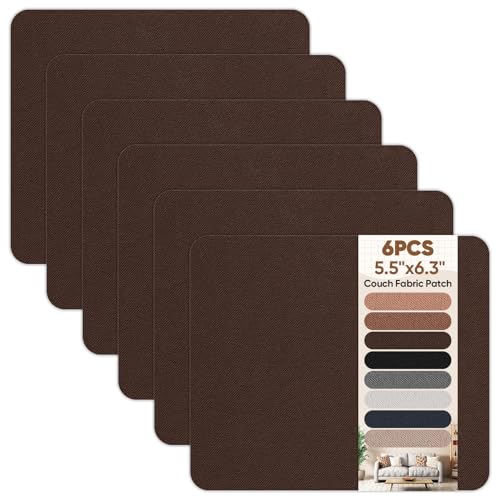
TYJLII Couch Patch Repair Fabric,6-Piece Self-Adhesive Microfiber Patches,Quick Fix Sofa Chair Car Seat,Furniture,Upholstery Repair Kit. (Dark Brown)
Check price on Amazon
TYJLII Couch Patch Repair Fabric,6-Piece Self-Adhesive Microfiber Patches,Quick Fix Sofa Chair Car Seat,Furniture,Upholstery Repair Kit. (Grey)
Check price on AmazonDisclaimer
The information provided on CouchFocus is for educational and informational purposes only. We are not professional interior designers or contractors, and our content should not replace professional advice. Always consult with a qualified expert regarding structural, safety, or design-related concerns. Some content may use AI assistance. Always check product warranties and safety standards before purchasing. If you do not agree, please do not use this website. Read the full disclaimer.