




What Is a Microfiber Couch Cover?
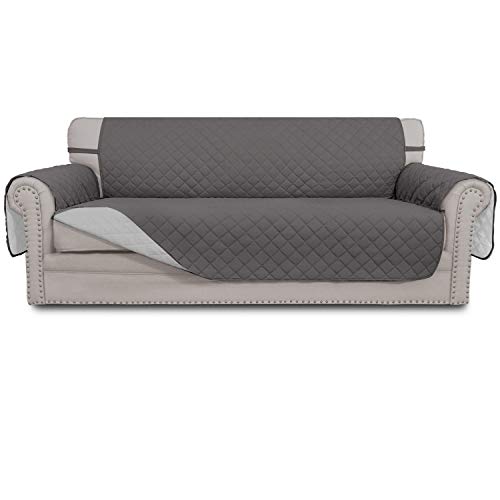
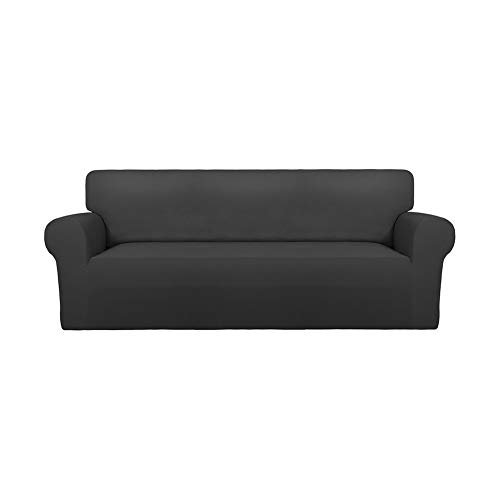
A microfiber couch cover is a removable fabric layer made from ultrafine synthetic fibers — typically a blend of polyester and polyamide — woven so tightly that the surface feels soft, suede-like, and slightly resistant to everyday spills. Unlike a full reupholstery job, a cover slips over your existing sofa to protect the original fabric, refresh its appearance, or improve comfort without replacing the furniture.
Microfiber covers come in two broad forms: fitted slipcovers that stretch over the frame and tuck into the seat gaps, and draped covers that rest on top of the sofa and rely on straps or anti-slip backing. Fitted covers tend to look more tailored; draped covers are generally easier to install and remove. Both types are widely available in stretch and non-stretch variants.
Because the fabric is densely woven, microfiber behaves differently from cotton or linen covers. It resists pilling better than loose knits, holds color well after repeated washing, and tends to feel warmer in cool rooms. That same density means it can attract lint and pet hair more visibly on darker shades, which is worth factoring into your color choice.
Microfiber vs. Other Cover Fabrics
Before committing, it helps to understand where microfiber sits relative to common alternatives:
| Fabric | Best For | Considerations |
|---|---|---|
| Microfiber | Everyday protection, pet households, soft hand-feel | Can attract lint; warmth retention is higher than cotton |
| Cotton / Cotton blend | Breathability, casual relaxed look | Prone to wrinkling and shrinking if washed hot |
| Polyester knit (stretch) | Snug fit on irregular sofa shapes | May pill over time with heavy friction |
| Velvet / Velour | Statement styling, luxurious texture | Requires more careful cleaning; shows pressure marks |
| Linen | Airy, textured, natural look | Less forgiving with stains; wrinkles easily |
If you are still comparing upholstery directions rather than covers specifically, our material selection guide walks through the trade-offs in more detail. If your sofa itself is microfiber, our microfiber couch overview explains how the base fabric behaves and what to expect from a cover on top of it.
The Five Buying Factors That Matter Most
Most disappointing couch cover purchases trace back to one of five factors. Working through them in order will save you a return and a re-measurement.
1. Fit and Sizing
Sizing is the single most important decision. Couch covers are usually sold by sofa type (loveseat, standard sofa, sectional) or by a measurement range. A cover that is too small will strain at the seams and pull away from the cushions; one that is too large will bunch and slide. Measure three dimensions before you shop:
- Seat width: from the inside of one arm to the inside of the other.
- Back height: from the seat surface to the top of the backrest.
- Arm-to-arm length: the full outer width of the sofa.
For sectionals and L-shaped sofas, confirm whether the cover is sold as a single piece or as modular components — a one-piece cover rarely fits an L-shaped frame cleanly. If your sofa is a sectional, our microfiber sectional couch guide and reclining sectional notes cover the sizing nuances in more detail.
2. Fabric Construction and Weight
Not all microfiber covers are built to the same standard. Heavier, denser weaves generally drape better and resist abrasion longer, while lighter weaves feel cooler but can wear faster in high-traffic seating. Look for reinforced seams at stress points, elasticized corners, and anti-slip backing if the cover will sit on a smooth or leather-like surface. For a related comparison of base fabrics, see our microfiber couch material notes.
3. Stretch vs. Non-Stretch
Stretch microfiber covers conform to rounded arms, T-cushions, and pillow-back sofas, which makes them forgiving on irregular shapes. Non-stretch covers hold a crisper tailored line but depend heavily on accurate measurements and tuck-in flaps. If your sofa has a distinctive silhouette — rolled arms, a high back, or a chaise — a stretch cover is usually the safer fit.
4. Care and Washability
Most microfiber covers are machine-washable, but the details matter: wash on a gentle cycle with mild detergent, skip fabric softener (it coats the fibers and reduces their softness over time), and avoid high-heat drying. Air-drying or a low tumble preserves the suede-like hand-feel. If your household includes pets or young children, prioritize covers explicitly labeled machine-washable with removable cushion panels — it makes spot cleaning far easier.
5. Color, Texture, and Styling
Microfiber takes dye well, so the range of shades is broad. Lighter neutrals hide lint but show stains; darker tones hide stains but show pet hair and dust. Mid-tone greys, greige, and muted greens tend to be the most forgiving in daily use. If you plan to layer throws and pillows, our throw pillow guide and lumbar pillow notes show how to build a coordinated look on top of the cover.
Quality Tiers: How to Read the Market
Couch covers are not usually marketed with formal quality tiers, but the category divides fairly cleanly into three bands. Use these descriptors to compare options consistently, regardless of the retailer:
Essential Tier
Basic stretch or draped covers with lighter fabric weight, minimal anti-slip features, and simpler construction. Best for short-term protection, guest rooms, or low-traffic sofas.
Balanced Tier
Denser microfiber, reinforced seams, elasticized corners, and often a non-slip backing. A solid choice for main living rooms and households with moderate daily use.
Top-Tier
Heavier fabric weight, tailored tailoring, foam tuck-in flaps, and detailed care instructions. Designed for long-term use, high-traffic seating, and households with pets or children.
A mid-range cover from a well-specified brand often outperforms a higher-tier cover that was measured poorly — fit and care still matter more than the tier label. When comparing options, check the fabric weight, seam construction, and wash instructions side by side rather than relying on tier alone. For a broader look at how microfiber sofas are positioned in the market, the microfiber couch overview is a useful companion read.
How to Measure Your Sofa for a Cover
Accuracy beats speed here. Use a soft tape measure and record each figure twice — once on the sofa as it sits, and once after pressing the cushions down, since covers add a small amount of bulk.
- Seat width: measure from the inside of the left arm to the inside of the right arm at the widest point.
- Back height: measure from the seat surface straight up to the top of the backrest.
- Outer width: measure across the front from the outer edge of one arm to the outer edge of the other.
- Cushion count: count seat and back cushions; this determines whether you need a one-piece or multi-panel cover.
- Arm shape: note whether the arms are rolled, square, or track — stretch covers handle rounded arms better than non-stretch ones.
If your sofa is a loveseat, the same process applies at a smaller scale; our loveseat guide and love seat couch notes cover the two-seat variant in more detail. For larger frames, the long single couch and long outdoor couch pages are relevant only if you are comparing indoor and outdoor cover needs — microfiber covers themselves are intended for indoor upholstery.
Installation and Daily Use Tips
A well-fitted cover still needs a little technique to look tailored:
- Tuck first, smooth second: push the cover into the seat crease and behind the back cushions before smoothing the surface.
- Use the tuck-in flaps: foam or fabric flaps hold the cover in place far better than elastic alone.
- Let the cover settle: microfiber relaxes slightly after a day or two; minor wrinkles often disappear on their own.
- Rotate cushions: if your cover has removable cushion panels, rotate them periodically to even out wear.
For households with pets, keep a lint roller nearby and choose a cover with a tight weave; the same qualities that make microfiber durable also make it relatively resistant to snags from claws. Our machine-washable couch guide covers related care routines if you are deciding between a washable cover and a washable sofa.
Care and Cleaning Routine
Microfiber covers are low-maintenance but not maintenance-free. A simple routine keeps the fabric looking even:
- Weekly: vacuum with an upholstery attachment on low suction to lift dust and pet hair.
- Monthly: spot-clean high-touch areas (arms, seat front) with a damp cloth and mild soap.
- Seasonally: machine-wash on a gentle cycle, air-dry, and re-fit while slightly damp for a smoother finish.
Avoid bleach, harsh solvents, and high-heat drying, all of which can flatten the microfiber texture. If you are comparing this routine with care advice for an uncovered microfiber sofa, our microfiber couch care notes cover the underlying fabric behavior.
Pre-Purchase Checklist
- Seat width, back height, and arm-to-arm length recorded
- Cushion count and arm shape noted
- Fabric weight and seam construction compared across options
- Machine-washable and removable panels confirmed
- Color chosen with pet hair and lint visibility in mind
- Anti-slip backing or tuck-in flaps present
- Return policy reviewed before ordering
Matching a Cover to Your Existing Sofa
If your sofa is already microfiber, a microfiber cover is the closest match in texture and drape — and it avoids the contrast you would get from a cotton or linen cover. If your sofa is leather or a smooth woven fabric, a microfiber cover with anti-slip backing is a practical choice because it grips better than looser fabrics. For styled living rooms, a neutral cover paired with layered pillows and a throw is the simplest way to refresh the look without changing the furniture; our throw pillow guide and lumbar pillow notes are good starting points for that styling layer.
For rooms where the sofa is the centerpiece, our luxury living room couch page discusses how covers and styling choices interact with higher-end seating. And if you are also reconsidering the sofa itself, the microfiber sectional and reclining microfiber sectional guides show how cover-friendly designs differ from fixed-frame sofas.
Frequently Asked Questions
Will a microfiber cover fit a sofa with T-cushions?
Stretch microfiber covers generally handle T-cushions better than non-stretch covers because they conform to the cushion shape. Look for covers with separate cushion panels or a tuck-in flap for a cleaner line.
Do microfiber covers attract pet hair?
They can, especially in darker shades. A tightly woven cover in a mid-tone neutral is the most forgiving choice, and a lint roller plus weekly vacuuming keeps the surface clean.
Can I put a microfiber cover on a leather sofa?
Yes, but choose a cover with anti-slip backing. Leather's smooth surface lets looser covers slide, so a fitted stretch cover with elastic corners performs better than a draped cover.
How often should a microfiber cover be washed?
Spot-clean monthly and machine-wash seasonally, or more often in households with pets or children. Gentle cycles and air-drying preserve the fabric's soft texture.
Is microfiber suitable for a sectional?
Yes, provided the cover is designed for sectional frames. One-piece covers rarely fit L-shaped sofas well; modular or multi-panel covers are the better option. Our microfiber sectional couch guide covers the sizing details.
Final Buying Advice
Microfiber couch covers are a practical, low-disruption way to protect a sofa, refresh a room, or make an existing couch more comfortable. The decision comes down to four things: accurate measurements, the right stretch versus non-stretch construction, a fabric weight that matches your traffic level, and a care routine you will actually follow. Get those right and the cover will look tailored and last through daily use.
Use the checklist above, compare options on construction and care rather than tier labels alone, and check availability at the retailer you trust. If you want to explore related sofa and cover topics before deciding, the microfiber couch overview, reclining microfiber sectional notes, and machine-washable couch guide are the most relevant next reads.