
Natural Cleaners for Couches & Sofas
Discover how plant-based, enzyme, and DIY natural cleaners lift stains, neutralize odors, and refresh upholstery without harsh chemical residue. A practical guide for every fabric type and household.
EXPLORE NATURAL CLEANERSWhy natural cleaners matter: Your couch is one of the most-used surfaces in the home. Conventional upholstery cleaners can leave behind synthetic residue, strong fumes, and skin irritants. Natural cleaners offer a gentler path to a fresh, hygienic couch — especially important in homes with children, pets, or allergy-sensitive occupants.
What Are Natural Upholstery Cleaners?
Natural cleaners are formulations built around plant-derived surfactants, enzymes, minerals, and food-grade acids instead of petrochemical solvents. They clean by breaking down oils, proteins, and particulate soil at the surface level, then lift residue away with water or a gentle cloth. Unlike traditional chemical spot removers, natural cleaners are designed to biodegrade after use and typically produce minimal volatile organic compounds indoors.
For couch owners, this matters because upholstery sits in close contact with skin for hours every day. A cleaner that leaves a chemical film on the fabric is a cleaner that eventually transfers to clothing, hands, and pets. Natural formulations prioritize rinsability and low residue, which aligns well with routine maintenance. If you want to understand how cleaning fits into the broader care picture, our upholstery care guide covers fabric protection, conditioning, and long-term maintenance rhythms.
Main Types of Natural Cleaners for Couches
Not every natural cleaner works the same way. The right choice depends on the stain type, fabric code, and how deep the soil has settled. Below are the core categories you will encounter when shopping or mixing your own solution.
Plant-Based Surfactant Cleaners
Built on coconut, corn, or palm-derived surfactants, these cleaners lift everyday grime, body oils, and food residue. They are the most versatile category and work well on cotton blends, microfiber, and most synthetic upholstery.
Enzyme Cleaners
Enzyme formulas target proteins and organic matter — the backbone of pet accidents, milk spills, and food stains. They digest the stain at a molecular level rather than just masking it, making them the preferred category for odor elimination.
DIY Vinegar & Castile Solutions
A simple blend of white vinegar, water, and mild castile soap handles light stains and surface refresh. Baking soda works as a dry pre-treatment for odors. These solutions are the most economical entry point into natural cleaning.
Mineral & Citrus-Based Degreasers
Citric acid and mineral-based cleaners cut through oily residue and sticky spills. They are useful for kitchen-adjacent couches and households where food is frequently eaten on the sofa, but require careful dilution on delicate fabrics.
pH-Neutral Botanical Concentrates
Concentrated botanical formulas balanced to a neutral pH are the safest option for delicate weaves, wool blends, and performance fabrics. They clean without altering fabric dyes or fiber structure when diluted correctly.
Professional-Grade Natural Systems
Multi-step natural cleaning systems used by upholstery professionals combine a pre-spray, agitation, and extraction rinse. They deliver the deepest clean for high-traffic couches and are often paired with fabric protection treatments afterward.
How to Choose the Right Natural Cleaner
Start with the upholstery code tag, usually located under the seat cushions or behind the back panel. The letter code tells you which cleaning methods are safe: W (water-based), S (solvent-based only), WS (both), and X (vacuum only). Natural cleaners are predominantly water-based, so they are appropriate for W and WS codes. For S-coded fabrics, use a dry natural method such as baking soda absorption or a solvent-free botanical dry shampoo.
Next, identify the stain type. Protein stains (pet accidents, dairy, blood) need enzyme action. Oil-based stains (butter, lotion, cooking splatter) respond better to surfactant or citrus-based degreasers. Tannin stains (coffee, tea, wine) benefit from a diluted vinegar solution. Matching the cleaner to the stain type is more effective than using a single general-purpose formula for everything.
Finally, consider the fabric construction. Tight weaves tolerate gentle agitation and damp cloths. Loose weaves, velvet, and chenille require low-moisture methods and a soft brush. Before applying any cleaner to a visible area, perform a spot test on the back or underside of the couch and let it dry fully to check for color change or fiber distortion. Accurate measuring helps you avoid over-wetting; our measurement tips explain how to gauge cushion dimensions and fabric panels when planning a cleaning session.
Natural Cleaner Comparison by Tier
Use the table below to compare cleaner categories by their market position, best-use case, and fabric compatibility. No numeric figures are used — tiers reflect relative positioning within the natural cleaning category.
| Cleaner Category | Tier | Best For | Fabric Compatibility | Residue Level |
|---|---|---|---|---|
| Plant-Based Surfactant | Essential tier | Everyday grime, body oils | Cotton blends, microfiber, synthetics | Low |
| Enzyme Formula | Balanced tier | Pet accidents, protein stains, odors | Most washable fabrics (W / WS) | Very low |
| DIY Vinegar & Castile | Starter tier | Light stains, surface refresh | Durable weaves, spot testing required | Minimal when rinsed |
| Mineral & Citrus Degreaser | Mid-tier | Oil-based and sticky spills | Oil-resistant synthetics, performance fabric | Low |
| pH-Neutral Botanical Concentrate | Top-tier | Delicate weaves, wool blends | Delicate and premium upholstery | Ultra low |
| Professional Natural System | High-end tier | Deep cleaning, high-traffic couches | Broadest compatibility when diluted | Controlled extraction |
Step-by-Step: Cleaning a Couch with Natural Cleaners
A structured approach prevents over-wetting, reduces drying time, and protects the cushion filling. Follow these steps for routine cleaning or a targeted stain treatment.
- Vacuum first. Remove loose crumbs, pet hair, and dust from seams and crevices with a brush attachment. Dry soil removed before wet cleaning prevents mud-like residue from forming.
- Check the tag and spot test. Confirm the upholstery code and test your chosen natural cleaner on a hidden area. Wait for it to dry completely before proceeding.
- Pre-treat stains. Apply the appropriate natural cleaner — enzyme for proteins, vinegar solution for tannins, citrus degreaser for oils. Let it dwell for the time recommended on the label, usually a few minutes.
- Agitate gently. Use a soft-bristle brush or microfiber cloth in light circular motions. Avoid scrubbing hard, which can distort fibers and create fuzzing.
- Rinse and blot. Dampen a clean cloth with plain water and blot away cleaner residue. Repeat until no suds transfer to the cloth. For enzyme cleaners, a thorough rinse prevents sticky residue.
- Dry with airflow. Use a fan or open windows to speed drying. Avoid direct sunlight on damp fabric, which can cause water rings. Cushions should be dried on edge and flipped halfway through.
- Deodorize and protect. Once dry, sprinkle baking soda to absorb lingering odors, vacuum after a few hours, and consider a fabric protector to simplify future cleaning.
For households managing pet accidents, combine enzyme cleaning with a routine odor-control schedule. Our pet stain removal guide goes deeper into urine neutralization and sub-surface saturation issues, while odor elimination covers persistent smells that return after surface cleaning.
Safe DIY Natural Cleaner Recipes
These three recipes cover the majority of household couch cleaning needs. Always mix in small batches and use within a few days, since natural solutions lack synthetic preservatives.
Vinegar & Castile Spray
Combine one cup of water, one cup of white vinegar, and a few drops of unscented castile soap in a spray bottle. Shake gently before use. Suitable for light stains on W and WS fabrics. Rinse thoroughly after application.
Baking Soda Dry Treatment
Sprinkle a generous layer of baking soda over the entire couch surface. Let it sit for several hours or overnight, then vacuum thoroughly. This dry method is safe for all fabric codes, including S-coded upholstery.
Citrus Degreaser Blend
Dilute a small amount of citrus-based natural degreaser in water according to label guidance. Apply to oily stains with a microfiber cloth, agitate lightly, and rinse with a clean damp cloth. Test on dark fabrics first.
Recommended Natural Cleaners for Couches & Sofas
⚠️ AFFILIATE DISCLOSURE: This website contains affiliate links. As an affiliate Associate, we earn from qualifying purchases. If you make a purchase through these links, we may receive a small commission at no additional cost to you. Read our full affiliate policy.
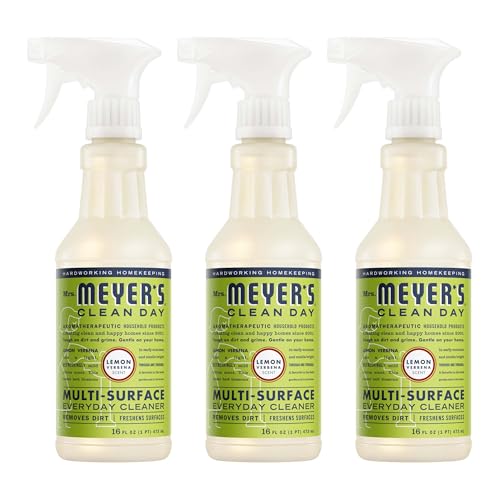
MRS. MEYER'S CLEAN DAY Cleaner Spray, Lemon Verbena, 16 fl oz, 3 Pack | Removes Dirt and Freshens Surfaces, Multi-Surface, Everyday Use, All-Purpose Cleaner, Cruelty Free, Made with Essential Oils
Check price on Amazon
Seventh Generation, All Purpose Cleaner, Lemon Chamomile scent, 23 oz | Cut Grease with a Safer Clean; Tough on Grease; Powerful Clean. Safer for your Family; Lemon Chamomile scent; 23 oz
Check price on Amazon
Seventh Generation, All Purpose Cleaner, Free & Clear, 23 oz, Pack of 4 | Cut Grease with a Safer Clean; Tough on Grease; Powerful Clean. Safer for your Family; Free & Clear; 23 oz; Pack of 4
Check price on Amazon
method All-Purpose Cleaner Spray, French Lavender, 28 fl oz | Cuts Grease & Grime on Counters, Glass, Sealed Wood & Floors, for Kitchen & Bathroom, Controlled Mist, Streak Free
Check price on Amazon
MRS. MEYER'S CLEAN DAY Multi-Surface Cleaner, Apple Cider, 16 fl oz | Removes Dirt and Freshens Surfaces, Everyday Use, All-Purpose Cleaner, Cruelty Free, Made with Essential Oils
Check price on Amazon
MRS. MEYER'S CLEAN DAY Multi-Surface Cleaner, Lemon Verbena, 16 fl oz | Removes Dirt and Freshens Surfaces, Everyday Use, All-Purpose Cleaner, Cruelty Free, Made with Essential Oils
Check price on Amazon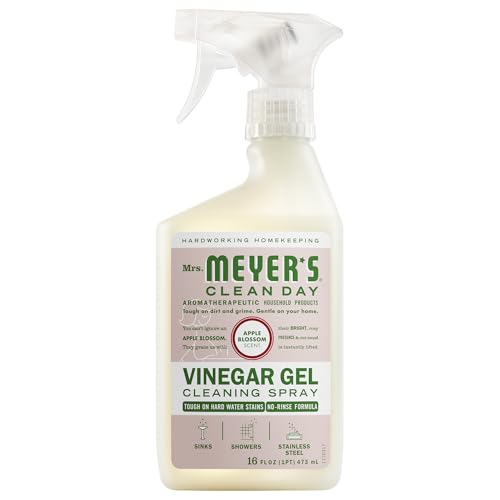
MRS. MEYER'S CLEAN DAY Vinegar Gel Cleaning Spray, Apple Blossom, 16 fl oz | Breaks Down Grime, Lifts Dirt from Surfaces, Bathroom Use, No-Rinse Formula
Check price on Amazon
Seventh Generation Disinfecting Multi-Surface Cleaner, 26 oz, 4-Pack | Disinfecting multi-surface cleaner with Lemongrass Citrus scent; 26 oz bottles, pack of 4 for everyday cleaning.
Check price on AmazonWhich Natural Cleaner Fits Your Household?
The right choice depends on your priorities. If pets are the main concern, prioritize enzyme-based formulas with fragrance-free profiles. If you have young children who eat on the couch, a pH-neutral botanical concentrate combined with a weekly baking soda treatment keeps the surface hygienic without harsh residue. If your goal is long-term fabric preservation, invest in a top-tier pH-neutral concentrate and pair it with a fabric protector to reduce the frequency of deep cleaning.
Households that frequently rearrange furniture should also factor in mobility. Cleaning under and around a heavy sectional is easier when the couch can be shifted; products like under-couch blockers and moving checklists help protect floors and simplify access during a deep clean. If your couch doubles as a guest bed, natural cleaning is especially valuable for the sleeping surface — fewer chemical residues mean a fresher sleeping environment for visitors.
Building a Natural Cleaning Routine
A consistent rhythm prevents stains from setting and keeps the fabric from accumulating body oils that attract dust. Vacuum weekly, spot-clean spills within minutes, and schedule a full natural cleaner treatment every two to three months. In households with pets or children, monthly deep cleaning with an enzyme formula is reasonable. After each deep clean, allow 24 hours of airflow before replacing cushions, and consider applying a fabric protector while the upholstery is fully dry.
If you use a leather couch, natural cleaning rules differ — leather benefits from pH-balanced leather cleaners and conditioning rather than water-based surfactants. Our leather cleaning guide covers the correct approach, while fabric cleaning and velvet cleaning detail material-specific methods for the most common upholstery types.
Frequently Asked Questions
Are natural cleaners safe for all couch fabrics?
Not universally. Plant-based and enzyme cleaners are generally safe on most synthetic and cotton blends, but delicate fabrics like velvet, silk, and some wool blends require pH-neutral formulas and spot testing. Always check the upholstery code tag and test on a hidden area before full application.
What is the best natural cleaner for pet stains on a couch?
Enzyme-based natural cleaners are the most effective for pet accidents because they break down proteins and uric acid at the source. Look for plant-derived enzyme formulas that are fragrance-free, and pair them with a baking soda and vinegar pre-treatment for deeper odor removal.
Can I make a natural couch cleaner at home?
Yes. A simple DIY solution combines equal parts white vinegar and water with a few drops of mild castile soap. For odors, baking soda is an effective dry absorbent. For grease, a diluted castile soap solution works well. Always spot test first and avoid over-wetting the cushion filling.
How often should I clean my couch with natural cleaners?
Vacuum weekly, spot-clean spills immediately, and perform a full natural cleaner treatment every two to three months for high-traffic households. For pet owners or families with young children, monthly deep cleaning with an enzyme formula is a reasonable maintenance rhythm.
Do natural cleaners work as well as synthetic chemical cleaners?
For routine maintenance and most common stains, natural cleaners perform comparably to synthetic options. For severe, set-in stains or industrial-grade sanitization, some synthetic formulas may act faster, but top-tier natural enzyme cleaners now close much of that gap while remaining safer for indoor air quality and sensitive skin.