


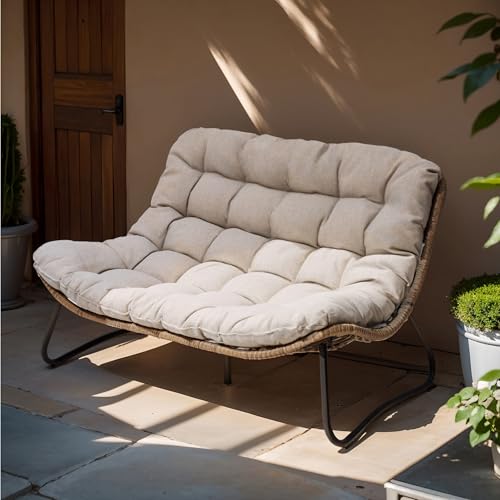


What Is a Rattan Couch?
A rattan couch is a seating piece built with a frame and woven surface made from rattan — a climbing palm native to tropical regions of Asia and Africa. The material is valued for its flexibility, strength-to-weight ratio, and naturally warm appearance. Rattan furniture is often confused with wicker, but the two terms describe different things: rattan is the raw material, while wicker refers to the weaving technique used to shape it into furniture.
Modern rattan couches fall into two broad families. Natural rattan is harvested, treated, and hand-woven, giving each piece a subtle organic variation. Synthetic rattan — frequently marketed as all-weather wicker or PE rattan — is extruded from high-density polyethylene and woven over a metal frame, delivering consistent color and improved resistance to moisture and UV exposure. Both can look beautiful, but they suit different environments and maintenance routines.
Natural Rattan vs. Synthetic Rattan
Choosing between the two comes down to where the couch will live and how much upkeep you are comfortable with. Natural rattan suits climate-controlled interiors and covered porches. Synthetic rattan is the safer bet for uncovered patios, poolside arrangements, and sun-drenched rooms where UV fading is a real concern.
| Feature | Natural Rattan | Synthetic Rattan |
|---|---|---|
| Appearance | Warm, organic, slight natural variation | Uniform color, smoother finish |
| Weather Resistance | Moderate — best in covered areas | High — UV-resistant and water-resistant coatings |
| Weight | Lightweight and easy to rearrange | Heavier due to metal frame and dense weave |
| Maintenance | Occasional oiling to prevent drying | Mild soap and water wipe-down |
| Best Placement | Living rooms, sunrooms, covered porches | Patios, poolside, open-air lounges |
Frame Construction: The Foundation of a Good Rattan Couch
The weave is what you see, but the frame is what determines how the couch holds up. A rattan couch frame is typically built from one of three materials, and each has trade-offs worth understanding before you commit.
Aluminum Frames
Aluminum is the preferred frame material for synthetic rattan couches, especially outdoor models. It is lightweight, naturally rust-resistant, and does not warp when exposed to humidity. Look for powder-coated aluminum, which adds a layer of protection against scratches and corrosion. An aluminum frame paired with a tight synthetic weave represents the most weather-durable combination in the category.
Steel Frames
Steel frames offer excellent rigidity and are common in mid-range synthetic rattan couches. The critical detail is the finish: galvanized or powder-coated steel resists rust far better than untreated steel. If you are considering a steel-framed rattan couch for a covered outdoor space, verify that the frame is protected and that any welded joints are sealed.
Natural Rattan Frames
Higher-end natural rattan couches use thick rattan poles for the structural frame, bound and reinforced at the joints. These pieces are remarkably strong for their weight but are more sensitive to moisture and dramatic humidity swings. A natural rattan frame is a great fit for a climate-controlled living room but a poor choice for an open patio.
Weave Types and Quality Indicators
The weave pattern affects both the visual character and the structural integrity of a rattan couch. Several common patterns appear across the market, and each produces a distinct look.
- Open weave: A breathable pattern with visible gaps, ideal for warm climates and airy sunrooms. It shows more of the frame underneath, so frame quality matters more.
- Tight weave: Dense, close-set strands that create a smoother surface and greater structural support. Common in synthetic outdoor pieces.
- Herringbone and diamond patterns: Decorative weaves that add visual interest and often indicate a higher level of craftsmanship.
- Flat and round core strands: Synthetic rattan comes in flat and round profiles; round core strands tend to feel more substantial and resist flattening over time.
When evaluating weave quality, run your hand along the surface and check for consistency. Loose strands, visible gaps at the corners, and uneven tension are warning signs. On synthetic pieces, confirm that the weave is tightly secured to the frame with no exposed sharp ends.
Comfort and Cushion Pairing
A rattan couch is a hard-surface seat by design, so the cushion system carries most of the comfort burden. Most rattan couches are sold with seat and back cushions, but quality varies widely. Pay attention to these details:
- Foam density: Higher-density foam holds its shape longer and resists sagging. Mid-range and premium rattan couches typically use denser cores than entry-level models.
- Removable covers: Cushions with zippered, washable covers are far easier to maintain, especially in households with pets or children.
- Outdoor-rated fabrics: For patio setups, choose solution-dyed acrylic or performance fabrics that resist fading, mildew, and water absorption.
- Quick-dry foam: Essential for outdoor rattan couches — standard foam traps water and can develop odors over time.
- Cushion thickness: Thicker seat cushions (typically four to six inches) provide better support on the firm rattan base.
If you already own a rattan frame and want to refresh it, replacement cushions are widely available. Explore options for replacement cushions for a couch to extend the life of a well-built frame rather than replacing the entire piece.
Styles and Configurations
Rattan couches come in a range of silhouettes, from compact loveseats to full sectional arrangements. The right configuration depends on your room size, seating needs, and whether the couch will serve as a primary or secondary seating piece.
Rattan Loveseats
A two-seat rattan loveseat is an excellent choice for sunrooms, reading corners, and smaller living rooms. The compact footprint makes it easy to pair with a coffee table and an accent chair without overcrowding the space. Look for models with gently curved arms, which are a hallmark of classic rattan design.
Rattan Sofas
Three-seat rattan sofas anchor larger living areas and covered porches. A sofa with a tight synthetic weave and aluminum frame can serve as the primary seating in a coastal-inspired living room, while a natural rattan sofa with open weave works beautifully in a breezy sunroom.
Rattan Sectionals
Modular and L-shaped rattan sectionals are increasingly common for outdoor lounging areas. They offer generous seating and often include corner pieces and ottomans that can be rearranged. Because sectionals are large, confirm that the frame material is weather-appropriate if the piece will live outdoors. Browse rattan couches for a broader look at available configurations.
Rattan Accent and Specialty Pieces
Beyond sofas, rattan appears in accent chairs, chaise lounges, and mixed-material pieces that combine a rattan shell with upholstered seats. These work well as complementary pieces alongside a larger upholstered couch, adding texture without dominating the room.
Quality Tiers: What to Expect at Each Level
Rattan couches span a wide range of construction quality. Using neutral tier descriptors helps set expectations without tying the guide to transient market conditions. The categories below describe relative positioning within the rattan furniture market.
Entry-Level Rattan Couches
Typically feature lighter frames, thinner synthetic strands, and basic foam cushions. Suitable for seasonal use, guest rooms, or covered porches where the couch is not the centerpiece. Expect simpler weave patterns and fewer reinforcement points at the joints.
Mid-Range Rattan Couches
Offer powder-coated aluminum or sealed steel frames, denser foam cushions, and more consistent weave tension. These models are well-suited to year-round indoor use and covered outdoor spaces. Cushion covers are often removable and washable.
Premium Rattan Couches
Use high-density foam, solution-dyed performance fabrics, and tightly controlled synthetic weaves with UV-stabilized strands. Natural rattan pieces in this tier feature hand-finished joints and thicker structural poles. Built for daily use and long-term exposure in appropriate settings.
Placement: Indoor vs. Outdoor
Where you place a rattan couch should guide every other decision. The material family, frame type, and cushion selection all flow from the environment.
Indoor Placement
Rattan couches shine in living rooms with natural light, sunrooms, and coastal-inspired interiors. Natural rattan is a strong fit for climate-controlled spaces, where its organic texture and warm tone add character without competing with upholstered furniture. Pair a rattan sofa with a neutral area rug and textured throw pillows to balance the woven surface.
In smaller rooms, a rattan loveseat paired with a slim console or a compact pull-up couch for flexible extra seating can keep the layout open. The lightweight nature of rattan makes it easy to rearrange when the room's function changes.
Outdoor Placement
For patios, decks, and poolside areas, synthetic rattan is the clear choice. Confirm that the frame is aluminum or coated steel, and that the cushions are quick-dry and fade-resistant. A covered porch can support natural rattan, but even there, seasonal moisture swings can shorten its lifespan.
Outdoor rattan couches pair well with fire pit arrangements and lounge setups. If you are building a full outdoor living area, consider how a rattan couch integrates with other pieces such as a rattan outdoor furniture set with fire pit for a cohesive look.
Maintenance and Longevity
Rattan couches are relatively low-maintenance, but a few habits make a meaningful difference over the years.
- Dust regularly: Use a soft brush or vacuum attachment to clear debris from the weave. This prevents dirt from settling into the crevices.
- Control moisture: Wipe up spills promptly. For outdoor pieces, tilt the couch to drain after heavy rain and allow it to dry fully before replacing cushions.
- Oil natural rattan annually: A light application of furniture oil keeps the fibers supple and reduces cracking, especially in dry climates.
- Rotate cushions: Flip and rotate seat cushions periodically to distribute wear and extend their useful life.
- Avoid direct heat: Keep rattan away from radiators, fireplaces, and prolonged direct sun, which can dry and fade the material.
If the weave on a synthetic couch begins to loosen or a strand breaks, small repairs are often possible with matching strand material. For natural rattan, minor cracks can be treated with wood filler and a touch of oil. Well-maintained rattan furniture can last for many years and often improves in character as it ages.
Common Mistakes to Avoid
- Buying natural rattan for an uncovered patio: Rain and intense sun will degrade the fibers faster than most buyers expect.
- Ignoring frame material: A beautiful weave over an untreated steel frame will rust from the inside out. Always confirm the frame specification.
- Underestimating cushion quality: Low-density foam compresses quickly, leaving you with a firm, uncomfortable seat. Check foam density and cover washability.
- Skipping measurements: Rattan couches often have wider arms and deeper profiles than upholstered equivalents. Measure your space, doorways, and stairwells before ordering.
- Overlooking cushion storage: Outdoor cushions should be stored or covered when not in use to prevent mildew and fading.
Frequently Asked Questions
Is a rattan couch suitable for outdoor use?
Natural rattan is best kept in covered or semi-sheltered areas because prolonged direct exposure to rain and intense sun can degrade the fibers. Synthetic rattan, often called all-weather wicker, is engineered with UV-resistant and water-resistant coatings, making it a stronger choice for patios, porches, and poolside areas.
How do I tell natural rattan from synthetic rattan?
Natural rattan has a warm, organic texture with slight color variation and visible nodes. Synthetic rattan is typically more uniform, smoother, and often has a plastic-like sheen. Synthetic versions are also heavier and more consistent in color across the entire frame.
What cushions work best with a rattan couch?
Look for cushions with removable, washable covers and dense foam cores that hold their shape. For outdoor setups, choose quick-dry foam and solution-dyed acrylic or performance fabrics that resist fading and mildew.
Does a rattan couch require special maintenance?
Natural rattan benefits from occasional dusting with a soft brush and an annual application of a gentle furniture oil to prevent drying and cracking. Synthetic rattan can be cleaned with mild soap and water. Both types should be kept away from prolonged moisture and direct heat sources.
Can a rattan couch be used as a primary living room sofa?
Yes, particularly in climate-controlled spaces. A mid-range or premium rattan couch with high-density cushions and a sturdy frame can serve as the main seating piece. Pair it with layered textiles and a supportive area rug to soften the hard woven surface and create a comfortable everyday living room.
Ready to Choose Your Rattan Couch?
You now have the framework to evaluate frame materials, weave quality, cushion systems, and placement suitability. Review the recommended rattan couches above, compare the tiers against your intended use, and select the piece that best fits your space and lifestyle. A well-chosen rattan couch is a long-term investment in texture, comfort, and character.